
attraction · Sevilla
Casa de Pilatos
Andalucía 365 · Updated 18 July 2026
Our Verdict
“Casa de Pilatos is an essential stop for architecture enthusiasts and those seeking a refined, uncrowded alternative to the main tourist trail. The ground floor tilework and gardens are spectacular. However, the guided upper floor tour can feel rushed. Independent travellers will be perfectly satisfied sticking to the magnificent lower courtyards.”
Last verified: July 2026
An Aristocratic Vision of Andalucía
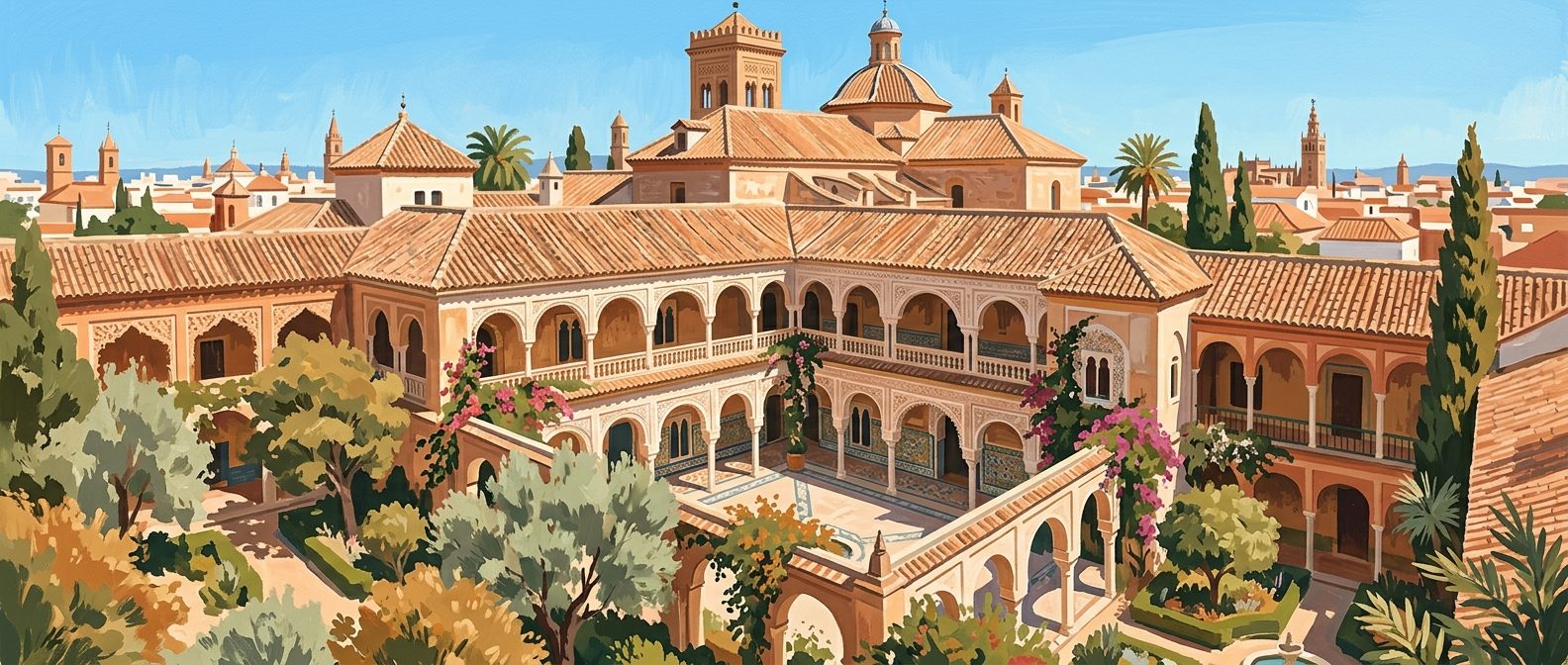
The scent of old wood, jasmine and damp earth drifts through the cool, shaded galleries of Casa de Pilatos. This 15th and 16th-century palace is the historic Seville residence of the Dukes of Medinaceli. It stands as a masterful synthesis of late medieval Gothic, Spanish Mudéjar craftsmanship and Italian Renaissance architecture. Unlike the sprawling, heavily visited royal palaces of the city, this aristocratic house offers a quiet, deeply atmospheric encounter with the golden age of Sevilla. It demonstrates exactly how Spanish nobility returned from foreign travels to weave classical Italian aesthetics into their traditional Moorish-inspired homes.
Why Casa de Pilatos Matters
Construction on the palace began in 1483 under Pedro Enríquez de Quiñones and Catalina de Ribera. However, it was their son, Fadrique Enríquez de Ribera, the first Marquis of Tarifa, who defined its legacy. Returning from a pilgrimage to Jerusalem in 1519, he sought to recreate the distance between the praetorium of Pontius Pilate and Golgotha. This religious devotion established a local Via Crucis, or Way of the Cross, and forever cemented the building's popular name as Pilate's House. Later, in the 16th century, his successor Per Afán de Ribera served as Viceroy of Naples. He returned to Andalucía with a vast collection of Roman antiquities, transforming the family home into a museum of classical art. The result is an architectural timeline of Andalucían history, illustrating the transition from regional Mudéjar traditions to the humanist ideals of the Renaissance. It provides a vital context for visitors exploring the wider city, bridging the gap between medieval fortresses and grand Baroque structures. Exploring the palace reveals a dense concentration of art, tilework and horticulture spread across several key areas.
The Main Courtyard and Azulejos
The central patio forms the architectural heart of the estate. The irregular arches and ornate plasterwork speak to its Mudéjar roots, while the smooth marble columns were imported directly from Genoa. Visitors are immediately surrounded by one of the largest and most significant collections of 16th-century cuenca tiles in the world. Produced by the local Pulido brothers' workshop, these bright geometric azulejos feature over 150 different designs and cover the lower walls. Above the tilework, a series of busts of Roman emperors and historical figures look down upon a central marble fountain. The corners of the courtyard hold statues of goddesses, including a remarkable Roman copy of the Athena Medici type, notable for being the only surviving version in the world to retain its original head. Crowning the central fountain, a bust of the two-faced Roman god Janus symbolises the transition between the past and the future.
The Gardens and Classical Statuary
Beyond the stone corridors lie two distinct green spaces. The Jardín Chico, or small garden, features a pond and a 1900 bronze statue of a young Bacchus by Mariano Benlliure. It offers a cool retreat shaded by thick foliage. The larger Jardín Grande provides a spectacular contrast. Here, classical loggias and high walls covered in bougainvillea shelter Roman statues. The carefully curated botanical collection softens the rigid lines of the Renaissance porticos. Visitors can easily spend an hour simply sitting on the tiled benches, listening to the water fountains and admiring the climbing plants that inspired film scouts to use the palace for productions like Lawrence of Arabia and Knight and Day.
A Candid Assessment
Casa de Pilatos is an essential stop for architecture enthusiasts and those seeking a refined, uncrowded alternative to the main tourist trail. The ground floor tilework and gardens are spectacular. However, the guided upper floor tour can feel rushed and restrictive, with strict rules against photography. Those who prefer a self-paced visit will be perfectly satisfied sticking to the lower levels and the magnificent courtyards.
Practical Advice for Visiting
The palace is situated at Plaza de Pilatos, a short walk from the historic Jewish quarter. The surrounding streets are exceptionally narrow, making parking virtually impossible. The best approach is on foot from the cathedral or by taking one of the many local buses that stop nearby.
The original paving in the courtyards is uneven and hard on the feet, so sensible shoes are strongly recommended. Wheelchair users can navigate the ground floor courtyards and gardens, though some thresholds have small lips and the historic surfaces require care. The furnished upper apartments are accessible only via a guided tour, which involves climbing a grand staircase.
For the best experience, arrive early in the morning to view the courtyards in the soft light before the heat of the day sets in. Spring visits are particularly rewarding when the wisteria and bougainvillea are in full bloom. You can check current access, confirm ticket options and read official visiting guidelines on the Fundación Casa Ducal de Medinaceli website.
Sensible Nearby Pairings
After absorbing the quiet grandeur of the palace, take a ten-minute walk south to explore Barrio Santa Cruz. The winding lanes and shaded plazas of this historic Jewish quarter offer a beautiful continuation of your architectural journey. Alternatively, if you want to understand the monumental scale of the city's golden age, head towards the river to see Sevilla Cathedral and the Giralda Tower. For visitors who want to compare the aristocratic residence with royal power, a morning at Casa de Pilatos pairs perfectly with an afternoon Exploring the Real Alcázar de Sevilla. Finally, to understand the broader context of the region, read our comprehensive guide to Sevilla City.
Nearby worth your time
A few well-placed stops for extending the day without turning it into a checklist.
Continue through Sevilla City
Step back into the wider landscape with local guides, nearby places and the province overview.
Things to do · 9 min
The Definitive Guide to Feria de Abril in Sevilla
Discover the cultural nuances, strict dress codes, and insider advice for navigating Sevilla's exclusive spring fair like a seasoned local.
Things to do · 10 min
Golf in Sevilla Province: Courses, Holidays and Local Pro Shops
Swap the crowded coastal fairways for the refined courses of Sevilla province. Discover top layouts designed by golfing legends, local shops, and expert tips for your next trip.
Itinerary · 13 min
One Week in Sevilla: A Complete Seven Days Itinerary
Spending a full week in Sevilla allows you to slow down and adopt the local rhythm. You can explore the monumental centre, wander through neighbourhood markets, and take the train to nearby Andalucían cities without feeling rushed.