
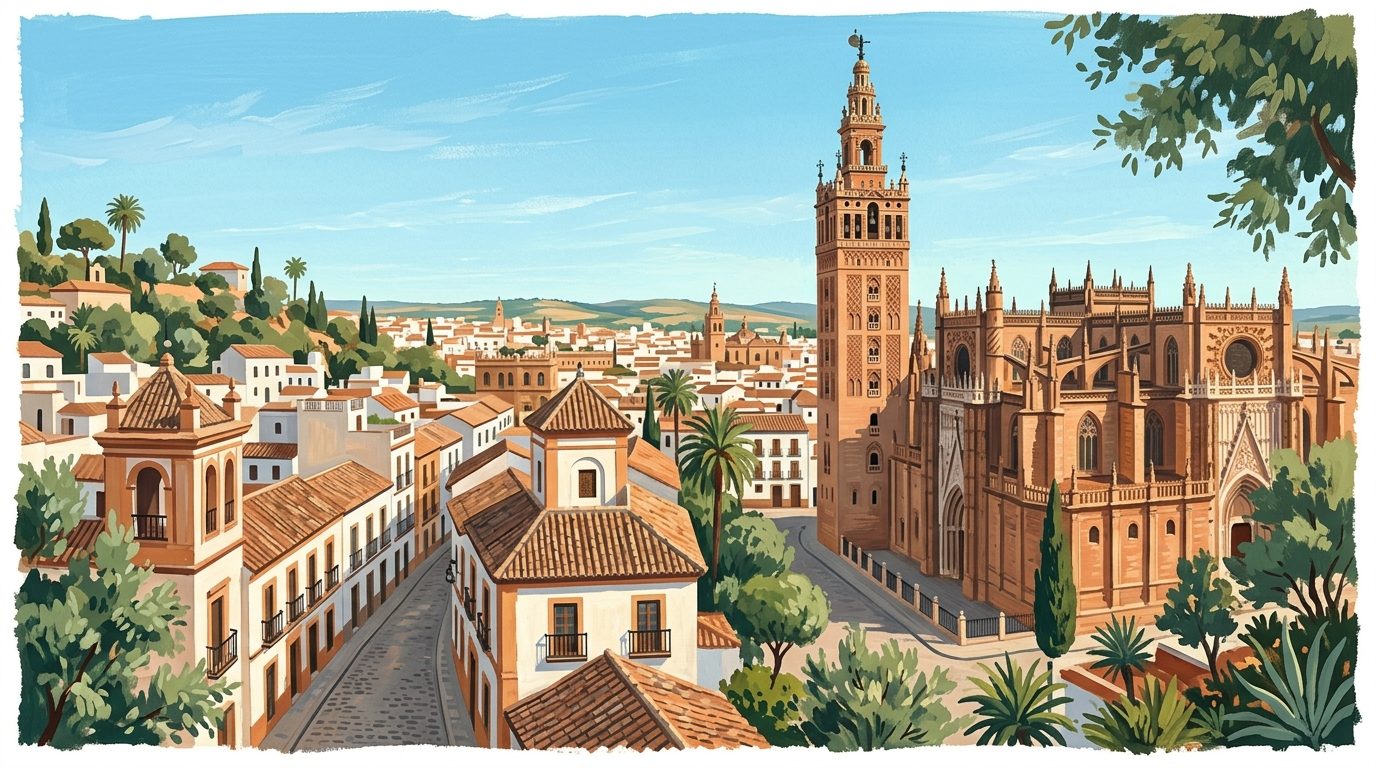
attraction · Sevilla
Church of Santa María
Andalucía 365 · Updated 18 July 2026
Our Verdict
“This monumental church offers a masterclass in Andalucían architectural history, from its Islamic courtyard to its towering Gothic vaults. While the dim lighting demands patience, the wealth of Renaissance silver and Plateresque carving rewards careful observation. It remains an essential, commanding stop for anyone exploring the rural riches of the Sevillian plains.”
Last verified: July 2026
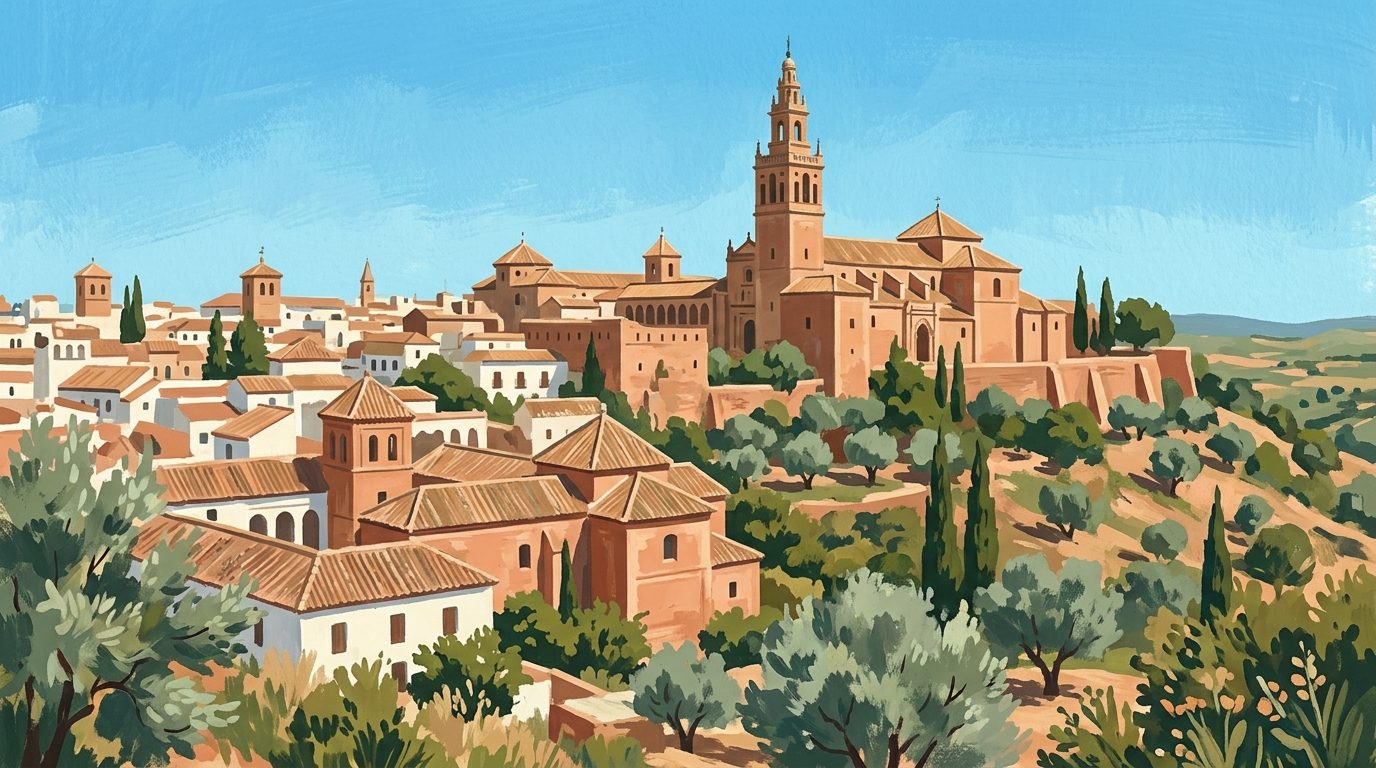
Carved into the cold stone of a single marble pillar in the sunlit Patio de los Naranjos, a Visigothic liturgical calendar quietly predates the sweeping arches of the courtyard itself. This single column, repurposed by Islamic builders for an Almohad mosque and later preserved by Christian conquerors, perfectly captures the layered history of the Priory Church of Santa María de la Asunción. Standing as the architectural anchor of Carmona, this monumental structure dominates the highest point of the town. Built primarily between the fifteenth and sixteenth centuries, the church was designed to emulate the soaring Gothic ambition of Seville Cathedral. Today, it remains one of the most significant religious buildings in the province, blending centuries of architectural evolution into a single, awe-inspiring space.
Why It Matters
The Church of Santa María is a physical timeline of Andalucían history etched in stone. When Christian forces captured Carmona, they initially consecrated the existing Almohad mosque for their own worship. Nearly two centuries later, they demolished the prayer hall to construct a grand Christian temple, while deliberately preserving the Islamic ablutions courtyard. This transition from Muslim rule to Christian dominance is a defining narrative of southern Spain, and few places illustrate the architectural shift so clearly.
Furthermore, the building documents the rising wealth of the Sevillian plains during the Age of Discovery. As agricultural revenues poured into the town, the church expanded. The initial late Gothic construction was updated by Diego de Riaño, a master of the Spanish Renaissance, who added classical refinement to the eastern sections approaching the apse. Later generations funded the Baroque Puerta del Sol and the towering belfry, creating an encyclopaedia of Spanish architectural styles under one roof.
The Islamic Courtyard
Before entering the dim interior of the nave, visitors cross the bright, orange-tree-filled Patio de los Naranjos. This space retains the traditional proportions of the original mosque courtyard. It provides a stark sensory contrast to the soaring Gothic hall that follows. The key detail to locate is the aforementioned Visigothic calendar on the shaft of a column, a relic from an even older Christian basilica that stood on this site before the Islamic conquest.
The Hall Church and Retablo Mayor
The interior follows a hall church layout, featuring three broad naves of equal height separated by massive stone pillars. Your eyes are immediately drawn upwards to the complex stellar vaulting over the crossing, a masterpiece of late Gothic stone carving. At the far end of the central nave sits the Retablo Mayor. Crafted in 1563 by Juan Bautista Vázquez, this colossal Plateresque altarpiece features intricately carved panels depicting the life of Jesus, interspersed with Marian scenes. The gold leaf glows brilliantly when the afternoon sun hits the high windows, though the details can be harder to discern on cloudy days.
Sacred Art and the Sacristy
Beyond its architectural merit, the church functions as a museum of sacred art. The side chapels hold works by notable Andalucían artists, while the main sacristy safeguards an extraordinary collection of ecclesiastical silver. The absolute highlight is the massive processional monstrance created by Francisco Alfaro between 1579 and 1584. Visitors can also view liturgical vestments and paintings attributed to masters such as Francisco de Zurbarán and Pedro Atanasio Bocanegra, highlighting the immense patronage the church once commanded.
A Candid Assessment
This is not a brief stop for a casual photograph. The sheer scale and historical density of Santa María demand at least an hour of careful observation. For those with a keen interest in religious history, stonemasonry, and the layered cultures of Andalucía, it is an essential visit. However, the cavernous interior can feel very dark, particularly in the winter months, making it difficult to appreciate the highest tier of the altarpiece or the subtleties of the ceiling vaults. Travellers looking for immediate visual spectacles might find the heavy Gothic atmosphere slightly imposing, but those who take the time to read the stonework will find it deeply rewarding.
How to Visit
Carmona is situated on the elevated plains east of Seville, making it a natural stop when exploring the rural heartland. The church sits squarely in the historic upper town at the Plaza del Marqués de las Torres. Drivers should leave their vehicles in the public parking areas outside the medieval walls, such as near the Puerta de Sevilla. The narrow, cobbled streets surrounding the church are a maze designed for pedestrians and local residents, making driving stressful and largely restricted.
The walk up to the plaza involves a moderate incline over uneven stones. The main entrance features stone steps, and while the main nave is level, some side chapels and museum rooms have raised thresholds, presenting challenges for wheelchair users.
Because the building remains an active parish, visitor access revolves around the liturgical calendar. You must verify current opening days, mass schedules, and entrance fees on the official parish website before setting out. Tourist access is completely suspended during services, local festivals, and important religious holidays.
Make it a Day Trip
After absorbing the ecclesiastical weight of the complex, step back out into the light and consult our guide to Carmona to explore the rest of the town. The fortified gates and the ancient Roman necropolis are within easy walking distance and offer a completely different era of history to digest.
Carmona also serves as an excellent starting point for a broader road trip through the agricultural interior. Read our overview of the Sevilla countryside to plan a route through the endless wheat fields and olive groves. From here, you can easily drive eastward to explore the university and palaces detailed in our guide to Osuna, or marvel at the brilliant ceramic-tiled skylines featured in our guide to Écija.
Nearby worth your time
A few well-placed stops for extending the day without turning it into a checklist.
Continue through Lower Guadalquivir & Countryside
Step back into the wider landscape with local guides, nearby places and the province overview.
Things to do · 9 min
The Definitive Guide to Feria de Abril in Sevilla
Discover the cultural nuances, strict dress codes, and insider advice for navigating Sevilla's exclusive spring fair like a seasoned local.
Things to do · 10 min
Golf in Sevilla Province: Courses, Holidays and Local Pro Shops
Swap the crowded coastal fairways for the refined courses of Sevilla province. Discover top layouts designed by golfing legends, local shops, and expert tips for your next trip.
Itinerary · 13 min
One Week in Sevilla: A Complete Seven Days Itinerary
Spending a full week in Sevilla allows you to slow down and adopt the local rhythm. You can explore the monumental centre, wander through neighbourhood markets, and take the train to nearby Andalucían cities without feeling rushed.