
attraction · Sevilla
Museo de la Ciudad de Carmona
Andalucía 365 · Updated 18 July 2026
Our Verdict
“A brilliantly structured municipal museum housed in a noble sixteenth-century palace. It offers an indispensable and highly digestible overview of the region's layered history, making it the perfect starting point before exploring the wider town.”
Last verified: July 2026
The Casa Palacio Marqués de las Torres
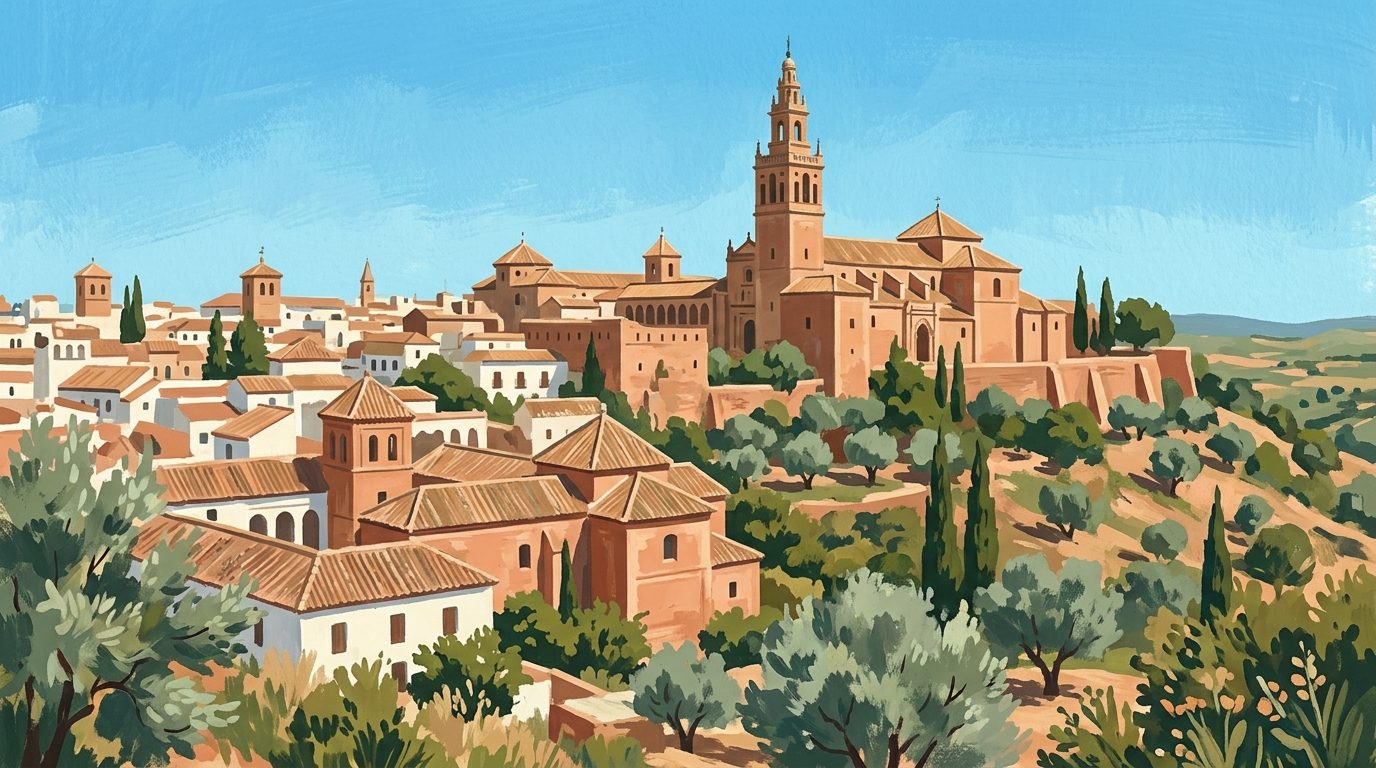
The Museo de la Ciudad de Carmona occupies the Casa Palacio Marqués de las Torres, an aristocratic residence reflecting the layered architectural history of the town. Above the main entrance, a monumental stone facade dated 1755 commands the street. This baroque doorway bears the coat of arms of the Quintanilla family, who allied through marriage with the Lasso de la Vega dynasty. Inside, the architecture transitions into older styles, revealing sixteenth-century origins. The exhibition rooms surround a classical square courtyard featuring semicircular arches and elegant marble columns. Preserving its Mudéjar elements, the palace allows visitors to observe intricate Islamic-style plasterwork on the balcony mouldings and exposed wooden ceiling beams. Hanging above the grand staircase is a large historic canvas of the Virgen de Gracia, the patron saint of the town, displayed near a glazed ceramic baptismal font. This building provides an appropriately noble setting for an institution condensing hundreds of thousands of years of human habitation into a single narrative.
Prehistoric and Tartessian Artefacts
The lower floors trace the earliest human settlements on the high ridge overlooking the Corbones river valley. The chronological layout begins with Paleolithic stone tools, illustrating human presence in the region dating back hundreds of thousands of years. Exhibits progress sequentially through the Chalcolithic and Bronze Ages, demonstrating how early populations moved from the plains to the easily defensible escarpment to control the agricultural territory.
The museum achieves exceptional depth when covering the Tartessian era. During the eighth and seventh centuries BC, Phoenician merchants arrived from the eastern Mediterranean, introducing the potter's wheel and oriental design motifs. The collision of these cultures is vividly illustrated by the 'Saltillo' vases. These ornate ceramic vessels, dating from between 650 and 550 BC, were unearthed locally in 1992 within the former home of the Marquis of Saltillo. Featuring painted decorations of griffins and lotus flowers, they serve as prime examples of orientalising art and demonstrate the trading networks that flourished long before the Roman conquest.
Roman Carmo and the Islamic Medina
Carmona was a critical junction on the Via Augusta and one of the most heavily fortified settlements in Hispania Baetica. The Roman galleries display evidence of a city so prosperous it earned the privilege to mint its own currency. Visitors can inspect everyday domestic items, intricate mosaics depicting classical themes, amphorae used for transporting local olive oil, and stone funerary stelae naming the prominent citizens of Roman Carmo.
The progression moves into the Moorish era, when the town became known as Qarmuna. Alongside delicate architectural epigraphy, the standout exhibit is a complete Islamic kitchen trousseau from the Almoravid period. Comprising storage jars, cooking pots, spice containers, and braziers, this pottery collection was hastily hidden by its owner during a conflict in the late eleventh or twelfth century. It lay undisturbed beneath the soil until municipal archaeologists unearthed the intact collection in 1991, offering a rare glimpse into domestic life in Al-Andalus.
Fine Arts and the Modern Town
While many archaeological museums stop at the mediaeval period, this institution continues its narrative into the modern era. The upper floor galleries explain how the rigid Roman grid evolved into the narrow, winding alleys of the Moorish medina, and later into the baroque townscape visible today following the Christian conquest.
These rooms also hold the municipal fine arts collection. This section focuses on nineteenth and twentieth-century painting, with a strong emphasis on Andalucían costumbrismo and local landscapes. Works by esteemed regional painters such as José Arpa Perea, Rodríguez Jaldón, and Valverde Lasarte are prominently featured. Their canvases offer a romanticised but technically impressive view of rural Sevilla province, capturing the local architecture and agricultural life before the advent of modern industrial farming.
The Verdict
This is an exceptional municipal museum that goes far beyond a standard collection of local oddities. The chronological layout makes the complex history of the region easy to digest, while the palatial setting elevates the entire experience. It serves as the perfect primer before exploring the town's physical monuments.
Practical Information
Carmona is an easy drive from the regional capital and makes an excellent focal point for exploring the wider Baroque Towers and Golden Plains: A Guide to the Sevilla Countryside. The museum is located on Calle San Ildefonso in the historic quarter. Because the old town features a maze of narrow, one-way streets, drivers should park on the lower ground near the Alcázar de la Puerta de Sevilla and walk into the walled enclosure.
The building spans two floors. While the historic nature of the palace means there are staircases, the municipality has adapted the venue to ensure wheelchair access to the primary exhibition spaces. The institution also organises educational workshops and cultural programmes throughout the year. For deeper research into the permanent collection, consult the Museo de la Ciudad de Carmona official website.
Nearby Pairings
After learning about the strategic importance of the town, walk ten minutes to the edge of the escarpment to see the Roman Necropolis. For a complete understanding of the area, consult A Guide to Carmona: The Fortified Gateway to the Sevilla Plains. If you wish to explore the broader context of Roman influence in the region, consider a trip to Rome on the Guadalquivir: A Guide to Itálica and Roman Sevilla, where you can walk the monumental streets of Itálica: Walking the Imperial Streets of Roman Sevilla, the birthplace of the emperors Trajan and Hadrian.
Nearby worth your time
A few well-placed stops for extending the day without turning it into a checklist.
Continue through Lower Guadalquivir & Countryside
Step back into the wider landscape with local guides, nearby places and the province overview.
Things to do · 9 min
The Definitive Guide to Feria de Abril in Sevilla
Discover the cultural nuances, strict dress codes, and insider advice for navigating Sevilla's exclusive spring fair like a seasoned local.
Things to do · 10 min
Golf in Sevilla Province: Courses, Holidays and Local Pro Shops
Swap the crowded coastal fairways for the refined courses of Sevilla province. Discover top layouts designed by golfing legends, local shops, and expert tips for your next trip.
Itinerary · 13 min
One Week in Sevilla: A Complete Seven Days Itinerary
Spending a full week in Sevilla allows you to slow down and adopt the local rhythm. You can explore the monumental centre, wander through neighbourhood markets, and take the train to nearby Andalucían cities without feeling rushed.