
attraction · Sevilla
Palacio de las Dueñas
Andalucía 365 · Updated 18 July 2026
Our Verdict
“Palacio de las Dueñas provides a deeply personal counterpart to the monumental scale of Sevilla's major royal sites. It rewards visitors who appreciate quiet horticultural beauty and a genuine glimpse into aristocratic domesticity. The lack of detailed curatorial signage means an audio guide is highly recommended, but the rich historic atmosphere makes this estate a tremendously worthwhile hour of exploration.”
Last verified: July 2026
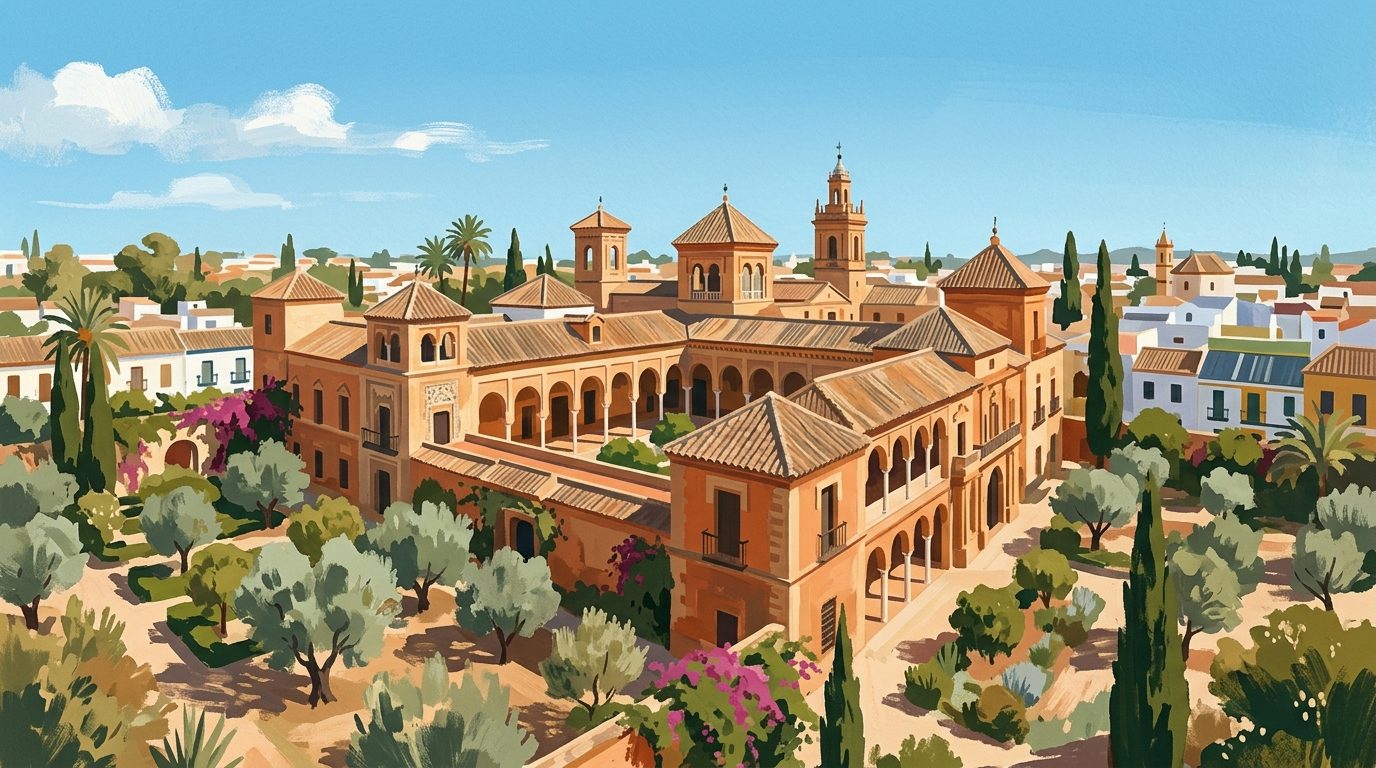
Deep pink bougainvillea spills down the ochre and white facade of Palacio de las Dueñas, signalling the entrance to a culturally significant private residence in Sevilla. Built between the late fifteenth and early sixteenth centuries, the estate takes its name from the nearby former monastery of Santa María de las Dueñas. It stands as a masterful architectural synthesis, encapsulating the evolution of regional noble design. Within its walls, austere Gothic foundations merge with elegant Renaissance symmetry and highly intricate Mudéjar decorative plasterwork. Unlike many palatial museums, this estate remains a lived-in home, offering an intimate look at the private lives of the Spanish aristocracy. It has been closely tied to the prestigious House of Alba since 1612.
Origins and Noble Heritage
The estate's origins are rooted in the Pineda family, prominent members of the Sevillian patrician class. Following a battle during the Granada War in 1483, the family mortgaged their property to pay the ransom for the captured Juan de Pineda. This led to the 1496 sale of the residence to Catalina de Ribera. Her son, Fernando Enríquez de Ribera, transformed the original Gothic and Mudéjar structure into a grand Renaissance palace. The estate passed to the House of Alba in 1612 when Antonia Enríquez de Ribera married Fernando Álvarez de Toledo, the sixth Duke of Alba. Since then, it has served as a primary southern residence for the family, hosting royalty, politicians and cultural figures including Jacqueline Kennedy.
A Literary Landmark
Beyond its impressive noble pedigree, the palace holds profound literary significance for Spain. In the late nineteenth century, the estate was temporarily partitioned into a tenement house. One of the administrators and tenants during this period was Antonio Machado Álvarez. As a result of this living arrangement, his son, the renowned poet Antonio Machado, was born in one of the rented rooms in 1875. The poet's early childhood memories of the sunlit patios and fragrant citrus trees heavily influenced his later works, embedding the palace deeply into the fabric of Spanish literary history. If you are exploring the broader Sevilla city landscape, the serene atmosphere of this palace offers a quiet, introspective counterpoint to massive public monuments like the Real Alcázar de Sevilla.
Art, Antiquities and Aristocratic Life
The interiors of the palace present a highly personal curation of generational wealth. Visitors move through a sequence of drawing rooms, wood-panelled libraries and private family chapels that look as though the owners have merely stepped out for the afternoon. The formal art collection, protected by regional heritage laws, contains over one thousand and four hundred pieces. It features significant paintings by historic masters such as Jacopo Bassano, Federico de Madrazo, Luca Giordano and José de Ribera, flanked by intricately woven Flemish tapestries from the sixteenth and seventeenth centuries.
The true appeal of the palace lies in the striking juxtaposition of these grand historical pieces with everyday domesticity. Ancient Roman sculptures, excavated from rural estates across Andalucía, sit casually alongside comfortable modern sofas. The late Cayetana Fitz-James Stuart, the eighteenth Duchess of Alba, left an indelible mark on the home. Antique glass cabinets hold her traditional flamenco dresses, historic bullfighting memorabilia and handwritten personal letters. The rooms are dense with framed family photographs and travel souvenirs, creating an atmosphere that is both exceptionally grand and unapologetically domestic. Opting for an audio guide is highly recommended to fully grasp the significance of the collection, as there is minimal written signage in the rooms.
Mudéjar Courtyards and the Lemon Tree Garden
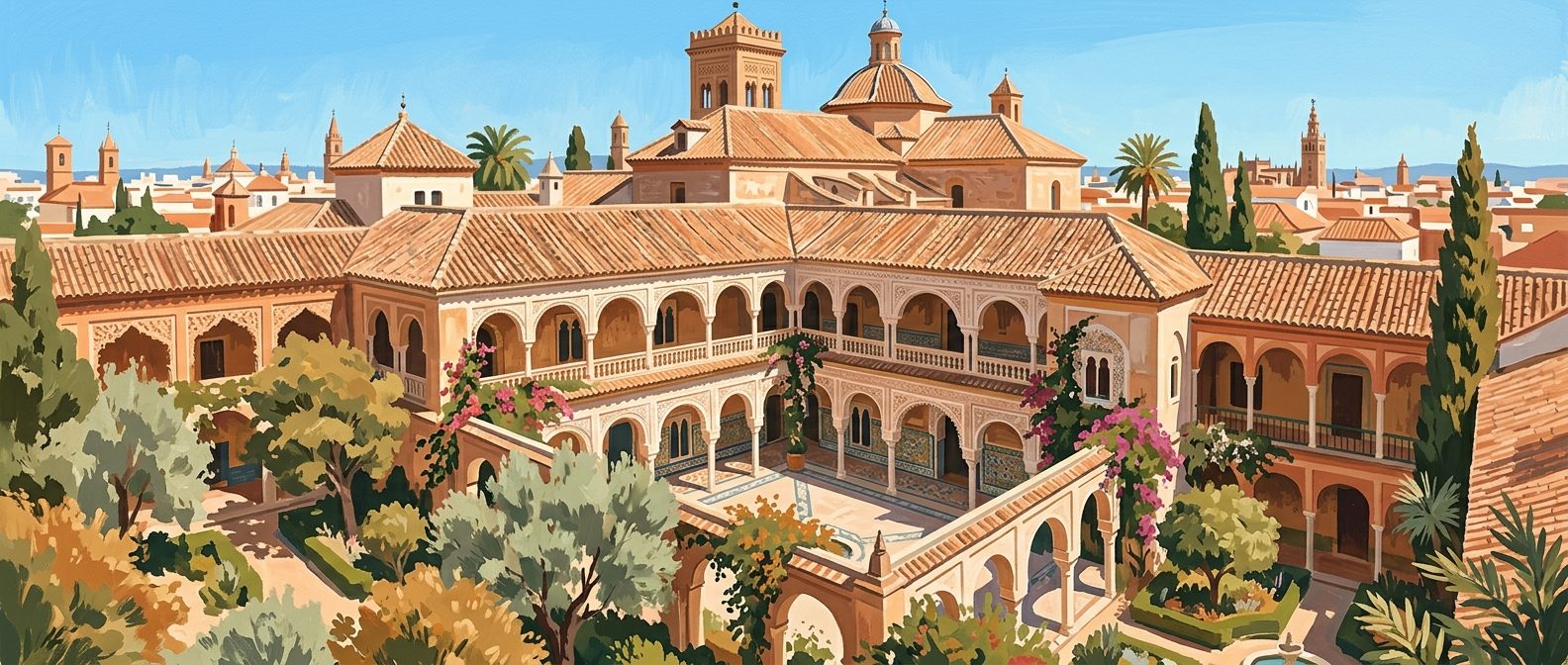
The central courtyard serves as the architectural heart of the palace and a spectacular display of Sevillian Mudéjar craftsmanship. Intricate plasterwork arches rest on slender marble columns, bordered by classic geometric tile plinths that date back centuries. This central space naturally opens up into a series of highly maintained, lushly planted gardens that offer total respite from the intense urban heat of southern Spain.
The most famous of these spaces is the Garden of the Lemon Trees, the courtyard immortalised in Antonio Machado's poetry. Horticultural enthusiasts will immediately appreciate the traditional Andalusian planting techniques on display here. Mature citrus trees, towering palms and bright floral displays provide deep shade, while small trickling fountains serve as natural cooling systems. The layout actively encourages slow, deliberate exploration, particularly in the spring months when the sweet scent of orange blossom fills the enclosed courtyards.
Planning Your Visit
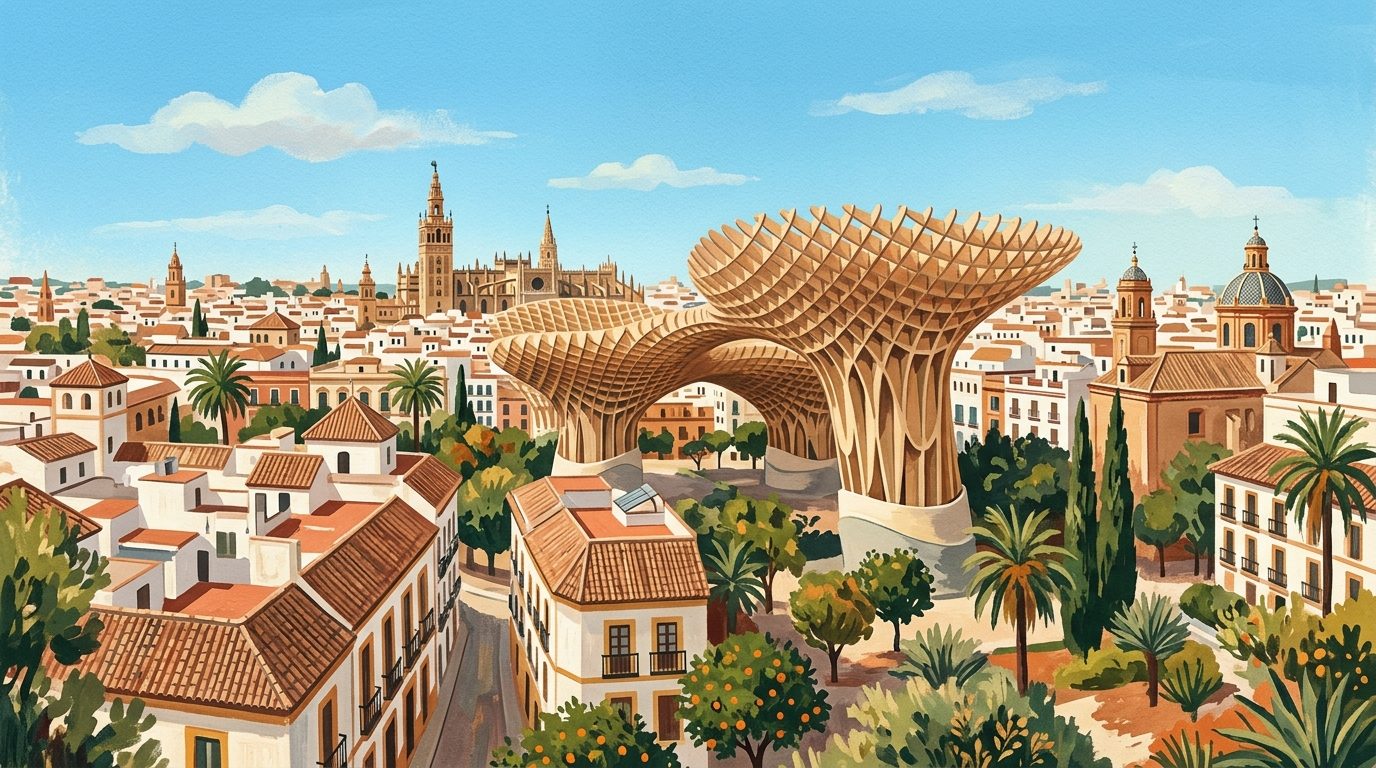
The palace is located on Calle Dueñas in the historic centre, an easy ten-minute walk from the modern wooden canopy of the Metropol Parasol. Most of the ground floor rooms, main courtyards and primary gardens are accessible to wheelchair users, though visitors should expect to navigate historical cobbles and somewhat uneven ceramic tiles in certain transit areas. The upper floors remain closed to the public as they are still used as a private residence by the current Duke of Alba.
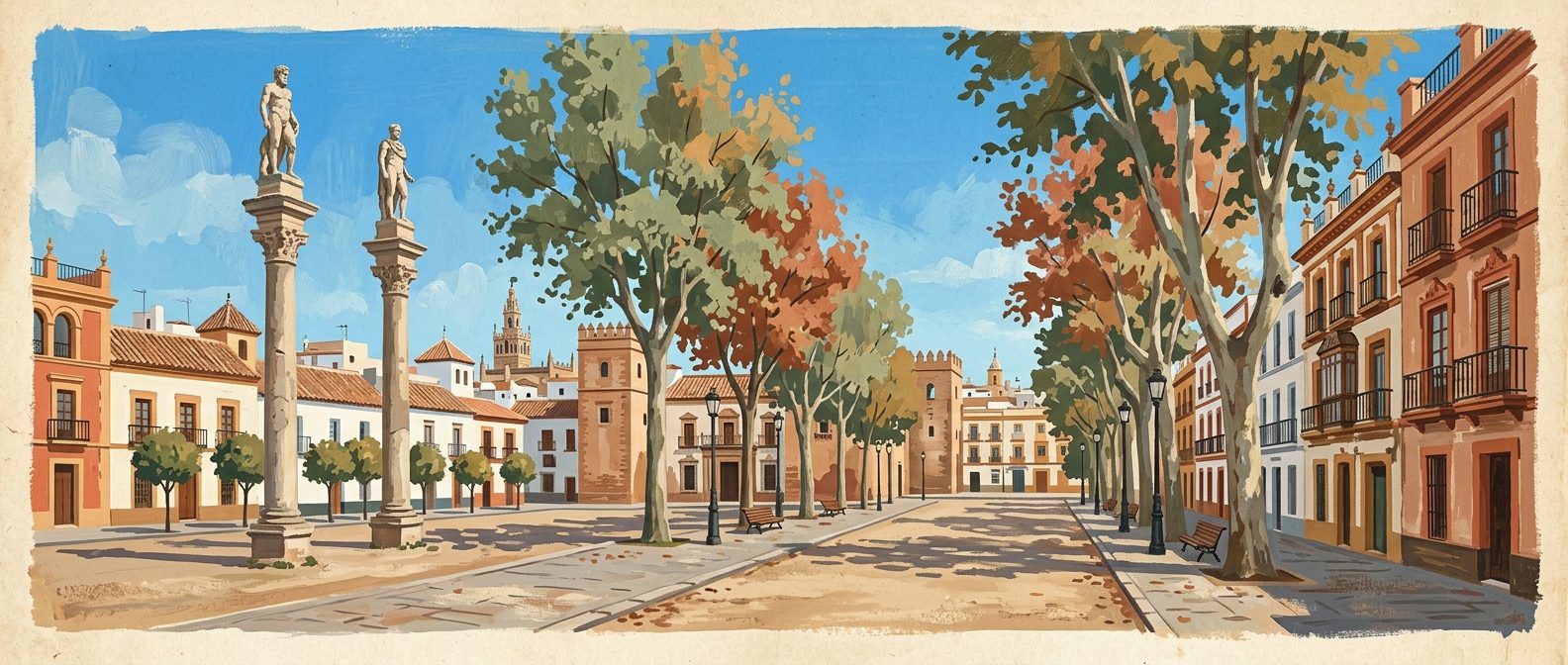
To preserve the delicate antique textiles and historical oil paintings, the estate enforces a strict photography policy indoors without flash. For the most atmospheric experience, aim for the earliest entry slot of the morning to enjoy the gardens in the soft diffused light before the larger tour groups arrive. If you have a few days to spare, you might smoothly incorporate this visit into a broader long weekend in Sevilla. For live details on admission policies and official audio guide options, consult the official Palacio de las Dueñas website. Afterwards, walk south to explore the winding alleys and shaded plazas of the Barrio Santa Cruz, where you can reflect on the layered history of the city over traditional tapas.
Nearby worth your time
A few well-placed stops for extending the day without turning it into a checklist.
Continue through Sevilla City
Step back into the wider landscape with local guides, nearby places and the province overview.
Things to do · 9 min
The Definitive Guide to Feria de Abril in Sevilla
Discover the cultural nuances, strict dress codes, and insider advice for navigating Sevilla's exclusive spring fair like a seasoned local.
Things to do · 10 min
Golf in Sevilla Province: Courses, Holidays and Local Pro Shops
Swap the crowded coastal fairways for the refined courses of Sevilla province. Discover top layouts designed by golfing legends, local shops, and expert tips for your next trip.
Itinerary · 13 min
One Week in Sevilla: A Complete Seven Days Itinerary
Spending a full week in Sevilla allows you to slow down and adopt the local rhythm. You can explore the monumental centre, wander through neighbourhood markets, and take the train to nearby Andalucían cities without feeling rushed.