
attraction · Sevilla
Parque de María Luisa
Andalucía 365 · Updated 18 July 2026
Our Verdict
“Parque de María Luisa is an essential destination that offers a vital contrast to the dense, stone-paved streets of the historic centre. It succeeds brilliantly as a botanical garden and architectural showcase. Despite occasional weathering and noisy resident parakeets, its sheer scale and atmospheric shaded pathways make it thoroughly rewarding.”
Last verified: July 2026
A Royal Gift Turned Public Oasis
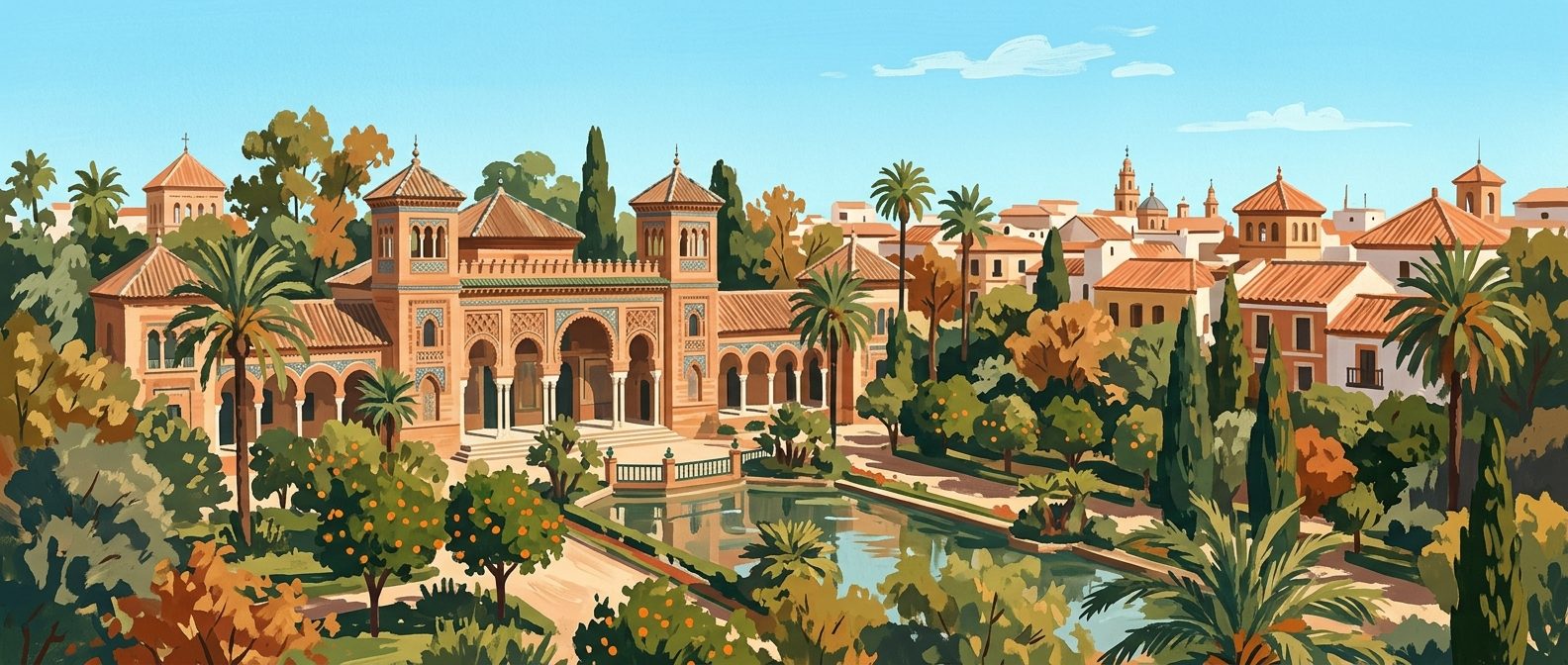
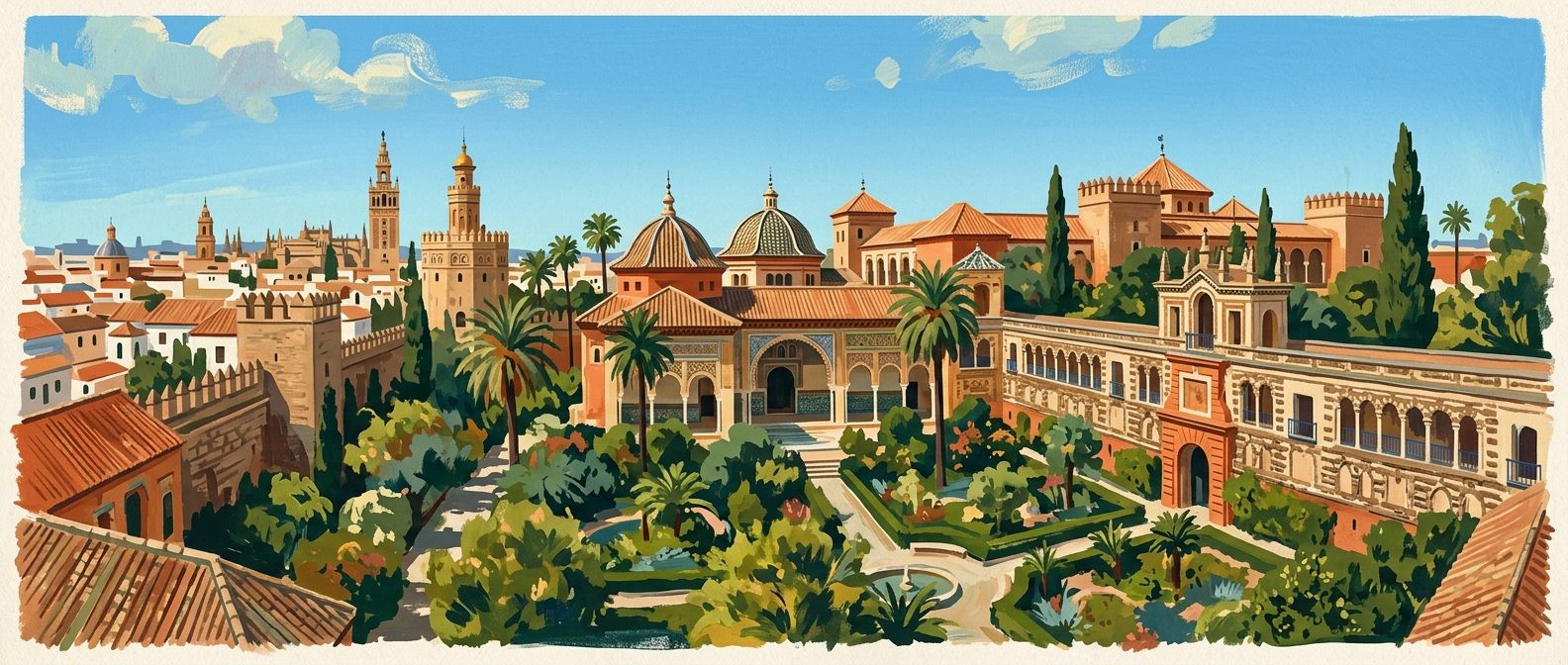
The scent of bitter orange blossom and the cooling sound of tiled fountains welcome walkers to Parque de María Luisa, the primary green lung of the capital of Andalucía. Originally forming the private grounds of the Palace of San Telmo, these sprawling gardens were generously donated to the city by Princess María Luisa Fernanda in 1893. The landscape underwent a dramatic transformation ahead of the 1929 Ibero-American Exposition. French landscape architect Jean-Claude Nicolas Forestier, who had previously served as the curator of the Bois de Boulogne in Paris, reshaped the terrain. He expertly blended rigorous French botanical symmetry with the romantic, water-heavy traditions of Moorish garden design, drawing direct inspiration from the Alhambra in Granada and the Alcázares of Sevilla.
Today, this 34-hectare expanse serves as a vital refuge from the intense heat of the city. The park matters because it preserves the ambitious, decorative spirit of early twentieth-century regionalist architecture while providing a functioning, breathable space for residents and tourists alike. Wide gravel avenues intersect with shaded pergolas, creating a microclimate that offers significant relief during the punishing summer months. Dedicated botanical preservation ensures the survival of its historic avenues of black acacia and hackberry trees, maintaining the protective green canopies that define the park.
The Grandeur of Plaza de España
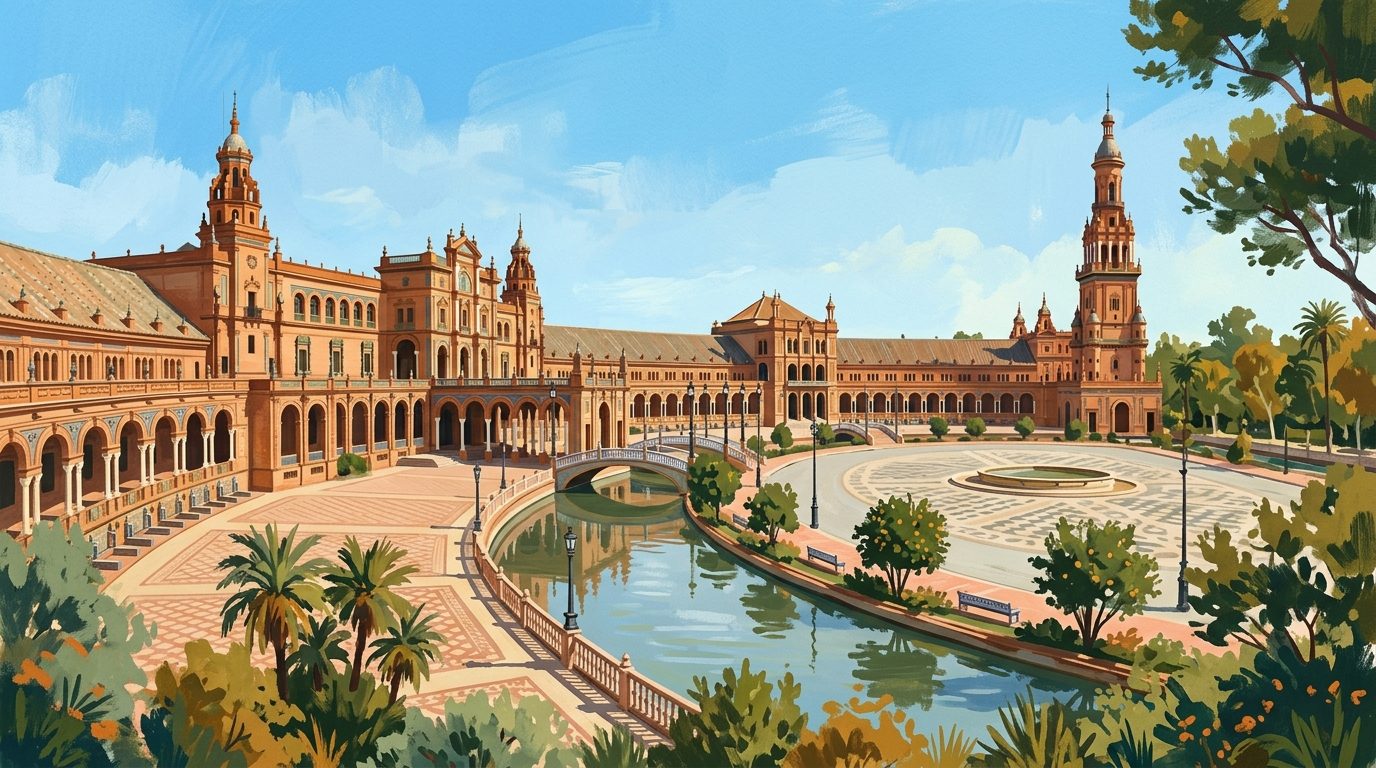
The architectural anchors of the park sit at its edges, constructed specifically for the 1929 exposition. The Plaza de España is an immense semi-circular brick building wrapped around a wide canal, crossed by four arched ceramic bridges that represent the four ancient kingdoms of Spain. Along its sweeping walls, visitors can view 48 detailed alcoves, each covered in hand-painted tiles representing the Spanish provinces of the era, complete with historical scenes and regional maps. It remains a striking visual display of national identity and regionalist design.
The Museums of Plaza de América
At the southern end of the greenery lies the Plaza de América. This formal square is framed by three distinct architectural styles, all conceived by the celebrated architect Aníbal González to represent Spain's historical building traditions. The Neo-Mudéjar pavilion houses the Museum of Arts and Popular Customs, displaying regional textiles, ceramics and agricultural tools. Opposite sits the Neo-Renaissance Archaeological Museum, while the Neo-Gothic Royal Pavilion anchors the third side. The square itself features pristine geometric flower beds, tall palm trees and a central pond surrounded by wrought-iron candelabras. Visitors often gather here to feed the large flocks of white doves, a long-standing local tradition.
Fountains, Monuments and Pathways
Beyond the monumental squares, the true appeal of Parque de María Luisa lies in its intimate, shaded corners. The landscape is a maze of botanical rarities, intersecting paths and literary monuments, providing endless routes for a quiet walk. The Glorieta de Bécquer is perhaps the most famous of these spaces. It centres on a large bald cypress tree planted in the nineteenth century and features a white marble statue dedicated to the Romantic poet Gustavo Adolfo Bécquer. It is surrounded by detailed figures representing the different stages of love, from hopeful beginnings to tragic ends.
Water is a constant presence, used carefully to mask the noise of the surrounding traffic. The Fountain of the Lions is a prime example. This polygonal pool, elevated slightly above the gravel, is guarded by stone lions and decorated with vivid local ceramics. Further into the foliage, walkers will find Monte Gurugú. This small, artificial hill is accessed via a winding stone staircase, leading up to a modest waterfall and a viewing platform that looks out over the tree canopy. Nearby, the Isleta de los Patos offers a quiet island in the middle of a duck pond, complete with a stone pavilion where King Alfonso XII is rumoured to have courted María de las Mercedes.
Practicalities and Access
The park is open to the public without an entry fee, though the museums within its borders operate their own ticketing systems. The terrain is flat, with wide, compacted gravel paths and paved avenues, making it highly accessible for wheelchair users, pushchairs and those with limited mobility. Some specific monuments, such as the top of Monte Gurugú, require climbing stairs. The destination suits families, architecture enthusiasts and anyone seeking a quiet outdoor retreat.
You can find the park immediately south of the historic centre. It is an easy, entirely flat walk from the Barrio Santa Cruz, taking you past the grand facade of the old tobacco factory. The Prado de San Sebastián transport hub sits near the northern entrance, offering convenient connections via the Metro Line 1, the T1 tram and multiple local bus routes. Cycling is highly recommended due to the flat layout, and you can rent four-wheeled pedal carts, known locally as cyclobuses, near the main gates.
Visitors should always verify museum access and standard regulations on the official municipal page before planning a trip. Spring is widely considered the best time to visit, particularly when the orange trees are in bloom.
Sensible Pairings
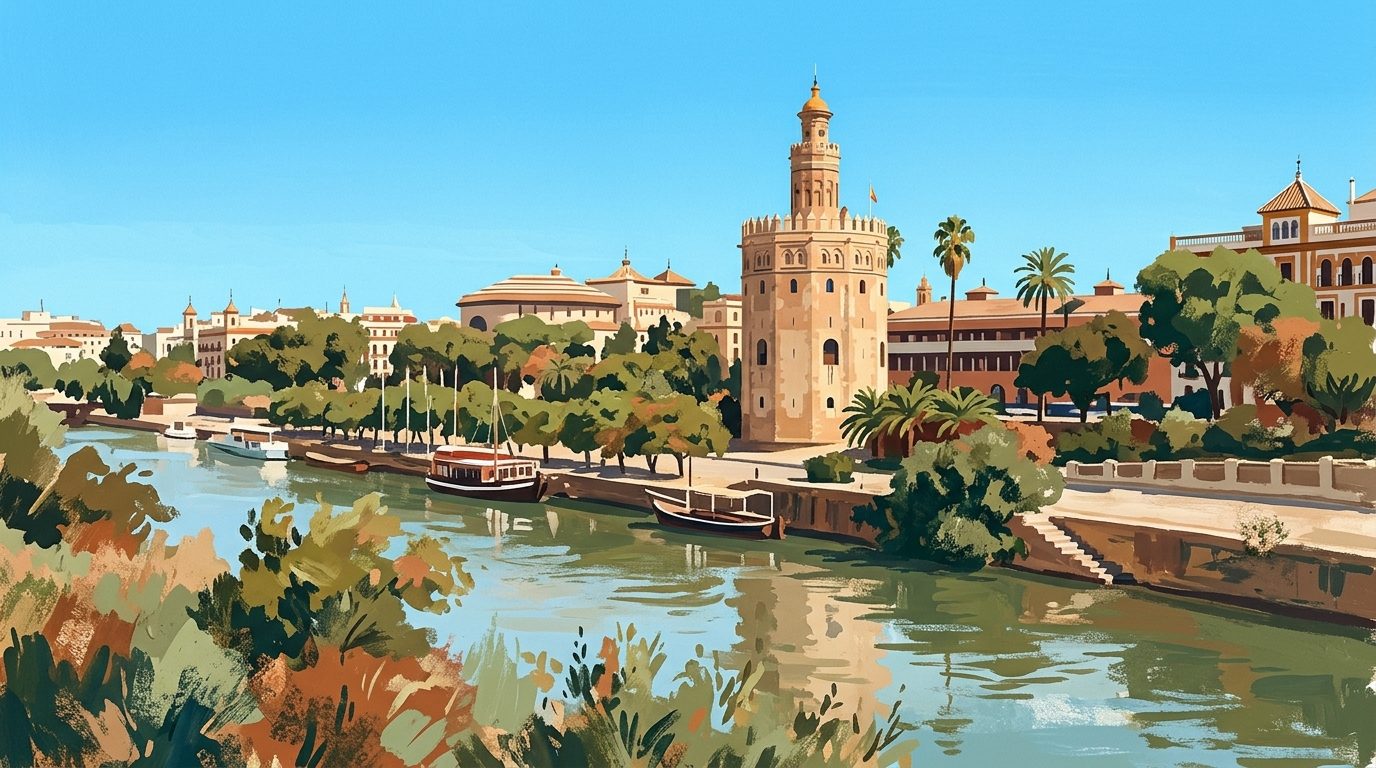
Given its central location, the park pairs effortlessly with a morning exploring the colossal Gothic architecture of Sevilla Cathedral and the Giralda. After navigating the historic centre and its crowded tapas bars, a slow walk south towards the park provides a refreshing change of pace and a welcome escape from the stone pavements. Alternatively, you can head west from the park towards the Guadalquivir River to walk along the Paseo de las Delicias. This waterfront promenade is an excellent spot for a late afternoon stroll as the temperatures begin to drop, offering views of the river traffic and the historic bridges.
Nearby worth your time
A few well-placed stops for extending the day without turning it into a checklist.
Continue through Sevilla City
Step back into the wider landscape with local guides, nearby places and the province overview.
Things to do · 9 min
The Definitive Guide to Feria de Abril in Sevilla
Discover the cultural nuances, strict dress codes, and insider advice for navigating Sevilla's exclusive spring fair like a seasoned local.
Things to do · 10 min
Golf in Sevilla Province: Courses, Holidays and Local Pro Shops
Swap the crowded coastal fairways for the refined courses of Sevilla province. Discover top layouts designed by golfing legends, local shops, and expert tips for your next trip.
Itinerary · 13 min
One Week in Sevilla: A Complete Seven Days Itinerary
Spending a full week in Sevilla allows you to slow down and adopt the local rhythm. You can explore the monumental centre, wander through neighbourhood markets, and take the train to nearby Andalucían cities without feeling rushed.