
attraction · Sevilla
Plaza de España
Andalucía 365 · Updated 18 July 2026
Our Verdict
“An intimidatingly massive display of regionalist architecture, the Plaza de España manages to remain intimate through its meticulously painted ceramic alcoves. While summer afternoons turn the stone square into an unbearable heat trap, an early morning visit reveals the true majesty of Aníbal González’s 1929 masterpiece before the crowds arrive.”
Last verified: July 2026
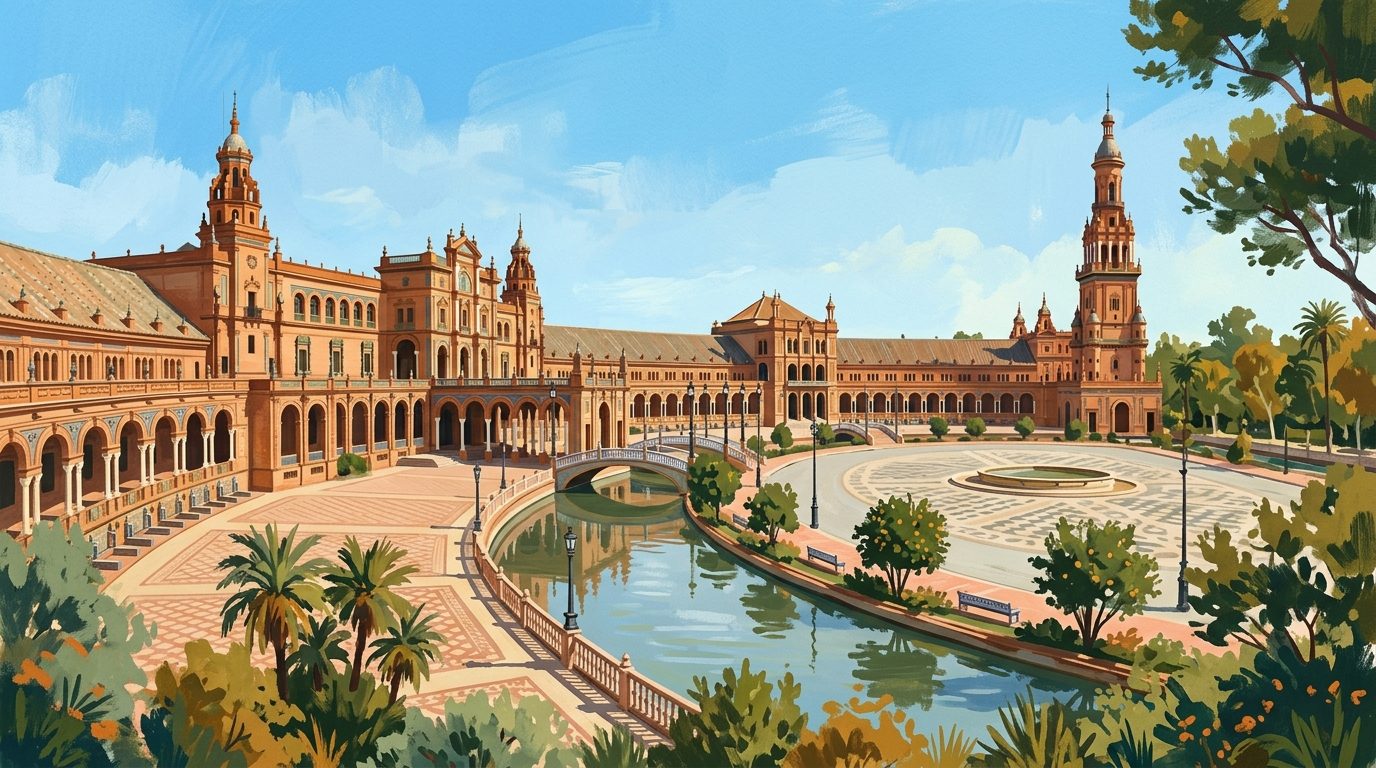
Morning light catches the glazed ceramic tiles of the Plaza de España, turning the immense semi-circular facade into a glowing crescent of red brick and golden ochre. Designed by local architect Aníbal González as the centrepiece of the 1929 Ibero-American Exposition, the monumental complex fuses Renaissance Revival lines with intricate Neo-Mudéjar details. It was built to project Spanish industrial and artistic prowess to the world, symbolising an open embrace towards former American colonies. Today, it survives as one of Europe's most spectacular public spaces, where intimidating scale meets masterful regional craftsmanship. A visit here is fundamental to understanding the visual identity of twentieth-century Sevilla.
A Masterpiece of the 1929 Exposition
Covering 50,000 square metres, the plaza acts as an enormous architectural theatre, originally inaugurated by King Alfonso XIII. Aníbal González spent over a decade shaping this vision, employing thousands of local craftsmen to lay the precise brickwork and fire the vivid ceramics. The sweeping, semi-elliptical structure is anchored by the 74-metre-tall North and South towers, which dominate the skyline of Sevilla. Between these two imposing towers runs a wide, shaded gallery supported by slender marble columns. Looking up into this arcade reveals an intricately carved wooden coffered ceiling, demonstrating a rigorous attention to historical Andalusian design. It remains the defining example of Sevillian regionalist architecture, deliberately blending the city's deep Moorish heritage with classical European grandeur to create something entirely unique.
The Provincial Alcoves
Lining the base of the main curved building are 48 tiled alcoves, each dedicated to a different Spanish province. Arranged in alphabetical order, these individual benches are heavily decorated with bright painted ceramic tiles, locally known as azulejos. These panels depict key historical scenes, regional maps, and local coats of arms. It has become a widespread tradition for domestic tourists to seek out their home province for a commemorative photograph. When walking the perimeter, take time to study the detailed floor mosaics and the small built-in bookshelves flanking each bench. These shelves were originally designed to hold cultural and promotional literature from each region during the 1929 exposition.
The Canal and the Four Kingdoms
A 515-metre-long artificial canal traces the entire curve of the building, separating the main plaza from the central exhibition space. Four ornate bridges cross the water, explicitly dedicated to the ancient kingdoms of Spain: Castile, Aragon, Navarre, and León. Their delicate blue and white ceramic balustrades provide a striking visual contrast to the warm red tones of the main facade. From the apex of these bridges, visitors gain excellent elevated views of the central Vicente Traver fountain, which provides a cooling mist on hot days. The canal itself remains an active part of the attraction, with small rowing boats gliding across the shallow water throughout the afternoon.
A Candid Assessment
The Plaza de España is undeniably magnificent, yet its immense popularity requires careful navigation. The scale is awe-inspiring, and the cinematic quality of the architecture is obvious, making it highly rewarding for architecture enthusiasts, keen photographers, and families with children. It famously served as a filming location for cinematic epics like Lawrence of Arabia and the Star Wars franchise, drawing dedicated pop-culture tourists year-round. However, during the middle of the day, particularly in the fierce heat of July and August, the central square becomes a punishingly hot expanse of unshaded stone. Peak hours bring significant crowds, large guided groups, and impromptu flamenco performers who take advantage of the gallery acoustics to play for tips. To appreciate the monument's true grandeur and intricate details without the overwhelming crush, you must arrive early in the morning or linger during the final hour before sunset when the brickwork takes on a deep orange hue.
Practical Advice and Accessibility
The plaza forms the architectural edge of María Luisa Park, one of the finest historic green spaces in Andalucía, and sits roughly a 15-minute walk from the historic centre. The terrain across the square consists of hard stone and traditional brick paving. While the main central plaza is entirely flat and suitable for wheelchair users, crossing the decorative bridges or accessing the upper covered galleries requires navigating steep steps or seeking out specific ramps located at the ends of the building. The walking distance from the North Tower to the South Tower is substantial, so comfortable footwear is strictly essential.
As municipal crowd management policies are subject to periodic review to fund ongoing conservation efforts, it is wise to verify current access requirements before you travel. Always confirm live details on the official Visita Sevilla website.
Sensible Nearby Pairings
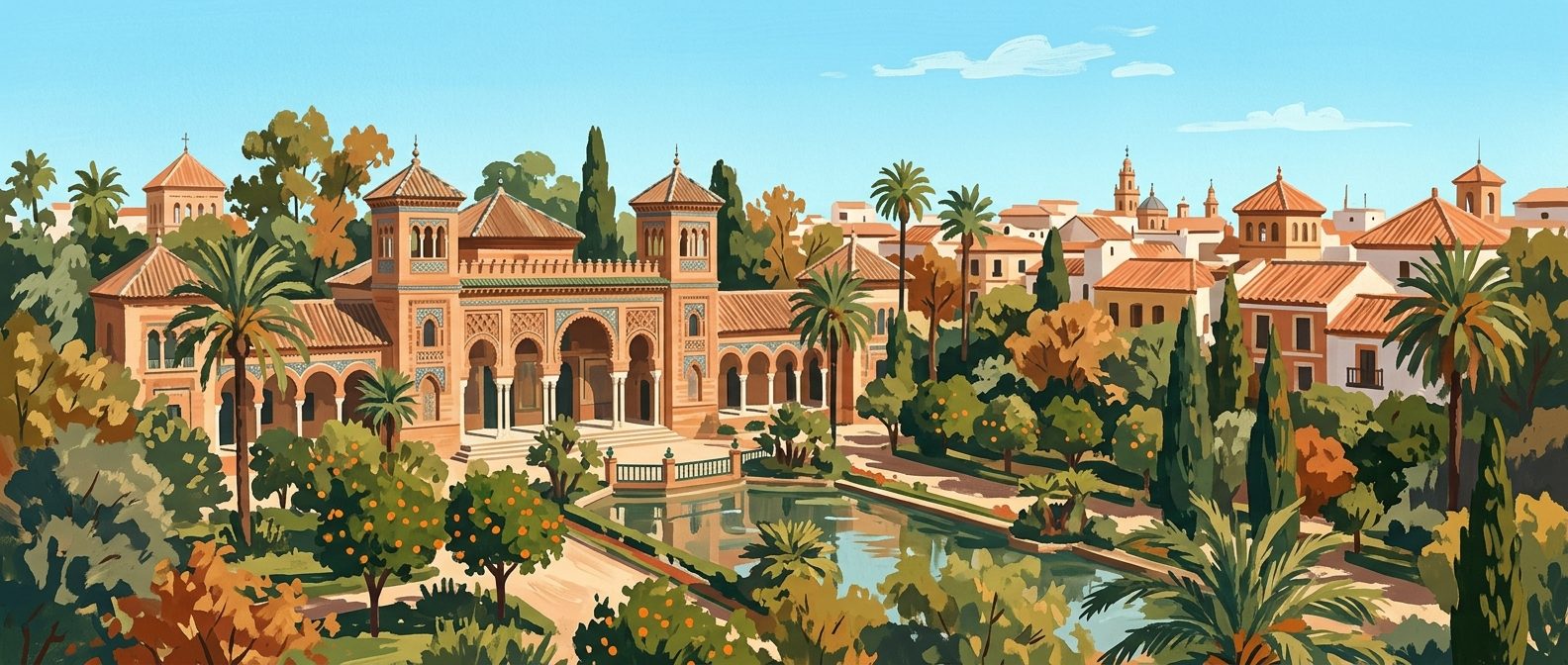
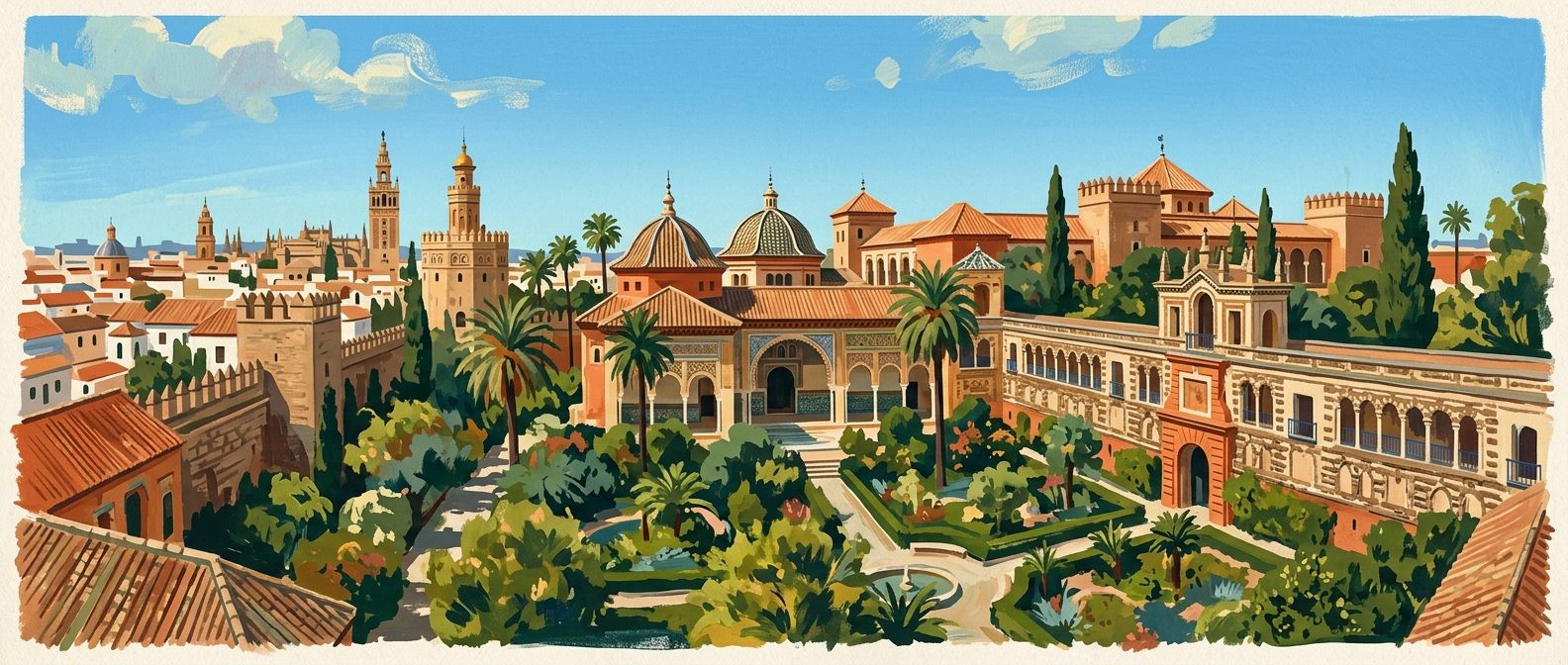
After navigating the vast, sunlit expanse of the square, the adjacent María Luisa Park offers immediate relief with deep shade beneath mature trees and quiet, tiled fountains. If you prefer to continue exploring Sevilla's monumental architectural heritage, head slightly north towards the historic core. It is a highly rewarding, level walk to the Real Alcázar de Sevilla. From the palace gardens, you can easily wander into the shaded, winding labyrinth of Barrio Santa Cruz, or finish your morning by exploring Sevilla Cathedral and the Giralda Tower.
Nearby worth your time
A few well-placed stops for extending the day without turning it into a checklist.
Continue through Sevilla City
Step back into the wider landscape with local guides, nearby places and the province overview.
Things to do · 9 min
The Definitive Guide to Feria de Abril in Sevilla
Discover the cultural nuances, strict dress codes, and insider advice for navigating Sevilla's exclusive spring fair like a seasoned local.
Things to do · 10 min
Golf in Sevilla Province: Courses, Holidays and Local Pro Shops
Swap the crowded coastal fairways for the refined courses of Sevilla province. Discover top layouts designed by golfing legends, local shops, and expert tips for your next trip.
Itinerary · 13 min
One Week in Sevilla: A Complete Seven Days Itinerary
Spending a full week in Sevilla allows you to slow down and adopt the local rhythm. You can explore the monumental centre, wander through neighbourhood markets, and take the train to nearby Andalucían cities without feeling rushed.