
attraction · Sevilla
Plaza de Toros de la Real Maestranza de Caballería de Sevilla
Andalucía 365 · Updated 18 July 2026
Our Verdict
“Regardless of your stance on the events it hosts, the Real Maestranza is an essential architectural and historical site. The museum offers unmatched context for Andalucían traditions, while the sheer scale of the Baroque arena provides a fascinating, candid look into the opulent and perilous world of Spanish bullfighting.”
Last verified: July 2026
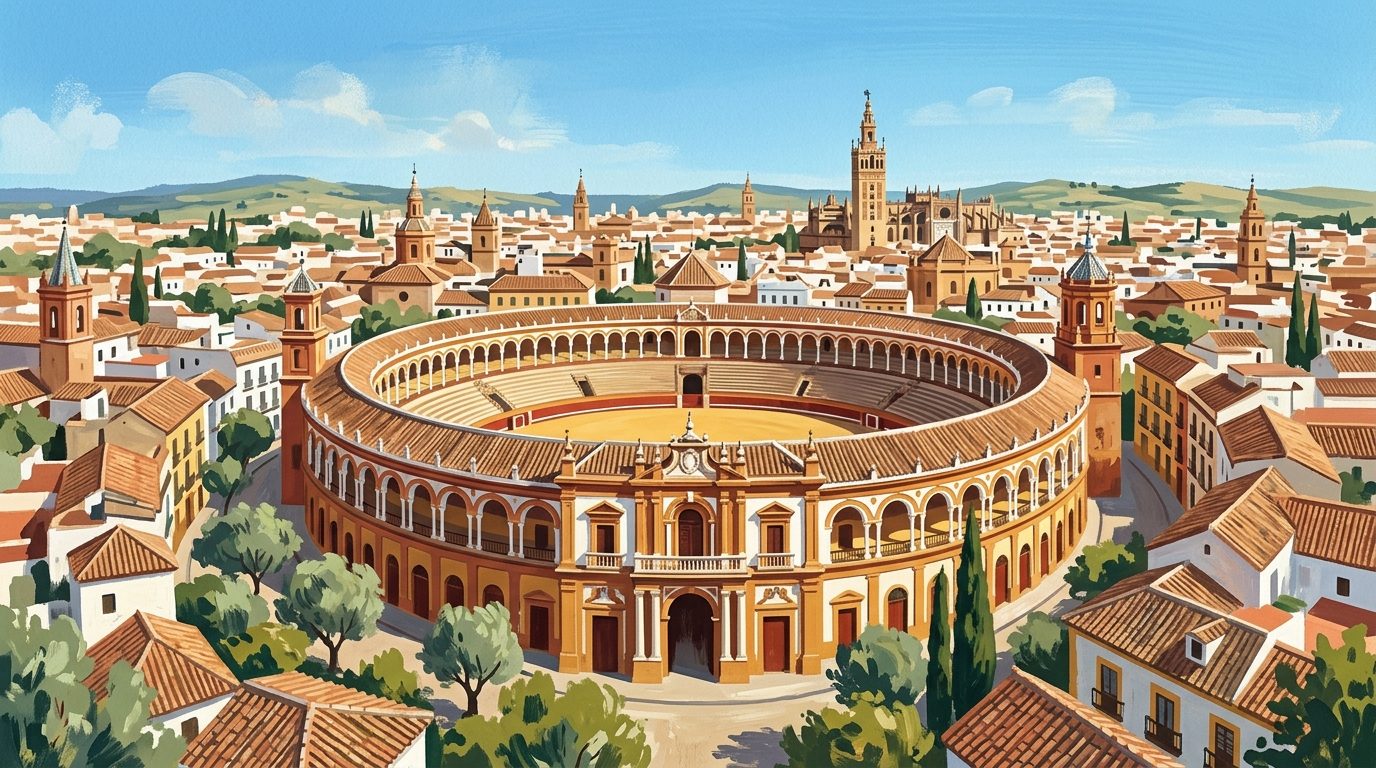
Stepping onto the bright yellow crushed limestone of the Plaza de Toros de la Real Maestranza reveals a structure of immense cultural weight. Construction of this late Baroque arena began in 1761 and took 120 years to complete, resulting in a slightly asymmetrical oval dominating the banks of the Guadalquivir river. As headquarters for a noble order dating to 1670, the building is more than a sporting venue. It stands as a museum of social history and a definitive landmark of the Andalucían capital. Visitors will find a meticulously maintained arena, a dedicated museum, and intimate backstage areas including stables and a private chapel. A candid assessment acknowledges the divisive nature of the spectacle. However, as an architectural and historical experience, the Maestranza offers an unparalleled window into the traditions of southern Spain. This attraction suits travellers interested in noble heritage and the complex cultural history of the Iberian Peninsula.
The Architecture of the Arena
The scale of the arena, known as the coso, becomes apparent the moment you pass through the shaded arcades. The circular structure holds up to 12,000 spectators and is uniquely asymmetrical due to its prolonged construction period across the eighteenth and nineteenth centuries. The ground is covered in albero, the distinct yellow sand sourced from the nearby Alcalá de Guadaíra, which is also used throughout the parks and grand avenues of Sevilla.
Among the most prominent architectural features is the Palco del Príncipe, or Prince's Balcony. Reserved exclusively for the Spanish Royal Family, this intricate stone box features a distinctive tiled roof and stands as the visual focal point of the seating tiers. Directly below it is the Puerta del Príncipe, the prestigious Prince's Gate. In the world of bullfighting, being carried out through this gate on the shoulders of the crowd is the highest honour a matador can achieve, requiring a performance of exceptional technical skill and bravery.
Inside the Bullfighting Museum
Located beneath the tiered seating, the museum provides a chronological journey through the history of the spectacle. The exhibition rooms, inaugurated in their current form by the Spanish royal family in 2008, house one of the most significant collections of tauromaquia art globally. Visitors can examine intricate trajes de luces, or suits of lights, worn by legendary matadors, alongside historical capes, swords, and centuries-old promotional posters.
The gallery sections are particularly notable for their fine art. The collection includes eighteenth and nineteenth-century oil paintings by romantic artists such as Eugenio Lucas and Mariano Fortuny. A significant highlight is the display of original prints by Francisco de Goya, specifically from his famous tauromaquia series, which document how the tradition transitioned from an aristocratic exercise performed on horseback to the modern style executed on foot.
Stables and the Chapel
Beyond the public spectacle of the arena floor, the tour grants access to functional areas where preparations take place. The Patio de Caballos is a striking courtyard where the ceremonial horses and picadores prepare before entering the ring. This area underscores the practical reality of the events, connecting the grandeur of the architecture to the physical requirements of the spectacle.
Adjacent to these preparation areas is the Capilla de los Toreros, the private chapel where matadors pray before a fight. Dedicated to the Virgin of Charity, the chapel is an intimate space filled with religious iconography and personal offerings left by performers over the decades. The contrast between the silent reverence of the chapel and the anticipated roar of the arena provides a sobering perspective on the risks involved in the tradition.
The Visitor Experience and Accessibility
Touring the Real Maestranza is primarily a self-guided experience supported by a comprehensive audio guide. The narration is well-paced, available in multiple languages, and provides essential context regarding the symbolism of the architecture and the nuances of the art collection. A thorough visit, covering the museum rooms, the backstage courtyards, and a walk around the stands, typically takes between 60 and 90 minutes.
Terrain varies significantly throughout the complex. While the museum and the main courtyards are generally flat and navigable, accessing the viewing stands requires negotiating steep, uneven stone steps. Furthermore, the arena floor consists of loose, deep sand. Sturdy footwear is highly recommended, as the surfaces can be difficult to manage in sandals or heels. Open-air sections offer very little shade, making a morning visit advisable to avoid the intense Andalucían heat. To plan your itinerary, confirm live details on the official website, as public access is often restricted on days when events are scheduled.
Finding the Plaza and Nearby Pairings
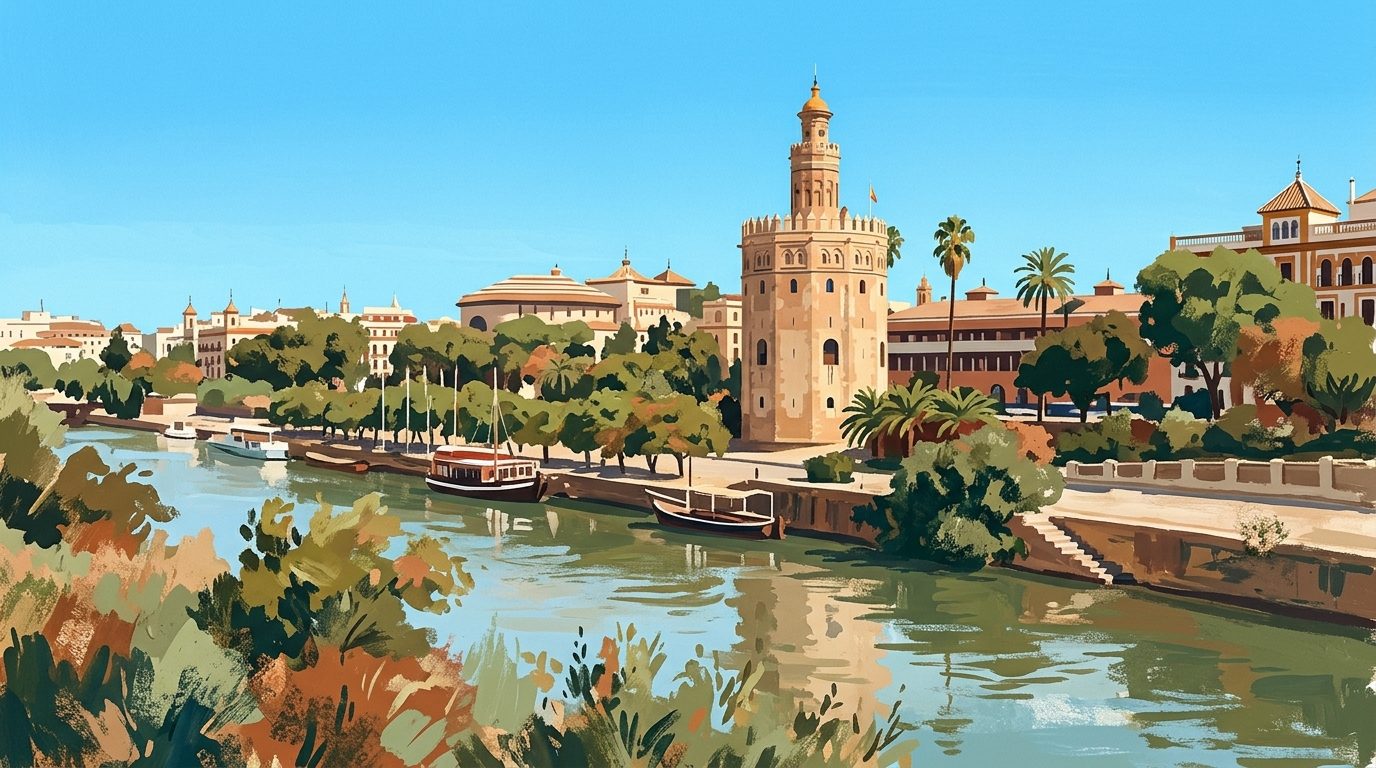
The bullring is located on the Paseo de Cristóbal Colón, a broad avenue running parallel to the Guadalquivir river in the historic Arenal district. It is highly accessible on foot, situated just a short walk from the monumental core of the city. If you are arriving by car, the most convenient option is the underground Parking Paseo de Colón, which sits directly in front of the main entrance.
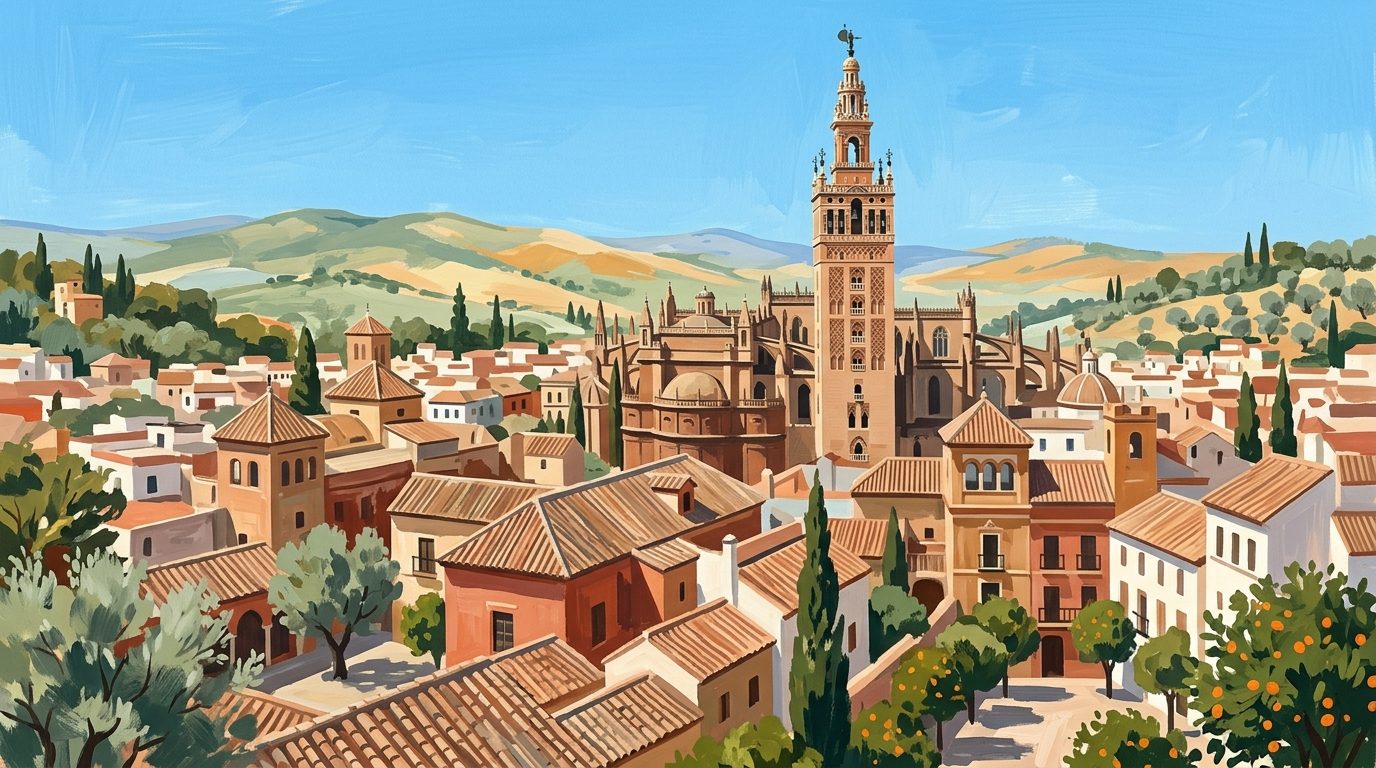
To make the most of your time, cross the nearby Puente de Isabel II into the Triana district, an area intrinsically linked to the Maestranza. You can read more in our guide to Discovering Triana: The Soul of Sevilla Beyond the River. Triana is historically home to famous matadors, ceramics workshops, and flamenco venues. Alternatively, stay on the same side and walk ten minutes inland to the monumental core, detailed in our guide to Exploring Sevilla Cathedral and the Giralda Tower. For a broader view, see The Soul of the South: An Insider’s Guide to Sevilla City.
Nearby worth your time
A few well-placed stops for extending the day without turning it into a checklist.
Continue through Sevilla City
Step back into the wider landscape with local guides, nearby places and the province overview.
Things to do · 9 min
The Definitive Guide to Feria de Abril in Sevilla
Discover the cultural nuances, strict dress codes, and insider advice for navigating Sevilla's exclusive spring fair like a seasoned local.
Things to do · 10 min
Golf in Sevilla Province: Courses, Holidays and Local Pro Shops
Swap the crowded coastal fairways for the refined courses of Sevilla province. Discover top layouts designed by golfing legends, local shops, and expert tips for your next trip.
Itinerary · 13 min
One Week in Sevilla: A Complete Seven Days Itinerary
Spending a full week in Sevilla allows you to slow down and adopt the local rhythm. You can explore the monumental centre, wander through neighbourhood markets, and take the train to nearby Andalucían cities without feeling rushed.