
attraction · Sevilla
Royal Alcázar of Seville
Andalucía 365 · Updated 18 July 2026
Our Verdict
“The Royal Alcázar is an architectural masterpiece that justifies its immense popularity. The fusion of Islamic and Christian design is visually spectacular, but the relentless crowds can be exhausting. Book your tickets weeks in advance, skip the restrictive upper apartments, and focus your energy on the intricate Mudéjar courtyards and expansive gardens.”
Last verified: July 2026
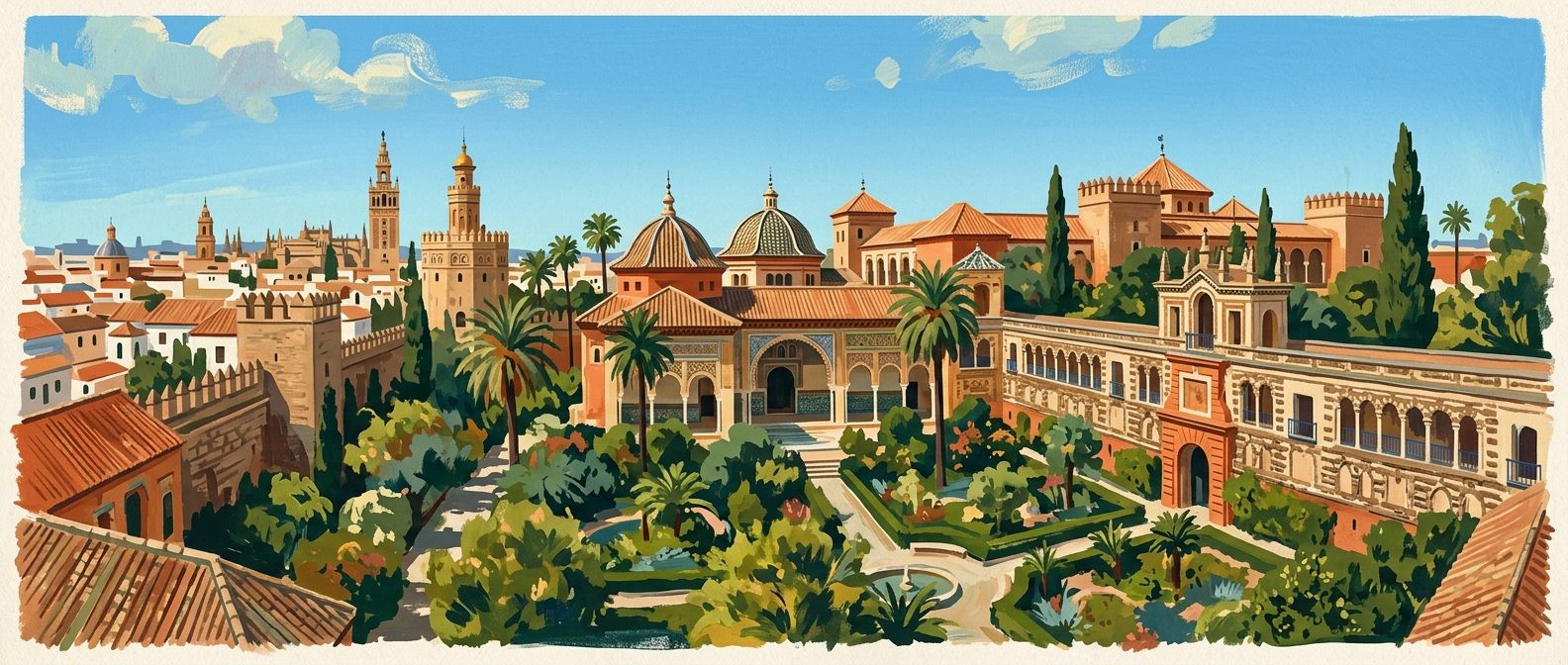
Water drops echo softly against the ancient vaulted ceilings of the Baños de María de Padilla, cooling the heavy summer air beneath one of Andalucía's most extraordinary architectural complexes. The Royal Alcázar of Sevilla stands as a physical timeline of the city's complex history. Moving from its origins as an Islamic fort to its transformation under Castilian monarchs, it remains the oldest royal palace still in active use on the continent. A striking hybrid of Islamic and Christian aesthetics, the site primarily showcases intricate Mudéjar craftsmanship alongside Gothic, Renaissance, and Baroque additions. This site suits anyone interested in historical craftsmanship, landscape architecture, or European monarchy.
This UNESCO World Heritage site is an expansive maze of ornate courtyards, gilded halls, and sprawling gardens. It demands attention not just for its grand scale, but for the obsessive detail of its plasterwork and carved wooden ceilings. Visitors wander through rooms where Spanish kings plotted empires and where modern film crews famously recreated the Kingdom of Dorne for the television series Game of Thrones.
The sheer size of the complex can be overwhelming, and the crowds are notoriously intense. You do not need to be an art historian to appreciate the visual spectacle, but visiting without a clear plan means you will spend more time battling tour groups than admiring the architecture.
Mudéjar Masterpieces and Palatial Halls
The aesthetic heart of the Alcázar is the Palacio del Rey Don Pedro. Built in the 14th century, it houses some of the finest surviving Mudéjar architecture in the world. The architectural centrepiece is the Patio de las Doncellas, or Courtyard of the Maidens. A long, serene reflecting pool runs down the middle, flanked by sunken gardens and multi-lobed arches. The lower walls are clad in traditional azulejos, complex geometric tilework crafted by artisans from Granada.
Adjacent to this courtyard is the Salón de Embajadores, the Ambassadors' Hall. This room was designed to physically awe visitors and demonstrate the absolute power of the Castilian monarchy through Islamic artistic traditions. Look up to see a spectacular golden cedar-wood dome intended to represent the universe.
The Royal Apartments
For those with a deep interest in the Spanish monarchy, the Cuarto Real Alto offers a glimpse into the rooms still utilised by the Royal Family when they visit Sevilla. These upper apartments, managed by Patrimonio Nacional, require a separate entry ticket. While the historical significance of this upper floor is undeniable, the interiors are heavily furnished in a 19th-century style and lack the breathtaking Moorish details of the lower levels. For many independent travellers, exploring the main palaces and expansive gardens provides a more than sufficient experience without navigating the additional entry requirements.
Historic Gardens and Underground Baths
Spanning several centuries of landscape design, the Alcázar gardens offer a shaded retreat from the relentless Sevillian sun. The grounds are vast, blending formal Renaissance hedges with wilder, peacock-roaming walkways.
Key features include the Baños de María de Padilla, which are not true baths but vaulted rainwater tanks located beneath the Patio del Crucero. The still water creates atmospheric, mirror-like reflections. Above ground, the Galería de Grutescos is an elevated walkway built into an old Almohad wall. This gallery provides panoramic views over the lower gardens and the manicured maze. Nearby, the Mercury Pond is a large raised pool featuring a bronze statue of the messenger god, adding a classical touch to the Moorish foundations.
Practicalities and Accessibility
Located in the heart of the historic centre, the Alcázar is surrounded by pedestrianised streets. Driving directly to the entrance is impossible, so visitors should arrive on foot or take the local tram to the Archivo de Indias stop.
Demand is exceptionally high year-round. It is entirely essential to secure your entry slot online well in advance. For current entry rules, official ticketing, and scheduled closures, consult the official Royal Alcázar website.
Regarding accessibility, the palace management provides ramps on the ground floor to bypass steps, and an elevator connects the primary levels. However, the historic nature of the site means visitors will encounter mixed terrain. The palaces feature smooth polished stone and aged tiles, while the gardens rely heavily on gravel paths and occasional uneven steps. If mobility is a concern, plan a route that clusters the central patios first, taking advantage of the seating found in the shaded galleries.
Planning Your Day in Sevilla
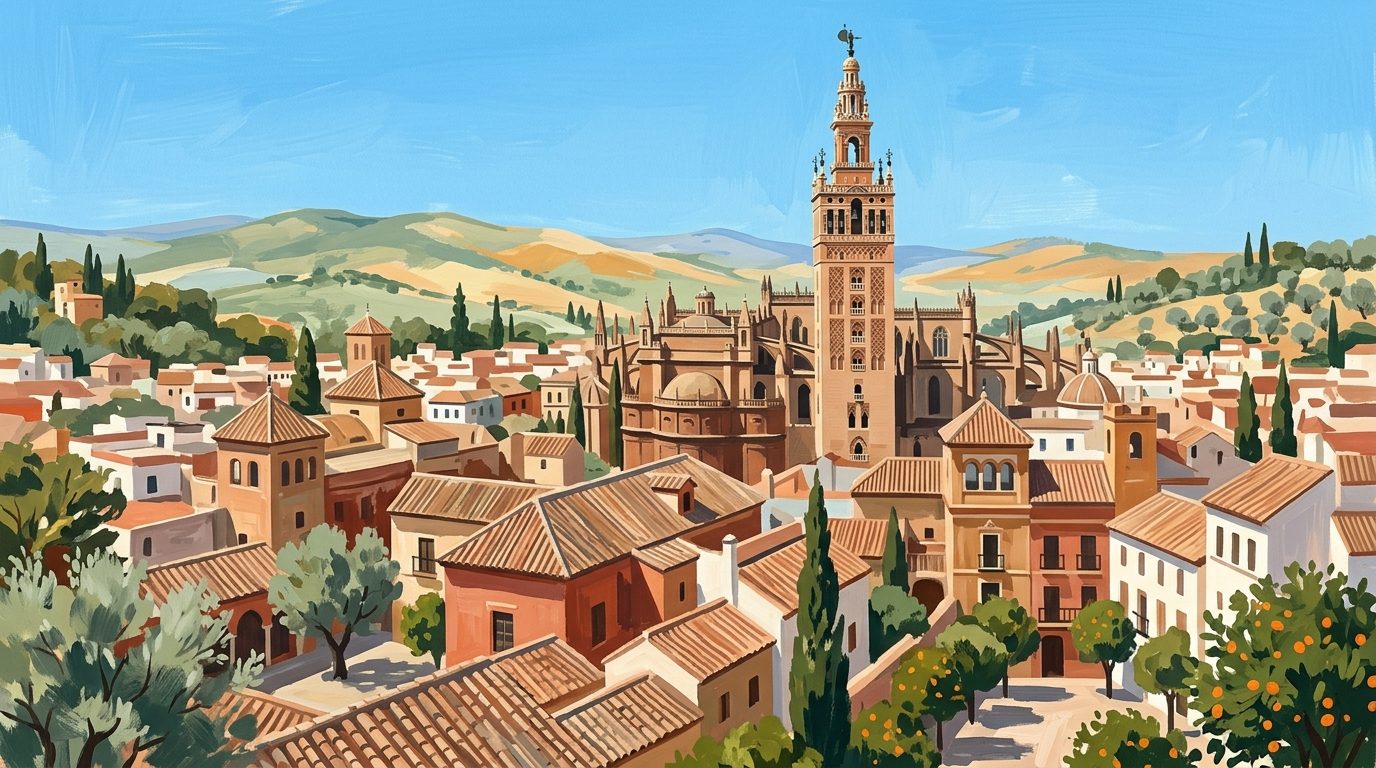
Given the two to three hours required to properly tour the complex, it is wise to balance your day with a slower-paced activity. After navigating the royal crowds, step out into the adjacent neighbourhood to enjoy The Heart of Sevilla: A Guide to Barrio Santa Cruz. Alternatively, cross the plaza to complete your historical deep-dive by Exploring Sevilla Cathedral and the Giralda Tower. If you are following A Long Weekend in Sevilla: The Definitive Four Days Itinerary, consider booking your Alcázar visit for the first entry slot of the morning. Once finished, you can escape the midday heat and read up on Beyond the Tourist Menus: An Insider's Guide to Eating in Sevilla to find a well-deserved traditional lunch.
Nearby worth your time
A few well-placed stops for extending the day without turning it into a checklist.
Continue through Sevilla City
Step back into the wider landscape with local guides, nearby places and the province overview.
Things to do · 9 min
The Definitive Guide to Feria de Abril in Sevilla
Discover the cultural nuances, strict dress codes, and insider advice for navigating Sevilla's exclusive spring fair like a seasoned local.
Things to do · 10 min
Golf in Sevilla Province: Courses, Holidays and Local Pro Shops
Swap the crowded coastal fairways for the refined courses of Sevilla province. Discover top layouts designed by golfing legends, local shops, and expert tips for your next trip.
Itinerary · 13 min
One Week in Sevilla: A Complete Seven Days Itinerary
Spending a full week in Sevilla allows you to slow down and adopt the local rhythm. You can explore the monumental centre, wander through neighbourhood markets, and take the train to nearby Andalucían cities without feeling rushed.