
attraction · Sevilla
Seville Museum of Fine Arts
Andalucía 365 · Updated 18 July 2026
Our Verdict
“Housed in a spectacular 17th-century convent, this definitive collection of Andalucían painting offers a quiet retreat from the busy streets. While the heavy focus on religious iconography requires a specific interest, the monumental works of Murillo and Zurbarán make it an essential stop for anyone studying the Spanish Golden Age.”
Last verified: July 2026
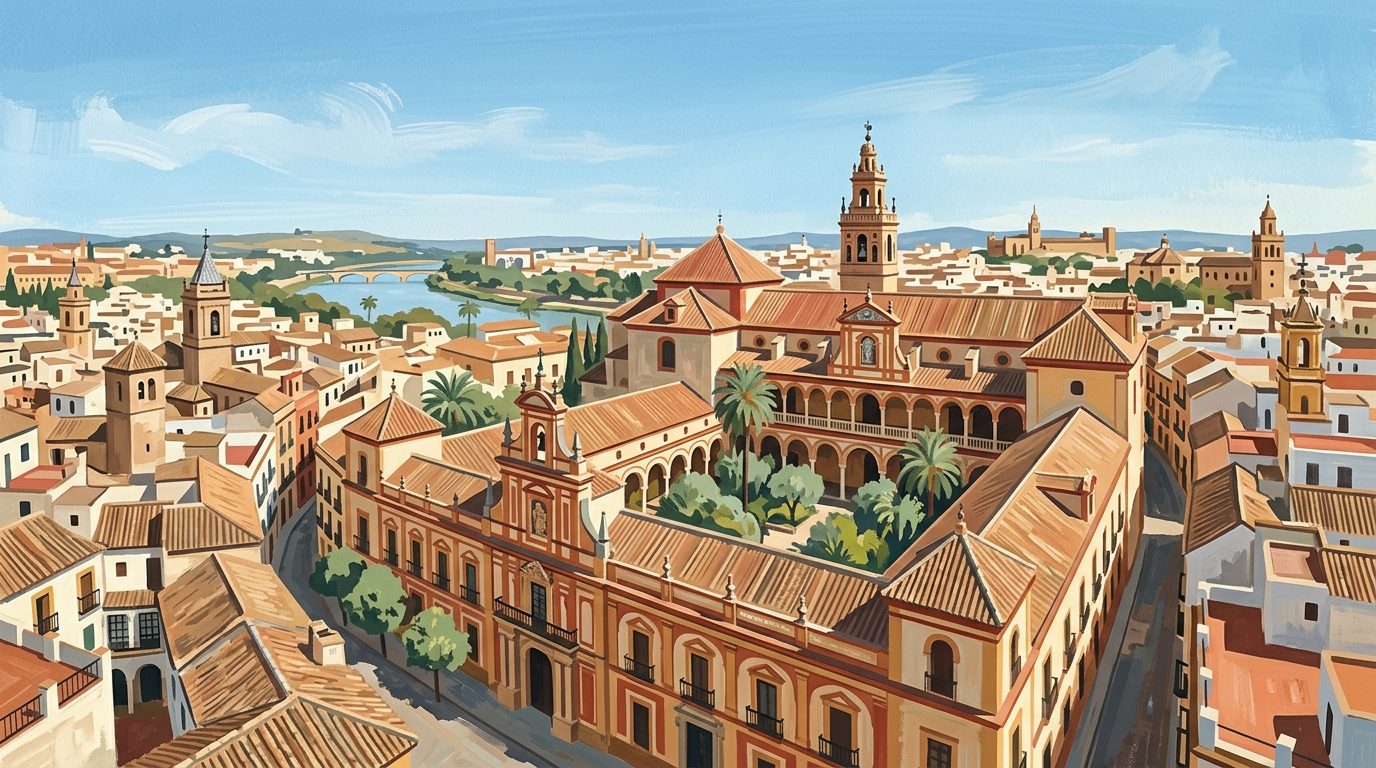
Beneath the distinctive ochre and crimson facade of the former Convento de la Merced Calzada lies the definitive collection of Andalucían painting. Stepping off the sunlit Plaza del Museo, visitors immediately encounter a profound shift in atmosphere. The thick stone walls of this 17th-century Mannerist complex enclose quiet cloisters lined with intricate ceramics, framing a collection that historians routinely rank as the second most important art gallery in Spain, trailing only the Prado in Madrid. For those willing to look beyond the immediate architectural draw of the city, the Museo de Bellas Artes de Sevilla provides an extraordinary masterclass in the spiritual intensity and technical brilliance of the Spanish Golden Age.
The Legacy of the Sevillian School
The prestige of the museum rests heavily on its unparalleled concentration of 17th-century Sevillian Baroque masters. As the city grew rich on trade with the Americas, its religious institutions commissioned art of astonishing scale and emotional weight. Bartolomé Esteban Murillo anchors the collection. His massive, luminous canvases define the era, capturing both divine softness and earthly realism, most notably in his sweeping depictions of the Immaculate Conception. In stark contrast, Francisco de Zurbarán offers an austere, sculptural perspective. His portraits of Carthusian monks emerge from deep shadow with striking psychological intensity, focusing on themes of monastic silence, fasting, and spiritual discipline. Meanwhile, Juan de Valdés Leal provides the era with its darker, visceral edge. His dynamic, dramatic compositions serve as stark reminders of mortality and the fleeting nature of earthly success, challenging viewers with their unfiltered intensity. Together, these three artists map the spiritual and cultural evolution of Sevilla at the height of its imperial wealth.
Inside the Convento de la Merced
The physical structure of the museum is as compelling as the historic canvases it holds. The esteemed architect Juan de Oviedo y de la Bandera redesigned the complex in the early 17th century, masterfully organising the spaces around three distinct courtyards. Visitors enter near the Patio del Aljibe, a functional domestic space once used to collect rainwater, which is now adorned with salvaged traditional Sevillian tilework. The route progresses seamlessly through the elegant Patio de los Bojes and the expansive Claustro Mayor. These meticulously restored open-air spaces offer a necessary visual rest between the intense religious iconography of the adjoining galleries. The undeniable climax of the ground floor is Room V, the cavernous former convent church. Here, the largest altarpieces and devotional paintings are displayed in the exact ecclesiastical context for which they were originally scaled. Connecting the ground floor to the upper galleries is a monumental imperial staircase, featuring a magnificent vaulted ceiling and elaborate plasterwork that effortlessly demands attention as visitors ascend.
A Candid Assessment
While the artistic pedigree is unquestionable, the museum requires a specific mindset. The overwhelming focus on religious subjects, saints, and martyrdoms can feel repetitive to those without a keen interest in Catholic iconography or art history. There are minimal interactive exhibits or modern curatorial flourishes. Instead, the appeal lies in the quiet, contemplative atmosphere. Compared to the dense queues at the royal palaces, such as those detailed in Exploring the Real Alcázar de Sevilla: A Guide to Europe’s Oldest Royal Palace, this gallery remains remarkably peaceful. It rewards slow observation and provides a cool, shadowed retreat during the oppressive heat of the Andalucían afternoon.
How to Visit
Plan to spend between two and three hours thoroughly exploring the 14 rooms. The ground floor houses the mediaeval, Renaissance, and primary Baroque works, while the upper floor shifts focus toward 19th-century romanticism, costumbrismo, and 20th-century Spanish painting. A strategic approach involves heading directly to Room V upon arrival. This allows you to experience the massive Murillo altarpieces in relative solitude before larger tour groups assemble later in the morning. The plaza outside hosts a weekly art market on Sunday mornings, which adds a lively atmosphere to the area but predictably increases local foot traffic. As institutional policies, seasonal schedules, and temporary exhibition spaces occasionally fluctuate, you should confirm all current admission criteria directly through the official website of the Museo de Bellas Artes de Sevilla.
Accessibility and Terrain
The museum accommodates visitors with restricted mobility exceptionally well. The transition from religious space to public gallery included significant accessibility upgrades. The ground floor, including the courtyards and the former church, features smooth paving and flat transitions between rooms. Ramps and modern lifts provide full access to the upper galleries, ensuring wheelchair users and those with pushchairs can navigate the entire collection without encountering stairs. The Plaza del Museo outside is equally flat and pedestrian-friendly.
Sensible Nearby Pairings
To balance the intense religious focus of the gallery, you can easily walk to the river or explore the broader cultural landscape of the city. A highly recommended follow-up is The Soul of the South: An Insider’s Guide to Sevilla City, which provides context for the historical streets surrounding the museum. Alternatively, to see how the monumental scale of Sevillian architecture applies to active worship, head towards the centrepiece of the city. By Exploring Sevilla Cathedral and the Giralda Tower, you can observe the grand religious structures that originally housed many of the artistic styles displayed in the museum. After a morning of art history, you will likely need a substantial lunch. Reading Beyond the Tourist Menus: An Insider's Guide to Eating in Sevilla will point you towards authentic tapas bars away from the immediate tourist thoroughfares.
Nearby worth your time
A few well-placed stops for extending the day without turning it into a checklist.
Continue through Sevilla City
Step back into the wider landscape with local guides, nearby places and the province overview.
Things to do · 9 min
The Definitive Guide to Feria de Abril in Sevilla
Discover the cultural nuances, strict dress codes, and insider advice for navigating Sevilla's exclusive spring fair like a seasoned local.
Things to do · 10 min
Golf in Sevilla Province: Courses, Holidays and Local Pro Shops
Swap the crowded coastal fairways for the refined courses of Sevilla province. Discover top layouts designed by golfing legends, local shops, and expert tips for your next trip.
Itinerary · 13 min
One Week in Sevilla: A Complete Seven Days Itinerary
Spending a full week in Sevilla allows you to slow down and adopt the local rhythm. You can explore the monumental centre, wander through neighbourhood markets, and take the train to nearby Andalucían cities without feeling rushed.