
attraction · Sevilla
Torre del Oro
Andalucía 365 · Updated 18 July 2026
Budget
Our Verdict
“The Torre del Oro pairs a compact naval museum with some of the best river views in Sevilla. While the maritime exhibits are traditional and mostly in Spanish, the short climb and lack of heavy crowds make its rooftop terrace a rewarding, stress-free stop for architecture and photography lovers.”
Last verified: July 2026
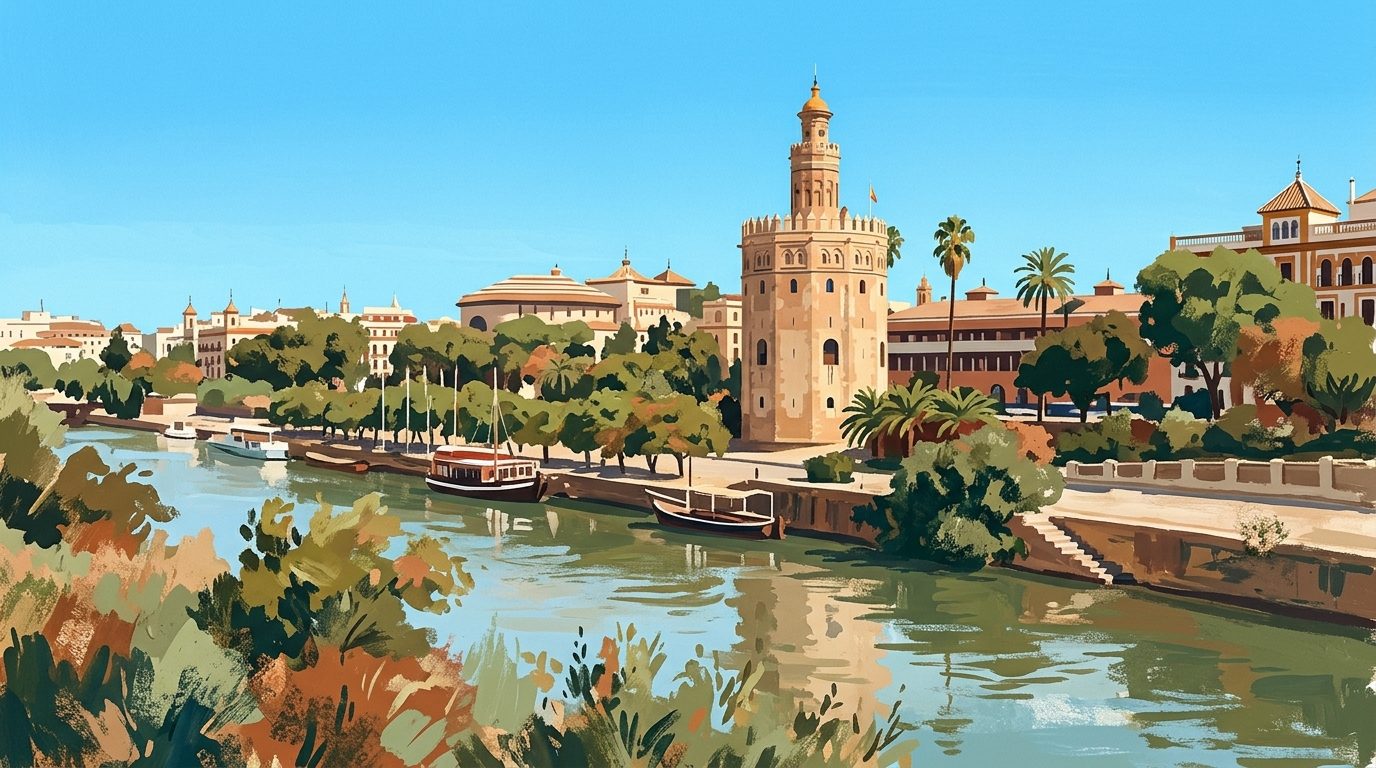
Standing on the left bank of the Guadalquivir River, the Torre del Oro is one of the most recognisable landmarks in Andalucía. Built between 1220 and 1221 by the Almohad governor Abu l-Ulà, this dodecagonal military watchtower served as a critical defensive point. Historically, tradition holds it controlled access to the port of Sevilla via a heavy chain stretched across the water to impede enemy ships. Contrary to popular legend, the tower's name does not derive from gold tiles or hoarded New World treasure. Instead, recent archaeological restorations confirm the famous golden reflection on the river was caused by its original exterior facing of lime mortar and pressed straw. Having survived centuries of conflict, structural additions, and the catastrophic 1755 Lisbon earthquake, the tower now houses a compact naval museum and provides an accessible vantage point for panoramic views across the city.
A Fortress on the Guadalquivir
The Torre del Oro is an architectural timeline of Sevilla. Visitors can clearly identify the three distinct bodies of the tower from the outside. The first two twelve-sided levels form the original Almohad structure, constructed between 1220 and 1221 by the governor Abu l-Ulà. During its early years, a heavy wall known as a coracha connected the tower to the Torre de la Plata and the wider fortifications of the Real Alcázar, creating a formidable barrier. Finally, the small circular turret at the very top, crowned with a tiled dome, was completed in 1760 by the military engineer Sebastián Van der Borcht. Together, these layers reflect the evolution of the city from an Islamic stronghold to the mercantile capital of the Spanish Empire. Today, the monument remains a vital anchor on the Paseo de Cristóbal Colón, linking the historic centre to the riverfront.
The Naval Museum
The interior of the tower contains the Museo Marítimo, spread across two levels. Handed over to the Spanish Navy in the late 19th century, the building opened as a museum in 1944. The exhibits detail the rich naval heritage of the city, focusing heavily on the era when Sevilla held a strict monopoly on trade with the Americas through the Casa de Contratación. The collection on the lower floor covers the history of the tower itself, alongside significant maritime models such as the Real Fernando, the first steamboat constructed in Spain. The first floor broadens the scope to the wider history of the Spanish Navy, charting the Age of Discovery and scientific exploration. Displays include historical navigational instruments, early sea charts, astrolabes, compasses, and portraits of influential naval figures. This museum provides vital context for how the Guadalquivir River acted as the gateway to the New World, shaping the economic and political fortune of the region before trade eventually shifted to the deeper port of Cádiz.
The Rooftop and River Views
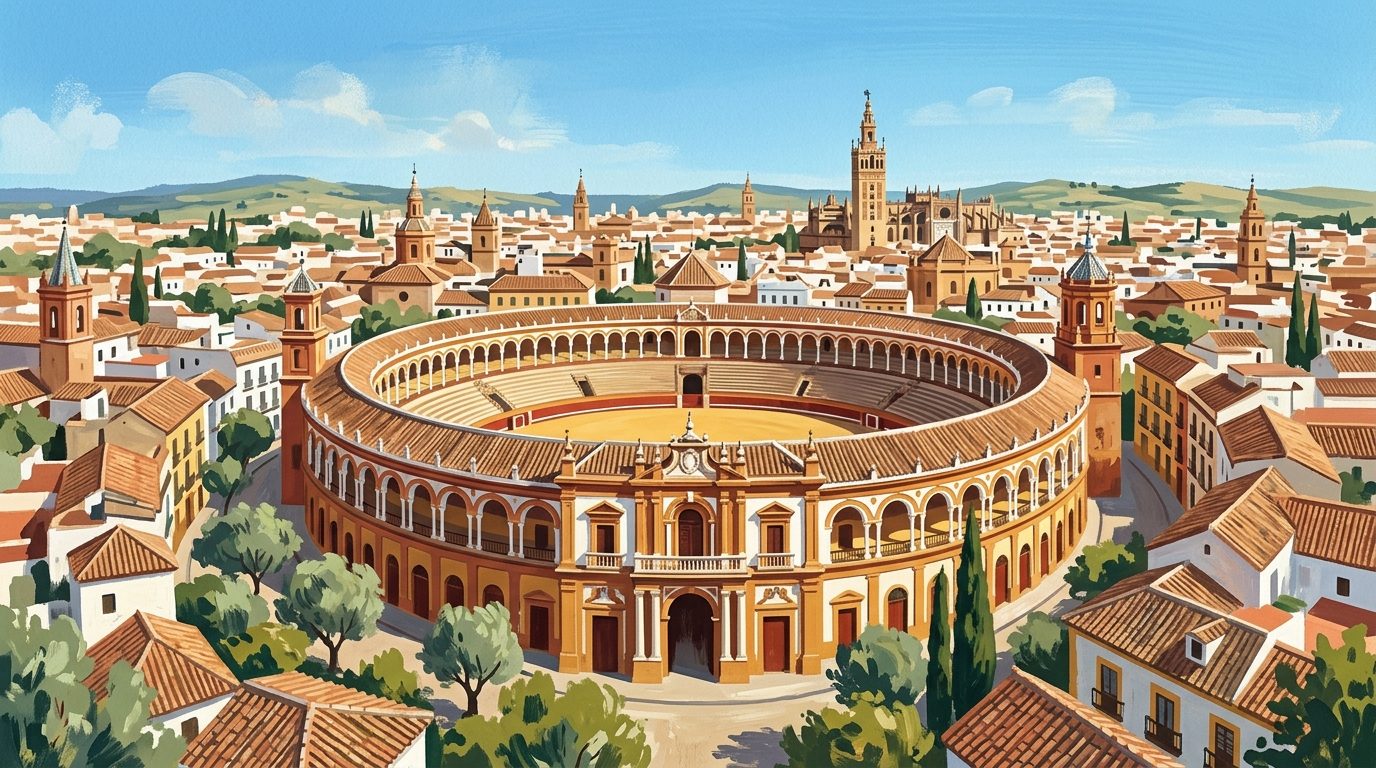
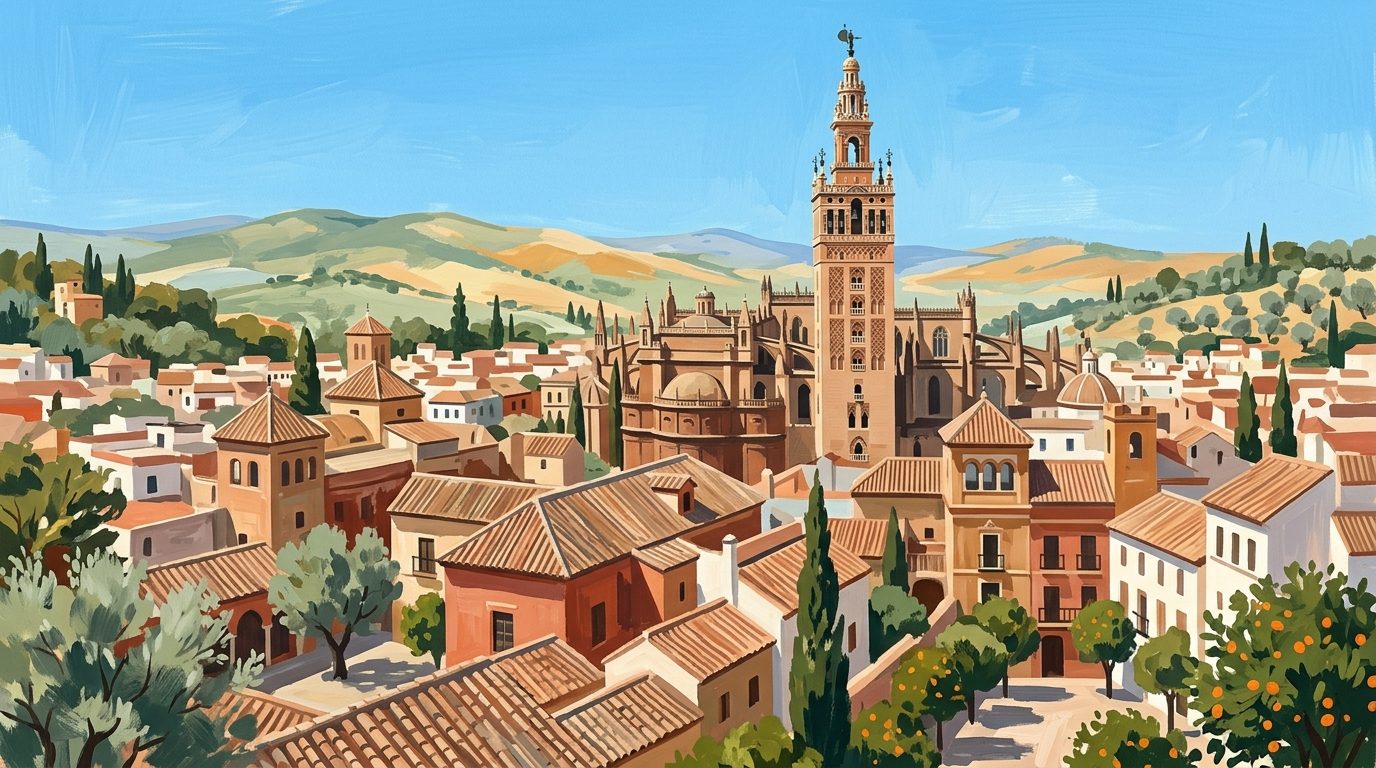
After exploring the museum, visitors ascend to the upper terrace. This outdoor gallery offers a clear perspective of the active river traffic, the Puente de San Telmo, and the famous colourful facades of Calle Betis lining the opposite bank. It is an excellent spot to photograph the Maestranza bullring from a unique angle, away from the crowded city centre streets. For those exploring Sevilla City, this terrace is highly recommended. It offers rewarding city views without the lengthy queues and steep ramps often found when visiting Sevilla Cathedral and the Giralda Tower. The gentle breeze off the Guadalquivir makes this rooftop particularly pleasant during the late afternoon, as the sun begins to set over the western side of the river.
Candid Assessment
The Torre del Oro is an essential stop for anyone walking the riverfront promenade, though expectations should be managed regarding the museum itself. The naval exhibits are entirely traditional, heavily focused on maritime minutiae, and primarily signed in Spanish. Visitors who are not dedicated maritime buffs might find the interior displays slightly dry. However, the true value of the attraction lies in its layered architecture and the rooftop terrace. The climb is short, and the tower is rarely as overwhelmed by large tour groups as other major monuments. This makes it a highly reliable option for a relaxed visit and excellent travel photography.
Practicalities and Accessibility
The tower is centrally located near the Puerta de Jerez metro station, which is a five-minute walk away. Numerous urban bus lines stop in the immediate vicinity on the Paseo de Cristóbal Colón, and public car parks are available nearby. Accessing the upper museum levels and the rooftop requires climbing narrow, stone-stepped staircases. Consequently, the upper sections are not accessible for wheelchair users or those with significant mobility impairments, and sensible footwear is strongly advised for navigating the historic steps. Visitors should consult the official Torre del Oro website to confirm live details, opening times, and the specific day of the week allocated for free entry.
What to Do Nearby
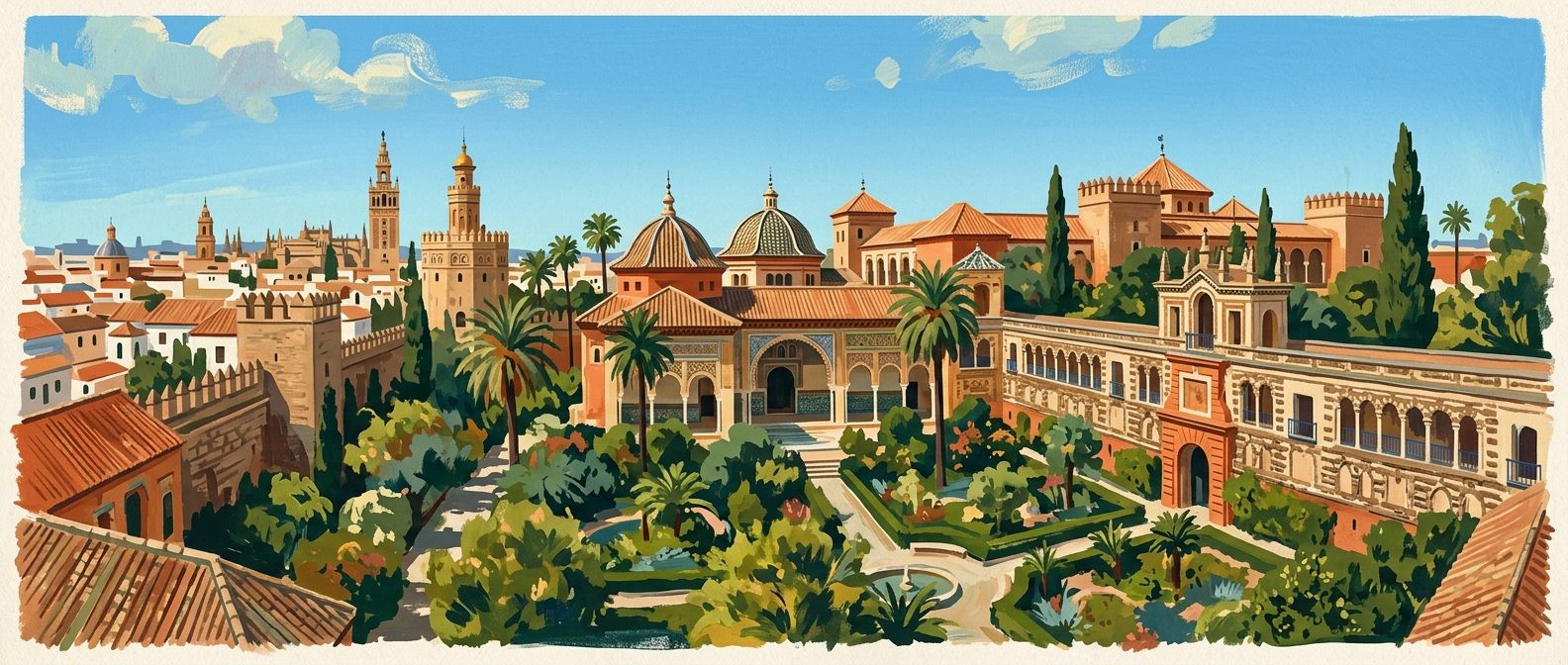
The immediate riverfront is perfect for a gentle stroll beneath the palm trees. The main boat tour docks are located immediately adjacent to the tower, offering easy access to sightseeing cruises and water sports in Sevilla. Just across the Puente de San Telmo, visitors can spend the afternoon discovering Triana. This distinct neighbourhood, famous for its deep seafaring roots and artisanal ceramics, provides an authentic contrast to the monumental grandeur of the historic centre. Alternatively, the shady gardens of the Real Alcázar are only a short walk inland from the tower.
Nearby worth your time
A few well-placed stops for extending the day without turning it into a checklist.
Continue through Sevilla City
Step back into the wider landscape with local guides, nearby places and the province overview.
Things to do · 9 min
The Definitive Guide to Feria de Abril in Sevilla
Discover the cultural nuances, strict dress codes, and insider advice for navigating Sevilla's exclusive spring fair like a seasoned local.
Things to do · 10 min
Golf in Sevilla Province: Courses, Holidays and Local Pro Shops
Swap the crowded coastal fairways for the refined courses of Sevilla province. Discover top layouts designed by golfing legends, local shops, and expert tips for your next trip.
Itinerary · 13 min
One Week in Sevilla: A Complete Seven Days Itinerary
Spending a full week in Sevilla allows you to slow down and adopt the local rhythm. You can explore the monumental centre, wander through neighbourhood markets, and take the train to nearby Andalucían cities without feeling rushed.