
attraction · Granada
Alcazaba Citadel
Andalucía 365 · Updated 18 July 2026
Our Verdict
“The Alcazaba of Guadix offers raw medieval military architecture and unmatched panoramic views over the city's troglodyte cave district. Though ongoing restorations mean the interior lacks polished exhibits, the imposing red rammed-earth walls and strategic hilltop setting remain deeply impressive for enthusiasts of Andalucían history.”
Last verified: July 2026
The Red Fortress of the Badlands
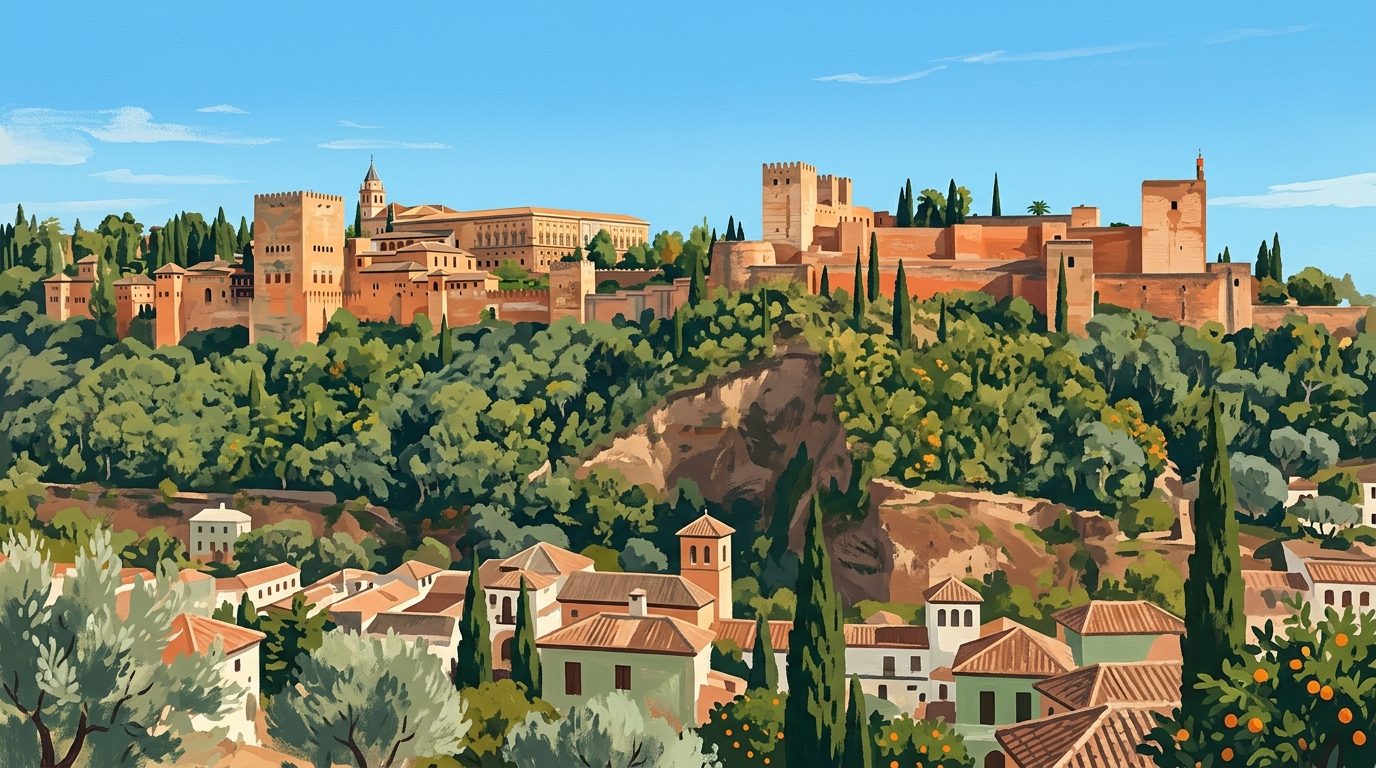
Rising high above the arid plains of eastern Andalucía, the Alcazaba of Guadix presents an imposing silhouette of reddish rammed earth against the sky. Constructed during the 11th century under the Zirid dynasty and expanded heavily by the Nasrids, this massive structure stands as a stark visual counterpoint to the whitewashed subterranean homes below. The fortress was designed as a crucial military stronghold, guarding vital trade routes that linked the coast with the inland territories of the southeast peninsula.
Why the Citadel Matters
For centuries, the Alcazaba functioned as a central piece of the defensive network protecting the region from the advancing Christian forces during the Reconquista. Its elevated position on the highest crest of the city provided medieval commanders with a strategic advantage, allowing them to oversee both the densely populated urban centre and the agricultural lands of the surrounding valley. Today, the monument acts as a physical timeline of military architecture. Ongoing archaeological excavations continue to unearth lost gateways, ancient staircases and original defensive walls, shedding light on the complex architectural evolution of the fortress.
What Visitors Actually See
Approaching the site, visitors are met by formidable external curtain walls punctuated by large defensive bastions. The construction primarily features tapial, a traditional rammed-earth technique that gives the monument its distinctive clay colour. As you walk the perimeter, the layers of history are clearly visible, with the original Islamic mixture of lime and stone sitting next to later structural reinforcements.
Inside the complex, the most dominant feature is the Torre del Homenaje, the square keep that anchors the upper enclosure. Recent restorations have cleared away modern additions to reveal the original Moorish entryways and defensive ramps. As you explore the facades, you will notice regular series of small, square cavities running across the walls. These are formwork tie holes, left behind by the transverse wooden beams that held the construction boards together when the original builders poured the rammed earth centuries ago, and they remain an authentic marker of medieval engineering.
Unrivalled Panoramic Views
The elevated ramparts provide the most spectacular vantage point in the region. Looking out from the accessible upper walls, visitors are presented with a direct view over the Barrio de las Cuevas. In this extraordinary neighbourhood, hundreds of white chimneys sprout vertically from the sculpted clay hillsides, marking the locations of underground homes.
To the south, the snow-capped peaks of the Sierra Nevada mountains create a dramatic horizon. In the immediate foreground, the massive Renaissance Cathedral of Guadix anchors the lower town. The juxtaposition of the ancient military fortress, the grand Christian cathedral and the troglodyte caves is striking. The viewpoints are particularly compelling during the late afternoon, when the low sun saturates the red clay of the fortress walls and casts long shadows across the badlands.
A Candid Assessment
The Alcazaba of Guadix is a visually striking monument with immense historical weight, but it remains a site in transition. Because archaeological works are frequently underway, the routing and accessible pathways continue to evolve as new discoveries are made. Furthermore, the interior spaces lack comprehensive museum exhibits or furnished historical rooms. Its appeal relies almost entirely on the raw scale of its military architecture and the extraordinary viewpoints it provides over the city. Travellers looking for interactive displays or fully restored palace rooms will be disappointed. However, enthusiasts of medieval fortifications and sweeping landscapes will find the stark, unpolished atmosphere deeply rewarding.
Terrain and Accessibility
Reaching the Alcazaba requires a degree of physical effort. The fortress occupies the summit of the old quarter, and visitors must ascend steep, narrow streets that wind through the historic centre. Driving directly to the entrance is difficult due to the tight medieval layout, making parking in the lower modern town near the cathedral a more practical strategy.
Inside the fortress grounds, the terrain consists of uneven stone steps, loose dirt paths and exposed ancient walls. Because of these historic gradients and the total lack of modern lift infrastructure, the monument is not accessible for wheelchair users or individuals with significant mobility impairments. Sturdy walking shoes with reliable grip are highly recommended to safely navigate the rough, ancient walkways.
Practical Advice and Local Pairings
The fortress grounds are highly exposed and receive direct sunlight for most of the day. There is virtually no shade available along the ramparts, so visiting during the early morning or late afternoon provides a significantly more comfortable experience, particularly in the height of summer. Travellers should bring their own bottled water, as there are no refreshment facilities located within the immediate archaeological zone.
Before planning a trip, visitors must consult the official municipal page to confirm the current status of interior access and visitor arrangements. For these administrative details, check the Guadix Tourism portal.
To maximise your time in the area, combine the military architecture of the citadel with an exploration of the surrounding subterranean culture. An extended journey through the Marquesado and Guadix provides essential context for understanding how the local geology shaped human settlement. Spend an afternoon wandering the unique streets of Guadix, or drive a short distance to discover the traditional roadside pottery shops and cave house museums of Purullena. This contrast between the imposing red walls of the high fortress and the sunken, whitewashed caves of the lower valley perfectly defines the character of this unusual Andalucían landscape.
Nearby worth your time
A few well-placed stops for extending the day without turning it into a checklist.


Continue through The Marquesado & Guadix
Step back into the wider landscape with local guides, nearby places and the province overview.
Place guide · 7 min
Playa de Calahonda (Granada) Beach Guide
Playa de Calahonda in Granada offers deep, crystal-clear waters and a dramatic limestone cliff backdrop. This Blue Flag beach is a favourite for snorkelling and authentic Andalucían seafood.
Place guide · 7 min
A Guide to Playa de Salobreña on the Costa Tropical
Playa de Salobreña is a vast stretch of dark sand and clear water on the Costa Tropical, overlooked by a historic Moorish castle and dramatic cliffs.
Itinerary · 10 min
Two Days in Granada: A Step-by-Step Itinerary
Two days in Granada gives you just enough time to explore the Alhambra and lose yourself in the steep alleys of the Albaicín. This itinerary balances major monuments with the city's legendary free tapas culture.