A historic town where the vast plains of the Altiplano meet the rugged Sierra de Baza, this destination offers a deep dive into Iberian and Moorish heritage. From its ancient cave neighbourhoods to its remarkably preserved Arab baths, it provides a window into a side of Andalucía that remains refreshingly unhurried.
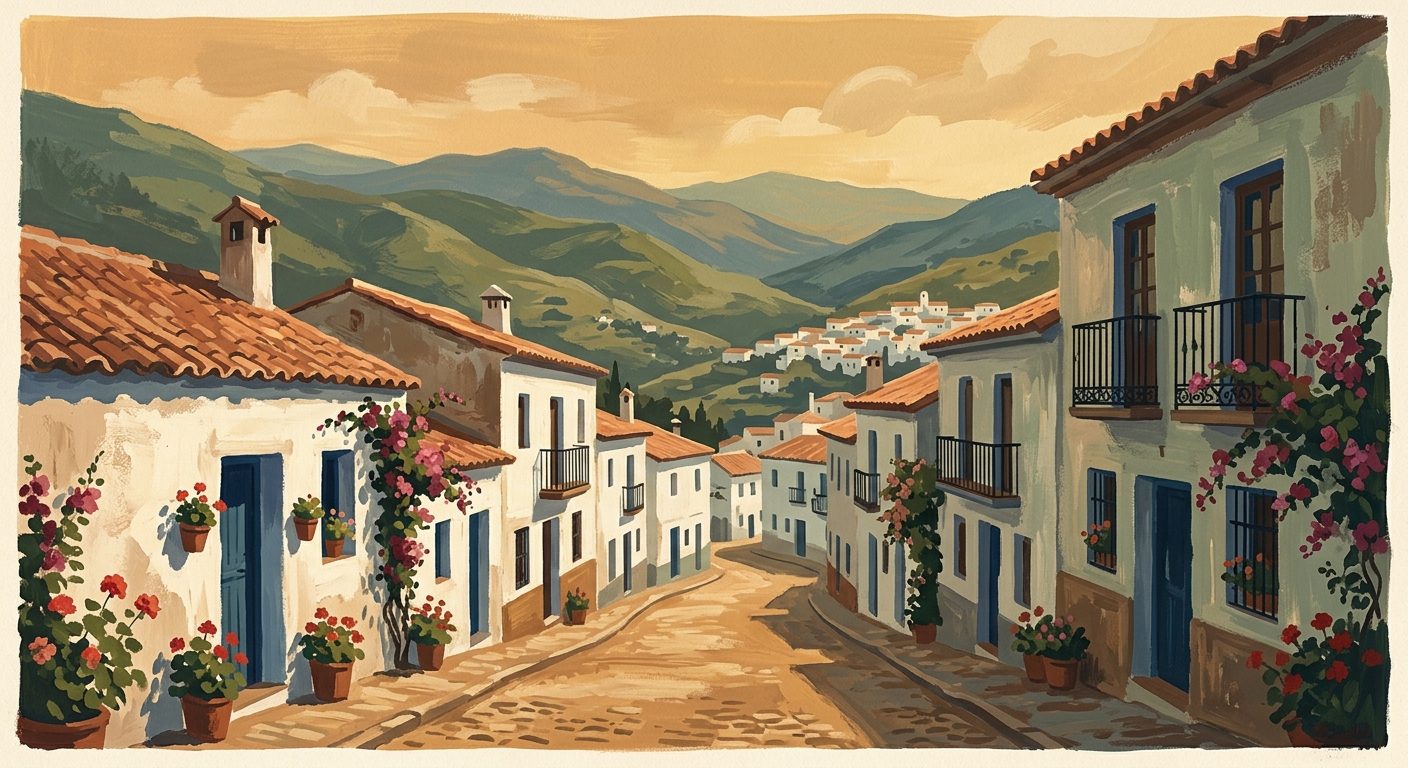
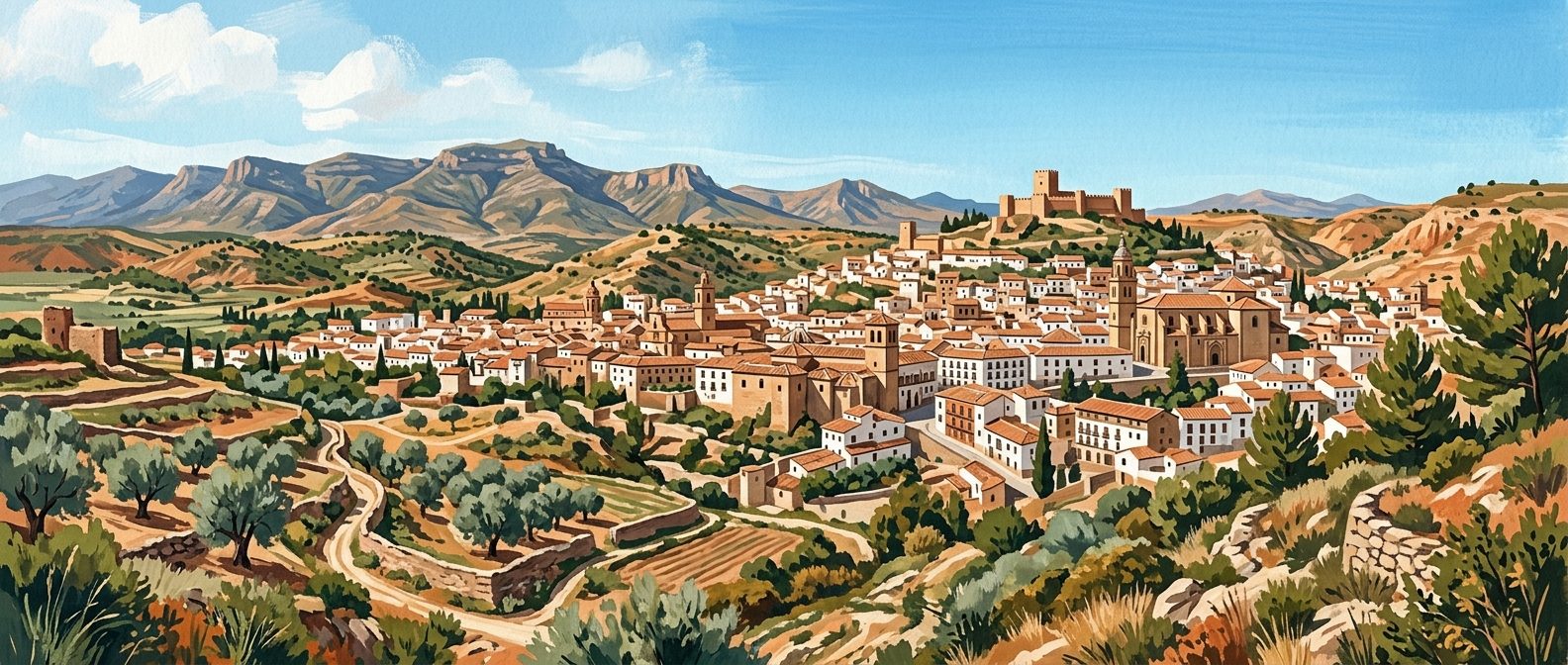
Baza is an ancient settlement that stands as the principal town of the Granada Altiplano, a wide, sun-drenched plateau that feels worlds away from the olive groves of the west. It is a place where history is written in the earth itself, quite literally in the case of its famous cave dwellings. Arrive to explore the rugged peaks of the Sierra de Baza or to trace the footsteps of the Iberians, and the town gives you a grounded feel for life in inland Granada.
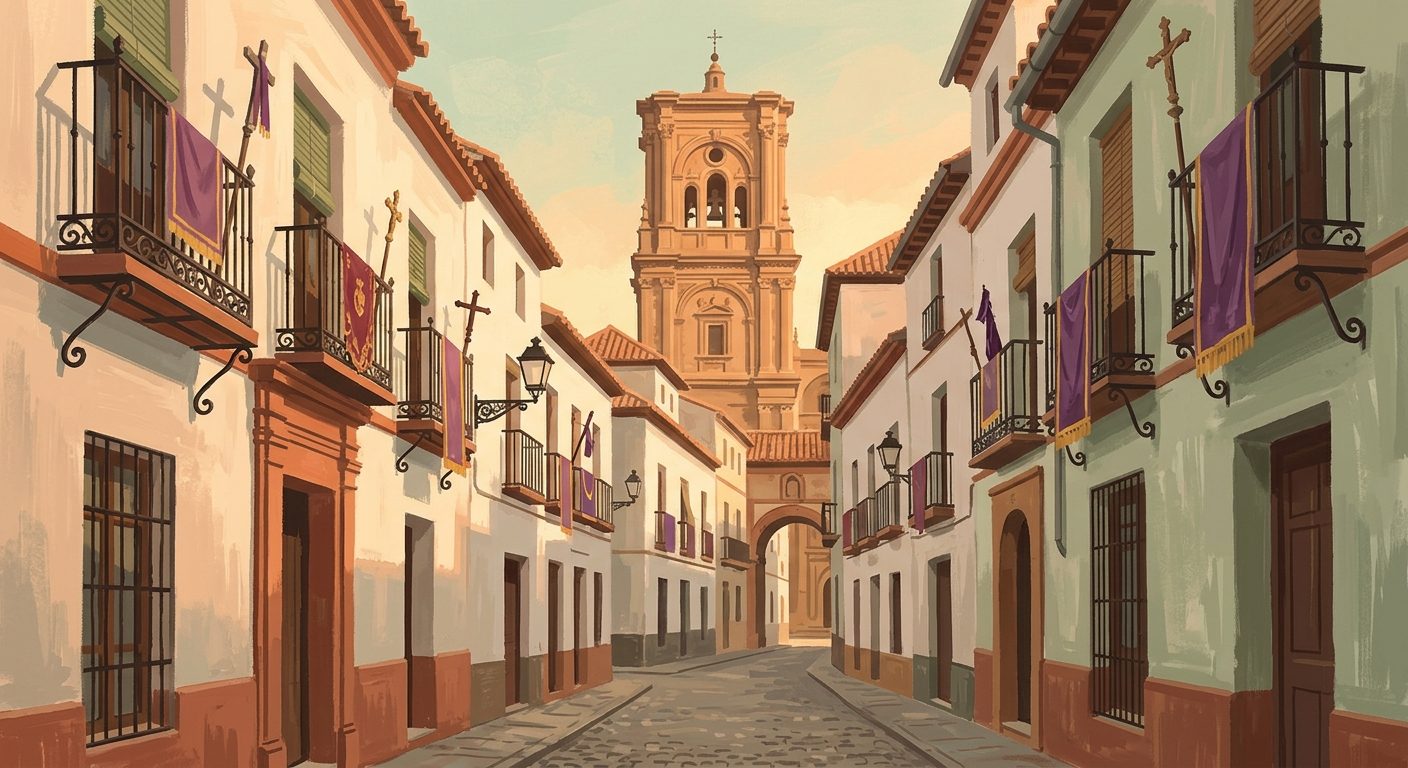
The town’s location has made it a strategic crossroads for millennia. Once the capital of an Iberian territory known as Bastetania, it later became a significant Moorish stronghold before falling to the Catholic Monarchs in 1489 after a gruelling six-month siege. Today, Baza maintains a sturdy, traditional character, with a compact historic centre that rewards those who take the time to walk its narrow, winding streets.
What to See & Do
The Lady of Baza and the Archaeological Museum
The most famous resident of Baza is undoubtedly the Dama de Baza (Lady of Baza). Discovered in 1971 in the Cerro del Santuario necropolis, this 4th-century BC limestone funerary statue is one of the most important pieces of Iberian art ever found. While the original is kept in the National Archaeological Museum in Madrid, Baza’s Municipal Archaeological Museum houses an exceptional replica and provides the essential context of the Iberian city of Basti.
The museum itself is located in the Plaza Mayor, housed within two interconnected 16th-century buildings: the Old Town Hall and the Alhóndiga (the former corn exchange). Inside, you can view a comprehensive timeline of the region, from prehistoric flint tools to Roman ceramics and Moorish artefacts. The building’s Renaissance architecture, featuring a portico with Corinthian columns and a beautiful Mudéjar coffered ceiling in the old council chamber, is worth the entrance fee alone.
The Marzuela Arab Baths
Tucked away in the old Moorish quarter (the Santiago neighbourhood) are the Marzuela Arab Baths. These 13th-century thermal baths are among the best-preserved examples in the province of Granada. Remarkably, they were only rediscovered in the late 20th century, having been hidden beneath a public laundry and private dwellings for centuries.
The site follows the traditional Roman-influenced layout used by the Moors, with cold, warm, and hot rooms. The star-shaped skylights in the vaulted ceilings allowed steam to escape and light to filter in, creating a serene atmosphere that you can still feel today. Walking through these small, stone chambers offers a tangible connection to the daily social and religious rituals of the people who lived here over seven centuries ago.
Barrio de las Cuevas: Life Underground
One of the most distinctive features of Baza is its extensive cave neighbourhood. Unlike conventional housing, these homes are dug directly into the soft calcarenite hills that surround the town. This troglodyte tradition dates back centuries and remains a popular way of living today due to the natural insulation provided by the earth. Inside, the temperature stays a constant 18 to 20 degrees Celsius year-round, offering a cool escape from the searing summer heat and warmth during the biting winter nights.
The caves are not just historical curiosities; they are fully functioning modern homes with whitewashed facades and distinctive ceramic chimneys poking through the hillsides. Taking a walk through the upper parts of the town allows you to see how this unique urban landscape integrates with the natural topography.
The Alcazaba and Plaza Mayor
The remains of the Alcazaba, an 11th-century Moorish fortress, sit on a high point overlooking the town. While much of the structure was damaged over time, sections of the defensive walls and the bases of several towers remain. It serves as a reminder of Baza’s former status as a fortified frontier city.
Below the fortress lies the Plaza Mayor, the social heart of the town. This large square is dominated by the Collegiate Church of Nuestra Señora de la Encarnación. Built on the site of the former Great Mosque, the church is a mix of Gothic and Renaissance styles, reflecting the transition of the town following the Christian conquest. The square is the perfect place to sit with a coffee and observe the local pace of life.
Sierra de Baza Natural Park
Just a short drive from the town centre, the Sierra de Baza Natural Park offers a complete change of scenery. This mountainous area features peaks reaching over 2,200 metres, such as Santa Bárbara. The park is a haven for hikers and mountain bikers, with trails that wind through pine forests and past abandoned mining villages. It is an essential stop for anyone who appreciates the stark, high-altitude landscapes of the Granadan interior.
Practical Information
Opening Times: The Municipal Archaeological Museum is generally open Tuesday to Saturday from 10:00 to 14:00 and 17:00 to 19:00 (winter) or 18:00 to 20:00 (summer). On Sundays, it opens from 10:00 to 14:00 and is closed on Mondays. The Arab Baths have similar hours but it is often wise to check with the Baza Tourist Office (located in the museum building) at bazaturismo.com to confirm specific morning or afternoon slots.
Ticket Prices: Entry to the Archaeological Museum is €3 for adults, with reduced rates of €1.50 for seniors and students. Entry to the Marzuela Arab Baths is usually included in various town heritage tickets or costs approximately €2.
How to Get There: Baza is well-connected via the A-92N motorway. It is roughly 100 kilometres north of Granada city (about a one-hour drive) and 150 kilometres from Murcia. Regular bus services operated by ALSA run from Granada, Guadix, and Almería.
Parking: There is public parking near the Plaza Mayor and the museum, though the narrow streets of the old town are best avoided with a car. Use the larger parking areas on the outskirts of the historic centre and walk in.
Where to Eat Nearby
For a taste of traditional Basti cuisine, Restaurante La Parra is a reliable choice. They specialise in local stews and dishes featuring pickled meats and vegetables, a technique traditionally used to preserve food in the high plateau. Try the Gurupina, a hearty stew made with flour, cod, dried peppers, and mushrooms.
In the town centre, Restaurante Los Cántaros offers a refined take on regional staples. The menu often features Segureño lamb, a local breed prized for its tender flavour. Another excellent option is 7Monjas, which provides a more contemporary atmosphere and creative tapas that use seasonal produce from the surrounding Altiplano farms.
Where to Stay
To fully experience the character of the region, staying in a cave house is recommended. Cuevas Baza and Cuevas Andalucía offer self-catering cave apartments that combine traditional troglodyte architecture with modern comforts like WiFi and private pools. For those who prefer a more conventional setting, Hotel Restaurante Casa Grande is located in a restored 18th-century manor house near the historic centre, providing a comfortable base for exploring the town on foot.