The village that captured Gerald Brenan’s imagination offers a quiet retreat into the traditional rhythms of the eastern Alpujarras. Far from the busier tourist circuits, Yegen remains a place of steep slate paths and deep literary connections.
While many visitors to the Alpujarra Granadina concentrate their time in the Barranco del Poqueira, those who travel further east discover a different pace of life in Yegen. This small village, part of the Alpujarra de la Sierra municipality, gained international recognition through the English writer Gerald Brenan. Brenan lived here for long periods between 1920 and 1934, later documenting his experiences in the classic travelogue South from Granada. His presence brought members of the Bloomsbury Group, including Virginia Woolf, to these remote slopes, yet the village has retained its rugged, unpretentious character.
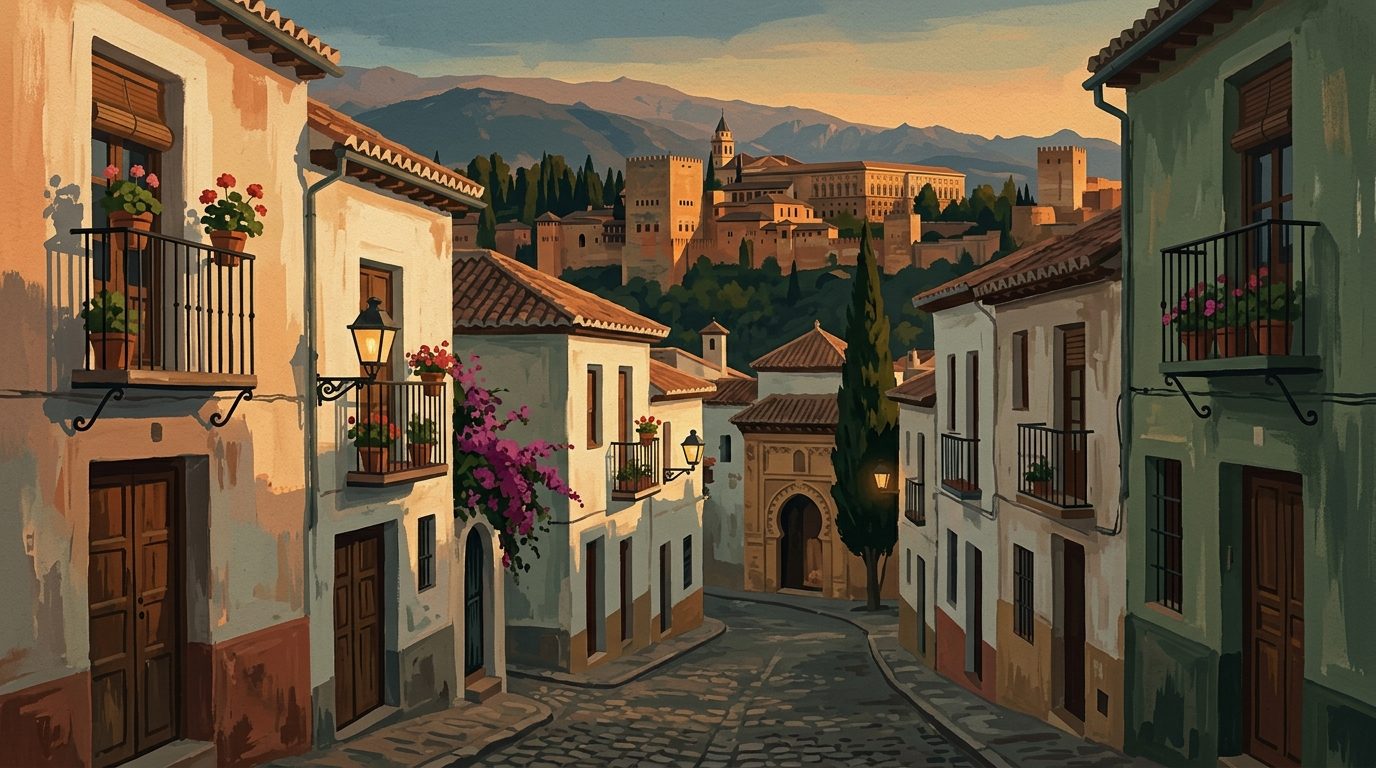
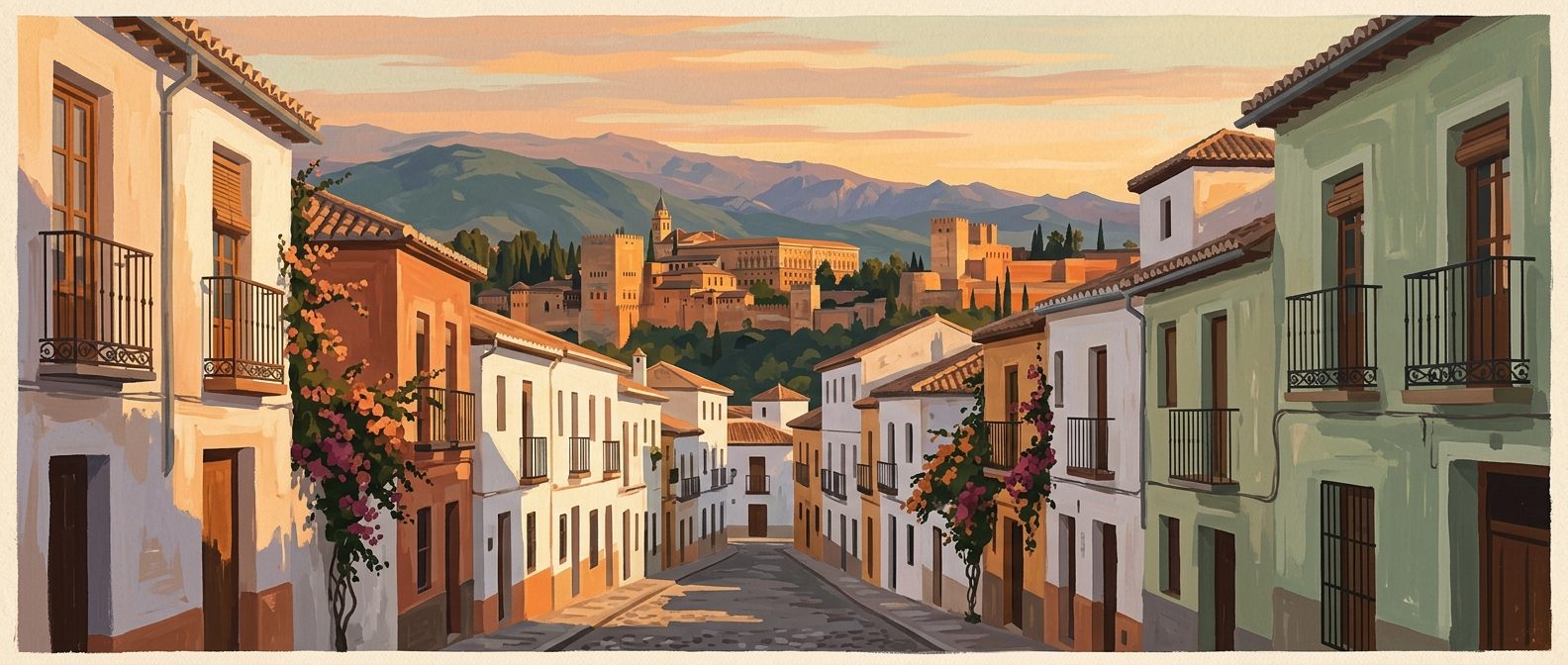
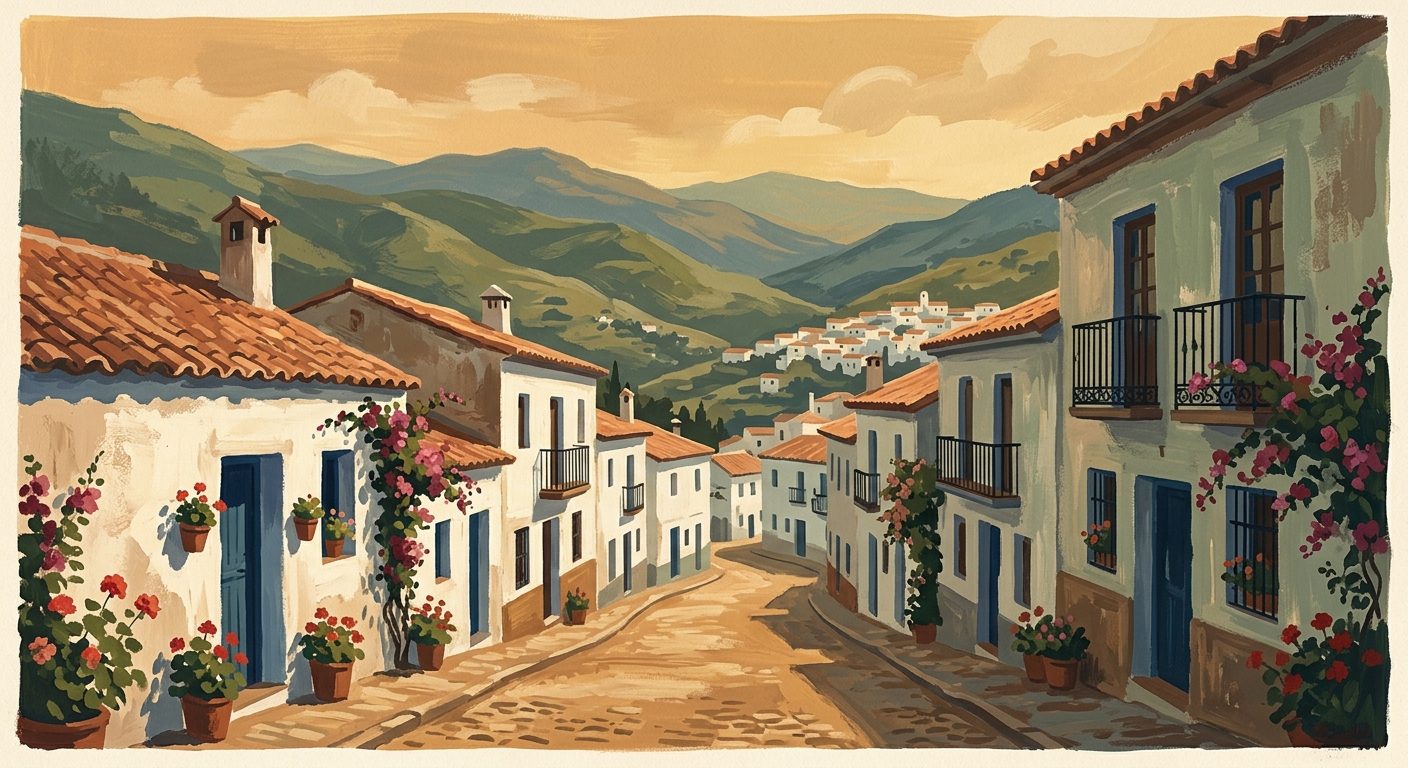
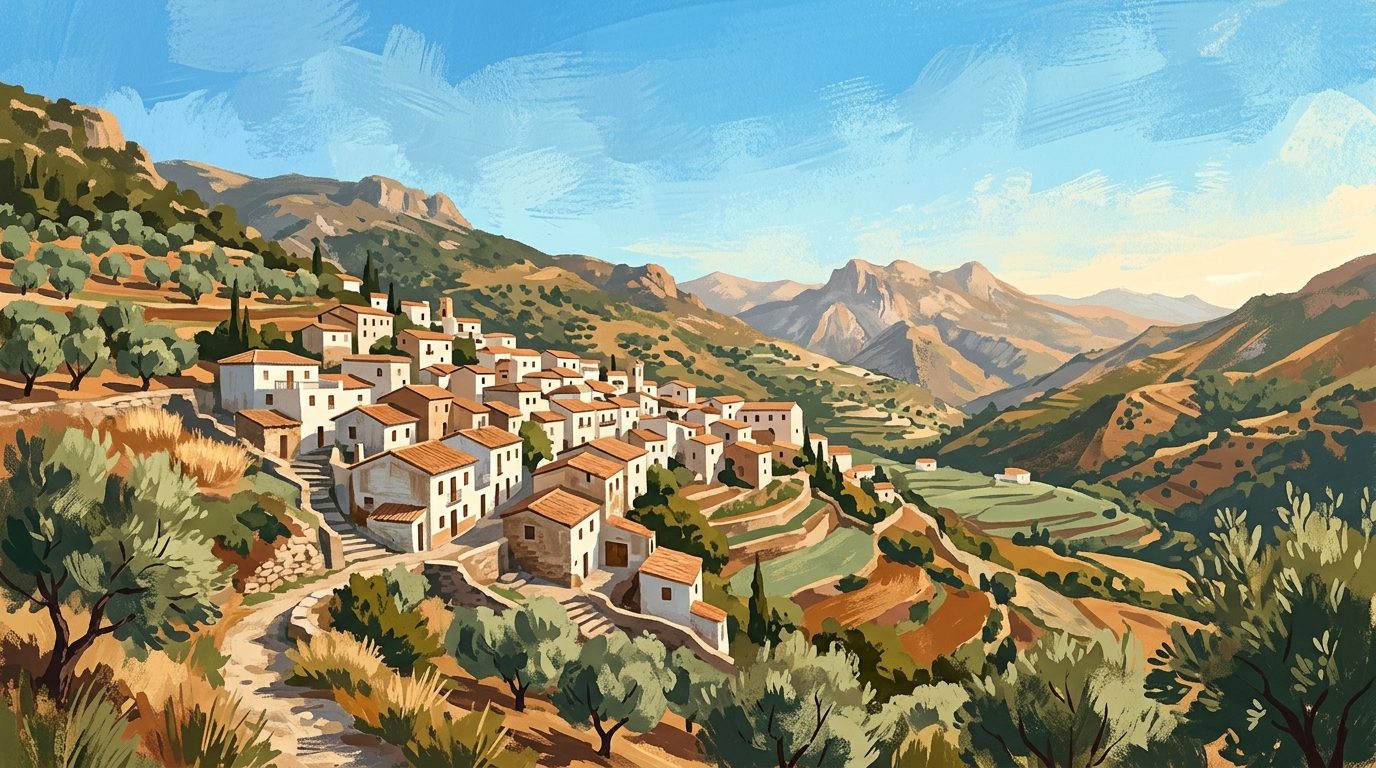
Sitting at an altitude of approximately 1,000 metres on the southern flanks of the Sierra Nevada, Yegen looks out over the valley of the Río Almerín towards the Sierra de la Contraviesa. It is a landscape defined by dramatic ravines, ancient olive groves, and the ingenious irrigation systems inherited from the Moors. The village is an exceptional example of traditional Berber-style architecture, with its flat-roofed houses and narrow, winding alleys designed to provide shade and shelter from the mountain winds.
What to See & Do
The Gerald Brenan House (Casa de Gerald Brenan)
The primary draw for many is the house where Brenan resided. Located in the lower part of the village, the building is marked by a commemorative plaque. While it remains a private residence rather than a formal museum in the traditional sense, the exterior and the surrounding streets evoke the atmosphere described so vividly in his writing. Brenan moved here seeking solitude and a lower cost of living, famously transporting thousands of books by mule to establish his library. Walking past the thick stone walls, you can imagine the local villagers' bemusement at the eccentric Englishman and his high-profile visitors.
The Church of the Dulce Nombre del Niño Jesús
This 16th-century church is a fine example of the Mudejar style prevalent across the province. Like many religious buildings in the Alpujarras, it was constructed on the site of a former mosque. The exterior is understated, with simple brickwork and a square bell tower, but the interior contains a beautiful wooden ceiling with intricate geometric joinery (alfarje). The church survived the upheaval of the Morisco Rebellions and stands as a reminder of the village's long endurance through various periods of religious and social change.
Sendero de Gerald Brenan (SL-A 77)
To truly understand why Brenan fell in love with this terrain, you should walk the circular trail named in his honour. This 2.3-kilometre route is relatively easy and takes about an hour to complete. It begins near the Brenan house and leads down through the ancient cultivation terraces. Along the way, you will pass the Fuente de la Camellona, an old communal laundry basin where local women once gathered to wash clothes and share news. The path offers spectacular views of the rugged surroundings, passing through areas of slate and poplar trees before returning to the village centre.
Traditional Architecture and 'Tinaos'
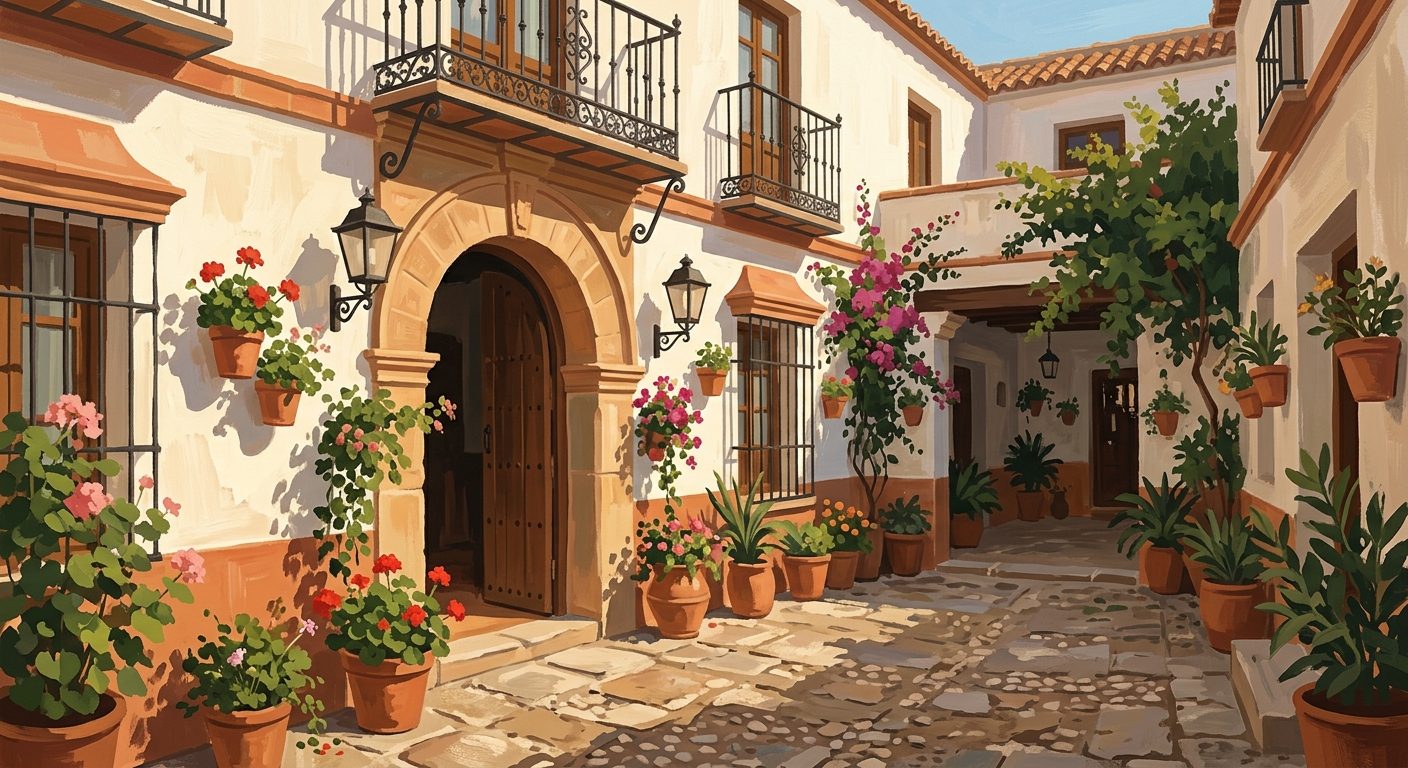
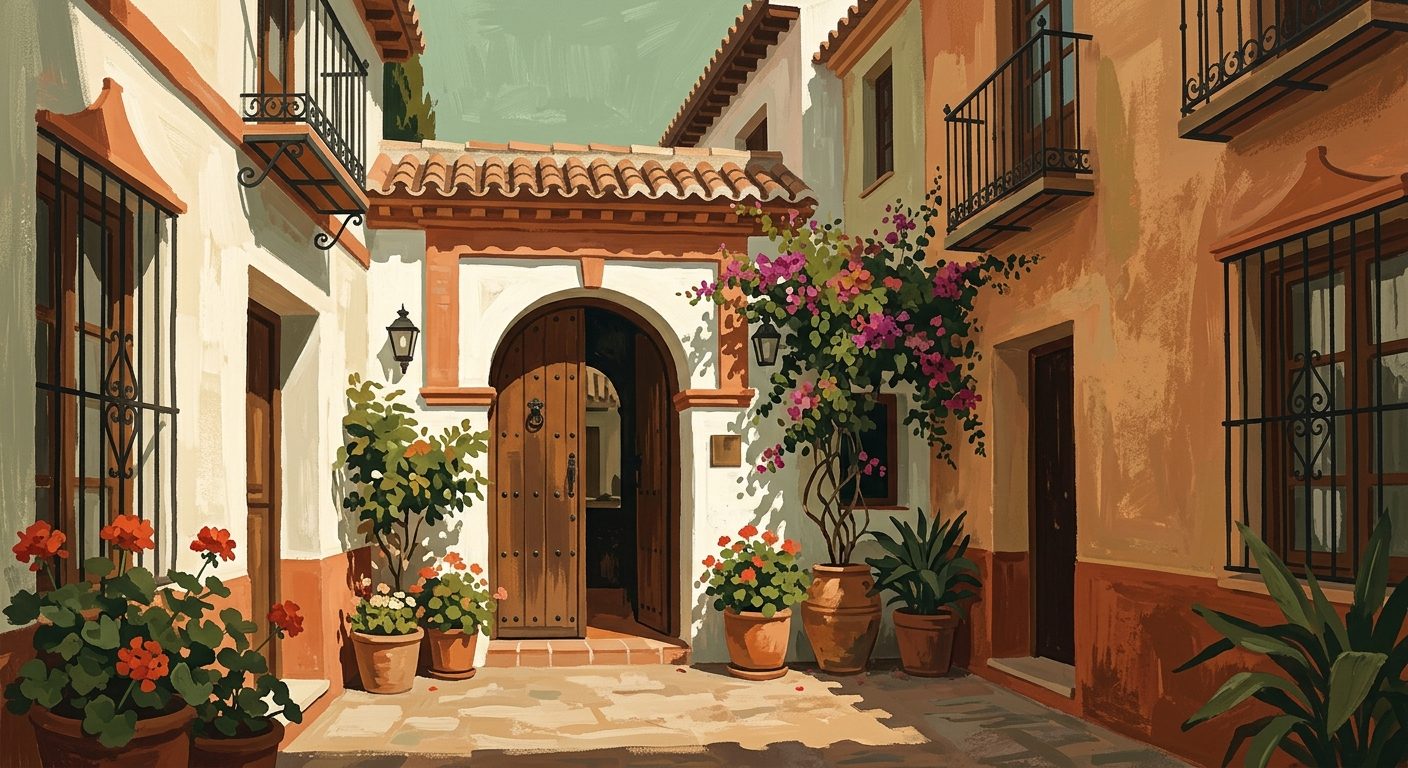
Exploring Yegen is best done without a map. The village is characterised by its tinaos, covered walkways that span the street, creating sheltered passages between houses. These structures are built using chestnut or pine beams and flat stones, topped with a layer of launa (a waterproof grey clay found locally). The flat roofs, known as terraos, are often used for drying peppers or tomatoes in the sun. As you walk, look for the tall, round chimneys with slate 'hats' that prevent rain and snow from entering the hearths.
Practical Information
Yegen is an open-air museum, so there are no entrance fees for wandering the streets or hiking the trails. The church is typically open during mass times (usually Sunday mornings) or during local festivals. If you wish to see the interior outside of these times, you may find a local keyholder nearby, though this is never guaranteed.
How to Get There: From Granada city, the drive takes approximately two hours. Follow the A-44 south towards Motril, then take the exit for Lanjarón (A-348). Follow the A-348 through Órgiva and continue towards Ugíjar. Yegen is situated on the A-4130 route. The road (A-4130) is winding and narrow in places, particularly on the approach from Bérchules or Ugíjar, requiring careful driving, but the scenery is magnificent.
Parking: Do not attempt to drive into the narrow centre of the village. There is a designated parking area at the entrance of the village near the main road. From here, everything is accessible on foot.
Public Transport: The ALSA bus company operates a service from Granada to the Alpujarra. The route towards Bérchules or Ugíjar stops in Yegen. There are usually two buses a day, but schedules change seasonally, so check the ALSA website before travelling. It is possible to visit as a day trip from Granada, but the journey time makes an overnight stay much more rewarding.
Where to Eat Nearby
The food in Yegen is hearty, mountain fare designed to sustain agricultural workers. The local speciality is the Plato Alpujarreño, which typically consists of fried eggs, potatoes, chorizo, black pudding (morcilla), and cured ham from nearby Trevélez.
Restaurante El Rincón de Yegen: Located on the main road at the edge of the village, this is a popular spot for locals and hikers. It serves traditional stews and grilled meats. The terrace offers views across the valley, making it a perfect spot for a long lunch after walking the Brenan trail.
Restaurante El Tinao: Situated in the heart of the village, this establishment focuses on authentic home cooking. Look out for dishes featuring local almonds or chestnuts, and try the local wine from the Contraviesa mountains, which is known for its high altitude and distinct character.
Where to Stay
Accommodation in Yegen consists mainly of rural guest houses and self-catering apartments. El Tejar de Yegen offers comfortable, traditionally styled apartments with access to a shared pool, which is a welcome relief during the summer months. For a more intimate experience, several small casas rurales are available within the village, allowing you to live like a local. Staying overnight is highly recommended, as the village takes on a serene atmosphere once the day-trippers depart and the stars appear over the Sierra Nevada.