
attraction · Cádiz
Catedral de Jerez de la Frontera / Colegiata de Nuestro Señor San Salvador
Andalucía 365 · Updated 18 July 2026
Our Verdict
“This cathedral lacks the overwhelming scale of Seville or the intricate Moorish integration found in Córdoba, but it rewards visitors with its manageable size and luminous interior. The separate bell tower and the Zurbarán painting elevate the experience significantly. It is an excellent stop for those interested in religious art and the architectural shifts of the Enlightenment.”
Last verified: July 2026
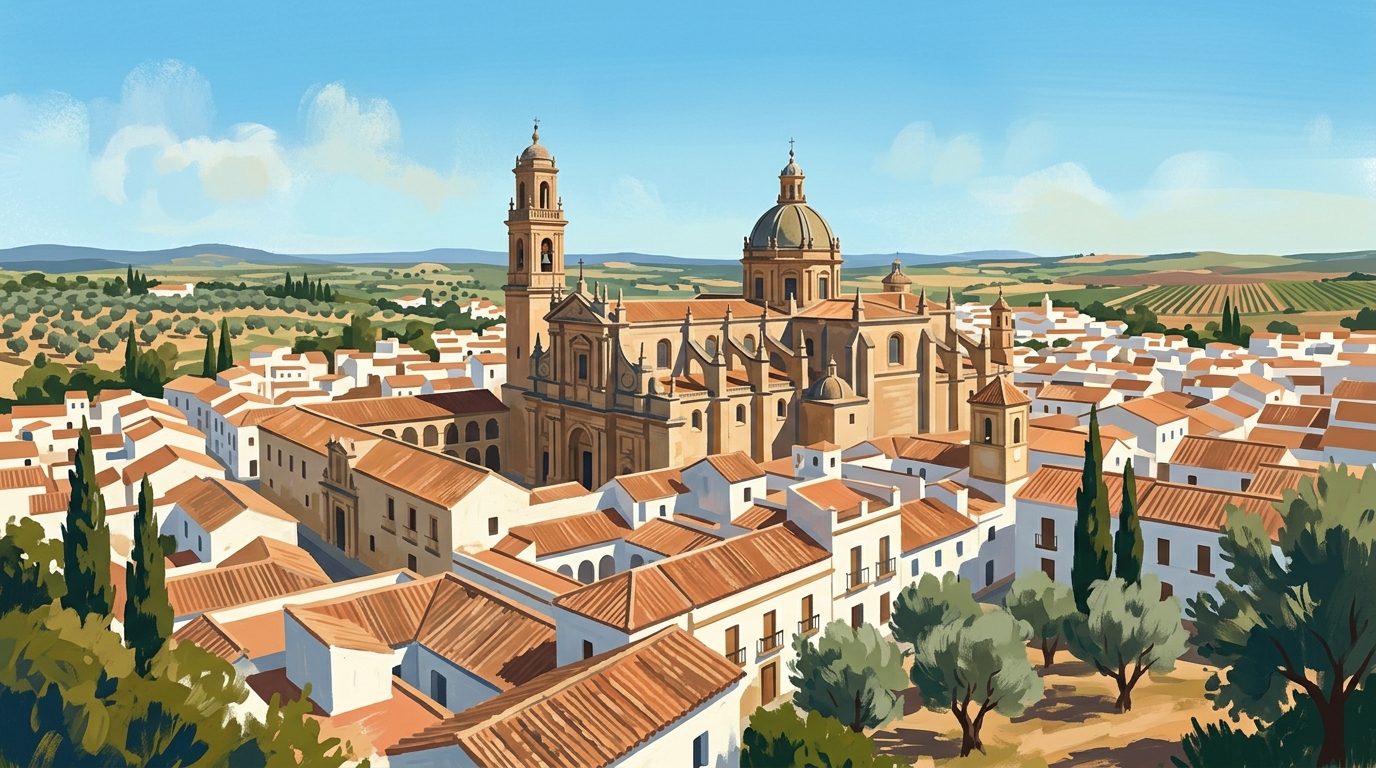
Standing in the Plaza de la Encarnación, the Cathedral of Jerez de la Frontera reveals a striking structural anomaly. Its thick limestone walls are braced by flying buttresses, a feature synonymous with medieval Gothic design, yet they support a highly decorated Baroque and Neoclassical shell. This visual contradiction perfectly sets the stage for one of the most layered and fascinating monuments in Cádiz province, offering a compelling visual record of changing artistic tastes.
A Hybrid of Architectural Eras
Officially named the Catedral de Nuestro Señor San Salvador, although historically known as the Colegiata, this colossal structure was built between 1695 and 1778. The prolonged eighty-year construction period, initially overseen by master builders such as Diego Moreno Meléndez, resulted in a fascinating clash of architectural styles. The building occupies deeply layered historical ground. It sits on the footprint of the city's former Great Mosque and a subsequent medieval church, reflecting the complex religious transitions of Andalucía following the Christian conquest. The cost of this ambitious project was heavily subsidised by the monarchy and the papacy, underscoring the strategic and economic importance of Jerez during the period. Today, it stands as the seat of the Diocese of Asidonia-Jerez and remains a focal point of the city skyline, dominating the surrounding plazas and narrow streets.
Inside the Five Aisles
Entering through the main portal, visitors step into a vast floor plan divided into five distinct aisles by massive stone pilasters. The central dome rises high above the transept, flooding the interior with natural light that highlights the transition from late Gothic structural foundations to later eighteenth-century flourishes. The chapels lining the perimeter each tell their own story, from the Chapel of the Inmaculada to the intricately decorated Capilla del Sagrario. You will also see a massive nineteenth-century organ, originally built by John Bishop, which is still used during major liturgical events, and an intricate silver tabernacle located within the Sagrario. Unlike the darker, more oppressive interiors of some older Spanish cathedrals, the pale stone quarried from the nearby Sierra de San Cristóbal gives the space a remarkable sense of volume and clarity. Take a moment to examine the relocated choir stalls, which offer a fine example of traditional Andalucían woodcarving.
The Museum and Zurbarán's Masterpiece
The cathedral functions as much as an art gallery as it does a place of worship. The Cathedral Museum houses an impressive permanent exhibition of sacred art, liturgical robes, and processional silverwork, including the grand monstrance used during Corpus Christi. The undisputed highlight is 'La Virgen Niña' by the Spanish master Francisco de Zurbarán. Featured prominently in the permanent collection, this mid-seventeenth-century oil painting is celebrated for its delicate execution and the artist's signature mastery of light and shadow. The collection also features works by notable local artists such as Juan Rodríguez, widely known as El Tahonero, providing a comprehensive look at the religious art that flourished in Cádiz province during the Baroque era. The modern museum layout allows you to view these historic pieces up close, far removed from the dim lighting typical of traditional side chapels.
Climbing the Torre Campanario
Unlike most cathedrals where the bell tower is integrated into the main facade, the Torre Campanario in Jerez stands entirely separate from the main church building. The lower section of this standalone tower is widely believed to be built directly upon the footprint of the original Moorish minaret. Visitors who climb the narrow stone steps are rewarded with clear views over the terracotta roofs of the historic centre and the imposing walls of the nearby Alcázar. Standing among the historic bells offers an intimate look at local bronze casting techniques and provides a strong sense of the physical dominance this building exerted over eighteenth-century Jerez.
A Candid Assessment
This cathedral lacks the overwhelming scale of Seville or the intricate Moorish integration found in Córdoba, but it rewards visitors with its manageable size and luminous interior. The separate bell tower and the Zurbarán painting elevate the experience significantly. It is an excellent stop for those interested in religious art and the architectural shifts of the Enlightenment.
How to Visit and Accessibility
The cathedral is located in the pedestrianised core of the old town, a short walk from the Plaza del Arenal. The main floor of the cathedral is wheelchair accessible, though the separate bell tower requires climbing a steep, narrow staircase and is not suitable for visitors with limited mobility. As this is an active place of worship, tourist access is restricted during Sunday mass and major religious festivals. You should check the official Jerez Cathedral website for current admission prices, combined ticket options, and seasonal opening hours. Audio guides are usually available at the entrance and provide essential context for the museum artwork. If you are driving, the nearest public parking is the underground facility at Alameda Vieja.
A Sensible Nearby Pairing
To fully appreciate the wealth and history of the city, pair your visit with an exploration of the broader area. You can find detailed recommendations in our local guide to eating and drinking in Jerez de la Frontera, which highlights the traditional tabancos pouring sherry straight from the cask just a few streets away. Alternatively, read our guide to the city of sherry and horses for more on the aristocratic bodegas and equestrian schools that define the region. If you are exploring the wider province, consider how this inland wealth connects to the coastal towns outlined in our guide to the Costa de la Luz, or use the city as a major cultural stop on a raw Atlantic itinerary.
Nearby worth your time
A few well-placed stops for extending the day without turning it into a checklist.
Continue through Costa de la Luz
Step back into the wider landscape with local guides, nearby places and the province overview.
Place guide · 7 min
Playa de La Caleta: A Guide to the Historic Heart of Cádiz
Playa de La Caleta is a historic urban bay in Cádiz, famous for its calm waters, ancient fortresses, and the stunning white Balneario spa building.
Place guide · 7 min
Playa de los Caños de Meca: A Guide to the Cádiz Coastline
Discover the wild Atlantic beauty of Playa de los Caños de Meca, from its freshwater springs to the historic Cape Trafalgar lighthouse.
Itinerary · 7 min
Three Days in Cadiz: The Ultimate Itinerary for Independent Travellers
Three days allows you to completely sink into the maritime rhythm of Europe's oldest city. You can cover the historic centre, explore the twin seaside fortresses, and still have time for a sherry tasting afternoon across the bay.