Often overlooked by those racing for the ferry or the Rock, the Campo de Gibraltar offers a gritty, authentic look at life where the Atlantic meets the Mediterranean. It is a region defined by the wind, the sea, and a unique cross-border culture that you won't find anywhere else in Cádiz.
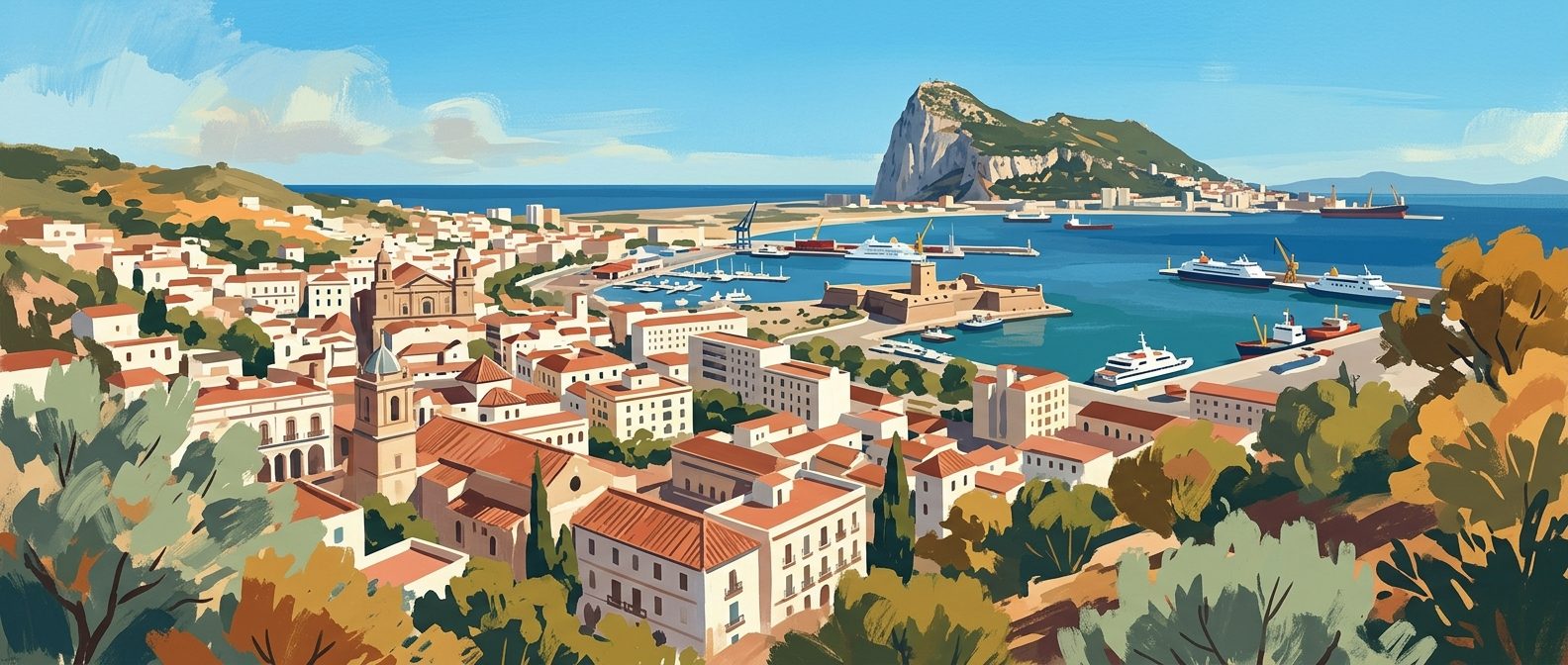
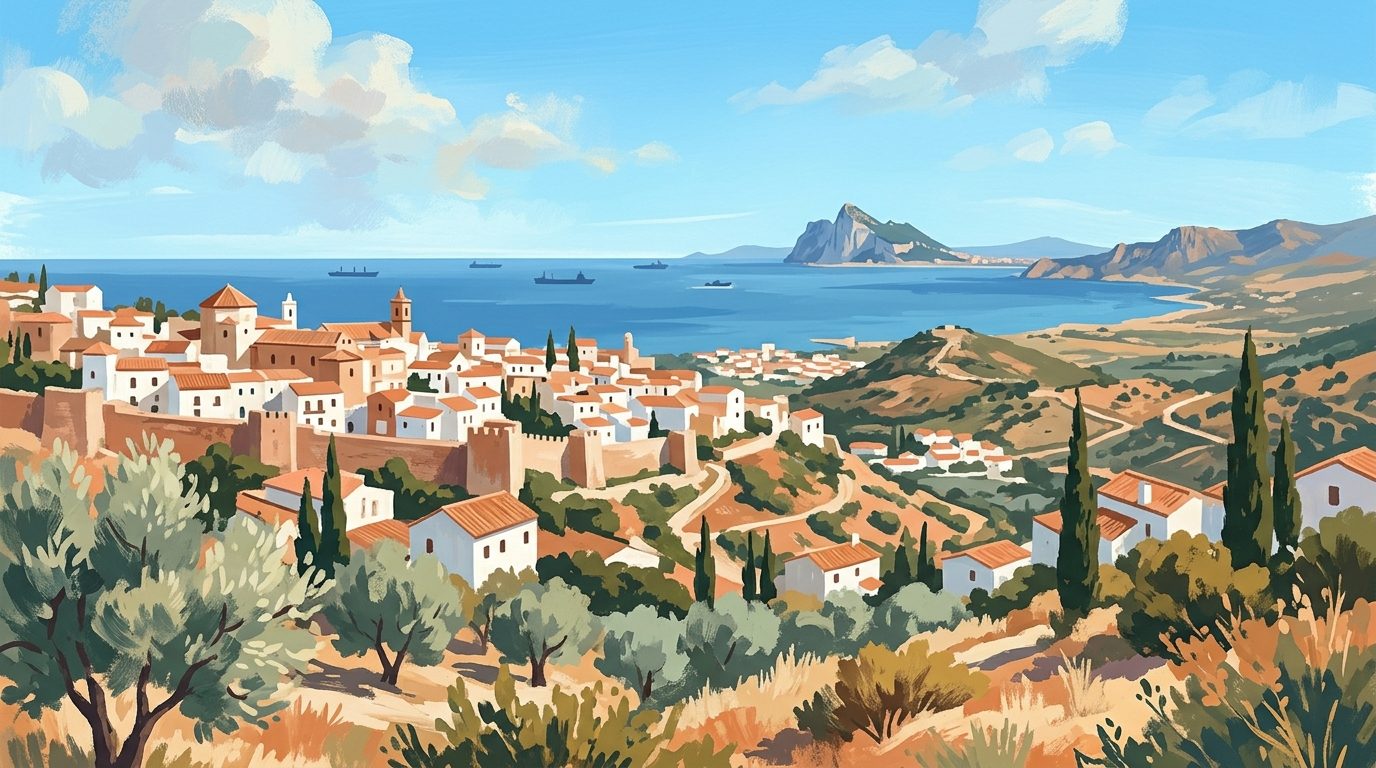
To understand the Campo de Gibraltar, you must first accept that it does not fit the typical postcard image of Andalucía. You won't find endless rows of white-washed houses or quiet olive groves here. Instead, this is a region of heavy industry, massive shipping containers, and a skyline dominated by the limestone monolith of Gibraltar. But for the traveller who values character over artifice, this corner of the province is one of the most rewarding areas to explore. It is where the Estrecho (Strait) narrowest point brings Africa so close that you can see the twinkling lights of Tangier at night, and where the daily rhythm is dictated by the Levante (easterly) and Poniente (westerly) winds.
The area encompasses seven municipalities, but its soul resides in the urban weight of Algeciras and the frontier energy of La Línea de la Concepción. These are working towns, unpretentious and resilient, where the local algecireños and linenses live life with a directness that is refreshing. Beyond the cranes and refineries, you will find some of the most dramatic coastal views in Europe, exceptional seafood, and a history that has been fought over by Phoenicians, Romans, Moors, and the British. It is a place of transit, yes, but those who linger will find a deep-seated pride and a culinary scene that punches far above its weight.
The Port City: Algeciras
Market Culture and the Ghost of Paco de Lucía
Algeciras is often unfairly dismissed as merely a transit point for the ferry to Morocco. While the port is indeed the engine of the city, a colossal labyrinth of metal and movement, the town centre holds a rough-edged charm. Start your morning at the Mercado de Abastos (the local food market) on Plaza de Abastos. Designed by the engineer Eduardo Torroja in 1935, its massive concrete dome was a structural marvel of its time. Inside, the energy is high; fishmongers call out the daily catch of atún rojo (bluefin tuna) and breca (pagellus), and the smell of fresh coffee from the surrounding stalls fills the air. For a true local breakfast, head to Bar Los Especiales for churros that are famously light and crispy.
The city is also the birthplace of the flamenco guitar legend Paco de Lucía. You can follow a dedicated trail (maps are available from the Visit Algeciras tourism office) that marks significant spots in his life, including the Plaza Alta. This square is the heart of the city, decorated with intricate ceramic tiles that depict scenes from Don Quixote. It is a perfect spot to sit with a caña (small beer) and watch the world go by. For a change of pace, the Barrio de San Isidro offers steep, cobbled streets and a more traditional Andalucían aesthetic. If the wind is right, a walk along the Playa de Getares provides a spectacular perspective of the Strait, where you can watch the gargantuan container ships navigate the waters against the backdrop of the Atlas Mountains in the distance.
Read the full Algeciras guide →
The Frontier Town: La Línea de la Concepción
Border Life and Culinary Surprises
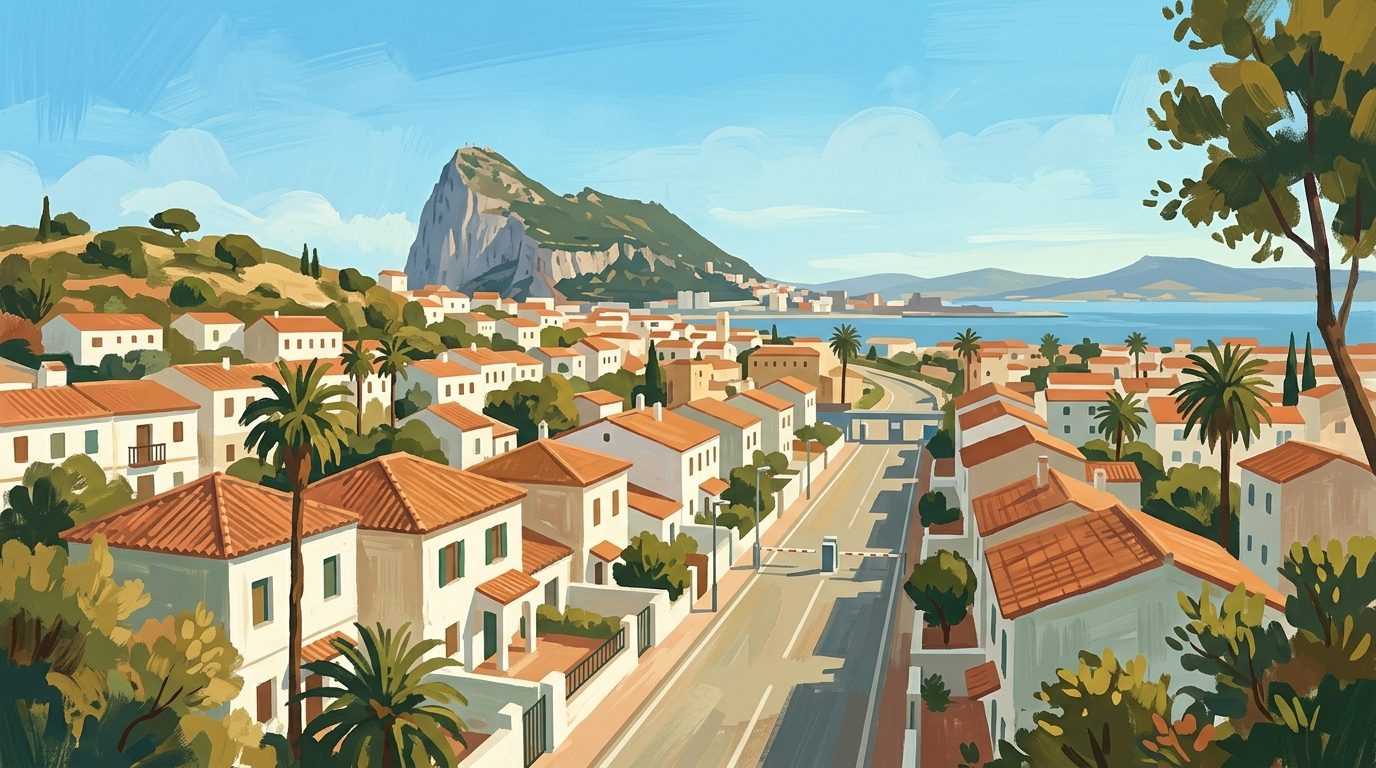
La Línea de la Concepción is the only Spanish town that shares a land border with Gibraltar, and this proximity defines it. The town was effectively created as a line of fortification, hence the name, to reclaim the Rock. Today, the relationship is more symbiotic. Thousands of locals cross 'the line' daily for work, and the town serves as a more affordable, Spanish-flavoured alternative to its British neighbour. The Playa de Santa Bárbara runs right up to the border fence, offering a surreal sunbathing experience where the shadow of departing planes from Gibraltar airport falls across the sand.
Crossing the Border (2026 Update)
While historically fluid for local workers, border logistics have evolved with the implementation of the EU Entry/Exit System (EES) and updated Gibraltar-Spain treaty protocols. Tourists, particularly non-Schengen citizens, should expect biometric checks and potential delays. Always verify the latest entry requirements before planning a day trip across the border.
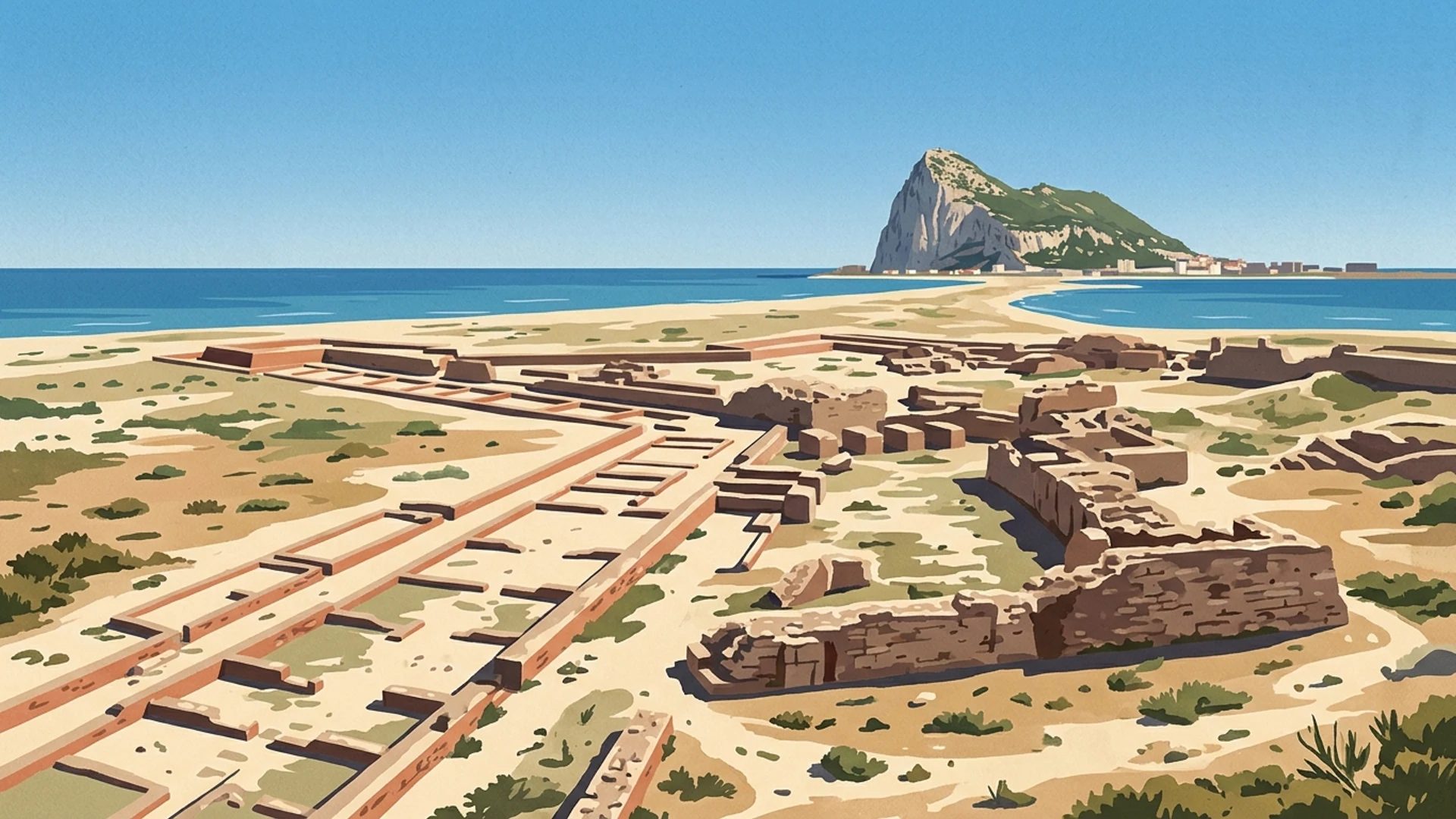
The real heart of La Línea, however, is the Atunara district. This old fishing quarter maintains a distinct identity, with small houses and a harbour where the traditional traiñas (fishing boats) still bring in the catch. It is here that you should seek out conchas finas, large, smooth-shelled clams that are served raw with a squeeze of lemon and a dash of pepper. For a more central experience, the streets around Calle Real and Plaza de la Iglesia are packed with tapas bars that offer exceptional value. Unlike the more tourist-heavy towns further up the coast, La Línea remains fiercely local (the La Línea tourism website offers great resources for visitors). The Fort of Santa Bárbara ruins at the edge of town provide a haunting reminder of the area's military history, offering a quiet place to look out over the Mediterranean towards the North Face of the Rock.
Read the full La Línea de la Concepción guide →
Eating & Drinking in Campo de Gibraltar
The culinary identity of the Campo is a blend of maritime bounty and cross-border influences. In Algeciras, the influence of the Maghreb is palpable; the lower part of town, near the port, is the place to find authentic Moroccan tea rooms and bakeries. For a traditional sit-down lunch, Casa Bernardo at Getares beach is an institution for fried fish and rice dishes. If you are looking for something more contemporary, La Terraza offers creative takes on local ingredients with a view of the water.
In La Línea, the tapas scene is one of the best-kept secrets in Cádiz. Bodega La Extremeña is a local favourite, where the walls are lined with wine barrels and the montaditos (small sandwiches) are legendary. Look for the Serranito, a classic sandwich of pork loin, serrano ham, and fried green pepper. For those seeking the freshest possible seafood, Bar El Sotano in the Atunara district is unbeatable (check on the operator's website before travelling). Order the ortiguillas (sea anemones), which are lightly battered and fried to a crisp, releasing a burst of intense sea flavour. The region is also known for its repostería (pastries); in Algeciras, try the japonesas (fried, honey-coated buns filled with crème pâtissière).
Where to Stay
For a sense of history, the Hotel Globales Reina Cristina in Algeciras is the premier choice. Opened in 1901, it has hosted everyone from Winston Churchill to international spies during the World Wars. Its gardens are an oasis of calm, and the architecture retains a faded, colonial grandeur that feels like a setting for a spy novel. It remains the most atmospheric place to stay in the city centre.
In La Línea, for something entirely different, the Boat Haus Mediterranean Experience (check on the operator's website before travelling) offers houseboats moored in the Alcaidesa Marina. Staying here puts you right on the water with an unobstructed view of the Rock of Gibraltar. It is a quiet, modern alternative to the traditional hotels. If you prefer a more conventional stay, the Ohtels Campo de Gibraltar provides reliable comfort and is located just a short walk from the border, making it ideal for those planning to split their time between the town and the Rock.
Getting There & Around
The Campo de Gibraltar is well-connected by road via the A-7 motorway, which links the area to Málaga and the rest of the Costa del Sol. If you are coming from Jerez or Cádiz city, the A-381 (known as the Ruta del Toro) offers a stunning drive through the Los Alcornocales Natural Park. For rail travellers, the train journey from Ronda to Algeciras (the Mr Henderson's Railway) is one of the most scenic in Spain, winding through mountains and tunnels before reaching the coast. Once in the area, the local bus service between Algeciras and La Línea is frequent and efficient, though having a car is beneficial if you want to explore the more remote stretches of the Strait coastline.
Best Time to Visit
Spring (March to May) and Autumn (September to November) are the ideal times to visit. During these periods, the temperatures are comfortable for walking, and the clarity of the air often provides the best views across the Strait. This timing also coincides with the massive bird migrations between Europe and Africa, making the area a global focal point for birdwatchers. Summer can be intensely hot and humid, especially when the Levante wind blows, while winter is generally mild but can be surprisingly wet and windy given the coastal exposure.