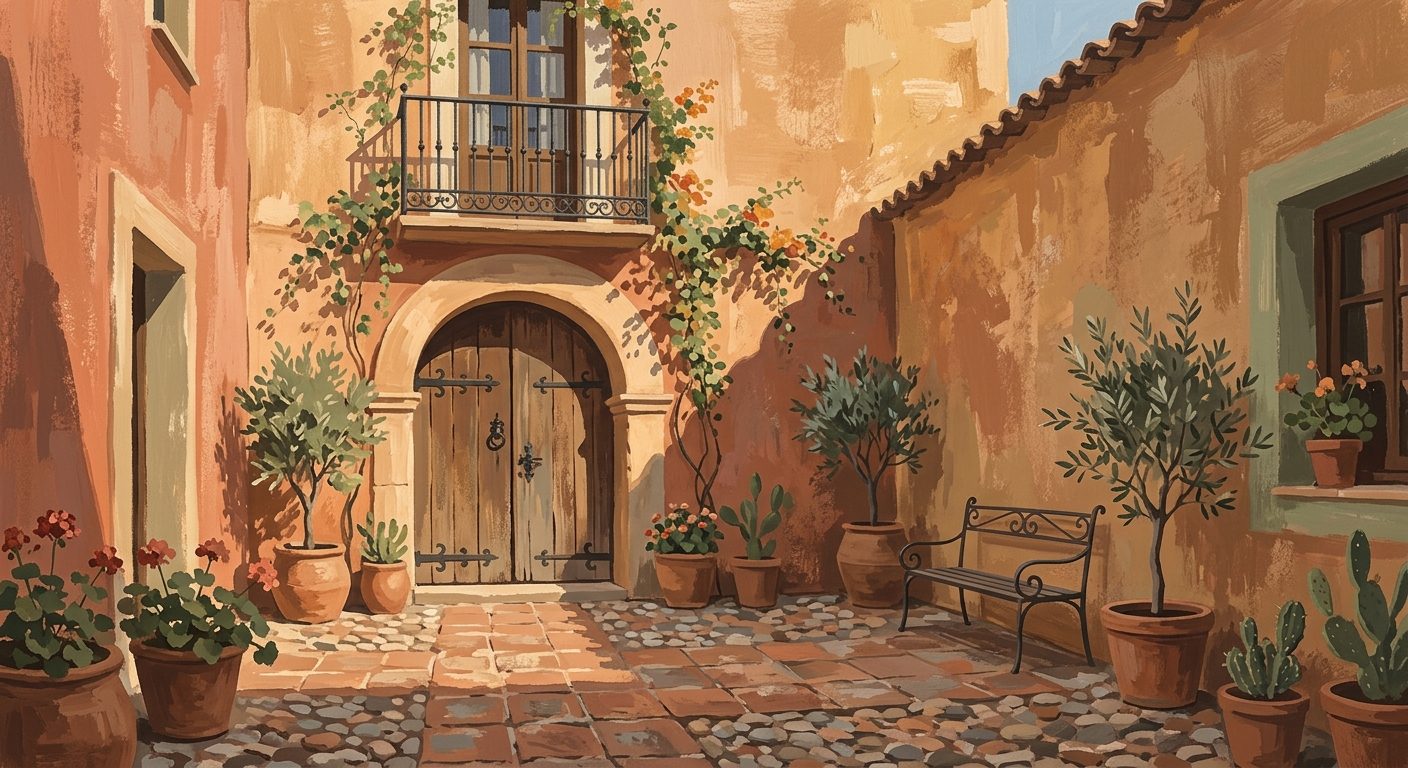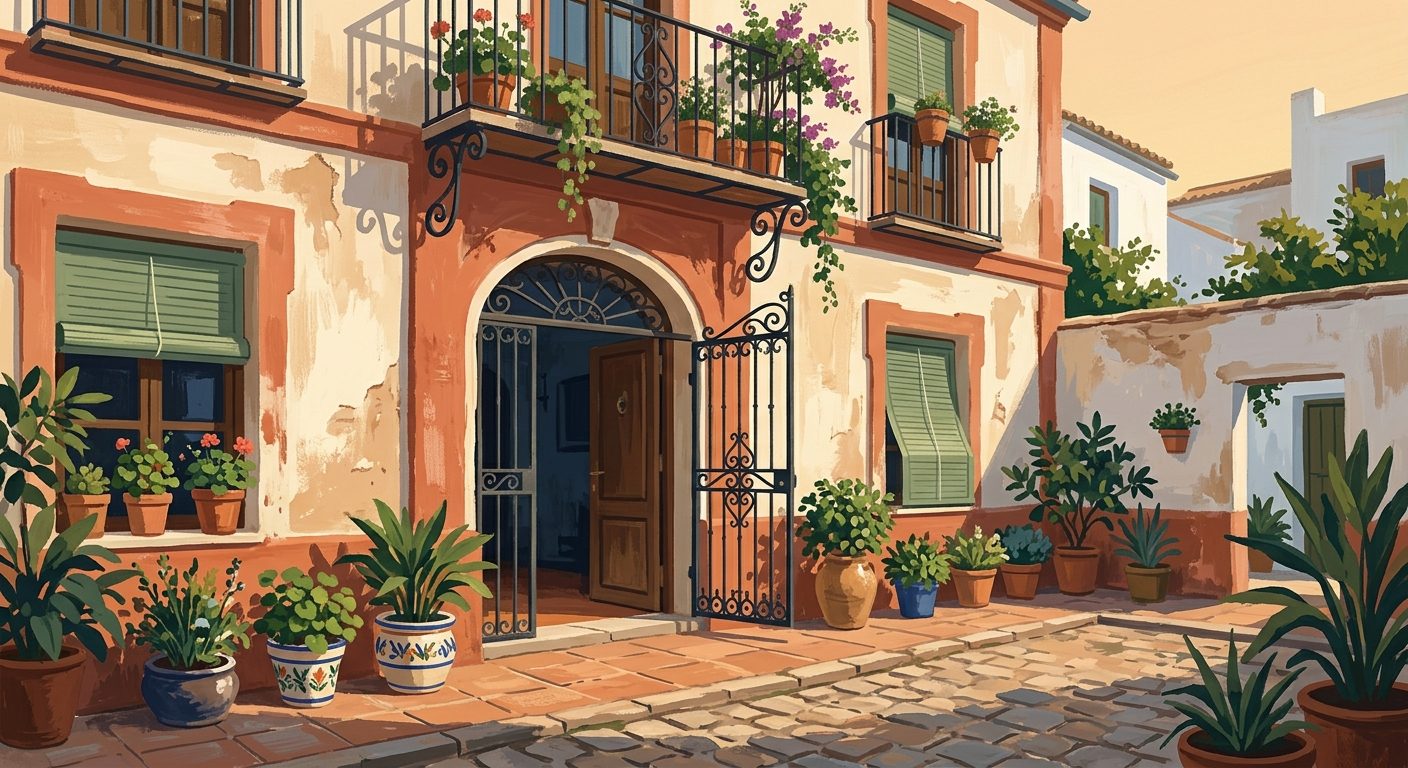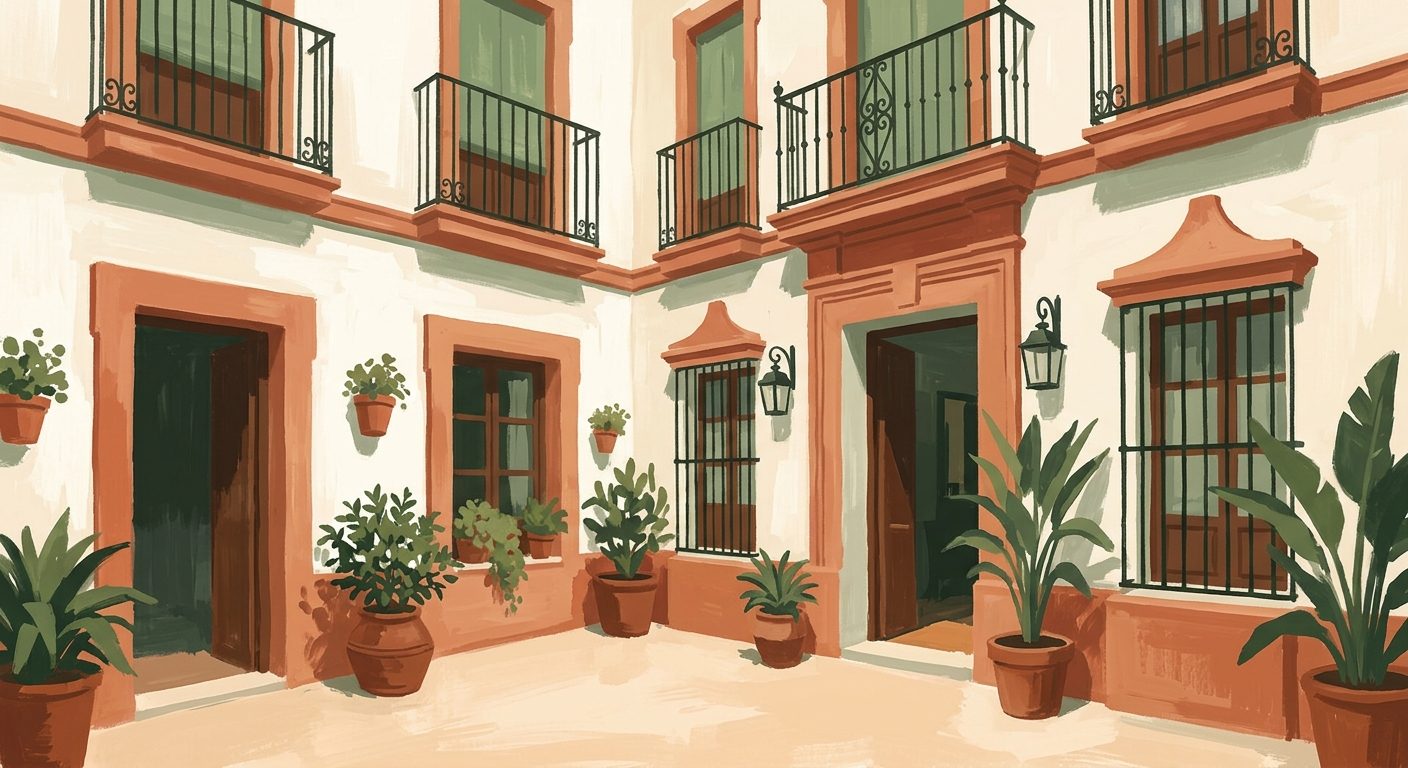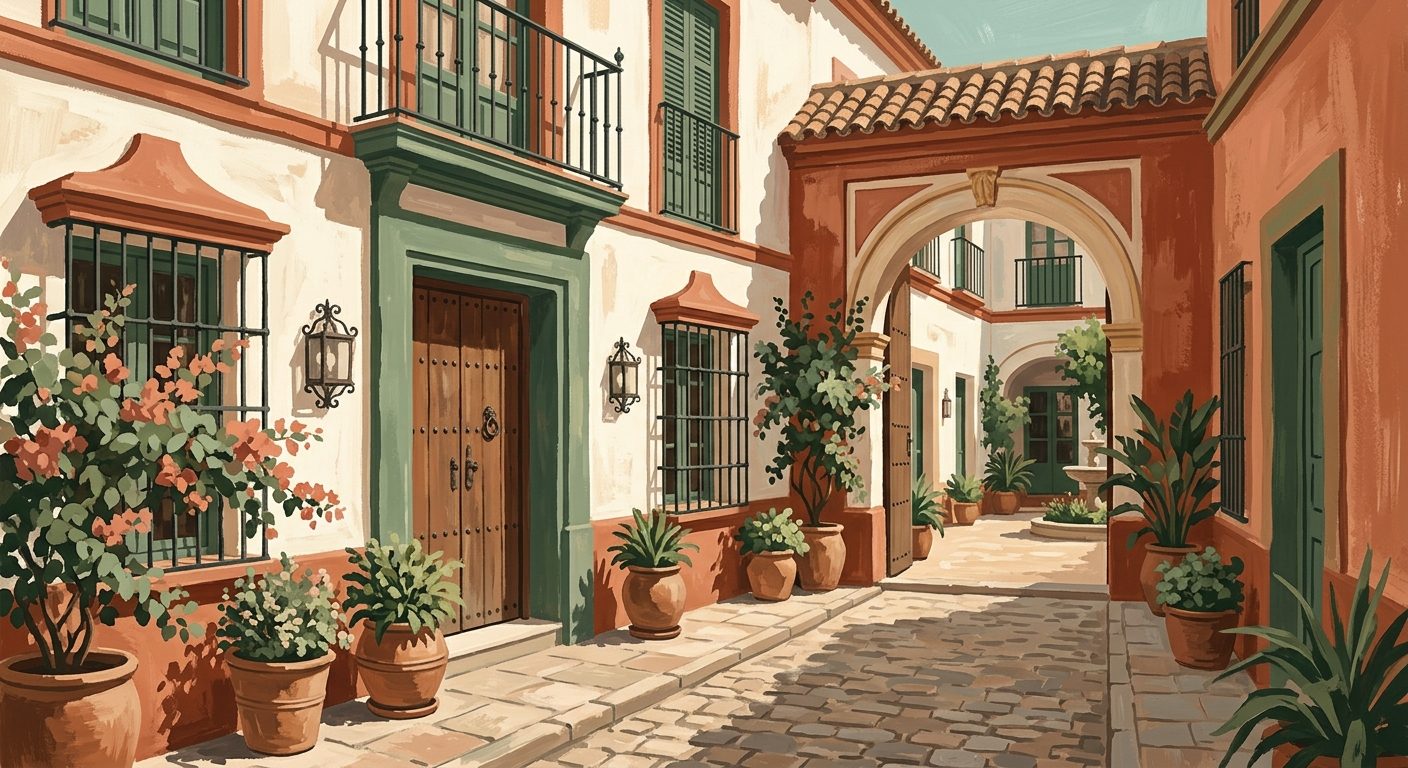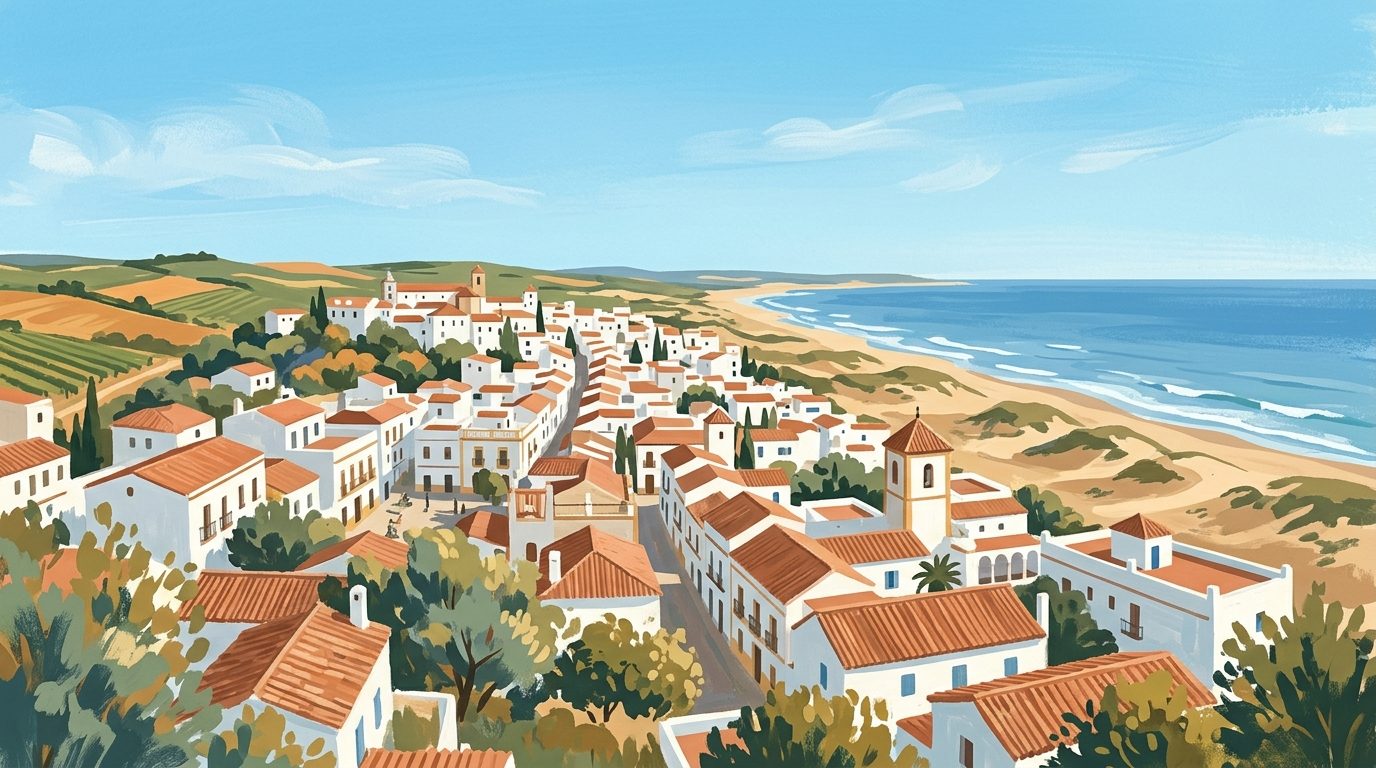
A town of two halves, Chiclana combines a traditional Andalucían centre famed for its wine production with one of Spain’s most expansive stretches of Atlantic coastline. This corner of the Costa de la Luz offers space and authenticity in equal measure.
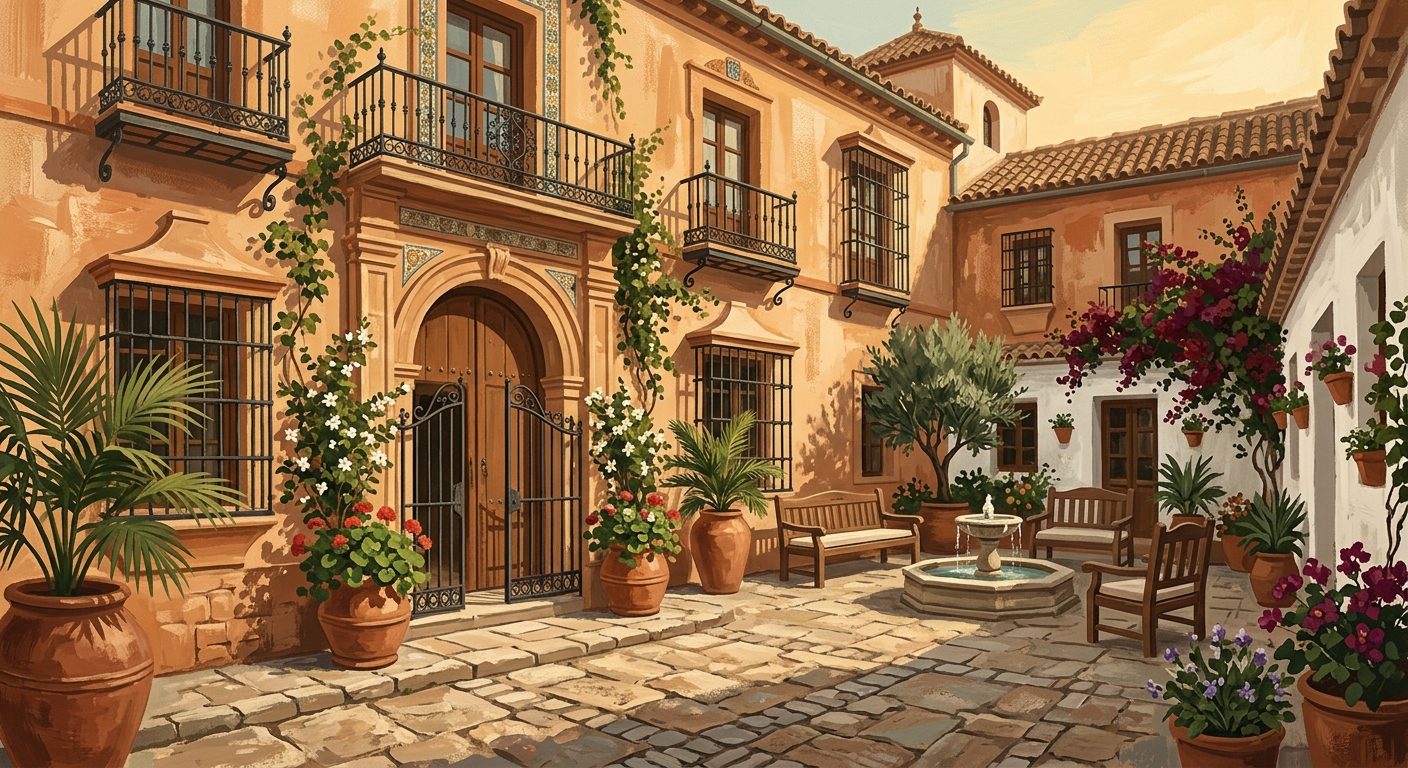
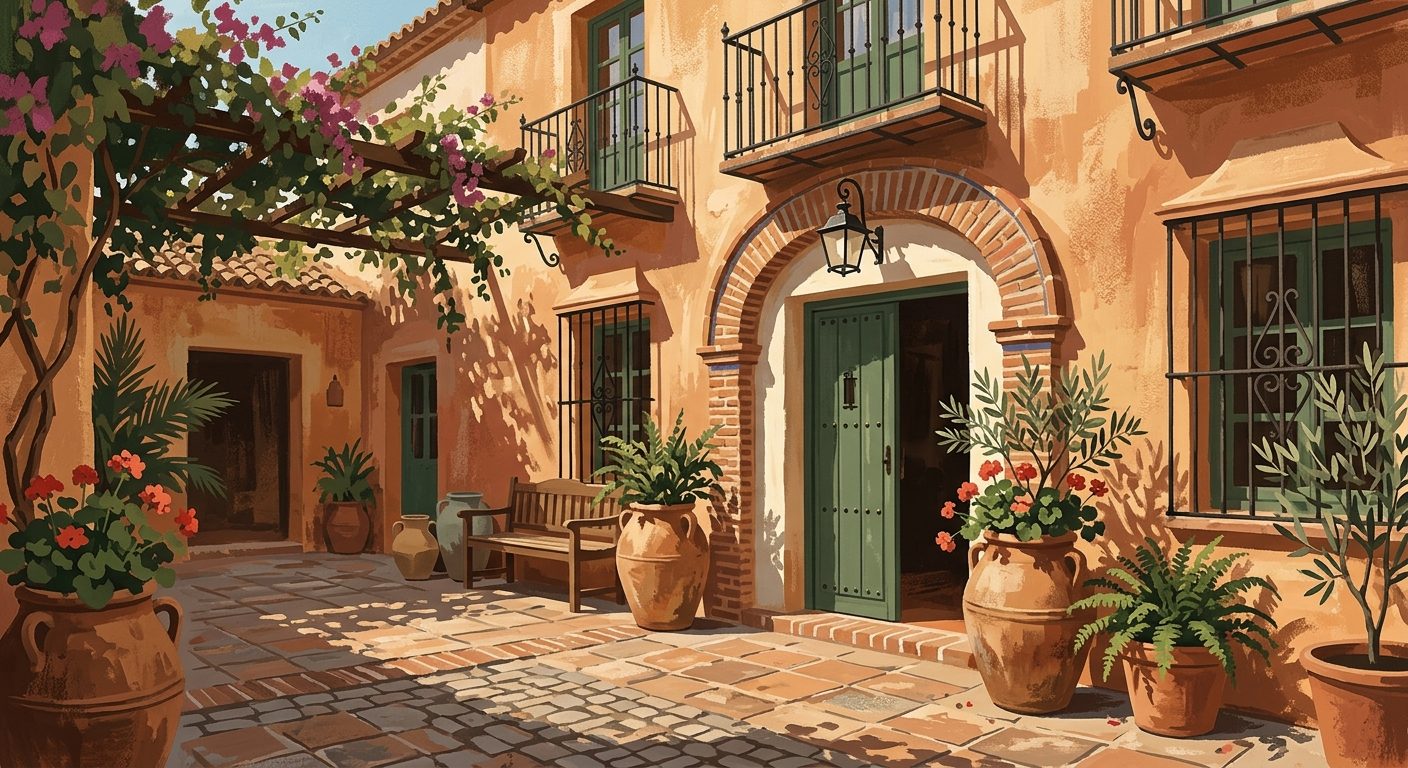
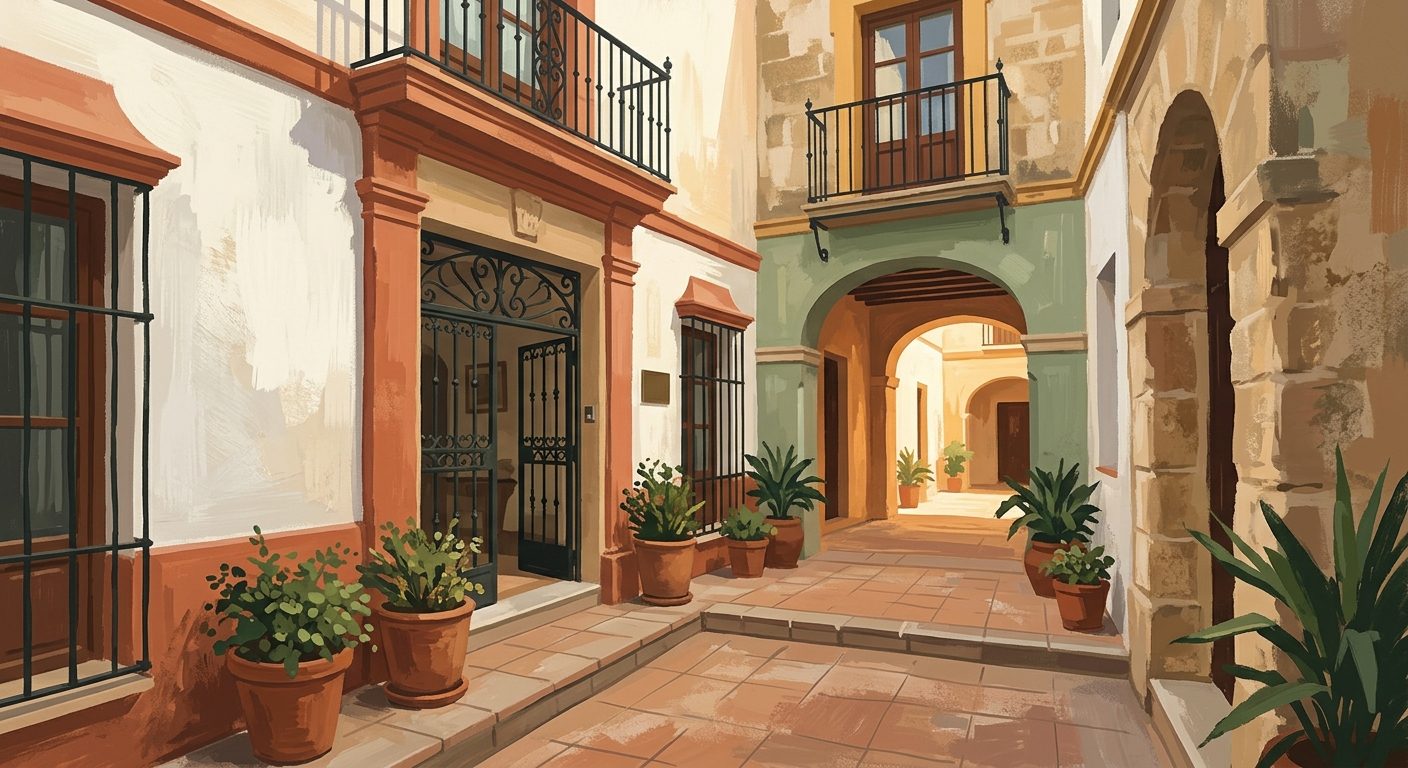
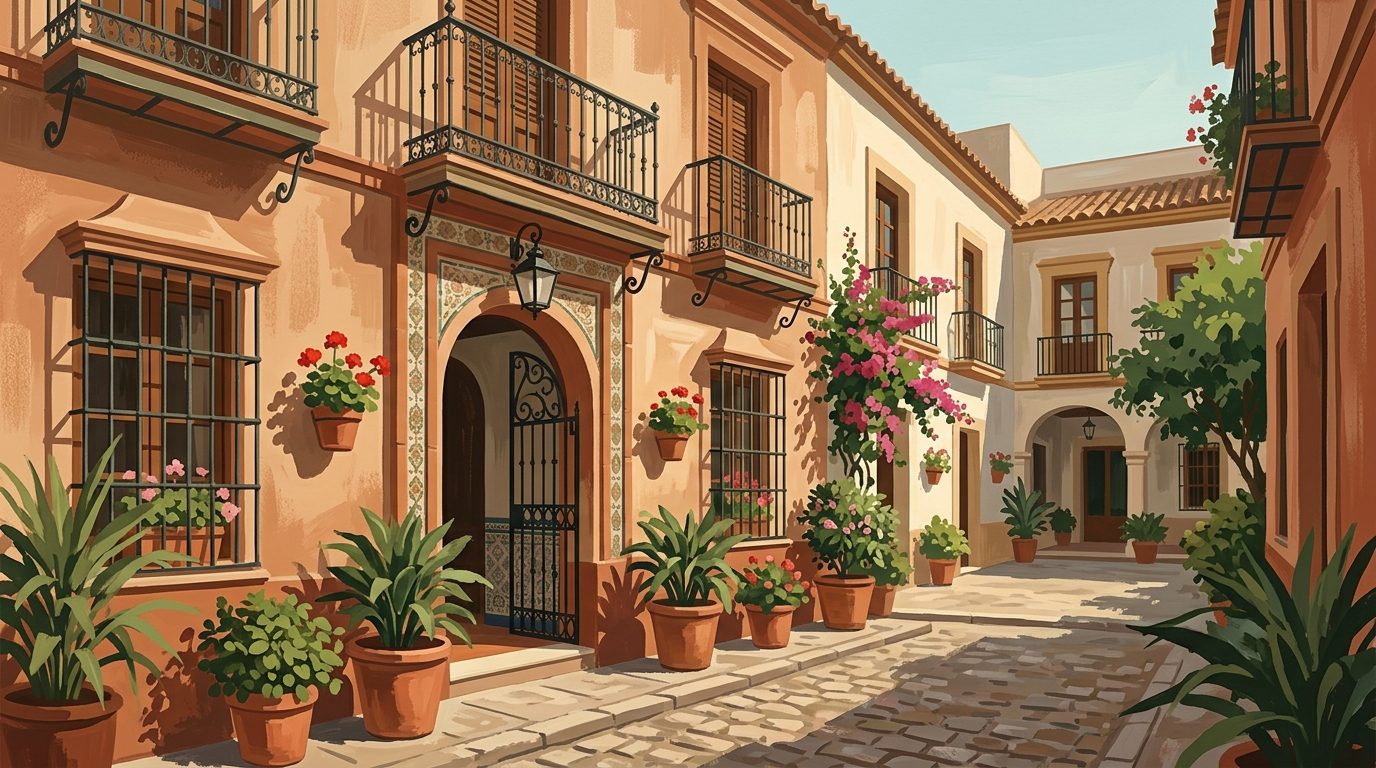
Chiclana de la Frontera sits roughly 25 kilometres south of Cádiz city, occupying a strategic position where the river Iro meets the Atlantic marshes. For many visitors, the name is synonymous with Novo Sancti Petri, a purpose-built resort area that contains some of the finest hotels in Andalucía. However, to see only the resort is to miss the soul of the town. The historic centre remains a hardworking Andalucían hub, defined by its neoclassical architecture, centuries-old wine cellars, and a slow-paced daily rhythm that revolves around the municipal market and local tapas bars. For further local resources, the official Chiclana tourism board is an excellent starting point.
The geography of the area is distinct. Between the town centre and the sea lies a landscape of pine forests and salt pans (salinas), which have provided the local economy with its two traditional pillars: salt and fish. Today, Chiclana is part of the Sherry Triangle’s production zone, known specifically for its excellent Fino and Muscatel wines. This combination of maritime heritage, viticulture, and 8 kilometres of pristine beach makes it a versatile destination for those who want more than just a standard seaside holiday.
What to See & Do
La Barrosa Beach
La Barrosa is frequently cited as one of the best beaches in Spain, and for good reason. It stretches for 8 kilometres and is divided into three distinct sections. The 'First Track' (Primera Pista) features a long promenade lined with shops and restaurants, ideal for families who need facilities close at hand. As you move south towards the 'Second' and 'Third Tracks', the buildings disappear, replaced by high dunes and pine groves. The sand here is remarkably fine and golden, and the Atlantic waters are clean, though often wavy enough to attract surfers. Even in the height of August, the sheer scale of the beach means you can always find a quiet spot if you are willing to walk a few minutes away from the main access points.
The Castle of Sancti Petri
Perched on a small islet at the mouth of the channel, the Castillo de Sancti Petri is Chiclana’s most iconic landmark. The current fortifications date primarily from the 16th and 18th centuries, but the site itself is ancient. Legend says it was the location of the Temple of Melqart (the Tyrian Hercules) in Phoenician times. You can reach the island via a short boat trip from the Sancti Petri marina or, for the more adventurous, by kayak. Watching the sunset from the island, with the sun dipping directly into the Atlantic behind the castle walls, is a quintessential Chiclana experience.
The Old Town and Bodegas
The town centre is split by the River Iro. On the hill overlooking the town stands the Ermita de Santa Ana, an 18th-century chapel with a distinctive white dome that serves as a landmark for miles around. Below, the Iglesia de San Juan Bautista is a masterpiece of neoclassical architecture. Chiclana’s wine heritage is best explored at Bodegas Manuel Aragón, known locally as 'El Sanatorio'. Here, you can sample Fino, Amontillado, and the local speciality, Muscatel 'Gloria'. Unlike the large-scale Sherry houses in Jerez, these are often smaller, family-run operations where the atmosphere is intimate and the connection to the land is palpable.
Salinas de Chiclana
The salt marshes are an integral part of the local ecosystem. At the Salinas de Chiclana, located just outside the town centre, you can learn about the traditional method of sea salt extraction. The site includes a museum and a restaurant where you can try 'pescado de estero' (fish raised in the natural mineral-rich pools of the salt pans). It is also an exceptional spot for birdwatching, with flamingos, spoonbills, and storks frequently visible in the shallow waters.
Practical Information
Getting There
Chiclana is well-connected to the rest of the province. By car, it is a 30-minute drive from Cádiz via the CA-33. From Jerez Airport, the journey takes approximately 40 minutes via the A-4 and E-5 motorways. If you are using public transport, the Tram-Bahía (T1) connects Chiclana directly to San Fernando and Cádiz, with several stops in the town centre. For the beach, the 'Soler' bus company runs regular shuttles (Line 8 and 11) between the town centre and La Barrosa every 20 to 30 minutes during the summer.
Parking
In the town centre, parking can be difficult. The underground car park at Plaza de las Bodegas is the most convenient option for visiting the market and the main sights. At La Barrosa beach, there are large, free parking areas at the Second and Third Tracks, though these fill up quickly on summer weekends. It is advisable to arrive before 11:00 am during July and August.
Opening Times & Prices
- Castillo de Sancti Petri: Boat trips including castle entry typically cost around €15 to €20 (check the official Sancti Petri portal for current 2026 prices before travelling). Times vary based on tides and season.
- Bodegas Manuel Aragón: Open Monday to Friday 09:00 to 14:00 and 17:00 to 20:00 (check seasonal variations), Saturdays 09:00 to 14:00. Tours should be booked in advance; a tasting session usually costs around €10.
- Salinas de Chiclana: The museum is generally open 10:00 to 14:00. Entry is €5, with guided tours available for a small additional fee.
Where to Eat Nearby
For a traditional lunch, head to the Mercado de Abastos in the town centre. Inside the market, small stalls serve fresh seafood cones and local cheeses. If you are near the coast, Restaurante Popeye is a local institution famed for its 'tortillitas de camarones' (shrimp fritters) and salt-baked sea bass. For a more relaxed setting, the 'chiringuitos' (beach bars) along La Barrosa offer excellent grilled sardines. Alevante, located in the Gran Meliá Sancti Petri, holds a Michelin star for those seeking high-end gastronomy based on the 'Sea Chef' Ángel León’s innovative seafood concepts.
Where to Stay
For luxury and direct beach access, the Novo Sancti Petri area is the best choice, featuring high-end resorts like the Iberostar Selection Andalucía Playa or the Royal Hideaway Sancti Petri. These hotels are designed for relaxation with extensive pools and golf courses. For a more authentic, budget-friendly experience, look for small guest houses in the Chiclana town centre. This allows you to walk to the bodegas and tapas bars and experience the town's local life after the beach crowds have departed.