
attraction · Jaén
Centro de Interpretación Olivar y Aceite
Andalucía 365 · Updated 18 July 2026
Our Verdict
“While the technical static exhibits appeal mainly to agricultural historians, the true value of this centre lies in its tutored tastings and specialised shop. It is an essential stop for culinary enthusiasts wanting to decode the complex sensory profiles and cultural importance of Jaén’s world-class olive oil.”
Last verified: July 2026
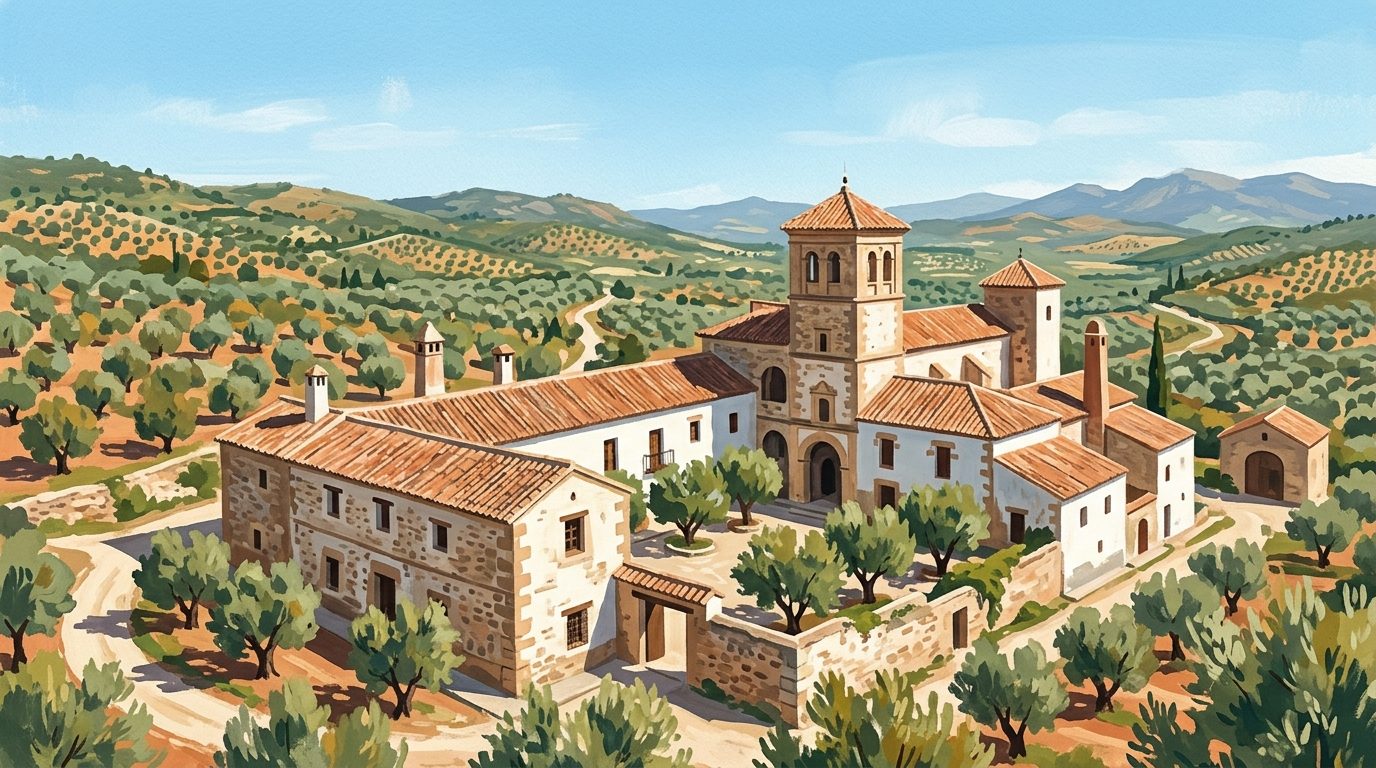
Stepping into the ground floor of the Casa de la Tercia, a seventeenth-century stone building in the historic centre of Úbeda, the sharp, grassy scent of fresh Extra Virgin Olive Oil provides an immediate introduction to the lifeblood of Jaén. The Centro de Interpretación Olivar y Aceite occupies this structure, offering a comprehensive education on the industry that defines the province. With sixty-six million olive trees across the landscape of Jaén, understanding the agricultural and economic engine of the region is essential for any curious independent traveller. The facility serves as an educational museum, a tasting space, and a retail hub. The building itself is steeped in history, originally functioning as a storehouse for the church tithes, where a third of the agricultural produce was collected.
The Cultural Weight of the Harvest
Jaén produces over twenty percent of the global olive oil supply, claiming over 550,000 hectares of olive groves. Yet, the rigorous standards, mechanical extraction methods, and sensory complexity of high-quality Extra Virgin Olive Oil remain misunderstood by many visitors. The centre bridges this knowledge gap, translating the massive scale of the provincial harvest into an educational experience. By focusing on the historical progression from Roman amphorae and animal-powered stone mills to modern centrifugal systems, the institution demonstrates how industrial modernisation transformed the local economy. It explains why the province relies so heavily on this single crop and how the local culture is tied to the annual autumn harvest.
The Museum and Shop Experience
Spanning more than 1,200 square metres, the museum uncovers the agricultural and technological evolution of the industry. The visitor experience flows through a detailed time tunnel, tracing the olive production process from the tree to the mill across different historical eras. Visitors can interact with digital displays explaining different olive varieties, with an emphasis on the ubiquitous Picual olive, alongside regional varieties like Royal and Arbequina. Another area focuses on the Mediterranean diet, clarifying the chemical and sensory differences between lampante, virgin, and extra virgin grades.
For travellers wanting to take the regional harvest home, the ground-floor retail space functions as an impressive oleoteca. The shop offers a diverse collection of local oils that rarely reach standard international supermarkets. Rather than stocking generic commercial brands, the shelves display over five hundred premium, award-winning labels produced by local cooperatives and small family estates. The knowledgeable staff frequently have open bottles available, allowing visitors to sample intense, peppery early-harvest oils or smoother late-season varieties. The shop also features regional cosmetics, olive wood crafts, and local ceramics.
Tutored Tastings and Workshops
Looking at static presses and reading agricultural history only goes so far. The most effective way to understand the local harvest is to participate in a tutored tasting session. Led by trained experts in a dedicated tasting room, these sessions strip away the marketing jargon. Participants learn to identify specific sensory notes characteristic of the Picual variety, such as green tomato, fresh cut grass, and artichoke, while also learning to detect common defects in poorly processed oils.
The centre also features a full kitchen space for specialised culinary workshops and show-cooking events. These demonstrate how different oil varieties complement specific ingredients, teaching visitors how to pair a robust early harvest Picual with cured meats or a softer Arbequina with white fish and chocolate.
A Candid Assessment
The Centro de Interpretación Olivar y Aceite is highly specific in its focus. Visitors with no interest in agriculture or gastronomy will likely find the technical displays dry. However, for culinary enthusiasts wanting to grasp why the surrounding landscape looks the way it does, the centre provides an unparalleled education. The true value lies in booking the guided tastings rather than simply walking through the static exhibits, as sensory engagement elevates the technical information into a memorable culinary experience.
Practical Considerations
The centre is located on Calle Corredera de San Fernando, a short walk from the main monumental squares of Úbeda. Because the facility is housed within a historic seventeenth-century building, visitors with limited mobility should be aware that the architectural layout presents minor challenges. The tasting rooms and ground floor shop are generally flat, but wheelchair users should contact the staff in advance to confirm access to specific workshop areas and upper floors.
To ensure you have reliable information on workshop schedules, confirm details on the official Centro de Interpretación Olivar y Aceite website before planning your visit. Do not rely on assumptions about timetables, as the centre often closes for private events, regional holidays, or staff holidays. A self-guided tour takes roughly an hour, but expect to spend two to three hours on site if you book a tasting session or a cooking workshop.
Sensible Pairings
A visit to the centre combines well with an exploration of the city's sixteenth-century architecture. After learning about the agricultural wealth that built the region, read our guide to The Renaissance Splendour of Úbeda to see how that wealth was spent. Take the short drive across the olive-covered hills to explore its sister city, covered in Exploring Baeza: The Golden Heart of the Spanish Renaissance. If you want to dive deeper into the local harvest, follow The Ultimate Andalucían Olive Oil Route: Jaén and the Subbética, or read our feature on The Weight of the Green Gold: A Season of Siege in the Groves of Jaén.
Nearby worth your time
A few well-placed stops for extending the day without turning it into a checklist.
Continue through Renaissance Cities
Step back into the wider landscape with local guides, nearby places and the province overview.
Things to do · 12 min
Golf in Jaén Province: A Practical Guide to Courses, Clubs, and Holidays
Discover the reality of playing golf in Jaén. From the 9-hole course at La Garza to local societies and combining rounds with olive oil tourism.
Nature & wildlife · 7 min
Sierra de Cazorla: Spain's Largest Protected Area
Covering over 200,000 hectares of rugged limestone peaks and deep river canyons, the Sierra de Cazorla forms the green heart of the Iberian Peninsula.
Itinerary · 11 min
5 Days in Jaén: Renaissance Cities and Cazorla
A realistic five-day driving itinerary through Jaén province, balancing the monumental Renaissance architecture of Úbeda and Baeza with the rugged mountain wilderness of the Sierra de Cazorla.