
Things to do · Jaén
Exploring Beyond the Olive Groves: The Best Day Trips from Jaén
Discover the best day trips from Jaén, from the Renaissance splendours of Úbeda and Baeza to the rugged peaks of the Sierra de Cazorla and ancient Moorish fortresses.
By Dan · Updated 16 July 2026 · 7 min read
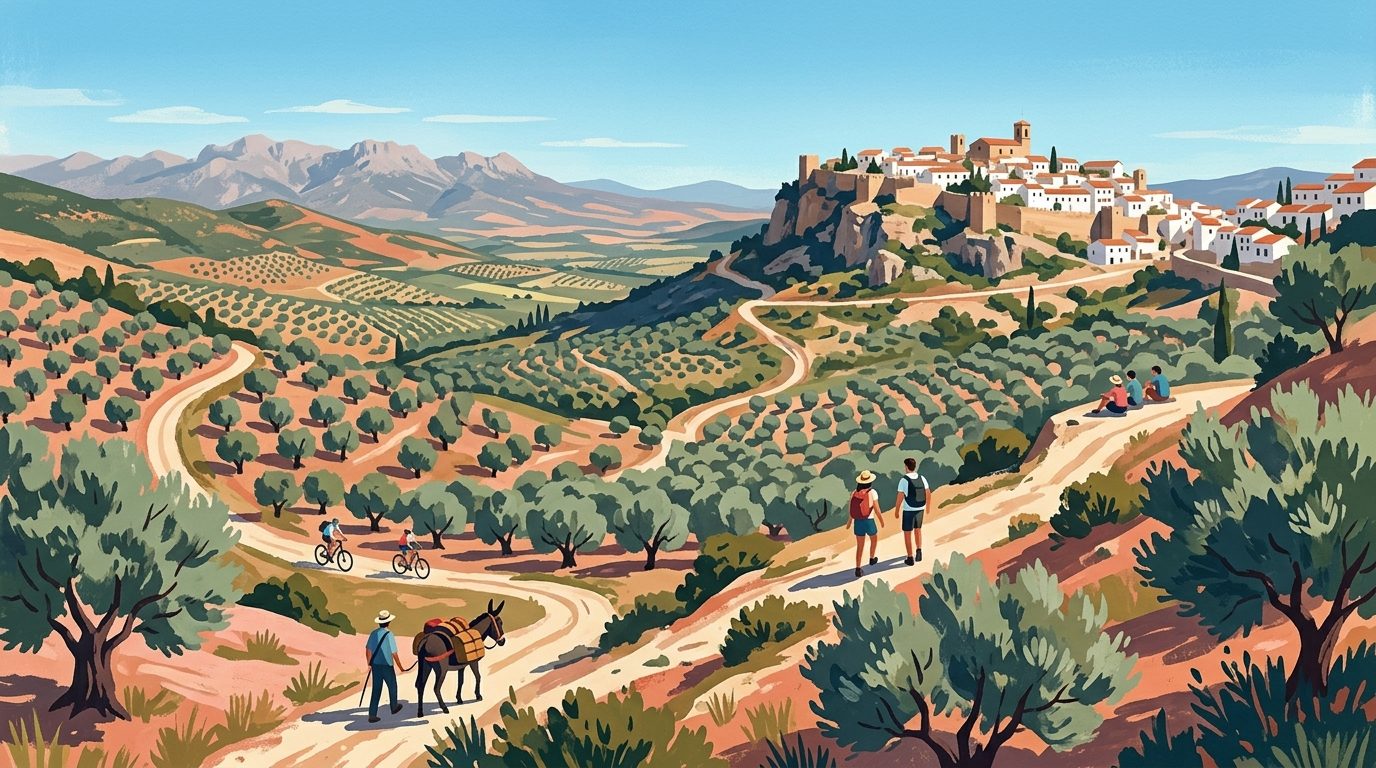
Jaén province offers a surprisingly varied landscape where 66 million olive trees meet some of Spain’s most significant Renaissance architecture. Here we explore the best day trips from the provincial capital, from the wild peaks of Cazorla to the stone palaces of Úbeda and Baeza.
While the city of Jaén is often bypassed by travellers rushing towards the coast or the larger Andalucían capitals, it serves as the perfect base for exploring a province that feels markedly different from the rest of the region. This is the world’s largest producer of olive oil, a fact that becomes obvious the moment you leave the city limits and see the silver-green canopy stretching to the horizon. However, beyond the agricultural heartland lies the largest protected natural space in Spain and a collection of towns that reached their peak during the 16th-century Spanish Golden Age.
A day trip from Jaén is rarely about ticking off famous monuments in a crowded queue. Instead, it is about winding mountain roads, fortress towns that once guarded the border between Christian and Moorish kingdoms, and the quiet dignity of UNESCO-listed plazas. You can the province provides an authentic slice of Spanish life that remains largely untouched by mass tourism if you are looking for an active day of hiking in deep limestone canyons or a slow afternoon of oil tasting and architectural photography.With a hire car or a well-planned bus journey, these locations are all within easy reach for a day’s exploration.
The Renaissance Twin Cities
Just 45 minutes east of Jaén lie Úbeda and Baeza. These two towns are inextricably linked by their shared UNESCO World Heritage status and their transformation during the 16th century under the patronage of Francisco de los Cobos, secretary to Emperor Charles V. They represent some of the finest examples of Italian Renaissance architecture outside of Italy itself.
Úbeda
Úbeda is the larger of the two and feels like an open-air museum of honey-coloured stone. The focal point is the Plaza de Vázquez de Molina, a square that many architects consider one of the most beautiful in Europe. Here, you will find the Sacra Capilla del Salvador, a private funeral chapel with an extraordinary Plateresque facade. Adjacent to it is the Palacio de las Cadenas, now the town hall, which you can enter to see its traditional courtyard.
For a practical tip, head to the Calle Real for local pottery. Úbeda is famous for its green-glazed ceramics, a tradition dating back centuries. Visit the Paco Tito workshop to see the traditional kilns still in use. Most sites in Úbeda charge a modest entry fee (usually €4 to €5), but the atmosphere of the winding backstreets is free to enjoy.
Baeza
Located only 10km from Úbeda, Baeza is smaller and more intimate. It has a scholarly atmosphere, largely due to its ancient university, founded in 1538. The town was a favourite of the poet Antonio Machado, and you can still visit the classroom where he taught French in the early 20th century. The Baeza Cathedral is a standout, built over a former mosque; its interior features a stunning silver monstrance and a series of delicate chapels.
Walk from the Plaza del Pópulo, with its Fountain of the Lions, up towards the old university and the cathedral. The views from the Paseo de las Murallas look out over the 'Sea of Olives' towards the Sierra Mágina. Baeza is particularly quiet during the siesta hours, so plan your visit for the morning or late afternoon when the stone buildings glow in the low sun.
Nature and Adventure
If you head further east, the olive groves eventually give way to the rugged limestone peaks of the Sierras de Cazorla, Segura y Las Villas Natural Park. This is the largest protected area in Spain and the source of the Guadalquivir River.
Sierra de Cazorla
The gateway town of Cazorla is a 90-minute drive from Jaén. It is a steep, white-walled village topped by the Yedra Castle. For hikers, the Coto Ríos area offers access to the Río Borosa trail. This is one of the most famous walks in the region, following a crystal-clear river through narrow gorges (cerradas) and over wooden walkways. The full return hike takes about 6 to 7 hours, but even the first hour provides spectacular scenery.
For those who prefer not to hike, 4x4 tours are the only way to access the 'Zona de Reserva', the most protected parts of the park where you can see griffon vultures, ibex, and wild boar. Expect to pay around €35 per person for a half-day tour. The park is vast, so focus your day trip on either the Borosa river area or the heights around the parador for the best views.
Despeñaperros Natural Park
Located north of Jaén, Despeñaperros is the traditional gateway into Andalucía from the plains of Castilla-La Mancha. It is a dramatic landscape of sheer vertical cliffs and deep canyons. A great day trip involves hiking the trail to the Salto del Fraile or visiting the Collado de los Jardines, where you can see the remains of an ancient Iberian sanctuary. It is an excellent spot for birdwatching, particularly for eagles and vultures that ride the thermals over the pass.
Castles and Fortresses
Jaén province has the highest concentration of castles in Europe, a legacy of its position as the frontier between Christian and Nasrid territories for over 200 years.
Baños de la Encina
A 40-minute drive north brings you to Baños de la Encina, home to the Castle of Burgalimar. Built in 968 AD by the Umayyad Caliphate, it is one of the oldest and best-preserved fortresses in Europe. Its fifteen tapia (rammed earth and stone) towers remain almost exactly as they were a millennium ago. Guided tours are essential to understand the complex history of the site, which has served as a palace, a cemetery, and a military garrison. The town itself is equally charming, with cobblestone streets and views over the Rumblar reservoir.
Alcalá la Real
Southwest of Jaén, near the border with Granada, lies Alcalá la Real. The town is dominated by the Fortaleza de la Mota, an expansive walled city on a hilltop. This site is particularly interesting because it includes a renovated abbey, several residential quarters, and an intricate system of secret tunnels used during sieges. The 'Life on the Frontier' interpretation centre inside the fortress does an excellent job of explaining how locals lived during the Reconquista.
The Culture of Olive Oil
You cannot visit Jaén without engaging with its primary industry. Many of the best day trips involve visiting an almazara (olive mill). While the harvest takes place from November to January, many mills offer tours year-round.
Oleotourism in the Sea of Olives
Towns like Martos and Bailén are the hubs of production. For a contemporary experience, Galgón 99 (producers of the award-winning Oro Bailén) offers tours of their high-tech mill and tutored tastings (booking in advance via their website is recommended). You will learn the difference between 'extra virgin' and 'lampante' oils and discover why the Picual variety from Jaén is so highly prized for its high polyphenol content and peppery finish.
For an active way to see the groves, the Vía Verde del Aceite is a 128km cycling and walking path that follows a defunct railway line. You can hire bikes in Jaén city and cycle a section of the path towards Torredelcampo, crossing old iron viaducts designed by the school of Gustave Eiffel while surrounded by an endless ocean of trees.
Practical Information
Transport: While some destinations like Úbeda and Baeza are well-served by ALSA buses from the main Jaén station (approx. 1 hour, €6 each way), a hire car is highly recommended for the natural parks and smaller castle towns. Parking in Úbeda and Baeza is easiest on the outskirts; the historic centres have very narrow streets and restricted access.
Season: Spring (April to June) and Autumn (September to November) are ideal. Summer temperatures in the Jaén countryside frequently exceed 40°C, making hiking or sightseeing during the day uncomfortable. If visiting in winter, be aware that the Sierra de Cazorla can see snow and temperatures drop significantly.
Costs: Jaén is one of the most affordable provinces in Spain. A menu del día usually costs between €12 and €15, and entry to most major monuments is under €10.
Local Tips
In Jaén, the tapas culture is generous. When you order a drink, a substantial tapa is provided for free. Ask for a "ligá", a local tradition of meeting for pre-lunch drinks and snacks. If you are in Úbeda, try the ochío, a traditional bread roll flavoured with paprika and olive oil, often filled with tuna or black pudding. When buying olive oil to take home, look for the 'Early Harvest' (Cosecha Temprana) bottles; they are bright green and have the most intense flavour. Finally, always check the opening times for monuments, as many close for a long lunch between 2:00 PM and 5:00 PM.
Last reviewed: 21 June 2026 · Editorial policy
Related guides
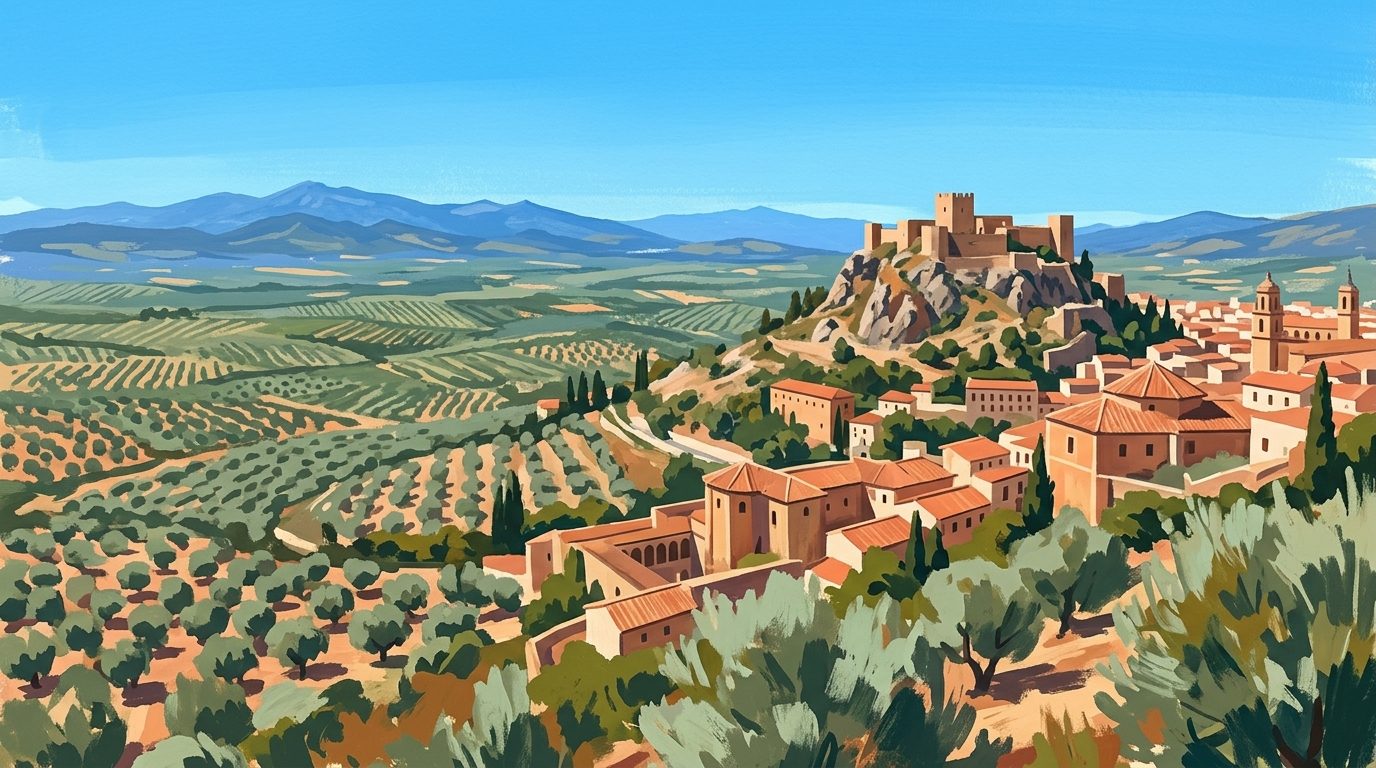
Beyond the Olive Groves: An Insider’s Guide to Jaén Province
Discover Andalucía's quiet frontier, where endless oceans of olive groves give way to masterfully carved Renaissance cities and some of the wildest mountain terrain in southern Spain.
9 min read
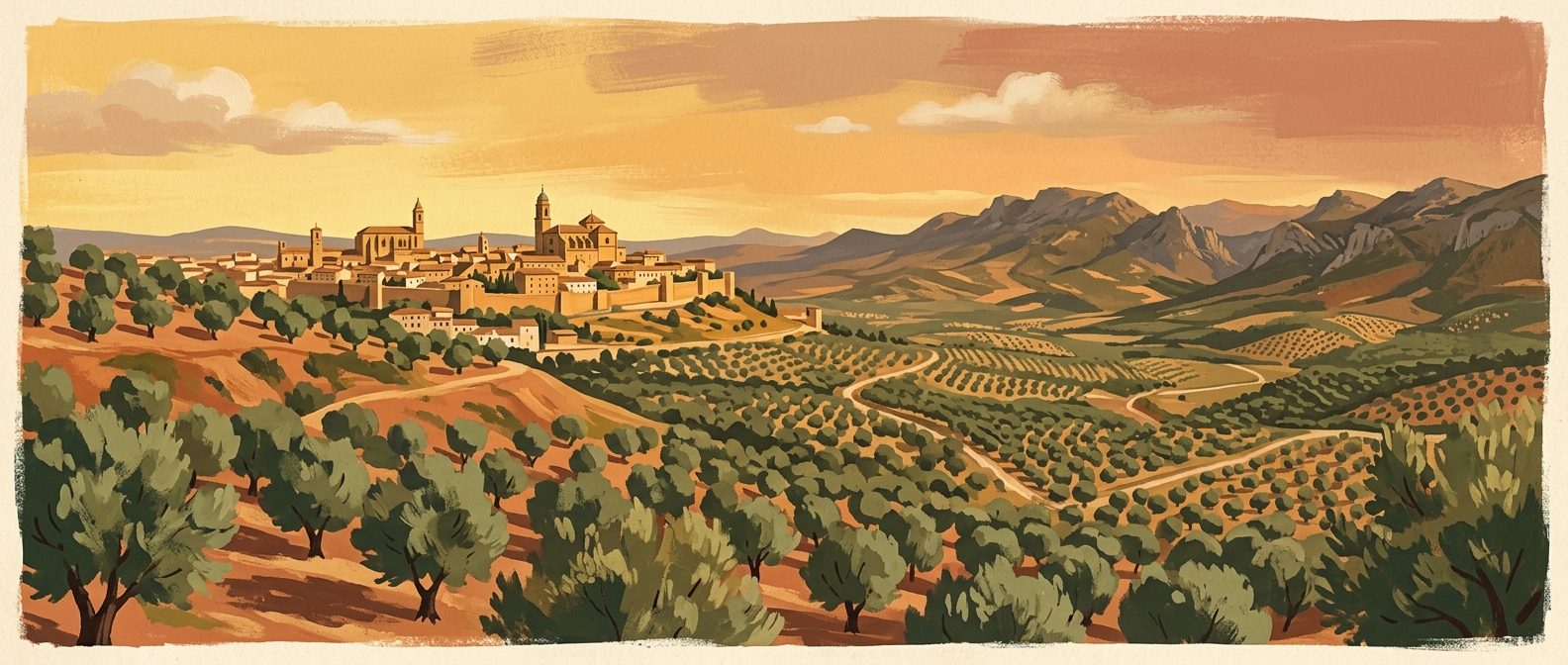
Jaén in May: Renaissance Cities and Untamed Wilderness
Experience Jaén at its peak in May, from the blooming olive groves and the rushing rivers of Cazorla to the sun-drenched Renaissance squares of Úbeda.
6 min read
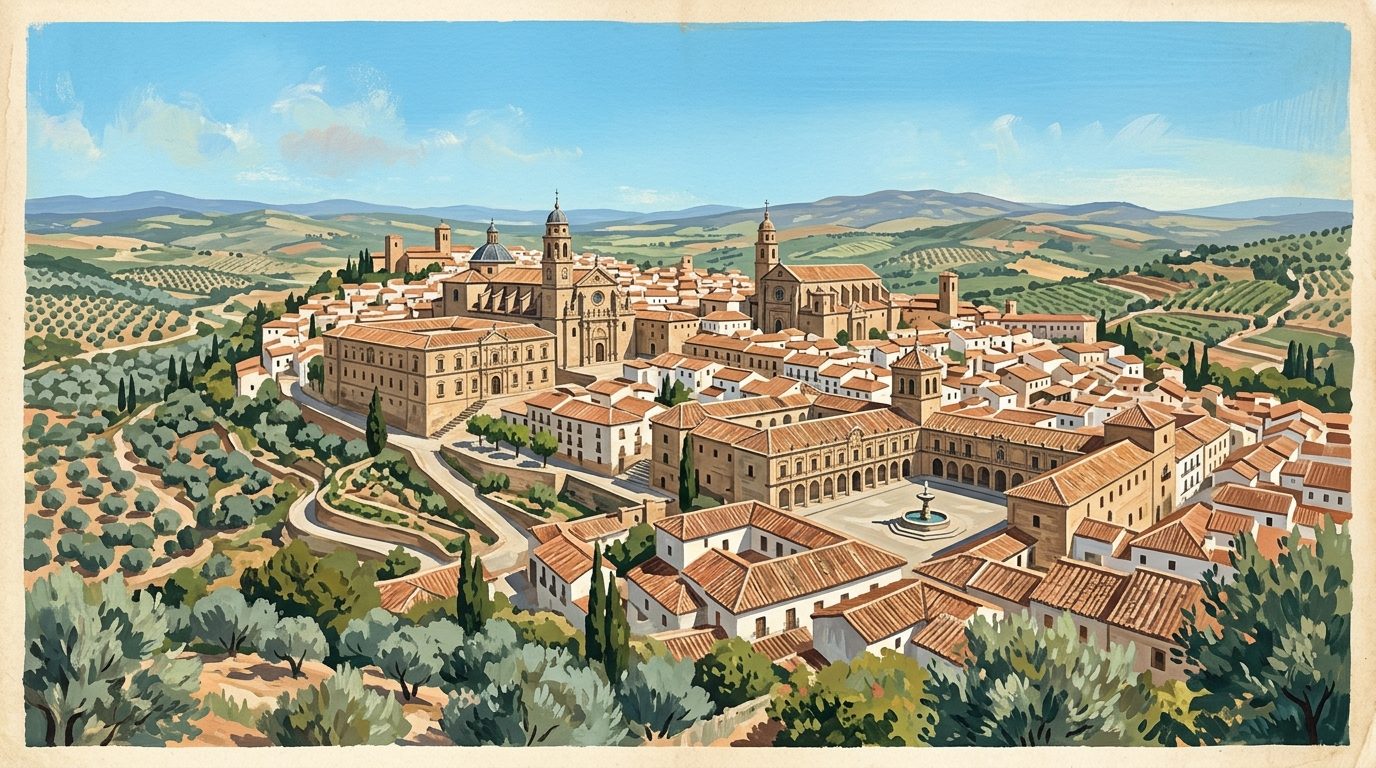
Exploring Baeza: The Golden Heart of the Spanish Renaissance
Standing among the quiet plazas of Baeza, you feel the weight of the Spanish Renaissance in every golden stone. This compact town, overlooking the vast olive orchards of Jaén, offers a preserved glimpse into sixteenth-century power and piety.
6 min read
Santa Catalina Castle: The Fortress Guarding Jaén’s Sea of Olives
Perched on a rocky crag 800 metres above the city, Santa Catalina Castle offers an unrivalled perspective on the vast olive groves of the Guadalquivir valley.
5 min read
Beyond the Olive Groves: A Guide to the Renaissance Soul of Jaén City
Often bypassed for its flashier neighbours, Jaén City rewards those who stop with some of the finest Renaissance architecture in Spain and a culinary scene anchored by the world's best olive oil.
8 min read
A Tale of Two Cities: The Golden Stone of Úbeda and Baeza
Beyond the endless olive groves of Jaén lie Úbeda and Baeza, two cities that define the Spanish Renaissance with their golden sandstone and quiet nobility.
7 min read
More from Jaén
Golf in Jaén Province: A Practical Guide to Courses, Clubs, and Holidays
Discover the reality of playing golf in Jaén. From the 9-hole course at La Garza to local societies and combining rounds with olive oil tourism.
12 min read
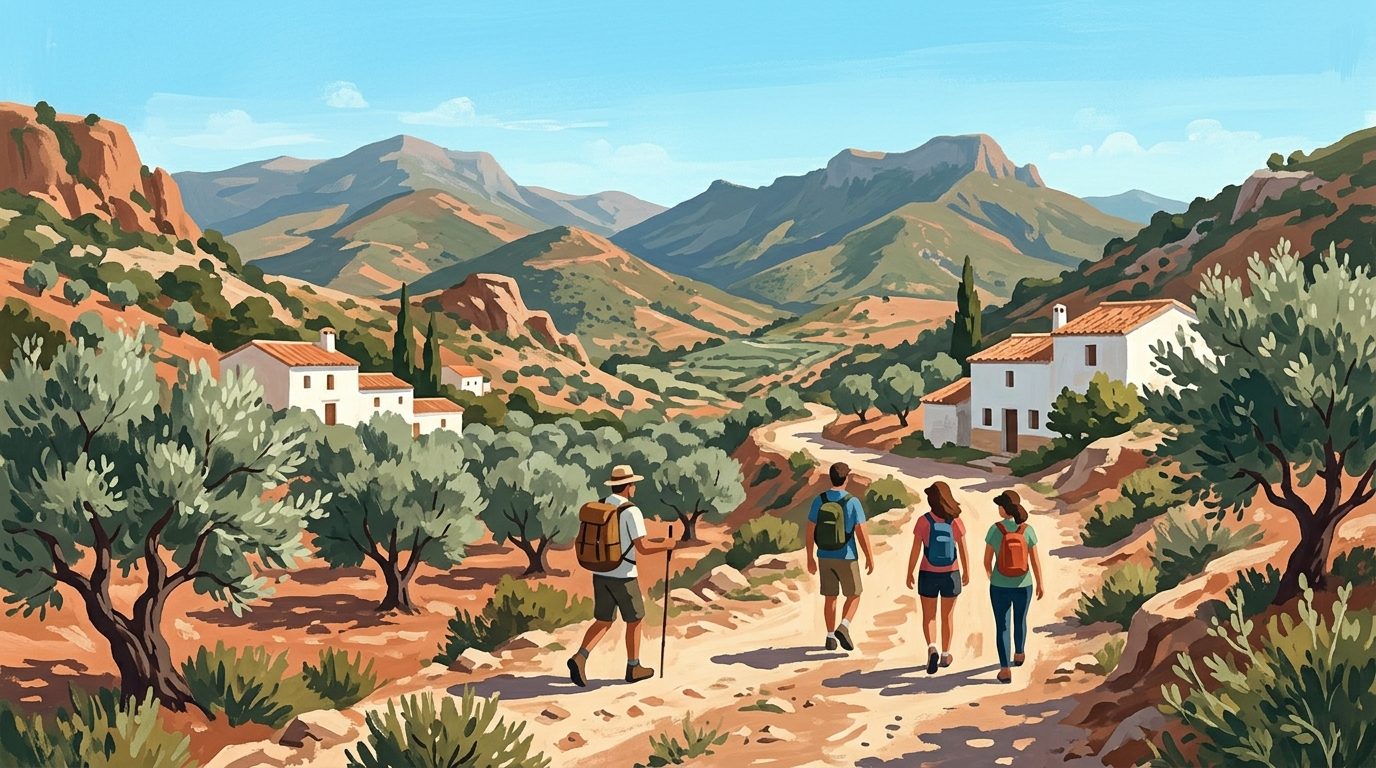
A Guide to Hiking and Walking in Jaén
Jaén holds the largest expanse of protected forest in Spain, offering everything from riverside strolls to high-altitude mountain challenges. This guide explores the rugged terrain of Cazorla and beyond.
6 min read

Where to Find the Best Water Sports in Jaén
Discover the unexpected side of Jaén, where mountain reservoirs and limestone gorges offer world-class kayaking, rafting, and canyoning away from the coastal crowds.
6 min read
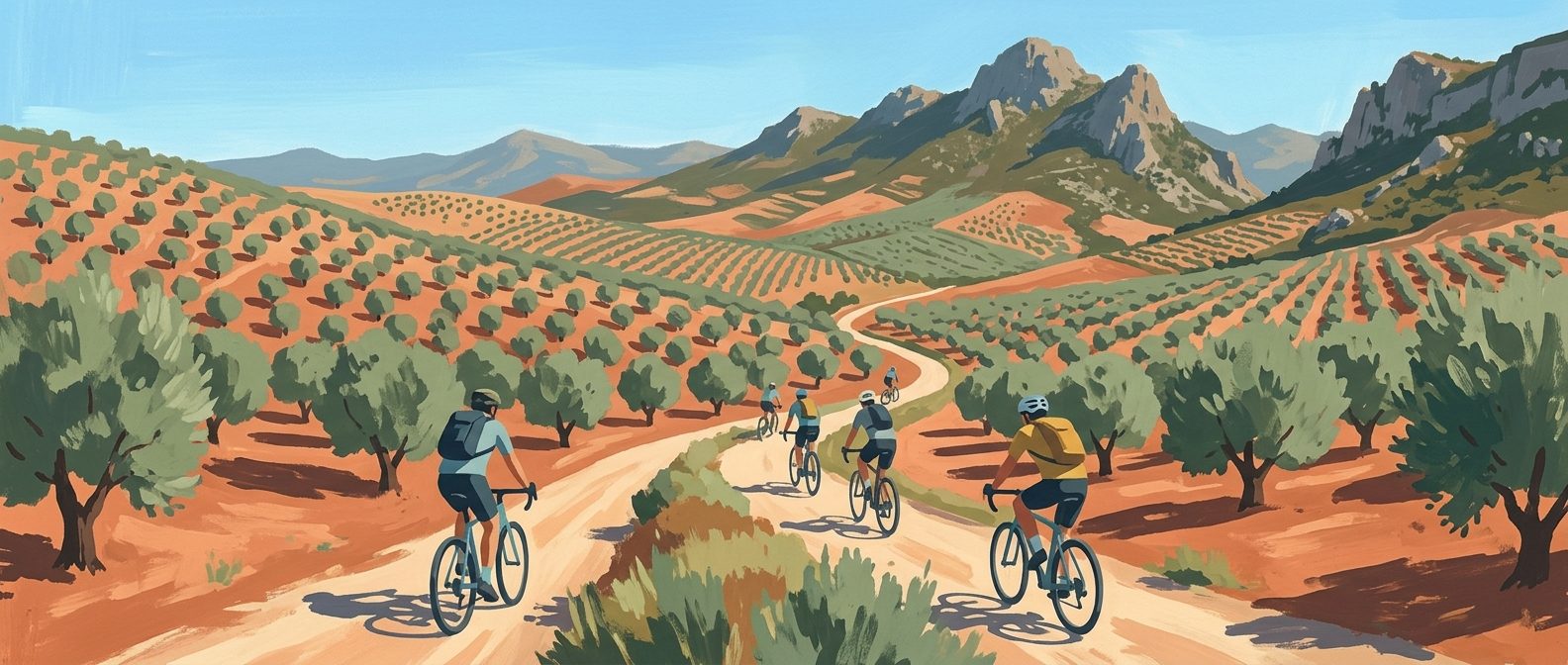
Cycling in Jaén: From Infinite Olive Groves to Rugged Mountain Peaks
Discover why Jaén is Spain’s best-kept secret for cyclists, from the flat Vía Verde del Aceite to the technical trails of the Sierras de Cazorla.
6 min read
Newsletter
More stories from Andalucía
Weekly notes, seasonal picks, and the next guides worth bookmarking.