
attraction · Jaén
Centro histórico - Baeza
Andalucía 365 · Updated 18 July 2026
Our Verdict
“Baeza is an architectural masterpiece that demands a slow, deliberate pace. Its pristine Renaissance facades, quiet university courtyards, and cobbled squares feel entirely removed from modern mass tourism. While the uneven streets require sturdy footwear, the sheer concentration of sixteenth-century stonework makes it essential for anyone exploring Jaén.”
Last verified: July 2026
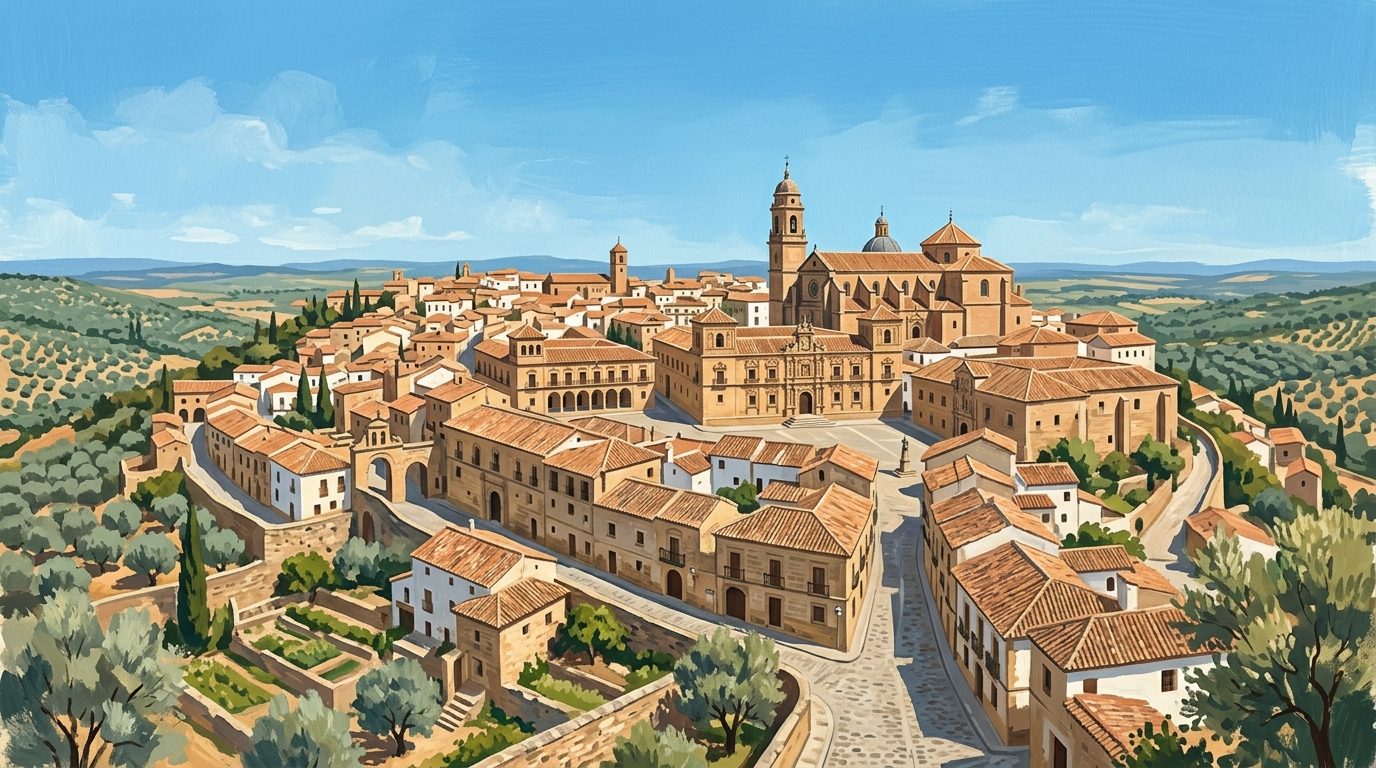
Golden late-afternoon sunlight catches the elaborately carved sandstone facades of Baeza, a quiet city in the province of Jaén that stands as a definitive blueprint for Spanish Renaissance architecture. Encircled by the vast olive groves of the Guadalquivir valley, this compact historic centre reflects the immense wealth and religious power of sixteenth-century Andalucía. Unlike larger regional capitals, Baeza moves at a dignified, unhurried pace. It is an ideal destination for independent travellers who appreciate architectural precision, literary history, and quiet exploration. Visitors arrive here to trace the legacy of master architect Andrés de Vandelvira, explore quiet university courtyards, and walk the same stone streets that once inspired the poet Antonio Machado. Recognised jointly with its neighbour Úbeda as a UNESCO World Heritage site, Baeza functions as an intact open-air museum where civil ambition and theological authority are permanently etched into the stone.
The Plaza de Santa María and the Cathedral
The monumental focal point of the city is the Plaza de Santa María. The square is anchored by the Catedral de la Natividad de Nuestra Señora, a structure built over a former mosque and later transformed by Vandelvira into a Renaissance masterpiece. Inside, visitors find impressive gold-leaf altarpieces and a highly detailed silver processional monstrance. The exterior spaces are equally compelling. In the centre of the square stands the Fuente de Santa María, a triumphal arch-style fountain constructed in 1564 to celebrate the arrival of a permanent water supply to the city. The square is framed by the severe Gothic architecture of the Casas Consistoriales Altas and the seventeenth-century Seminario de San Felipe Neri, whose walls are covered in traditional victor graffiti painted by successful graduating students in centuries past.
The University District and Jabalquinto Palace
Baeza was a significant centre of learning, housing one of the first universities in Andalucía from 1538. The Antigua Universidad remains open to the public, allowing visitors to stand in the original classroom where Antonio Machado taught French from 1912 to 1919. Adjacent to the university stands the Palacio de Jabalquinto, built in the late fifteenth century by Juan Alfonso de Benavides Manrique, a relative of Ferdinand the Catholic. The palace features an extraordinary Isabelline Gothic facade covered in elaborate stone carvings, heraldic shields, and ornamental pinnacles. Today, it serves as the Antonio Machado campus for the International University of Andalucía. The interior courtyard transitions into a refined Renaissance space with a double arcade of marble columns, leading to a Baroque staircase decorated with intricate stucco work.
The Romanesque Survival of Santa Cruz
Just across from the Palacio de Jabalquinto sits the Iglesia de Santa Cruz, a rare architectural survival in southern Spain. Constructed shortly after Fernando III conquered the city in 1227, it is one of the only late Romanesque churches remaining in Andalucía. The building presents a robust, austere exterior with two simple round-arched portals. Inside, the modest, intimate scale of the church provides a stark contrast to the soaring grandeur of the nearby cathedral. A solitary horseshoe arch hints at the site's earlier Visigothic history. The church is preserved in excellent condition, offering a quiet space for visitors to observe the transition of architectural styles from the medieval military period to the later Gothic and Renaissance eras.
Local Traditions and the Taste of Baeza
A walk through the historic centre inevitably leads to the bakeries and cafes surrounding the Plaza del Pópulo. Here, visitors can sample the city's signature sweet, the virolo. First created in the mid-twentieth century, this extremely light puff pastry is made with paper-thin layers of dough, a touch of angel hair jam, and a generous dusting of icing sugar. Eating a virolo with a morning coffee is a fundamental local experience. Afterwards, visitors can admire the Plaza del Pópulo itself, taking in the Fountain of the Lions and the ancient Jaén Gate, which serves as a reminder of the medieval fortifications that once protected the city. Taking a walk along the Paseo de las Murallas at sunset provides an uninterrupted view over the endless sea of olive trees that defines the provincial landscape.
Terrain and Accessibility
The historic core of Baeza is relatively flat compared to the dramatic hill towns of the nearby mountain ranges, making it generally approachable for most walkers. However, the streets are paved with traditional, heavy cobblestones that can be extremely uneven and slippery, particularly after rain. Sturdy, comfortable walking shoes are essential. Wheelchair users and those with limited mobility will find that while the main squares are accessible, navigating the narrower side streets and the thresholds of older historic buildings requires careful planning. Many of the primary monuments have been adapted with ramps, but full access to upper floors or bell towers is often restricted by narrow, steep stairs.
How to Visit and Practicalities
Baeza is most easily reached by car via the A-316 or the N-322. For those travelling by public transport, the Linares-Baeza train station is situated roughly fifteen kilometres from the town centre, with regular bus services and taxis providing the final connection. Parking is available in the underground car park near Plaza del Pópulo or in the modern streets just outside the historic core. It is highly recommended to stay overnight, as the city takes on a completely different atmosphere once the stone buildings are illuminated and the day-trip crowds have departed. Visitors should consult the official Baeza tourism portal to verify up-to-date practical information and the availability of the Bono Turístico, a joint ticket that offers comprehensive entry to multiple monuments across both Baeza and Úbeda.
Sensible Nearby Pairings
No visit to Baeza is complete without exploring its sister city. The Renaissance Splendour of Úbeda lies just a ten-minute drive away, offering grander palaces and a slightly different interpretation of the era's architectural ideals. Together, they form a unified cultural landscape covered in A Tale of Two Cities: The Golden Stone of Úbeda and Baeza. Alternatively, visitors can dive deeper into the region's agricultural heritage by Exploring the Olive Oil Culture of Jaén City, where historic mills and professional tasting rooms explain the complex process behind the world's most productive olive-growing region.
Nearby worth your time
A few well-placed stops for extending the day without turning it into a checklist.
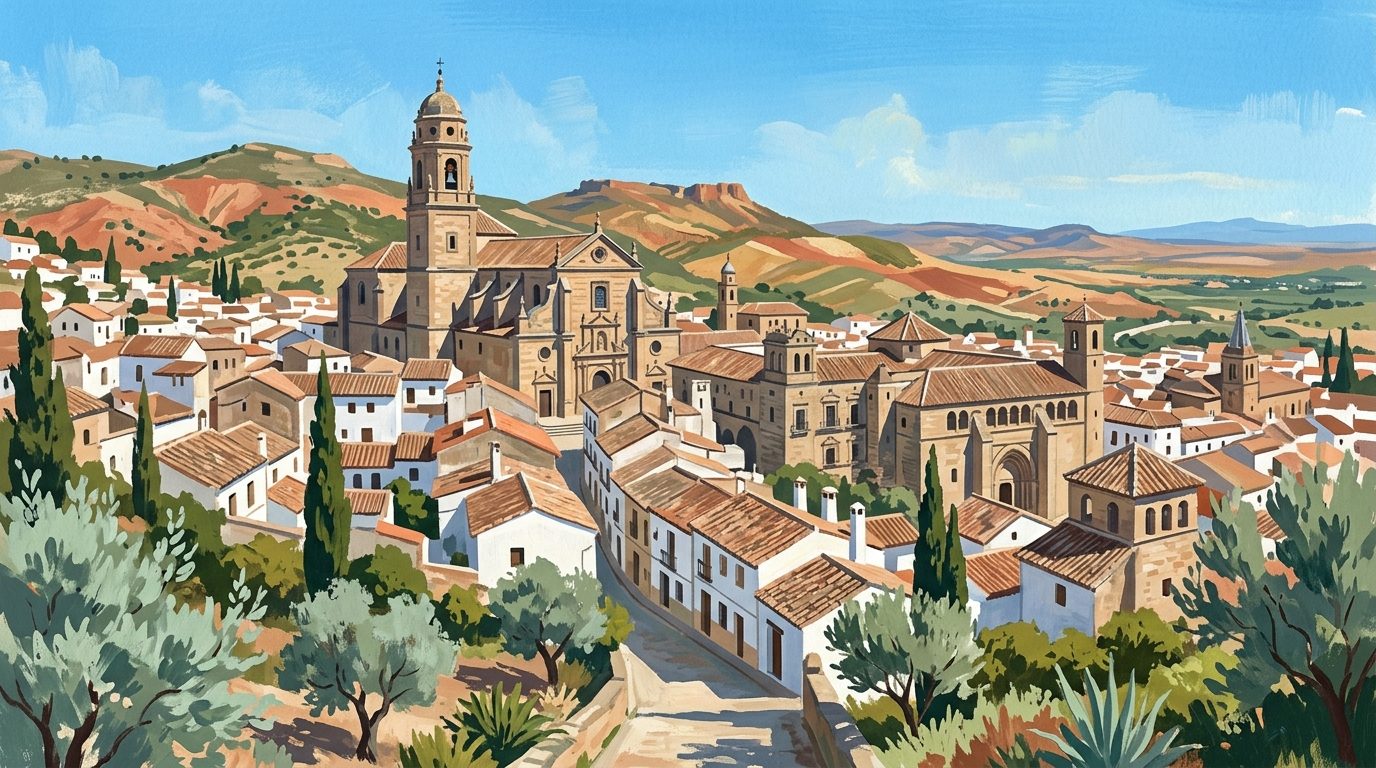
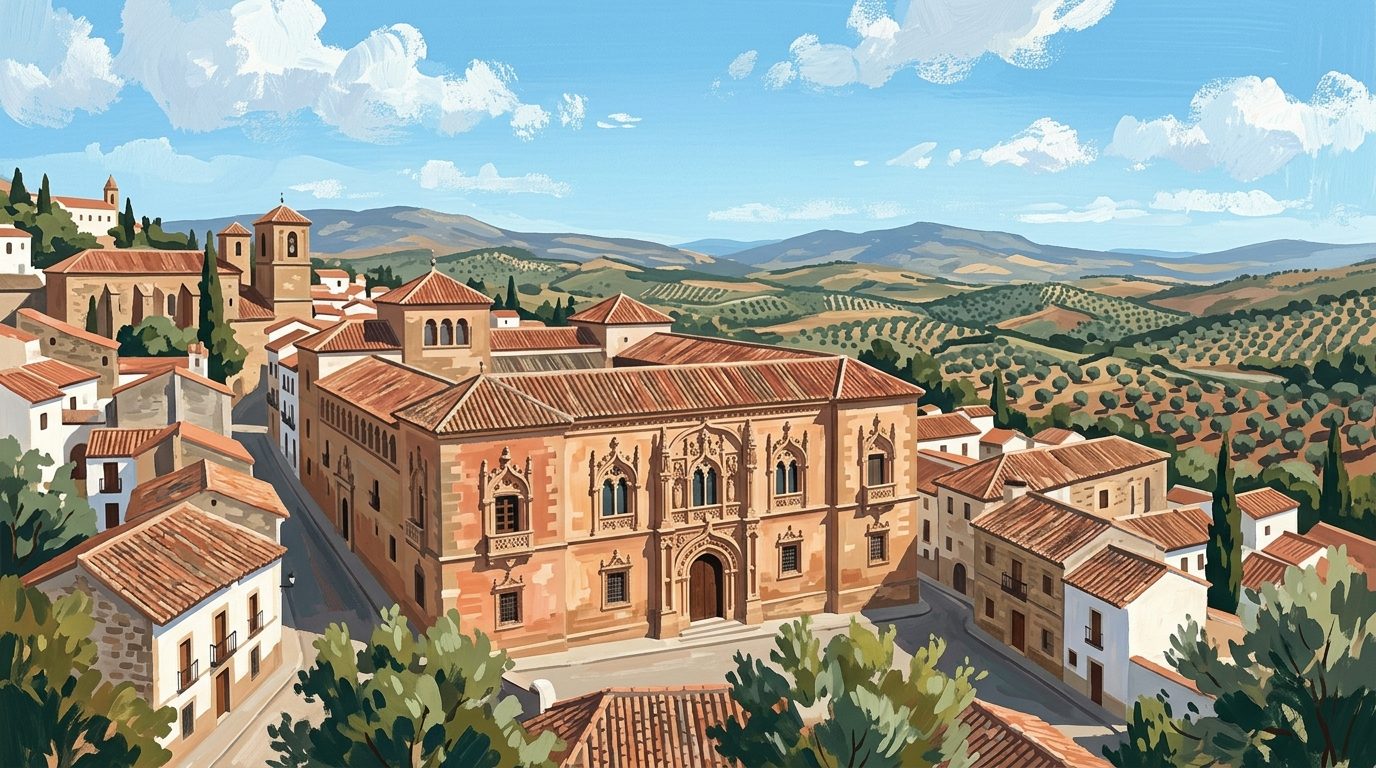
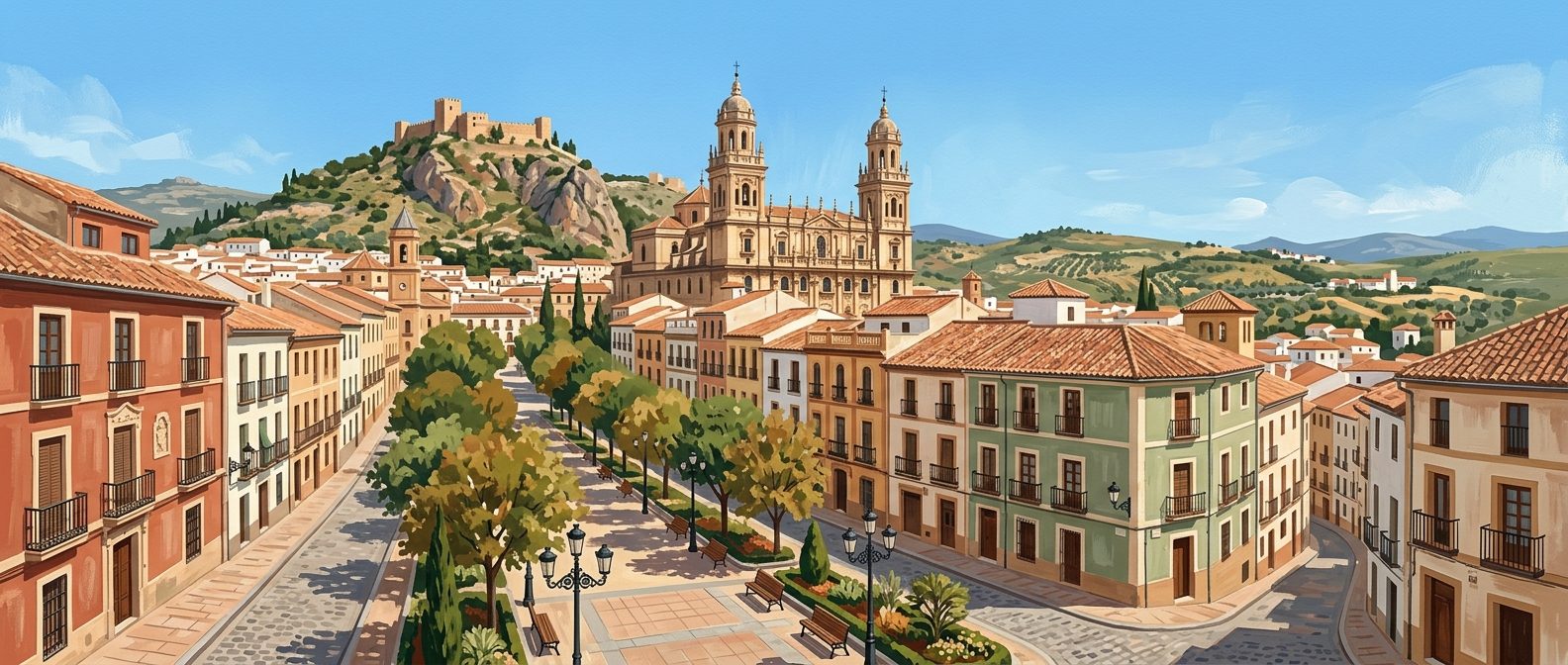
Continue through Renaissance Cities
Step back into the wider landscape with local guides, nearby places and the province overview.
Things to do · 12 min
Golf in Jaén Province: A Practical Guide to Courses, Clubs, and Holidays
Discover the reality of playing golf in Jaén. From the 9-hole course at La Garza to local societies and combining rounds with olive oil tourism.
Nature & wildlife · 7 min
Sierra de Cazorla: Spain's Largest Protected Area
Covering over 200,000 hectares of rugged limestone peaks and deep river canyons, the Sierra de Cazorla forms the green heart of the Iberian Peninsula.
Itinerary · 11 min
5 Days in Jaén: Renaissance Cities and Cazorla
A realistic five-day driving itinerary through Jaén province, balancing the monumental Renaissance architecture of Úbeda and Baeza with the rugged mountain wilderness of the Sierra de Cazorla.