
attraction · Cádiz
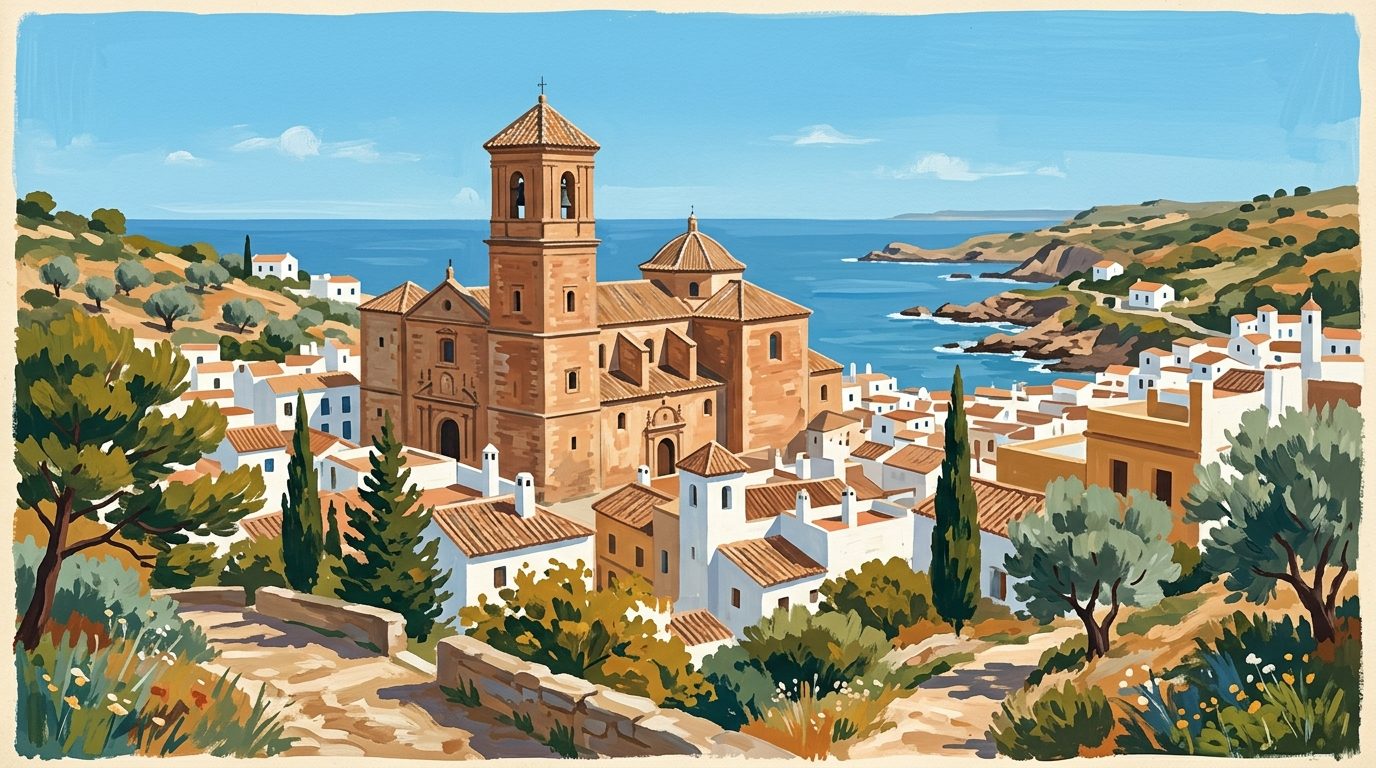
Iglesia de San Miguel
Andalucía 365 · Updated 18 July 2026
Our Verdict
“A monumental masterpiece that effortlessly outshines the city's official cathedral. The soaring Gothic vaults and intricate wooden altarpiece provide a spectacular visual reward, while the location grounds you in the authentic gitano culture of the San Miguel district. An essential stop for architecture lovers and flamenco historians alike.”
Last verified: July 2026
Rising above the narrow streets of Jerez de la Frontera, the Iglesia de San Miguel commands attention with its striking tiled spire. The moment you step through the monumental Baroque portal, the scent of ancient stone and incense fills the air, and the sheer scale of the interior becomes apparent. Ordered by the Catholic Monarchs in 1484, this monumental church represents a sophisticated architectural transition. It evolves from slender, star-vaulted late Gothic pillars to the ornate flourishes of the Sevillian Baroque. For many architecture historians and independent travellers, this building surpasses the actual cathedral of the city in its artistic cohesion.
A Cathedral in All But Name
Despite lacking a bishopric historically, San Miguel was built on a majestic scale that dominates the surrounding domestic rooftops. The exterior is a fascinating study in architectural evolution. The side entrance known as the Portada del Evangelio displays pure late Gothic restraint, while the main facade is a masterpiece of seventeenth-century Andalusian Baroque. Designed by local master builder Diego Moreno Meléndez, this towering facade features tiered Corinthian columns and elaborate stone carvings that contrast sharply with the sober stonework of the earlier sections. Inside, the three rectangular naves create a vast, echoing space. The central nave is noticeably higher, supported by clustered pillars decorated with intricate, florid Gothic canopies. The star-shaped rib vaulting in the side chapels displays the technical mastery of fifteenth-century stonemasons, who achieved a sense of weightlessness using heavy local limestone.
The Retablo Mayor
The high altar is the crowning glory of the interior and serves as the visual anchor of the entire nave. This massive wooden structure was initiated by Juan Martínez Montañés, a master sculptor frequently referred to as the God of Wood, and completed by José de Arce in the seventeenth century. The carvings display an extraordinary level of detail, showcasing scenes from the life of Christ alongside the Archangel Michael. Observers will note the lifelike expressions and the intricate application of gold leaf, which catches the natural light spilling from the high windows. This piece is widely considered one of the finest surviving examples of the Sevillian school of sculpture. Visitors should spend time observing the tiered hierarchy of the figures, which represent the absolute pinnacle of Spanish Renaissance and Baroque craftsmanship.
The Heart of a Flamenco Neighbourhood
Beyond the heavy stone walls, the church anchors one of the most traditional districts in Jerez. The San Miguel quarter is famous throughout Andalucía for its deep roots in flamenco culture, and the church reflects this fierce local identity. Many visitors enjoy walking the perimeter of the building to appreciate how the monumental scale of the apse interacts with the whitewashed domestic architecture of the surrounding plaza. Nearby in the neighbourhood, you will find a bronze statue of the legendary flamenco performer Lola Flores, who was born locally and baptised in this very church font in 1923. This deep connection highlights the role of the building not just as a solemn place of worship, but as a central cultural pillar for the local gitano community.
A Candid Assessment
The Iglesia de San Miguel is an essential stop for anyone interested in religious art, architecture, or the social history of Jerez. It offers a quieter, more contemplative experience than the major sherry bodegas or the Royal Equestrian School. However, the purely visual and historical nature of the displays means it might not hold the attention of young children for long. For adults and older teenagers, the church delivers a profound sense of the wealth that flowed through this region during the sixteenth and seventeenth centuries.
How to Visit
The church is situated in the centre of Jerez de la Frontera at Plaza San Miguel. If you are arriving by car, the most convenient option is to use the underground parking facility beneath Plaza del Arenal, which is a five-minute walk from the main entrance. The approach is largely flat and paved, making the main floor of the church accessible for wheelchair users, though the upper tower levels require navigating tight spiral stairs. Since the building remains an active parish, tourist access is often restricted during religious holidays, Sunday masses and weekend weddings. To avoid disappointment, always confirm live opening hours, admission prices and tour availability directly on the official Iglesia de San Miguel website.
What to Pair it With
The church is easily reached on foot from other major sites in the old town. After your visit, a short walk takes you deep into the city centre to explore the authentic tabancos. Read our local guide to eating and drinking in Jerez de la Frontera to find the best places for a glass of dry fino sherry straight from the cask. If you want to understand the broader context of the region, explore our full guide to the city of sherry and horses, or consider heading towards the ocean to experience the Atlantic winds and golden sands of the Costa de la Luz. For architecture enthusiasts comparing the province's grandest religious buildings, a trip to see the golden cupola in our Cádiz Cathedral and Torre Tavira guide makes a logical next step.
Nearby worth your time
A few well-placed stops for extending the day without turning it into a checklist.
Continue through Costa de la Luz
Step back into the wider landscape with local guides, nearby places and the province overview.
Place guide · 7 min
Playa de La Caleta: A Guide to the Historic Heart of Cádiz
Playa de La Caleta is a historic urban bay in Cádiz, famous for its calm waters, ancient fortresses, and the stunning white Balneario spa building.
Place guide · 7 min
Playa de los Caños de Meca: A Guide to the Cádiz Coastline
Discover the wild Atlantic beauty of Playa de los Caños de Meca, from its freshwater springs to the historic Cape Trafalgar lighthouse.
Itinerary · 7 min
Three Days in Cadiz: The Ultimate Itinerary for Independent Travellers
Three days allows you to completely sink into the maritime rhythm of Europe's oldest city. You can cover the historic centre, explore the twin seaside fortresses, and still have time for a sherry tasting afternoon across the bay.