

attraction · Granada
Mirador de San Nicolás
Andalucía 365 · Updated 18 July 2026
Our Verdict
“The most spectacular Alhambra viewpoint is completely compromised by its own popularity at sunset. Go at dawn to appreciate the scale of the Nasrid citadel without battling for space alongside hundreds of other tourists and persistent street vendors.”
Last verified: July 2026
The Most Famous View in Andalucía
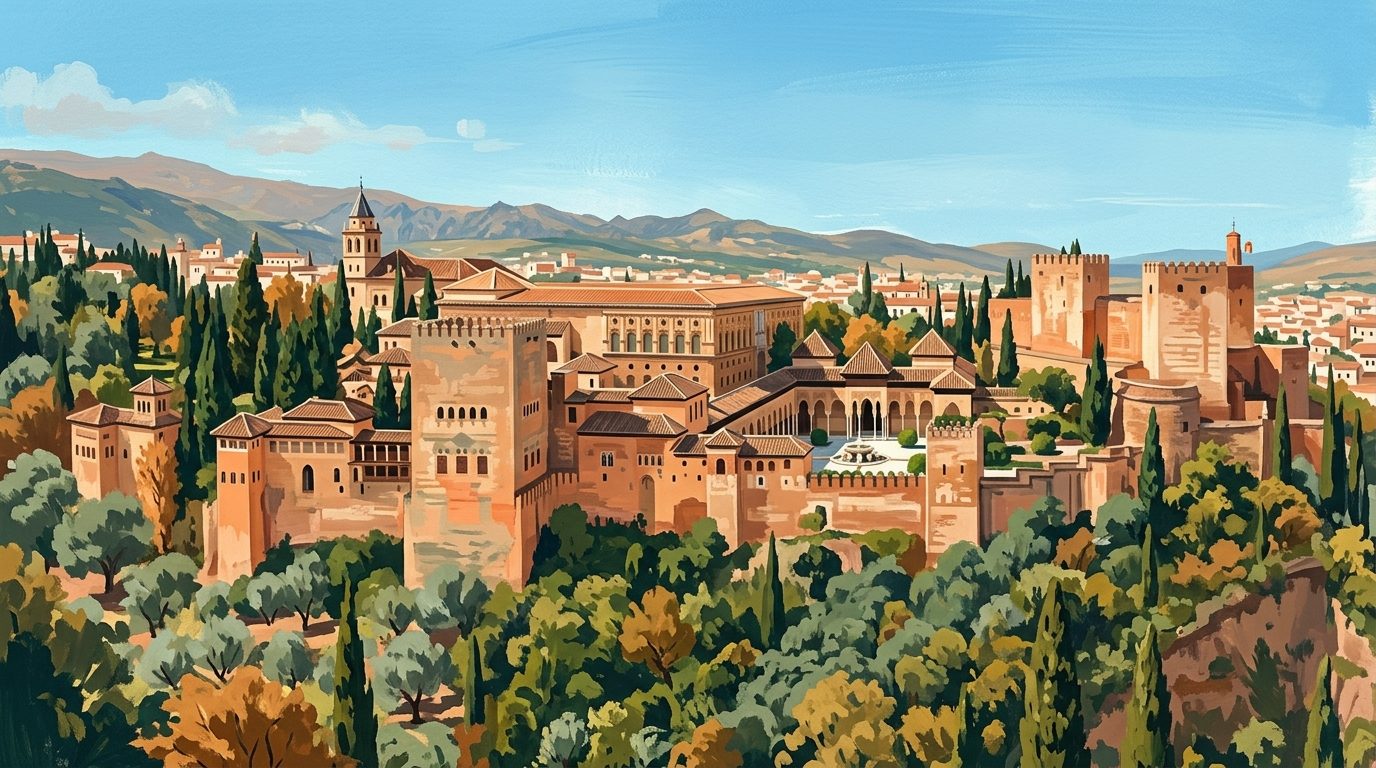
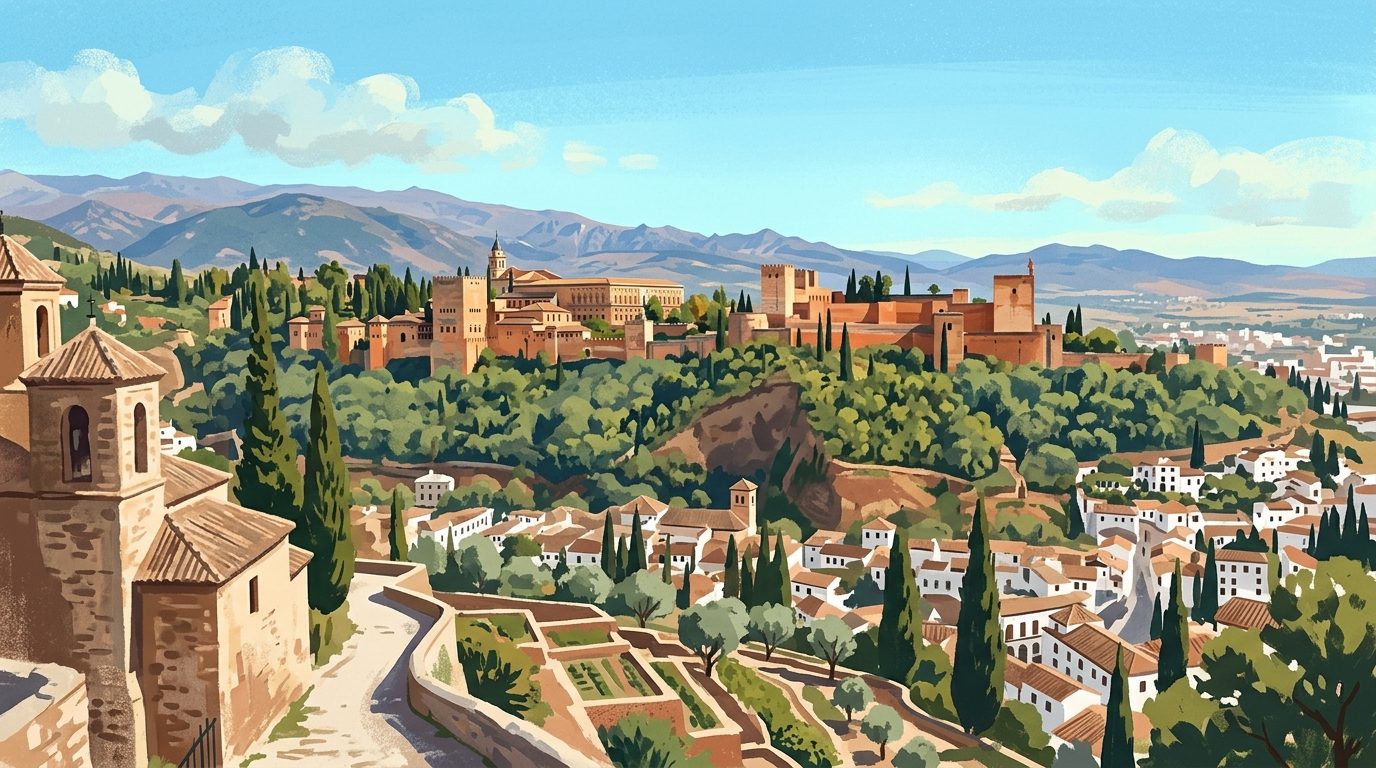
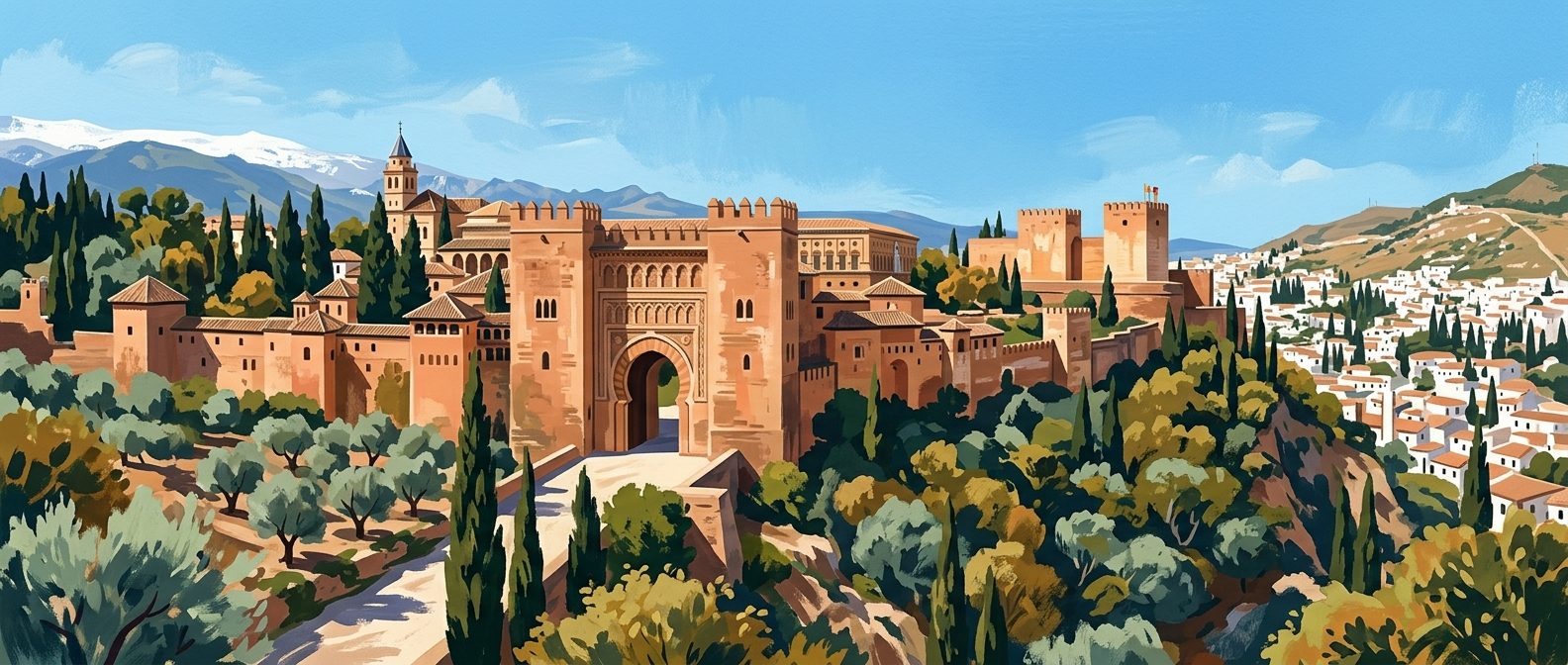
The Mirador de San Nicolás provides what is widely considered the defining image of Granada. Located high in the Albaicín district, this cobbled square offers an unobstructed, panoramic perspective of the Alhambra complex, backed by the snow-capped peaks of the Sierra Nevada. Visitors look directly across the Darro River valley at the Nasrid palaces and the imposing Alcazaba fortress. The visual impact is immediate and striking, explaining why this specific terrace has drawn travellers and dignitaries for decades. Former United States President Bill Clinton visited in 1997, famously remarking on the spectacular nature of the sunset viewed from this exact location. The plaza itself is a wide, paved terrace with a low stone wall where visitors sit to photograph the citadel. However, the international fame of this location means the square is rarely quiet. Throughout the day and well into the evening, the mirador is filled with tourists, flamenco musicians, artisans selling local crafts, and independent vendors.
The Architecture of the Iglesia de San Nicolás
Immediately behind the viewing terrace stands the Iglesia de San Nicolás, an important piece of local heritage that gave the viewpoint its name. Designed by the architect Rodrigo Hernández and constructed in the early sixteenth century, the church is a classic example of the Mudéjar style prevalent in Granada following the Christian reconquest. The building was erected over a former mosque, a common practice during that era, and the original Islamic cistern, or aljibe, still survives on the site. The church features a rectangular floor plan with a single central nave and five adjoining side chapels. Its exterior presents a sober, whitewashed facade characteristic of the Albaicín, topped with traditional sloping roofs made of Arabic tiles. The architectural simplicity of the structure provides a sharp contrast to the intricate palaces visible across the valley.
Historical Turmoil and Restoration
The Iglesia de San Nicolás has endured a turbulent history, particularly during the twentieth century. In the summer of 1932, amidst the political unrest and anti-clerical sentiment following the Sanjurjo uprising, the church was targeted by arsonists. The resulting fire destroyed much of the interior, including the original Mudéjar wooden ceiling over the presbytery, along with altars and significant religious artefacts. The vaulted ceiling survived the initial blaze but collapsed a few years later due to structural weakness, leaving only the tower completely intact. For decades, the church sat in a state of severe disrepair, with restricted access and limited religious services. Comprehensive restoration efforts finally gained momentum between 2011 and 2016. These works addressed severe moisture problems, stabilised the load-bearing walls, replaced the deteriorated roof, and restored the exterior render, ensuring the survival of this historic monument.
Scaling the Bell Tower
While the main square offers exceptional views, the adjacent bell tower of the Iglesia de San Nicolás provides an elevated, 360-degree perspective over the entire city. Erected in 1543, the square tower is built from whitewashed brick and features design elements strongly reminiscent of Hispanic-Muslim minarets. Today, it functions as a Christian bell tower and is open to the public for a separate fee, managed by the Archdiocese of Granada. Climbing the narrow stairs to the belfry rewards visitors with a vantage point that clears the trees and the crowds of the plaza below. From here, the sightline extends beyond the Alhambra to encompass the labyrinthine streets of the Albaicín, the modern city centre of Granada, and the fertile plains stretching out to the west. Access is regulated by tickets available through the official Granada Christian monuments platform.
Timing Your Visit to Avoid the Crowds
The popularity of the Mirador de San Nicolás presents a logistical challenge for those seeking a peaceful experience. The hour before sunset is notoriously congested, as hundreds of people gather to watch the fading light turn the Alhambra walls a deep, reddish-gold. During this time, securing a spot along the front wall requires arriving well in advance, and the atmosphere is loud and highly commercialised. For a more contemplative visit, early morning is by far the superior choice. Arriving shortly after dawn allows you to experience the Albaicín as it wakes up, with cool temperatures and clear, soft light illuminating the Alhambra from the east. The midday heat of summer also thins the crowds, though the harsh overhead sun creates flat lighting for photography.
How to Reach the Viewpoint
Navigating to the Mirador de San Nicolás requires negotiating the steep, winding terrain of the Albaicín, a protected World Heritage site since the 1980s. The neighbourhood is not suitable for standard vehicular traffic, and private cars are severely restricted. For those with a good level of fitness, walking up from the Plaza Nueva or the Paseo de los Tristes provides a scenic, if strenuous, route through historic alleys and past traditional carmenes. The walk takes approximately twenty minutes from the city centre but involves significant elevation gain on uneven cobblestones. A more accessible alternative is the municipal minibus service, commonly known as the Alhambra bus. The C31 and C32 lines run frequently from the city centre and stop a short walk from the viewpoint at the Plaza de San Nicolás. For official transport maps and comprehensive visitor guidance, refer to the Granada tourism board. Taking a taxi is also possible, though drivers must drop passengers at designated points near the square due to the narrow streets.
Nearby worth your time
A few well-placed stops for extending the day without turning it into a checklist.
Continue through Granada City
Step back into the wider landscape with local guides, nearby places and the province overview.
Place guide · 7 min
Playa de Calahonda (Granada) Beach Guide
Playa de Calahonda in Granada offers deep, crystal-clear waters and a dramatic limestone cliff backdrop. This Blue Flag beach is a favourite for snorkelling and authentic Andalucían seafood.
Place guide · 7 min
A Guide to Playa de Salobreña on the Costa Tropical
Playa de Salobreña is a vast stretch of dark sand and clear water on the Costa Tropical, overlooked by a historic Moorish castle and dramatic cliffs.
Itinerary · 10 min
Two Days in Granada: A Step-by-Step Itinerary
Two days in Granada gives you just enough time to explore the Alhambra and lose yourself in the steep alleys of the Albaicín. This itinerary balances major monuments with the city's legendary free tapas culture.