
attraction · Málaga
Museo Casa Natal de Picasso
Andalucía 365 · Updated 18 July 2026
Our Verdict
“The Museo Casa Natal de Picasso is an intimate, biographical experience rather than a blockbuster gallery. Come here to explore the nineteenth-century family home and the early influences that shaped his genius, but head to the nearby Museo Picasso Málaga if you want to see his major painted masterpieces.”
Last verified: July 2026
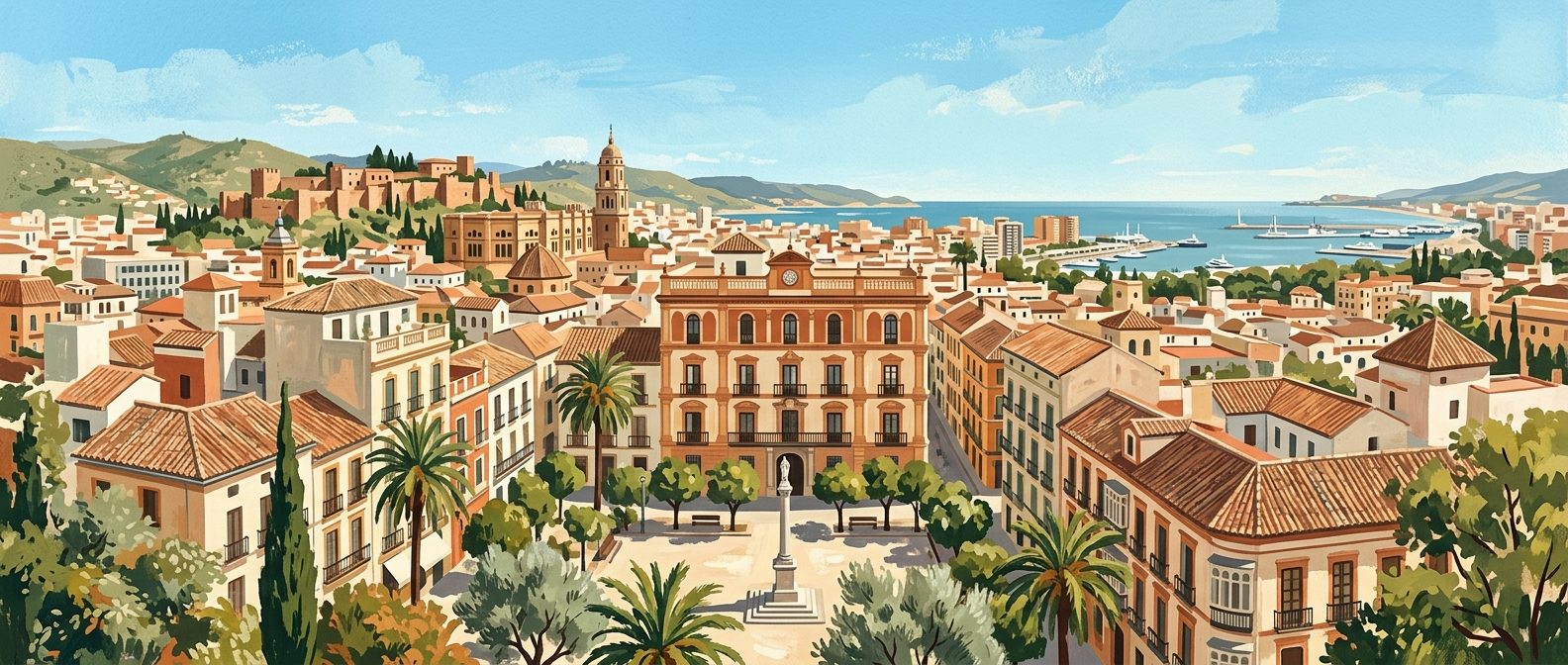
On the corner of Plaza de la Merced in the centre of Málaga, a bronze statue of Pablo Picasso sits on a marble bench facing the tall yellow facade of a nineteenth-century townhouse. Behind these doors at number 15, the most influential artist of the twentieth century was born on 25 October 1881. The property forms part of the architectural complex known as Casas de Campos, constructed in 1868 by the Marquis of Iznate. The Museo Casa Natal de Picasso offers a biographical deep dive into the earliest influences that shaped his creative mind. Declared a Historic-Artistic Monument of National Interest in 1983, the building has been completely rehabilitated. While the larger dedicated art gallery nearby houses his major paintings, this childhood home provides a detailed look at his roots, the bourgeois family environment that nurtured his talent, and the artistic guidance of his father, José Ruiz Blasco.
Inside the Nineteenth-Century Family Home
The rooms where the Ruiz-Picasso family lived have been carefully restored to reflect the domestic reality of a middle-class household in late nineteenth-century Andalucía. Visitors walk through spaces filled with period furniture, authentic textiles, and daily household objects that illustrate the environment of Picasso's formative years. The first floor serves as a time capsule, displaying personal family belongings, photographs, and mementos that ground the legendary artist in a very real, physical space.
A key focus of this section is the influence of his father, who was a painter and a drawing teacher at the San Telmo School of Fine Arts in Málaga. The museum highlights how growing up in a house filled with paints, brushes, and artistic conversations provided the young Pablo with his earliest technical foundation. Visitors can observe works by his father and other local painters from his circle, offering context for the visual language that the young artist first absorbed.
Art, Sketches and Graphic Collections
Although the primary focus is biographical, the museum contains an impressive collection of graphic works and ceramics, and has assembled over 4,000 pieces by approximately 200 different artists. The permanent collection includes over 50 books illustrated by Picasso and other modern masters like Joan Miró, Max Ernst and Marc Chagall. A major milestone for the institution was the 1989 acquisition of Picasso's engraving portfolio, Dream and Lie of Franco. Among the most significant holdings are the preparatory sketches from sketchbook number 7 for his seminal work, Les Demoiselles d'Avignon. These 84 rare drawings offer a direct look into the process that led to the birth of Cubism.
Beyond the sketches, the museum holds a substantial repository of graphic work spanning from 1905 to 1971. This includes a collection of 238 lithographs produced between 1930 and 1960, demonstrating his relentless experimentation with printing techniques. Visitors will also find 34 ceramic pieces created between 1940 and 1946, showcasing his versatility across different physical mediums. The adjacent exhibition space at number 13 Plaza de la Merced frequently hosts temporary shows that explore Picasso's relationship with contemporary art and his enduring legacy.
A Candid Assessment
If you arrive expecting rooms filled with massive, world-famous canvases, you will leave disappointed. The Casa Natal is a biographical museum and research centre, not a blockbuster art gallery. It is best suited to visitors who want to understand the man behind the myth, tracing the roots of his genius to a specific time and place. For art historians, serious enthusiasts, and those curious about nineteenth-century social history in Málaga, it is an essential stop. Casual visitors looking purely for striking visual art might prefer to focus their time on the larger Picasso gallery located just a short walk away.
Practical Visiting Advice
The museum is located right in the historical centre of Málaga City, making it incredibly easy to reach on foot from most central locations. Because the museum occupies a historic townhouse, the exhibition rooms are relatively small and retain an intimate atmosphere. The building is equipped with lifts, meaning the exhibition floors are accessible for wheelchair users. The surrounding Plaza de la Merced is flat, paved, and pedestrian-friendly, offering an ideal spot to sit under the jacaranda trees after your visit. For details regarding current temporary exhibitions and access, consult the official Museo Casa Natal de Picasso website.
What to See Nearby
Málaga offers a dense concentration of cultural and historical sites within a very small radius. To continue exploring the artist's legacy, read Málaga’s Creative Core: A Guide to the Picasso Museum and Soho Arts District, which details the nearby gallery housing his major works.
For a complete change of historical pace, you are only minutes away from the city's ancient Moorish fortress. A Guide to the Alcazaba and Roman Theatre in Málaga will help you navigate these spectacular ruins located just down the street. Alternatively, take a short stroll to see the city's main religious monument. Our guide to Málaga’s Grand Cathedral and the Transformed Waterfront covers both the Renaissance church and the modern port area. If you want to understand how all these elements fit together, Beyond the Airport: Why Málaga is Andalucía’s Most Compelling Coastal City provides a comprehensive overview of the provincial capital.
Nearby worth your time
A few well-placed stops for extending the day without turning it into a checklist.
Continue through Málaga City
Step back into the wider landscape with local guides, nearby places and the province overview.
Place guide · 7 min
Playa de Burriana: A Guide to Nerja's Premier Beach
Discover Playa de Burriana, the most iconic beach in Nerja, known for its wide sands, excellent chiringuitos, and clear waters on the Costa del Sol.
Place guide · 7 min
Playa de Cabopino: Dunes, Pines and Clear Waters near Marbella
A protected enclave of natural dunes and fine sand situated between Marbella and Fuengirola. This coastal stretch offers a rare glimpse of the original Mediterranean landscape.
Itinerary · 13 min
One Week in Ronda: A Seven-Day Itinerary for the Serranía
A seven-day stay in Ronda allows you to experience the deep gorge and ancient streets long after the day-trippers have left. Using the city as a base, you can easily explore the surrounding white villages, hike the Sierra de las Nieves, and settle into the true rhythm of mountain life.