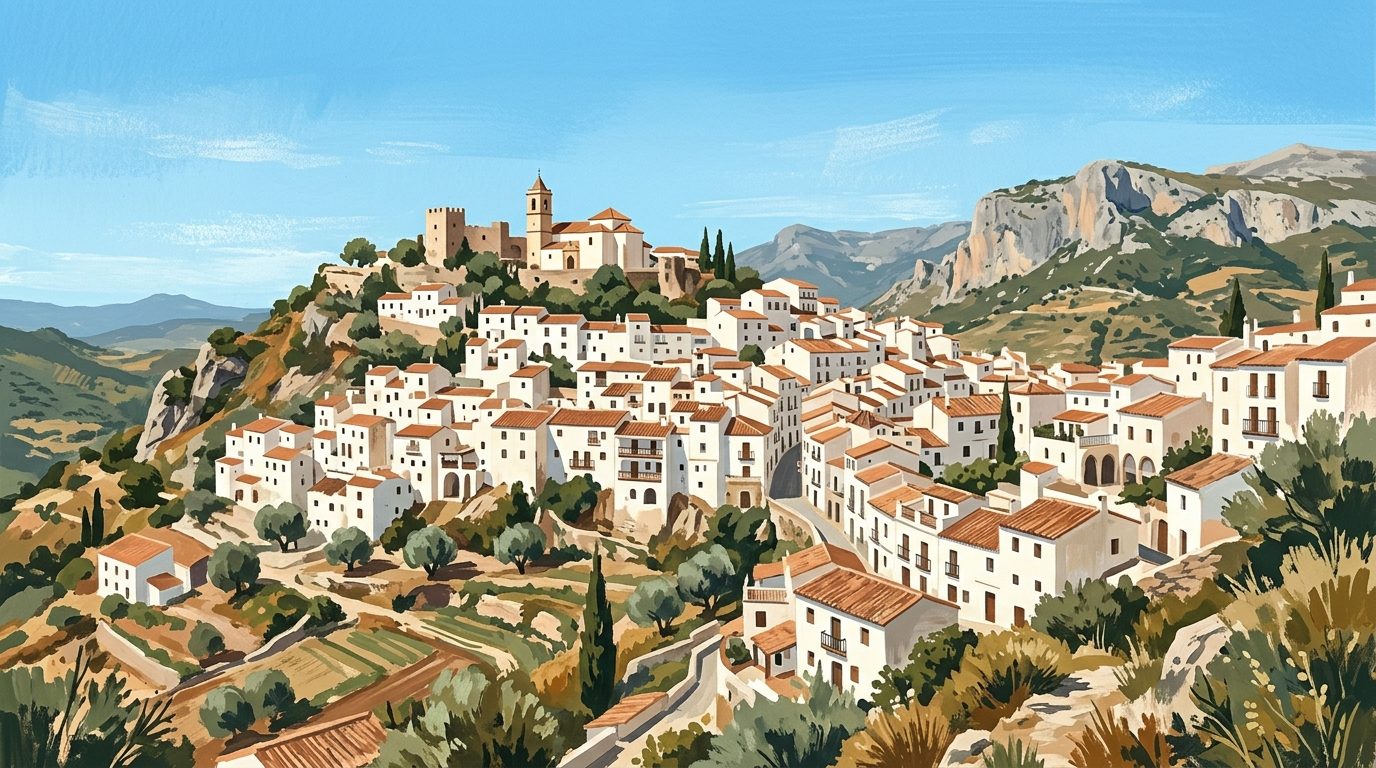
Casares sits precariously on a limestone ridge, its whitewashed houses stacked like sugar cubes beneath the remains of a Moorish fortress. From its highest points, the view stretches across the Mediterranean to the Pillars of Hercules and the North African coast.
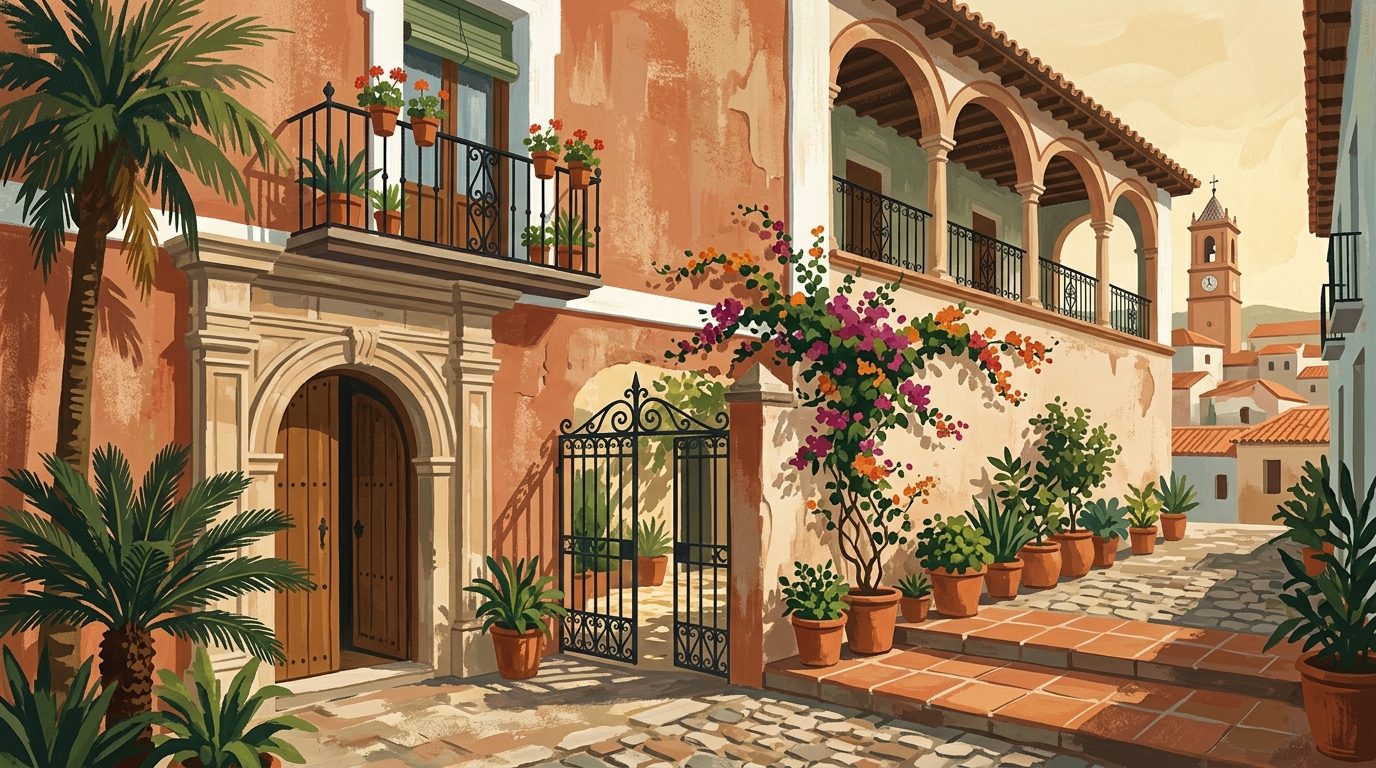
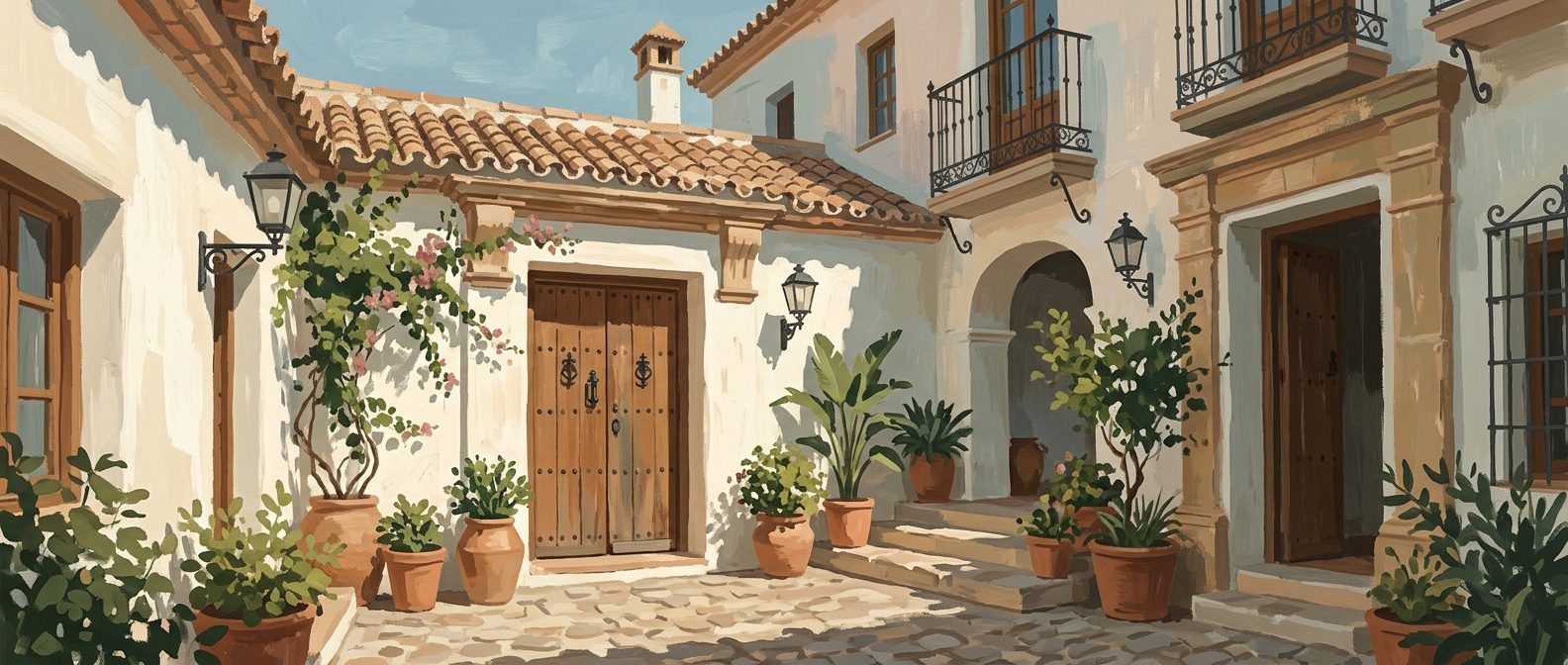
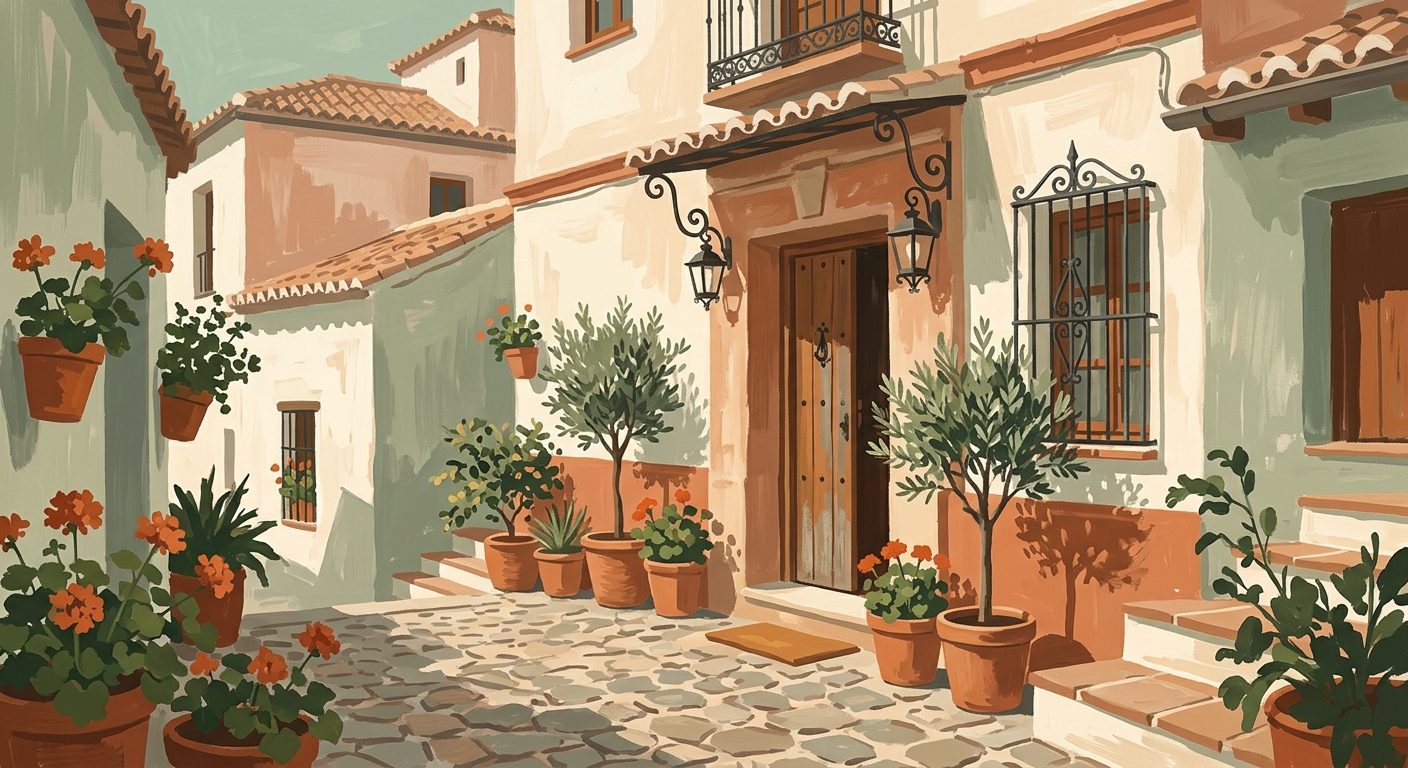
Approaching Casares from the coast road is one of the most striking experiences in the province of Málaga. As the MA-8300 winds upwards from the Mediterranean, the village suddenly appears around a bend, a vertical sprawl of white buildings clinging to a jagged outcrop. Unlike the more manicured resorts of the Costa del Sol, Casares retains the rugged, defiant character of a mountain stronghold. It is a place defined by its topography; the streets are so steep they often transition into staircases, and the architecture is dictated by the limestone crags that punch through the pavement.
This village holds a significant place in the identity of the region. It is the birthplace of Blas Infante, the politician and writer recognised as the father of the autonomy movement of Andalucía. Beyond its political heritage, Casares offers a blend of Roman history, Moorish defence, and a natural landscape that serves as a sanctuary for large birds of prey. It is an ideal destination for those who want to combine cultural discovery with the physical challenge of navigating one of the most authentic pueblos blancos in southern Spain.
What to See & Do
The Moorish Castle (Castillo de Casares)
The ruins of the 13th-century castle crown the highest point of the village. Originally built by the Moors as a defensive bastion against the Christian kingdoms, its position allowed for total surveillance of the valleys leading to the coast. Today, the remains of the walls and towers provide a frame for some of the best views in Andalucía. Within the castle precinct, you will also find the ruins of the old Iglesia de la Encarnación. This former mosque-turned-church was heavily damaged during the Spanish Civil War and now serves as a cultural centre, though its architecture still reveals its diverse religious history.
Casa Natal de Blas Infante
Located on Calle Carrera, the birthplace of Blas Infante is a small but essential stop for understanding modern Andalucía. Infante was born here in 1885 and went on to design the flag of Andalucía and compose the regional anthem. The museum houses a permanent exhibition detailing his life, his philosophy, and his eventual execution at the start of the Civil War. It also functions as a tourist information office, where you can pick up maps of the village and the surrounding hiking trails. The house itself is a fine example of traditional village architecture, with thick stone walls designed to keep the interior cool during the fierce summer heat.
The Circular Cemetery
Just below the castle ruins lies the municipal cemetery. It is unique in the region for its circular layout, necessitated by the uneven terrain of the ridge. The white niches are arranged in curved rows, and the site offers a quiet, contemplative atmosphere with sweeping views over the Bermeja mountains. It is widely considered one of the most beautiful cemeteries in Spain, not for grand monuments, but for its simple, striking integration with the landscape.
Plaza de España and the Fountain of Carlos III
The heart of the village is the Plaza de España. It is a modest square compared to those in larger cities, but it is the social hub of the community. Here, you will find the Fountain of Carlos III, an 18th-century neoclassical structure that still provides fresh mountain water to residents and hikers. The square is the perfect place to sit with a coffee and watch the daily rhythms of the village, from the deliveries made by small three-wheeled trucks to the locals gathering under the shade of the trees.
Baños de la Hedionda (Roman Baths)
Located in the valley below the village, near the border with Manilva, are the Baños de la Hedionda. According to local legend, Julius Caesar was cured of a skin ailment by the sulphur-rich waters here. The baths are housed within a square, vaulted structure of Roman origin, later modified by the Moors. The water maintains a constant temperature of around 21 degrees Celsius year-round and smells strongly of sulphur (hence the name 'Hedionda', meaning stinking). It is a public site where visitors can still bathe in the therapeutic waters for free, though during the summer months, access is controlled and requires a pre-booked ticket to manage numbers.
Hiking and Birdwatching in Sierra Cristellina
Casares is a gateway to the Sierra Cristellina Natural Area. The limestone peaks are a vital nesting ground for griffon vultures, which can frequently be seen circling the thermal currents above the village. Several well-marked trails start from the village, including the 'Ruta de la Albarrá', which takes you through cork oak forests and offers spectacular views of the Rock of Gibraltar. The terrain is rocky and can be steep, so proper footwear is essential.
Practical Information
Opening Times & Tickets: Access to the Castle ruins and the cemetery is free and open during daylight hours. The Casa Natal de Blas Infante is generally open Monday to Friday from 11:00 to 14:30 and 16:00 to 18:30, and on Saturdays from 11:00 to 16:00. Entry is €2.00 (check on the operator's website before travelling). The Baños de la Hedionda are free to enter, but during July, August, and September, you must book a time slot online via the official Turismo Casares website or the specialised 'Turismo Casares' app to avoid overcrowding.
How to Get There: Casares is roughly 100km from Málaga and 40km from Marbella. The easiest route is via the AP-7 or A-7 motorway to the Manilva/Casares exit (km 153). From there, follow the MA-8300 for approximately 14km. There is no direct train service to Casares. The nearest rail connections are in Fuengirola (60km) for the Málaga line, or San Roque-La Línea (35km) for travel towards Ronda and Madrid. Most visitors arrive via bus from Estepona or by hire car.
Parking: Driving into the centre of Casares is not recommended as the streets are exceptionally narrow and often end in stairs. There is a multi-storey car park located at the entrance to the village (Parking La Plaza) which costs around €1 per hour. Alternatively, there is limited free parking near the cemetery at the top of the hill, though this fills up quickly on weekends.
Where to Eat Nearby
For a refined dining experience with spectacular views of the valley, Sarmiento is the premier choice. Located on the road leading into the village, it specialises in Andalucían grilled meats and locally sourced seasonal vegetables. The terrace provides a panoramic backdrop of the village rooftops.
For something more traditional, Restaurante Mi Cortijo offers classic mountain fare. Try the chivo lechal de Casares (suckling kid goat), which is a local speciality, or the sopa casareña, a thick bread-based soup similar to a rustic gazpacho but served hot. Another excellent option is Venta García, situated on the MA-8300 road. It is highly regarded for its contemporary twist on traditional Spanish flavours and its extensive wine list, featuring many bottles from the Ronda region.
Where to Stay
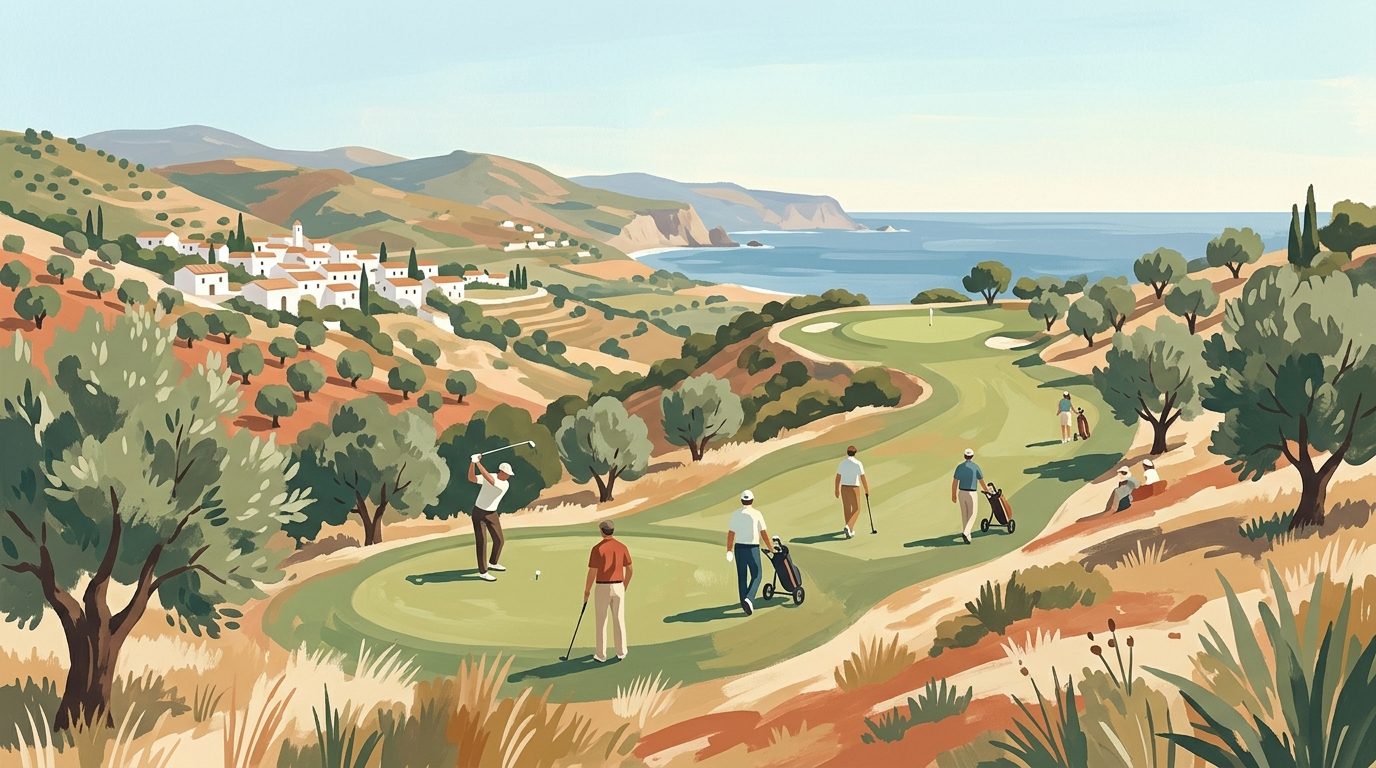
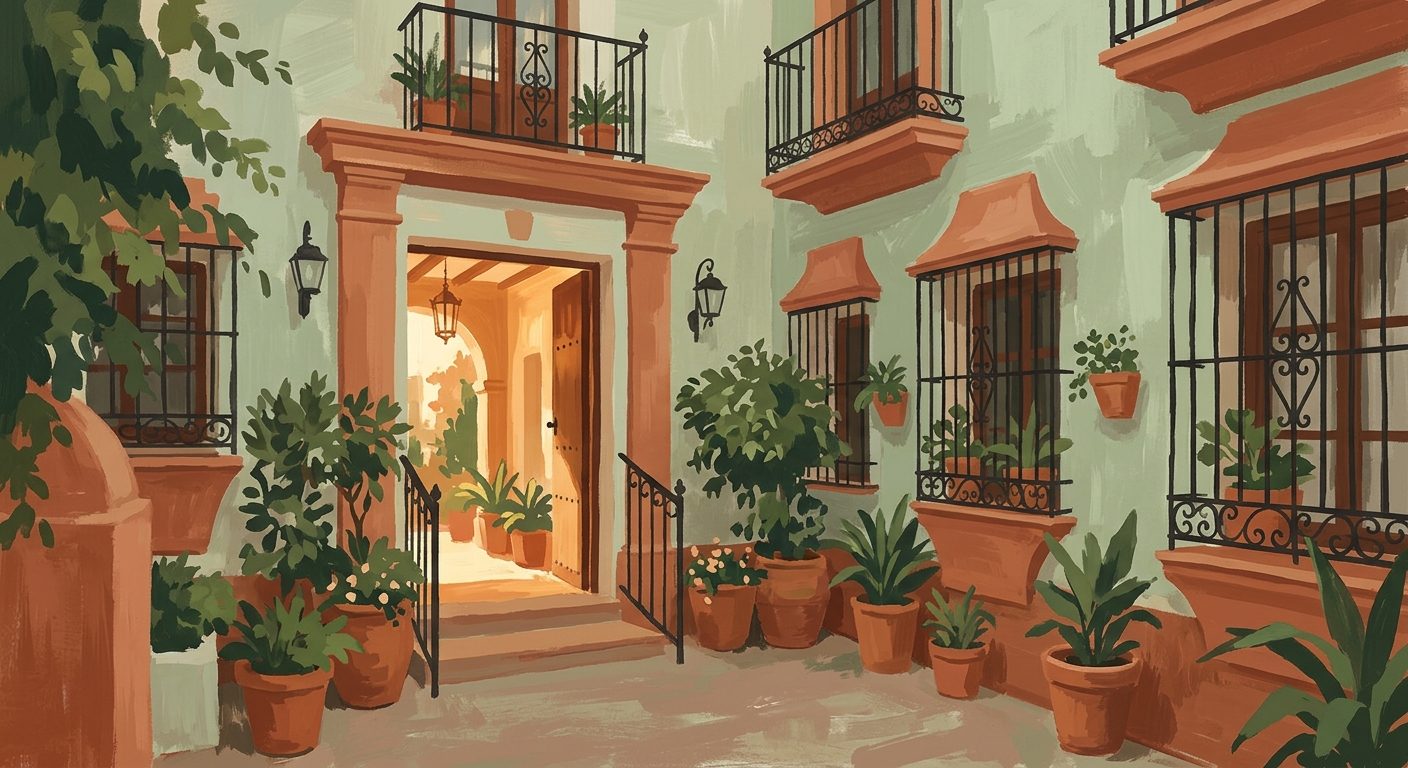
Accommodation in the village centre consists mainly of traditional guest houses and self-catering apartments, such as Casares Village. For those seeking world-class luxury, the Finca Cortesin is located within the Casares municipality, down towards the coast. This resort is consistently ranked among the best in Europe, offering a palatial setting, an award-winning golf course, and a Michelin-starred restaurant. For a more intimate, boutique experience, DDG Retreat offers private villas with infinity pools and sweeping mountain views just outside the main village.