
attraction · Granada
Museo Cuevas del Sacromonte. Centro de Interpretación del Valle del Darro
Andalucía 365 · Updated 18 July 2026
Our Verdict
“The Museo Cuevas del Sacromonte offers a grounded look at Granada’s troglodyte history, stripping away modern romanticism to reveal the harsh realities of cave living. It is a highly visual, open air ethnographic centre that rewards history enthusiasts and photographers, though those seeking high tech exhibits may find it overly traditional.”
Last verified: July 2026
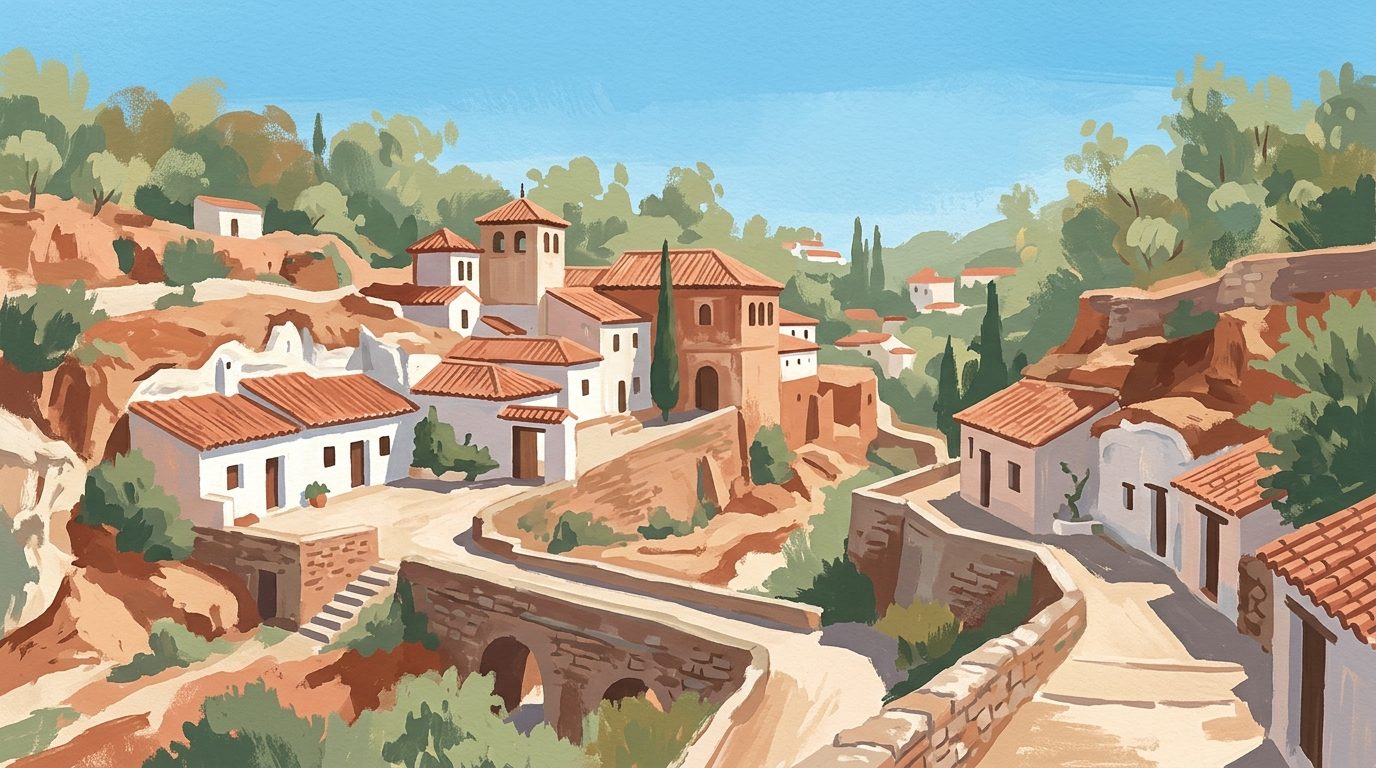
High on the steep slopes of the Barranco de los Negros, eleven whitewashed caves puncture the clay hillside of Granada. The Museo Cuevas del Sacromonte is a preserved ethnographic centre documenting a subterranean way of life. While Nasrid rulers built palatial halls across the Darro Valley, the Romani, artisans, and labourers carved functional homes directly into the earth. This site stands as a chronicle of that resourcefulness, preserving the daily realities, crafts, and culture of the district.
The museum anchors the origin story of the Sacromonte neighbourhood, stripping away modern romanticism to show how generations survived in a harsh landscape. The deep ravine isolated the inhabitants but provided natural materials for unique dwellings. For centuries, this area housed those pushed to the margins of society, resulting in a distinct cultural blend that shaped the city's modern identity.
The Architecture of the Earth
Visitors step into eleven restored caves, each representing a distinct aspect of historic daily life. Residents adapted to the extreme climate of Andalucía by digging into the soft rock, creating spaces that maintain a consistent temperature year round. The museum recreates these environments using authentic tools, textiles, and domestic arrangements. You will see a traditional stable, a functional kitchen, and a master bedroom, demonstrating how families managed ventilation, light, and storage in confined chambers.
Carving a home into the earth required precise knowledge of local geology. Families had to consider the structural integrity of the clay, ensuring roofs would not collapse during heavy autumn rains. Inside the reconstructed dwellings, whitewashed walls reflect limited natural light, a vital technique in spaces with only a single door. You can examine rudimentary cooking hearths alongside carefully designed alcoves that served as pantries and wardrobes.
Craft and Commerce in the Caves
Beyond basic domestic life, specific caves showcase the traditional trades that sustained the local economy. Subterranean workshops were central to the community's survival. The forge highlights the metalworking skills of residents, displaying heavy anvils and bellows used to shape iron for agricultural tools and domestic hardware.
In the weaving cave, heavy wooden looms illustrate how locals produced thick blankets to combat freezing winter temperatures rolling off the high mountains. A separate ceramics exhibit details regional pottery techniques, showcasing distinctive glazes and forms that became a trade staple. The display focuses on large water jugs and storage vessels essential for daily life before modern plumbing reached the hillside.
Flamenco and the Zambras
The cultural footprint of the district is heavily tied to music and dance. The museum functions as an interpretive centre for the origins of the local flamenco style known as the zambra. A dedicated exhibition space explains how this art form evolved in the tight quarters of the caves, blending Romani traditions with lingering Moorish influences. It highlights the differences between these intimate performances of the past and the highly choreographed shows seen on formal stages today.
The Darro Valley Ecosystem and Viewpoints
The outdoor spaces connecting the dwellings act as a botanical reserve, introducing visitors to the resilient plant life of the Darro Valley. You will walk past prickly pear cacti, agave, and aromatic herbs, supported by panels explaining their historical uses in folk medicine and local cooking.
The high vantage point also delivers a sweeping, unobstructed view across the gorge to the Alhambra and the Generalife gardens. This perspective allows you to appreciate the sheer defensive scale of the Moorish citadel, offering a quieter alternative to heavily trafficked viewpoints found elsewhere in the city.
Candid Assessment and Visitor Suitability
The Museo Cuevas del Sacromonte offers a grounded, visual contrast to the monumental grandeur found across the valley. It strips away the polished veneer of tourism to present the harsh but ingenious reality of cave living. It is highly suited to history enthusiasts, cultural travellers, and photographers seeking unique landscape angles. However, those looking for slick digital exhibits will find this open air ethnographic centre quite traditional. It remains an honest preservation project rather than a high tech attraction.
Navigating the Terrain and Accessibility
Reaching the museum requires physical effort. The site sits high on a steep hillside with limited vehicle access. The narrow streets are restricted to residents and public transport, and there is no parking. The most logical approach is to take the C34 minibus from Plaza Nueva, alighting at the Camino del Sacromonte 89 stop. From there, you face an uphill walk on cobbled surfaces. The standard entrance requires climbing stairs, and the terrain inside features uneven stone paths between cave levels. This presents challenges for those with severe mobility restrictions, though an auxiliary taxi entrance is available by prior arrangement. Sturdy footwear is essential.
Practical Planning and Nearby Pairings
When planning your day, dedicate 60 to 90 minutes to explore the caves, read the interpretive panels, and take in the landscape. Summer visitors should arrive early in the morning to avoid midday heat, as the hillside offers very little shade. In the cooler months, late afternoon provides excellent light for photographing the Alhambra. Always check the official Museo Cuevas del Sacromonte website to confirm live details before you travel.
For a comprehensive day out, combine this museum with a journey through the Albaicín and Sacromonte quarters. Walking back down the Cuesta del Chapiz allows you to explore the contrasting architecture of the Albaicín, completing a broad exploration of the city's layered history.
Nearby worth your time
A few well-placed stops for extending the day without turning it into a checklist.
Continue through Granada City
Step back into the wider landscape with local guides, nearby places and the province overview.
Place guide · 7 min
Playa de Calahonda (Granada) Beach Guide
Playa de Calahonda in Granada offers deep, crystal-clear waters and a dramatic limestone cliff backdrop. This Blue Flag beach is a favourite for snorkelling and authentic Andalucían seafood.
Place guide · 7 min
A Guide to Playa de Salobreña on the Costa Tropical
Playa de Salobreña is a vast stretch of dark sand and clear water on the Costa Tropical, overlooked by a historic Moorish castle and dramatic cliffs.
Itinerary · 10 min
Two Days in Granada: A Step-by-Step Itinerary
Two days in Granada gives you just enough time to explore the Alhambra and lose yourself in the steep alleys of the Albaicín. This itinerary balances major monuments with the city's legendary free tapas culture.