
attraction · Málaga
Museo de la Ciudad de Antequera (MVCA)
Andalucía 365 · Updated 18 July 2026
Our Verdict
“The MVCA is a remarkably sophisticated institution that punches far above the weight of a typical municipal museum. While the sheer volume of Roman antiquities and Baroque art can induce fatigue, the collection's calibre, anchored by the stunning Efebo bronze, makes it an essential stop for history enthusiasts.”
Last verified: July 2026
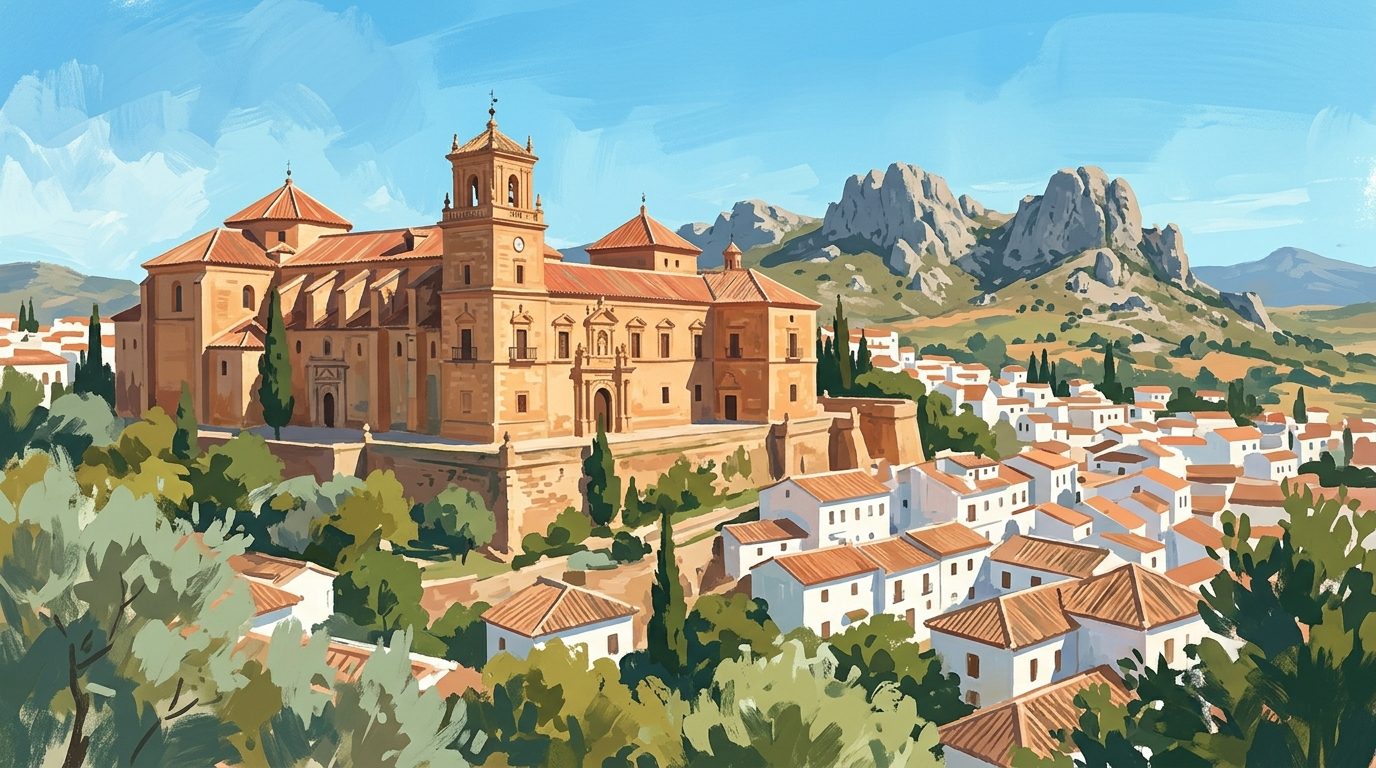
The transition from the sunlit Plaza del Coso Viejo into the shaded cloister of the Palacio de Nájera marks the beginning of an expansive chronological journey. Anchored by red limestone Tuscan columns from the nearby El Torcal, this 18th-century courtyard serves as the impressive vestibule for the Museo de la Ciudad de Antequera. Often referred to as the MVCA, this institution functions as the definitive vault for the artistic and archaeological legacy of the region. Tracing its origins to a modest collection founded in 1908, the museum now spans a sophisticated 5,000 square metres following major expansions. The museum provides essential context for the broader landscape of inland Málaga, bridging the gap between Neolithic builders and Baroque merchants. It appeals strongly to history enthusiasts, art historians, and curious travellers seeking a methodical exploration of civic evolution.
The Architecture of Palacio de Nájera
Before examining the glass cabinets, the building itself demands close attention. Constructed in the early 18th century as a solar mansion for Don Alfonso de Eslava y Trujillo, the Palacio de Nájera is a definitive example of local Baroque civil architecture. The brick facade features a distinctive tower and viewing gallery designed by the local master builder Nicolás Mejías. Inside, the focal point is the grand staircase. Featuring a square floor plan and a double return, the stairwell is crowned by a magnificent half-orange vault. This dome is decorated with an elaborate display of Baroque plasterwork, attributed to the master Antonio Ribera. This architectural transition from heavy stone to ornate ceilings mirrors the wealth that flowed into the city.
Roman Treasures and the Efebo de Antequera
The ground floor is dedicated to archaeology, focusing on the Roman period and the ancient settlements of Singilia Barba, Nescania, and Iluro. The undisputed centrepiece is the Efebo de Antequera. Discovered in 1950 on the Las Piletas farmstead, this 1.54-metre-tall, 1st-century hollow-cast bronze statue of a youth stands as one of the finest Roman antiquities in Spain. Crowned with ivy and corymbs, the figure likely served as a lamp bearer in a wealthy banquet hall. Its remarkable preservation makes it a priority for classical scholars. Surrounding the Efebo, the galleries feature substantial floor mosaics rescued from local villas, including one depicting the Tiber River inscribed with verses from Virgil. Visitors will also see detailed tombstone inscriptions, originally displayed on the Arco de los Gigantes in the 16th century, alongside domestic ceramics.
Fine Art and Baroque Devotion
Ascending to the upper floors, the chronological timeline shifts into the Renaissance and Baroque periods. The collection transitions from stone and bronze to carved polychrome wood, oil on canvas, and intricate silverwork. A significant highlight is the religious sculpture, most notably a striking figure of San Francisco de Asís by the renowned sculptor from Andalucía, Pedro de Mena. Carved around 1665, his work is characterised by an intense, emotive realism that typifies the Spanish Baroque. The museum also displays vast liturgical ornaments and works by the painter Antonio Mohedano. In the newer annexes, the timeline extends into the modern era, featuring the magical realism of contemporary artist Cristóbal Toral. A native of the region, Toral is internationally acclaimed for his surreal depictions of luggage, using suitcases as a powerful metaphor for human migration.
A Candid Assessment
The MVCA punches far above the typical weight of a municipal museum. The sheer volume and quality of the collection are genuinely surprising, rivaling provincial institutions in much larger cities. The presentation is highly professional, and the artefacts are impeccably preserved. However, the scale of the 27 exhibition rooms can induce fatigue if visitors attempt to read every single information panel. The transition between the archaeological ground floor and the fine art upper levels can also feel slightly disjointed. Visitors who prefer multimedia-heavy exhibitions might find the classic curatorial approach traditional, though the sheer calibre of the pieces, particularly the Roman bronzes, easily compensates for this.
Practical Details and Accessibility
The museum sits squarely in the historic core of the city. Drivers should be aware that the immediate streets are narrow and heavily restricted to non-resident traffic. The most practical approach is to leave vehicles at the Parking Centro Antequera on Calle Diego Ponce, requiring a straightforward five-minute walk to the entrance. In recent years, the museum has implemented pioneering accessibility measures. Alongside lifts and ramp access for wheelchair users, the building incorporates advanced systems for the hearing impaired, including portable magnetic loops and a network of visual alert lamps. There are also tactile replicas of key pieces, including the Efebo, designed for visually impaired visitors. Since schedules and ticket prices change with the seasons, verify live details directly on the official MVCA website before arriving.
Nearby Pairings and Local Context
To properly contextualise the objects housed inside the museum, pair your visit with an exploration of the wider city. A comprehensive guide to Antequera reveals how the city's strategic location shaped the wealth on display in the Palacio de Nájera. After digesting Roman and Baroque history, a short walk up the hill to the Alcazaba offers fresh air and commanding views across the fertile plain. Alternatively, take a seat at a terrace cafe in the Plaza del Coso Viejo and order a bowl of traditional cold tomato cream. Reading up on an authentic Porra Antequerana recipe will give you an appreciation for the satisfying culinary heritage that remains a staple of the local diet.
Nearby worth your time
A few well-placed stops for extending the day without turning it into a checklist.
Continue through Inland Málaga
Step back into the wider landscape with local guides, nearby places and the province overview.
Place guide · 7 min
Playa de Burriana: A Guide to Nerja's Premier Beach
Discover Playa de Burriana, the most iconic beach in Nerja, known for its wide sands, excellent chiringuitos, and clear waters on the Costa del Sol.
Place guide · 7 min
Playa de Cabopino: Dunes, Pines and Clear Waters near Marbella
A protected enclave of natural dunes and fine sand situated between Marbella and Fuengirola. This coastal stretch offers a rare glimpse of the original Mediterranean landscape.
Itinerary · 13 min
One Week in Ronda: A Seven-Day Itinerary for the Serranía
A seven-day stay in Ronda allows you to experience the deep gorge and ancient streets long after the day-trippers have left. Using the city as a base, you can easily explore the surrounding white villages, hike the Sierra de las Nieves, and settle into the true rhythm of mountain life.