
attraction · Málaga
Museo Picasso Málaga
Andalucía 365 · Updated 18 July 2026
Our Verdict
“The Museo Picasso Málaga succeeds by avoiding the overwhelming scale of global mega-galleries. Instead, it offers a highly personal, curated look at works the artist kept for his own family. The non-chronological display demands focus, but rewards visitors with a profound understanding of his lifelong creative obsessions.”
Last verified: July 2026
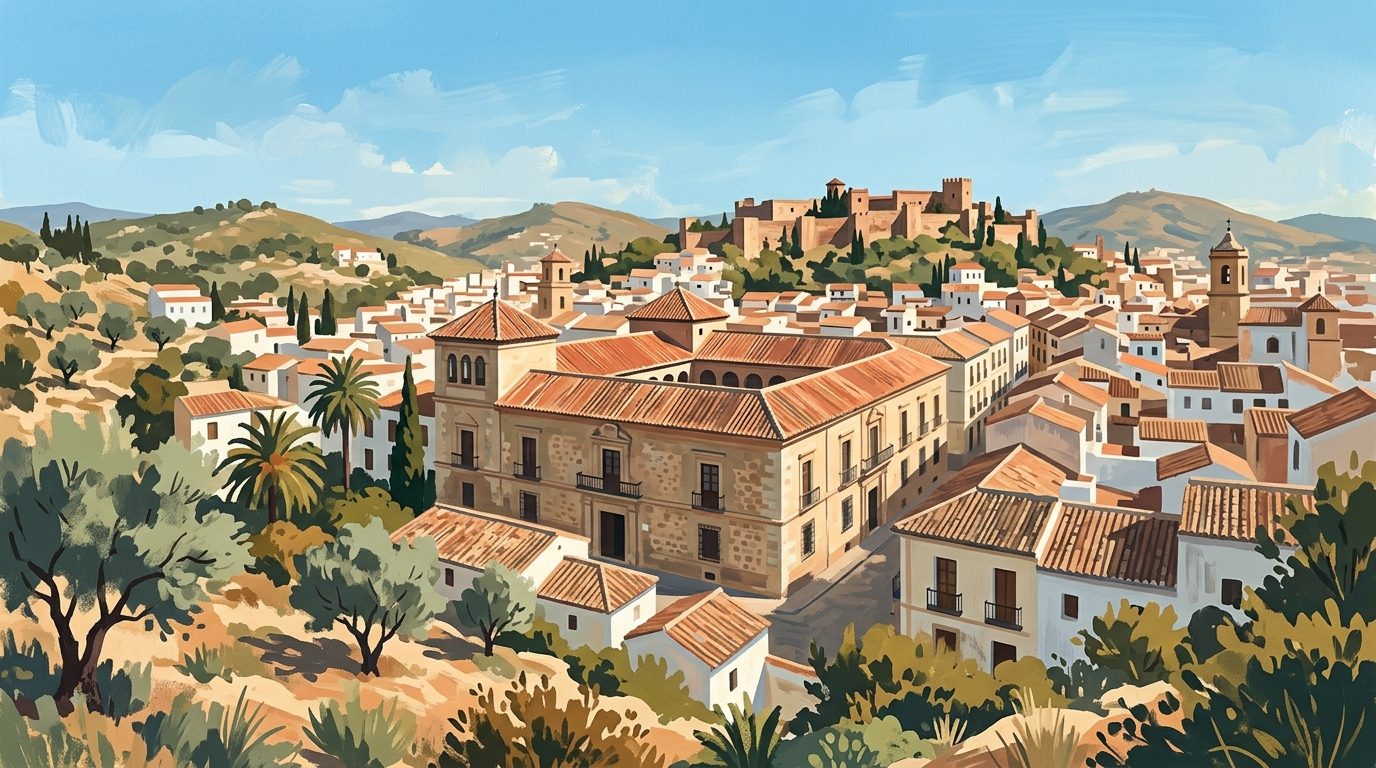
Situated on the pedestrianised Calle San Agustín, the Museo Picasso Málaga occupies the 16th-century Palacio de Buenavista, an elegant example of Andalusian Renaissance architecture defined by its peaceful central courtyard and intricate Mudéjar coffered ceilings. Opened in 2003, the museum fulfils Pablo Picasso's stated desire for his art to be permanently displayed in his birth city. The institution provides an intimate look at the artist's career through works he kept for his private collection, later donated or loaned by his daughter-in-law Christine and grandson Bernard Ruiz-Picasso. Rather than replicating the exhaustive chronological surveys found in global galleries, this museum focuses on his personal creative evolution, his intimate relationships, and his enduring Mediterranean identity. It provides a curated, manageable experience that avoids visitor fatigue while delivering profound insight into the artist's restless methods.
A Collection in Motion
The museum regularly refreshes how it displays the permanent collection to offer new perspectives. The galleries avoid a simple march through conventional labels such as the Blue Period, Cubism or Surrealism. Instead, the displays emphasise recurring ideas and the underlying unity of Picasso's lifelong output. Visitors can observe how he constantly returned to specific themes, seamlessly shifting between academic realism and radical abstraction within the same decade.
The display spans nearly eight decades of creativity across painting, sculpture, ceramics, and graphic art. Key themes include his classicising portraits, such as the precise depictions of his first wife Olga Khokhlova. These sit alongside his recurring studies of motherhood, fragmented cubist still lifes, and playful late ceramics that show him transforming everyday materials into animal forms. This thematic approach demands active engagement from the viewer, but it rewards careful observation by highlighting visual connections across different eras of his life.
The Palacio de Buenavista and Ancient Ruins
While the art remains the primary draw, the building itself functions as a significant historical monument in its own right. The Palacio de Buenavista was originally built for a local noble family and combines robust Renaissance stonework with delicate Moorish carpentry. The central patio, with its marble columns and quiet atmosphere, offers a space for reflection between the intense gallery spaces.
During the building's restoration and expansion in the late 1990s, workers uncovered substantial archaeological remains in the basement. Visitors can descend below the modern galleries to view these excavations. The site includes Phoenician city walls dating back to the 7th century BC, Roman basins once used for producing salted fish, and the foundations of later Moorish fortifications. This subterranean level acts as a physical timeline of Málaga's urban history, effectively rooting Picasso's modern masterpieces in the ancient Mediterranean civilisations that shaped his home region.
Temporary Exhibitions and Cultural Impact
The Museo Picasso Málaga is widely credited with kickstarting the cultural renaissance of the city over the last two decades. Beyond the permanent collection, the museum hosts a rigorous schedule of temporary exhibitions. These often place Picasso's work in dialogue with his contemporaries, historical influences, or modern artists who have responded to his legacy.
The complex also includes a dedicated auditorium and educational spaces that run workshops on printmaking, ceramics, and painting techniques. For an overview of how this single institution helped transform the surrounding neighbourhoods into a contemporary art hub, you can read Málaga’s Creative Core: A Guide to the Picasso Museum and Soho Arts District.
Practical Advice for Visitors
The museum sits perfectly integrated into the historic centre of Málaga City, located just a brief walk from the main cathedral. The surrounding streets are entirely pedestrianised, making it easy to navigate on foot. Visitors arriving by car should use the public car parks at Plaza de la Marina or Calle Guillén Sotelo, while several local bus routes serve the nearby Paseo del Parque.
The official website maintains details on seasonal exhibition programmes and access. Check the official Museo Picasso Málaga website for visitor information before your trip. Audio guides provide vital context for understanding the non-chronological display and are available in multiple languages. For a quieter experience, arriving early in the day or later in the afternoon helps avoid the busiest periods. You should allocate around 90 minutes to view the main collection and the archaeological basement, or up to three hours if you plan to explore the temporary exhibitions.
Accessibility and Facilities
The museum provides inclusive experiences accessible to all, with modern lifts connecting the street entrance, the exhibition galleries, and the archaeological basement. Seating is available in select rooms and the central courtyard for those who need a rest. The museum shop is notable for its excellent selection of art publications, exhibition catalogues, ceramics, and prints. A café located in the inner courtyard offers light refreshments and coffee in a shaded, historical setting.
Sensible Nearby Pairings
The central location makes it incredibly easy to combine the museum with Málaga's other major monuments on a single day out. Just around the corner, you can explore the city's maritime and religious heritage using Málaga’s Grand Cathedral and the Transformed Waterfront. Alternatively, art lovers who appreciate historical context should contrast the Renaissance palace with the nearby Moorish fortress, detailed in A Guide to the Alcazaba and Roman Theatre in Málaga. This combination provides a complete overview of the city's transition from an ancient port to a modern cultural capital.
Nearby worth your time
A few well-placed stops for extending the day without turning it into a checklist.
Continue through Málaga City
Step back into the wider landscape with local guides, nearby places and the province overview.
Place guide · 7 min
Playa de Burriana: A Guide to Nerja's Premier Beach
Discover Playa de Burriana, the most iconic beach in Nerja, known for its wide sands, excellent chiringuitos, and clear waters on the Costa del Sol.
Place guide · 7 min
Playa de Cabopino: Dunes, Pines and Clear Waters near Marbella
A protected enclave of natural dunes and fine sand situated between Marbella and Fuengirola. This coastal stretch offers a rare glimpse of the original Mediterranean landscape.
Itinerary · 13 min
One Week in Ronda: A Seven-Day Itinerary for the Serranía
A seven-day stay in Ronda allows you to experience the deep gorge and ancient streets long after the day-trippers have left. Using the city as a base, you can easily explore the surrounding white villages, hike the Sierra de las Nieves, and settle into the true rhythm of mountain life.