
attraction · Málaga
Museum of Nerja
Andalucía 365 · Updated 18 July 2026
Our Verdict
“A well-structured and essential cultural companion to the Nerja Caves. While it lacks the sheer dramatic scale of the subterranean chambers, this fully accessible museum provides critical historical context. It effectively bridges the gap between the region's prehistoric inhabitants and its modern transformation into a Mediterranean holiday resort.”
Last verified: July 2026
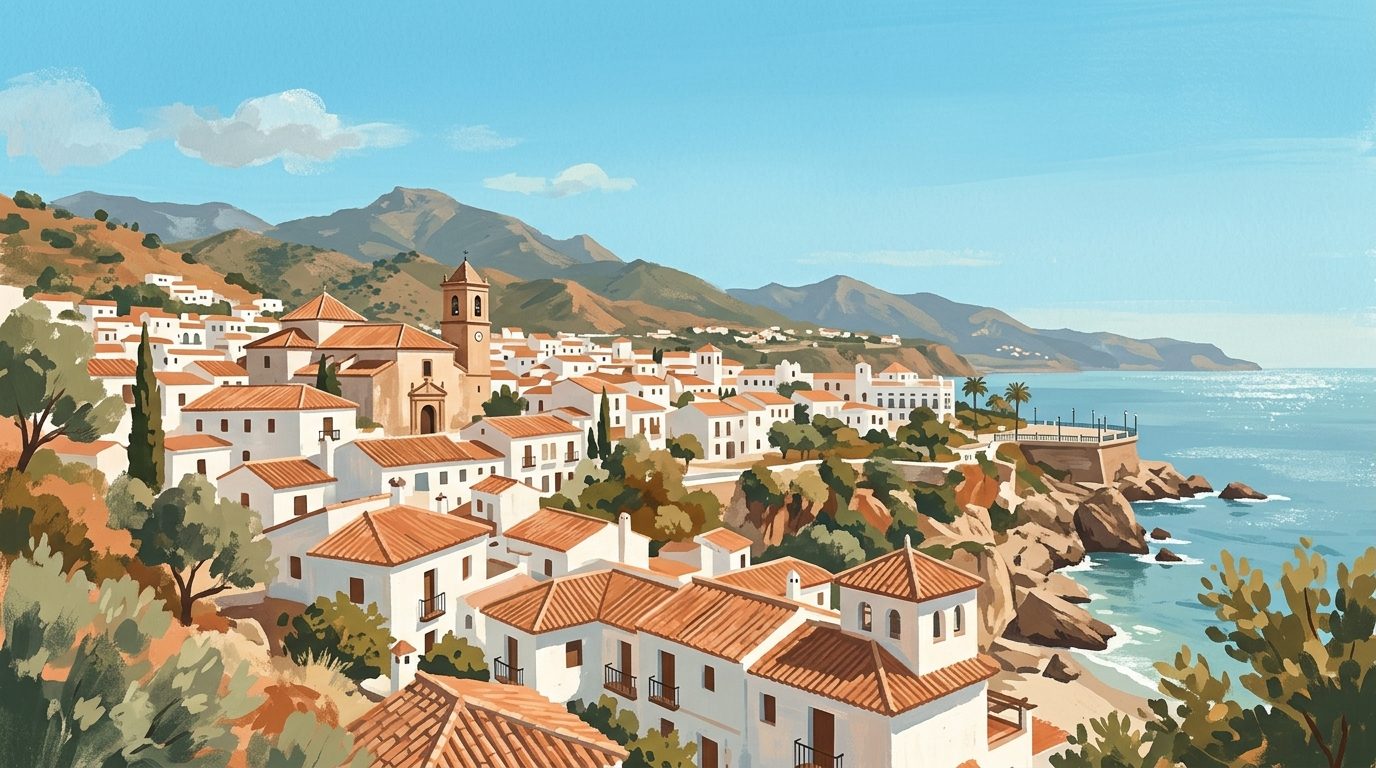
Situated on the modern Plaza de España in the centre of town, the Museum of Nerja provides a stark architectural contrast to the surrounding whitewashed streets. Inside this purpose-built cultural centre, the focus shifts from the contemporary Mediterranean resort outside to the deep history of the Axarquía region. While the massive subterranean chambers of the nearby Nerja Caves offer a geographical spectacle, this gallery space delivers the vital human narrative. The museum traces the complex evolution of local habitation from the Palaeolithic era right through to the tourism explosion of the twentieth century.
Connecting the Cave to the Coast
The museum matters because it bridges the gap between raw archaeological discovery and modern Andalucían culture. Artefacts extracted from the local caves are displayed here under carefully controlled conditions, allowing visitors to inspect delicate items that cannot remain in the humid subterranean environment. In candid terms, while it lacks the sheer visual impact of the caves themselves, the museum offers a well-paced, chronological timeline that adds crucial context to the region. It turns a fragmented understanding of early humanity into a coherent story. This makes it an essential stop for anyone wanting to comprehend how this coastal stretch evolved before the arrival of international holidaymakers.
The Prehistoric Exhibits and Pepita
The most significant pieces in the collection are the prehistoric remains retrieved from the local cave network. The star exhibit is undoubtedly "Pepita", an exceptionally well-preserved Epipalaeolithic skeleton dating back nearly ten thousand years. Modern technology, including advanced three-dimensional modelling and artificial intelligence, has been used to reconstruct her facial features. This allows visitors a rare, face-to-face encounter with one of the coast's earliest known inhabitants.
Surrounding her are fascinating burial artefacts and ritualistic items. Visitors can examine red bones dating to the late Neolithic and Copper Age, which were carefully pigmented with ochre during complex funerary rites. Another notable display is the skull nicknamed "Napoleón". This cranium, belonging to a young man from four thousand three hundred years ago, acquired a distinct hat-like shape due to natural calcite deposits forming over millennia in the cave. Displays of intricate bone needles, stone tools, and a reconstructed marble bracelet showcase the artistic and artisanal capabilities of these early coastal societies.
Roman Trade and the Sugar Industry
Moving through the levels, the historical timeline advances into the Roman era and beyond. This section highlights the long-standing maritime importance of the local coastline. Visitors can inspect artefacts from the Roman period, including remnants of ancient maritime trade and local fishing industries. These items prove the area was a vital cog in ancient Mediterranean trade networks long before the modern era.
The narrative then leaps forward to the eighteenth and nineteenth centuries, focusing heavily on the agricultural backbone of the region. Detailed models, historical documents, and informative panels illustrate the mechanics of the local sugar cane industry. Before the shift towards a service-based economy, sugar production dominated the Axarquía landscape. This industrial heritage provides a stark contrast to the leisure-focused town visible today, grounding the coastal resort in a history of hard agricultural labour.
The 1960s Tourism Boom
The upper levels of the museum tackle the rapid transformation of the mid-twentieth century. A dedicated room explores the monumental discovery of the Nerja Caves in nineteen fifty-nine by a group of local boys, an event that permanently altered the trajectory of the town. Photographs, news clippings, and multimedia projections detail how this former fishing and agricultural community pivoted almost overnight into a major European destination. Large-scale visuals bring the mid-century optimism to life, showing the sudden influx of international visitors and the rapid development of the coastline. The museum also maintains a dedicated space for temporary exhibitions, which frequently displays works by regional photographers and contemporary artists from across Andalucía.
Practical Information and Accessibility
The museum sits right in the commercial core, making it an easy addition to a coastal itinerary. The layout flows logically through the chronological periods, meaning a thorough visit takes around sixty to ninety minutes. It is a highly accessible venue. The building features step-free access, spacious lifts connecting the different floors, and wide galleries perfectly suitable for wheelchair users and visitors with limited mobility.
Lockers are available at the entrance, allowing you to store heavy bags and enjoy the displays unencumbered. Families will find the museum surprisingly engaging for younger children, particularly with the inclusion of the "Marco Topo" digital interactive game. This activity is designed to keep younger minds focused on the exhibits as they search for clues across the floors. For the most accurate details regarding admission fees, combined tickets with the caves, and seasonal operating days, visitors should check the official Museum of Nerja website before arriving.
What to Do Nearby
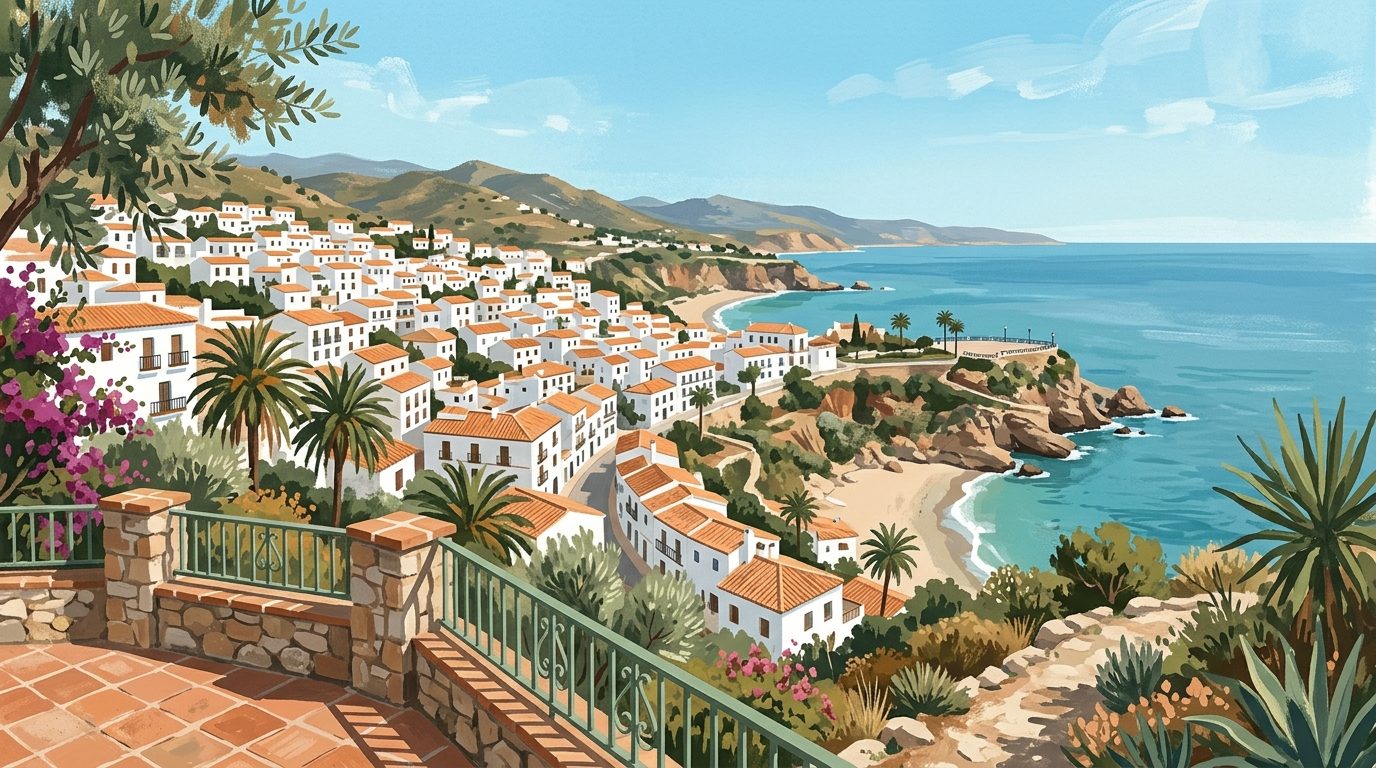
To round off a morning of history, you can easily walk to the Balcón de Europa, the iconic palm-lined promenade offering expansive views over the Mediterranean Sea. If you prefer to delve further into the local landscape, read a local guide to Nerja for insight into the town's cliffside pathways. Those wanting to experience the modern leisure side of the coast can head down to the sand; Playa de Burriana offers a premier beach environment just a short distance away. Alternatively, to understand the broader region where these historical events took place, consider exploring the Costa del Sol Oriental, a stretch of coastline where the dramatic mountains meet the sea. For culinary options after a museum tour, a food lover's guide to Nerja will direct you to the best traditional tapas in the old quarter.
Nearby worth your time
A few well-placed stops for extending the day without turning it into a checklist.

Continue through Costa del Sol Oriental
Step back into the wider landscape with local guides, nearby places and the province overview.
Place guide · 7 min
Playa de Burriana: A Guide to Nerja's Premier Beach
Discover Playa de Burriana, the most iconic beach in Nerja, known for its wide sands, excellent chiringuitos, and clear waters on the Costa del Sol.
Place guide · 7 min
Playa de Cabopino: Dunes, Pines and Clear Waters near Marbella
A protected enclave of natural dunes and fine sand situated between Marbella and Fuengirola. This coastal stretch offers a rare glimpse of the original Mediterranean landscape.
Itinerary · 13 min
One Week in Ronda: A Seven-Day Itinerary for the Serranía
A seven-day stay in Ronda allows you to experience the deep gorge and ancient streets long after the day-trippers have left. Using the city as a base, you can easily explore the surrounding white villages, hike the Sierra de las Nieves, and settle into the true rhythm of mountain life.