
attraction · Granada
San Miguel Alto viewpoint
Andalucía 365 · Updated 18 July 2026
Our Verdict
“This is Granada’s most rewarding viewpoint, offering a spectacular perspective that dwarfs the famous San Nicolás. It is steep, dusty and entirely uncommercialised, but the sheer scale of the Alhambra seen from above makes the difficult climb worthwhile. Skip it if you need amenities, but prioritise it for unmatched photography.”
Last verified: July 2026
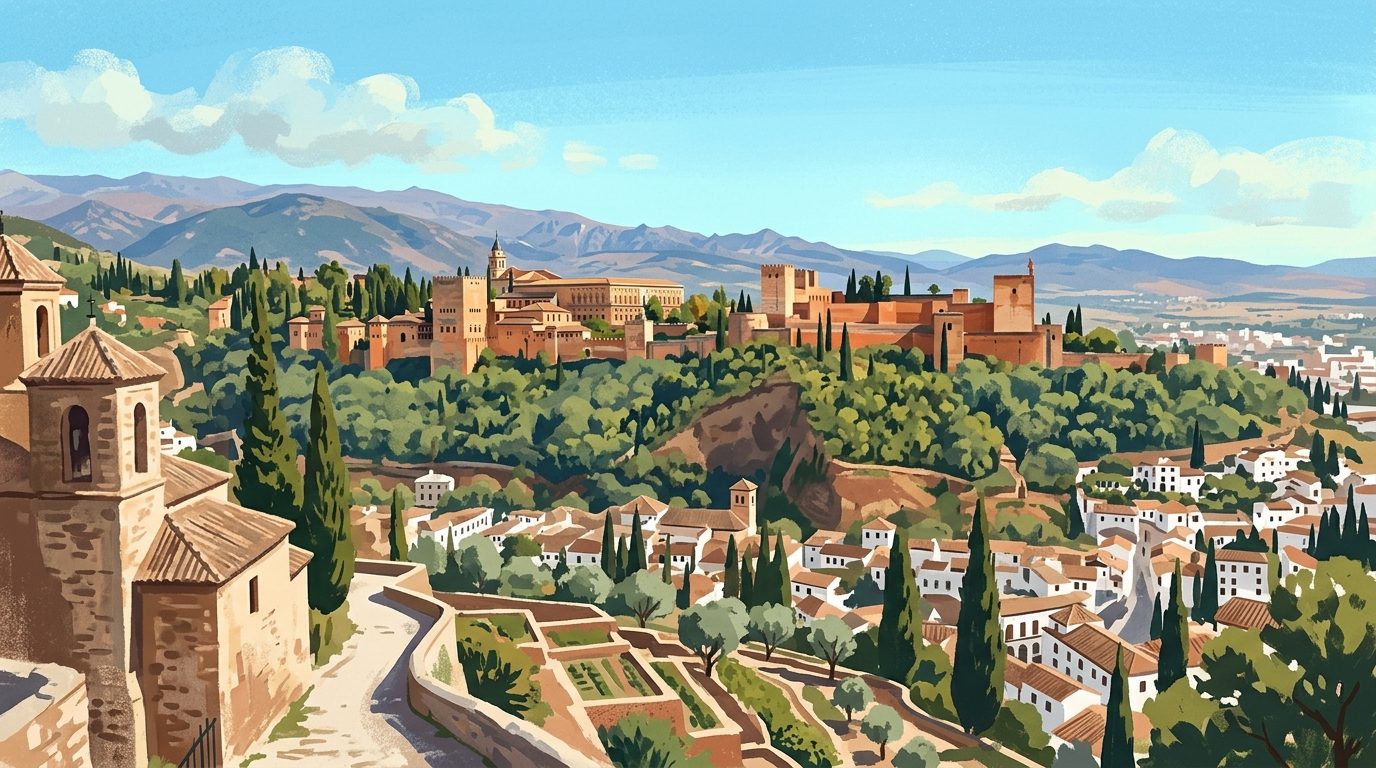
At 850 metres above sea level, the whitewashed Ermita de San Miguel Alto sits on a dry, rugged plateau at the very peak of Granada. Constructed in 1671 on the foundations of a ruined Nasrid defensive structure known as the Torre del Aceituno, this modest hermitage commands the most extensive vantage point in the city. Far removed from the crowded plazas below, the air here is noticeably thinner, and the acoustic hum of the city fades into the wind sweeping off the surrounding mountains. This elevated platform offers a clear, unobstructed sightline directly across the Darro Valley to the vast expanse of the Nasrid fortress, revealing the true strategic scale of the medieval Islamic capital of the Nasrid dynasty.
Why It Matters
While most visitors congregate at the famous Mirador de San Nicolás, the Mirador de San Miguel Alto provides the essential geographic context of the region. From this height, the visual relationship between the palatial complex, the defensive walls tracing the steep ravines, and the sprawling Vega plain becomes instantly apparent. It is the only viewpoint that looks down upon the entire Alhambra rather than across at it. Historically, this summit was a critical defensive anchor point. The 11th-century Zirid and 14th-century Nasrid walls extend directly from this hill, winding their way down into the oldest quarters of the city. The original Moorish tower was demolished to make way for the Christian shrine, which was later rebuilt following destruction during the Peninsular War. Today, it stands as a rugged, less commercialised alternative for travellers seeking a broader perspective on the layered history of the city.
What Visitors Actually See
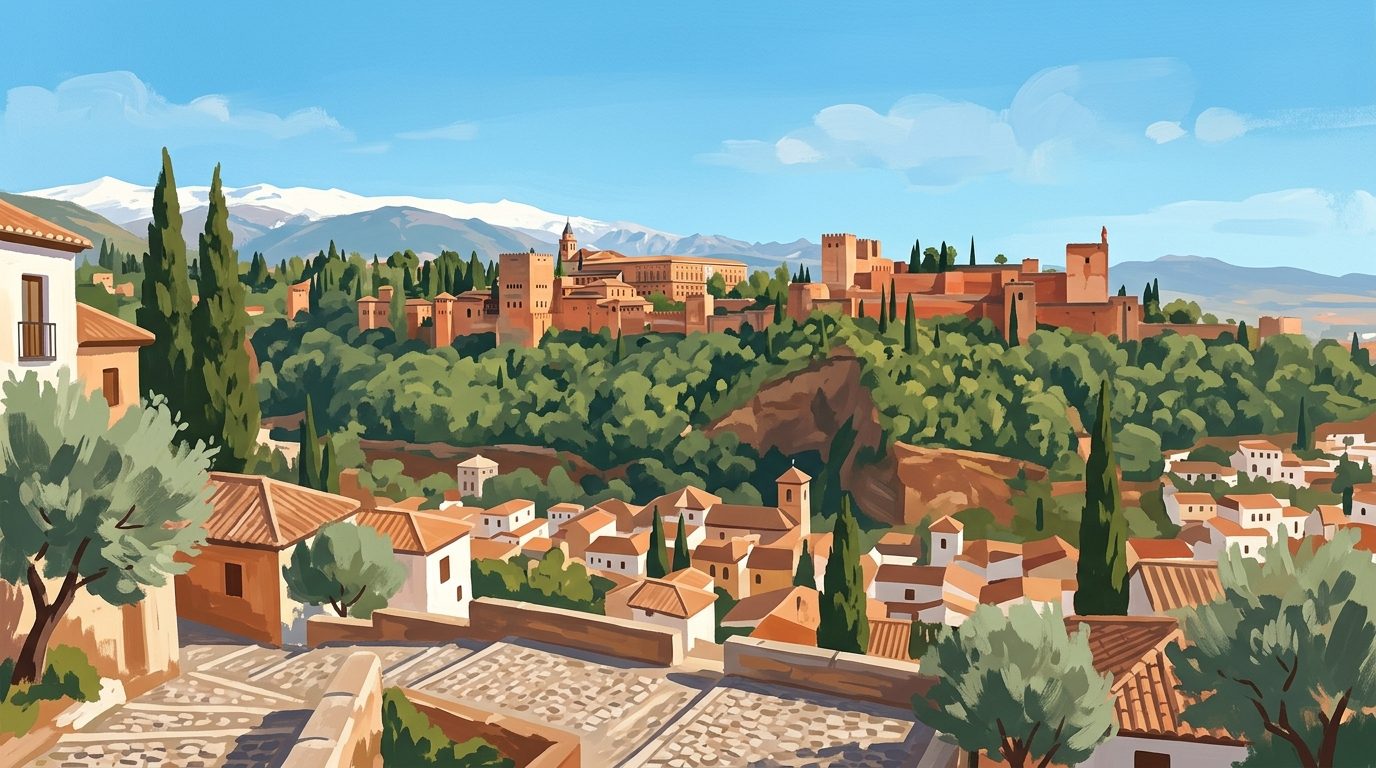
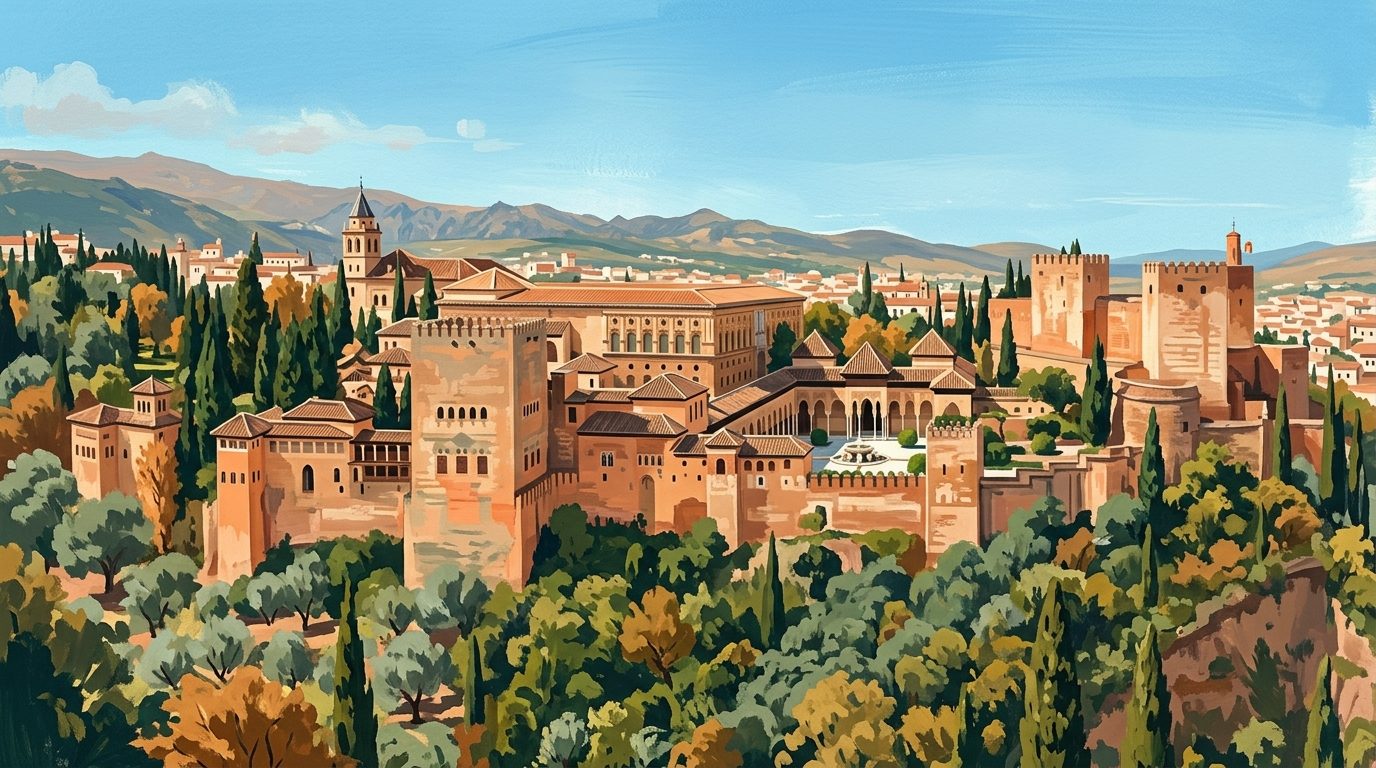
Reaching the broad stone platform in front of the hermitage, the view opens up into a sweeping 360-degree panorama. Directly to the south, the entire Alhambra and Generalife complex spreads across the Sabika hill, framed against the often snow-capped peaks of the Sierra Nevada. Visitors can trace the distinct outlines of the Alcazaba towers, the Nasrid Palaces, and the terraced agricultural gardens.
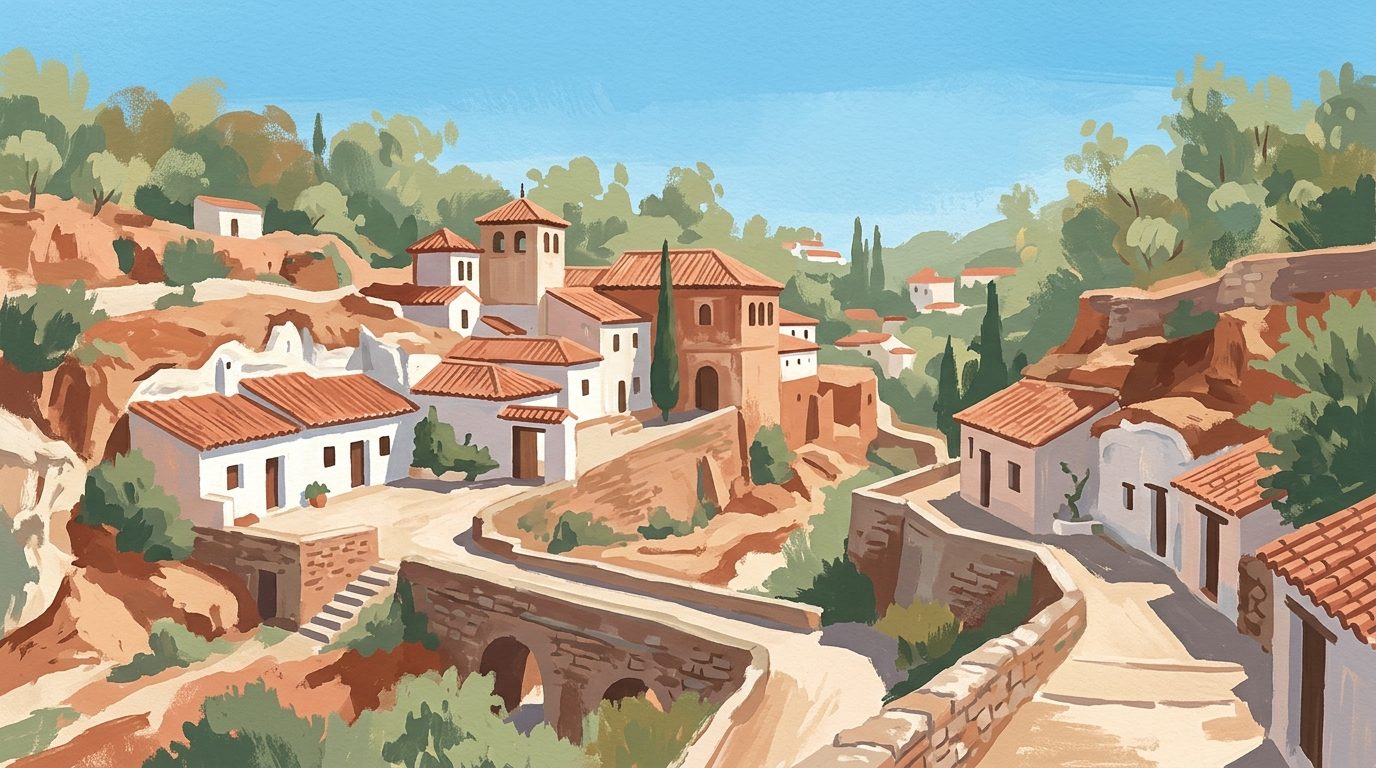
Looking west, the dense, labyrinthine streets of the Albaicín cascade down the hillside, punctuated by the tall Renaissance dome of the Granada Cathedral rising above the lower city centre. To the east and immediately below the viewpoint, the stark, cactus-studded slopes of the Sacromonte valley reveal scattered cave dwellings carved directly into the soft clay. Along the edges of the viewing area, you will also see substantial segments of the ancient Muralla Zirí and Muralla Nazarí, the defensive stone and brick walls that once fortified the upper reaches of the Moorish settlement. The atmosphere here is notably informal. Instead of structured seating or interpretation boards, visitors sit on the low stone parapets or the dusty ground, often accompanied by the sounds of local musicians playing flamenco guitars as the sun sets.
A Candid Assessment
The Mirador de San Miguel Alto is visually spectacular but requires genuine physical effort to reach. The lack of commercial infrastructure means there is no immediate access to cafes, public toilets, or shaded seating at the summit. The immediate surroundings can be dusty, uneven, and occasionally littered, reflecting its status as a popular, unsupervised local gathering spot rather than a manicured tourist attraction. However, for those who value authenticity and scale over convenience, the sheer magnitude of the view easily compensates for the rugged terrain. It is widely considered the superior vantage point for dedicated photographers and independent walkers.
How to Visit and Terrain
Accessing the highest point in Granada involves a steep, demanding ascent. The most rewarding route on foot begins in the Plaza Larga in the Albaicín, following a combination of steep paved streets, stone steps, and dirt tracks up the hillside. The final stretch requires navigating uneven ground with loose gravel and steep gradients, making sturdy walking shoes or trainers absolutely essential. Visitors with mobility constraints or those using pushchairs will find the walking paths inaccessible, as the old cobbled streets and steep inclines present significant physical barriers.
It is possible to reach the summit by road via the Carretera de Murcia, but parking near the hermitage is extremely limited and not advisable during peak times. Public transport via local minibuses can bring you closer by dropping you in the upper Albaicín or Sacromonte, though a final uphill walk is still required. Always check current transport schedules and confirm live details on the official Granada tourism page before setting out.
Who It Suits
The viewpoint is ideal for active travellers, photography enthusiasts, and visitors seeking an alternative to the densely packed tourist hubs lower down the valley. It strongly appeals to those who enjoy a physical challenge paired with an unvarnished, local atmosphere. Due to the steep and uneven access routes, it is not suitable for those requiring level terrain or visitors seeking a highly structured, comfortable sightseeing experience with immediate amenities.
A Sensible Nearby Pairing
After taking in the expansive views from the summit, the most logical continuation is a descent through the Albaicín and Sacromonte quarters. Walking down the hillside allows you to trace the remnants of the ancient Moorish walls up close. You can easily transition from the sweeping isolation of the hilltop into the narrow, whitewashed alleys of the Albaicín, eventually reaching the lively Paseo de los Tristes alongside the Darro River for well-earned refreshments.
Nearby worth your time
A few well-placed stops for extending the day without turning it into a checklist.
Continue through Granada City
Step back into the wider landscape with local guides, nearby places and the province overview.
Place guide · 7 min
Playa de Calahonda (Granada) Beach Guide
Playa de Calahonda in Granada offers deep, crystal-clear waters and a dramatic limestone cliff backdrop. This Blue Flag beach is a favourite for snorkelling and authentic Andalucían seafood.
Place guide · 7 min
A Guide to Playa de Salobreña on the Costa Tropical
Playa de Salobreña is a vast stretch of dark sand and clear water on the Costa Tropical, overlooked by a historic Moorish castle and dramatic cliffs.
Itinerary · 10 min
Two Days in Granada: A Step-by-Step Itinerary
Two days in Granada gives you just enough time to explore the Alhambra and lose yourself in the steep alleys of the Albaicín. This itinerary balances major monuments with the city's legendary free tapas culture.