

attraction · Málaga
Santa Iglesia Catedral Basílica de la Encarnación de Málaga
Andalucía 365 · Updated 18 July 2026
Our Verdict
“La Manquita offers a fascinating architectural timeline of Málaga. While the missing tower provides a famous anecdote, the true value lies inside. The breathtaking scale of the vaulted ceilings and the exquisite Pedro de Mena choir carvings make this a vital cultural stop, provided you can tolerate heavy crowds during peak tourist seasons.”
Last verified: July 2026
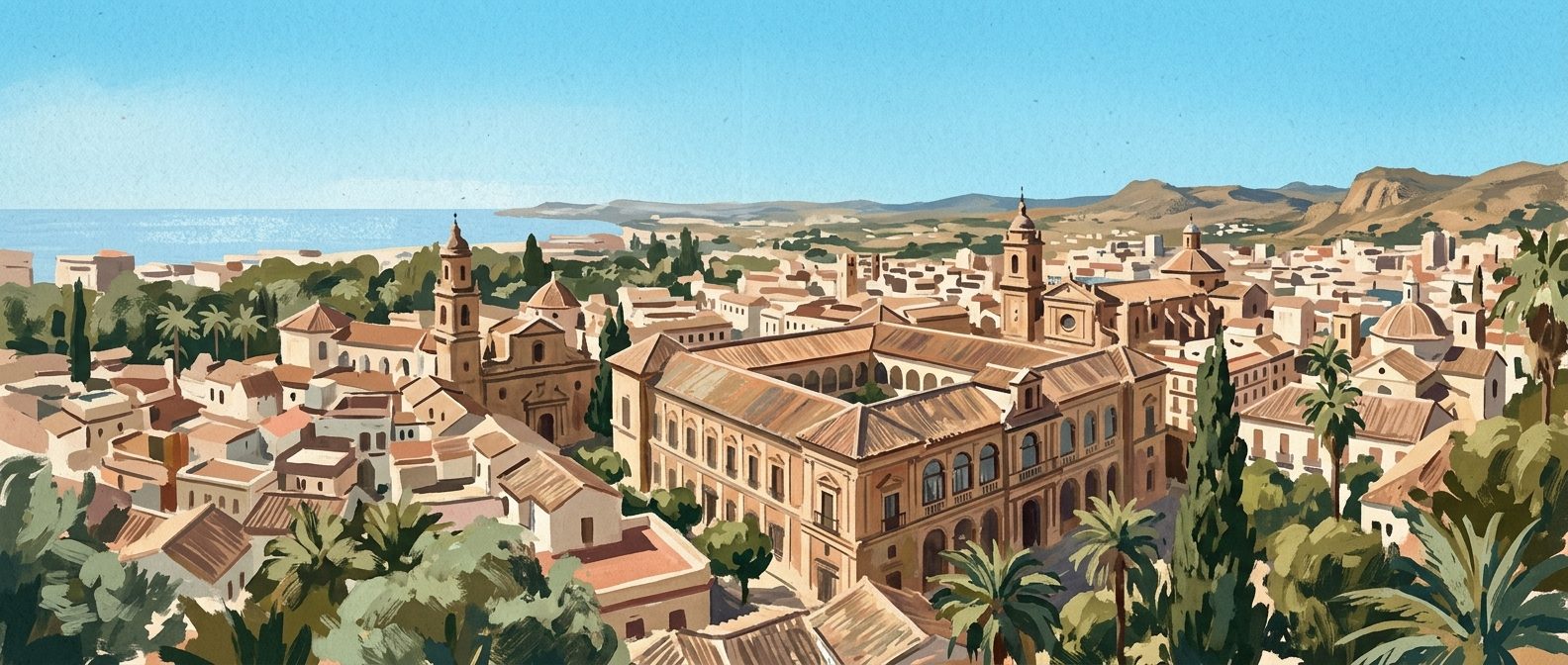
The solitary 87-metre north tower of the Santa Iglesia Catedral Basílica de la Encarnación rises above the historic centre of Málaga, asserting its dominance over the city skyline. Yet, it is the absent south tower that defines this Renaissance monument. Nicknamed La Manquita, or The One-Armed Lady, the cathedral was left visibly unfinished in 1782 when construction funds ran dry. Built over the site of the former Aljama mosque after the Christian conquest of 1487, the cathedral encapsulates the transitional history of Andalucía. Following its consecration as a Christian temple, initial modifications to the existing mosque paved the way for a completely new, monumental structure. Today, visitors stepping in from the bright Mediterranean light are met with a soaring, cool interior where Corinthian columns stretch towards spectacular 42-metre-high vaulted ceilings. The structure is a masterclass in Spanish Renaissance design with heavy Baroque additions, offering an essential stop for architecture enthusiasts and history buffs exploring Málaga City.
An Asymmetrical Landmark
The construction of Málaga Cathedral spanned more than 250 years, beginning in 1528 under the direction of prominent architects, including Diego de Siloé. This prolonged building period resulted in an eclectic mix of styles. The foundational floor plan and grand height nod to early Gothic ambitions, but the primary aesthetic is distinctly Renaissance, evolving into elaborate Baroque detailing in the later additions of the 18th century.
Visitors approach via the Plaza del Obispo, where the main facade presents a striking Baroque portal adorned with twisted columns and marble medallions representing the patron saints of Málaga. Inside, the sheer scale of the three naves is immediately impressive. Instead of the traditional stepped Gothic layout, the central and side naves rise to an almost equal height. Slender fluted Corinthian columns support intricate groin vaults, which are decorated with palm motifs and grotesques. The resulting space feels incredibly airy, flooded with soft light filtering through the high stained-glass windows.
The Choir Stalls and High Altar
The artistic centrepiece of the cathedral interior is its magnificent coro, or choir, located centrally within the nave. The wooden choir stalls are widely considered a pinnacle of 17th-century Spanish Baroque sculpture. Sculptor Pedro de Mena carved 42 of these highly detailed figures out of mahogany and cedar between 1658 and 1662. He delivered astonishing realism in the facial expressions, postures, and flowing garments of the saints, making it an undeniable masterpiece of religious art.
Beyond the choir, the High Altar anchors the semicircular apse. Designed by Diego de Vergara in 1541, the altar features tall windows set between columns and is crowned by a beautiful ribbed vault. The cathedral also contains 15 side chapels, each holding specific religious artworks and altarpieces, offering insight into the religious fervour of the region following the Reconquista. Suspended above the choir area, two massive 18th-century organs, each boasting over 4,000 pipes, survive in perfect working order. They are occasionally played during special liturgical concerts, filling the vast stone cavern with remarkable acoustics.
The Rooftop Walkway (Las Cubiertas)
For a broader perspective on the architecture, visitors can book a ticket to explore the cathedral roof. The guided tour of Las Cubiertas involves climbing a narrow, 200-step spiral staircase. Reaching the top reveals the intricate brickwork of the vaulted domes from the outside, a landscape of curved stone that is entirely invisible from the plaza below.
From this elevated vantage point, the panoramic views across Málaga are exceptional. You can trace the urban layout from the historic streets to the modernised port area. Look east to see the Moorish fortifications covered in our guide to A Guide to the Alcazaba and Roman Theatre in Málaga. The roof tour also offers a close look at the completed north tower and the abrupt, flat stonework where the south tower was meant to rise. It puts the monumental scale of the building into immediate, physical context, allowing visitors to appreciate the sheer volume of materials and labour invested across multiple centuries.
The Verdict
La Manquita offers a fascinating architectural timeline of Málaga. While the missing tower provides a famous anecdote, the true value lies inside. The breathtaking scale of the vaulted ceilings and the exquisite Pedro de Mena choir carvings make this a vital cultural stop, provided you can tolerate heavy crowds during peak tourist seasons.
Practicalities and Planning Your Visit
Málaga Cathedral is located in the pedestrianised historic core, a short walk from Plaza de la Marina and the waterfront. If you are exploring the broader city, it pairs seamlessly with a visit to the nearby cultural venues detailed in Málaga’s Creative Core: A Guide to the Picasso Museum and Soho Arts District. Afterwards, you can walk down to the Mediterranean and enjoy the areas highlighted in Málaga’s Grand Cathedral and the Transformed Waterfront.
The main cathedral floor is flat and accessible for wheelchair users and those with limited mobility. However, the roof tour is physically demanding. It requires ascending 200 steep, narrow spiral steps and is strictly prohibited for visitors with reduced mobility, vertigo, or respiratory issues. Pushchairs, tripods, and large backpacks are also banned on the roof for safety reasons.
Entrance requires a ticket, with options available for just the cathedral or a combined ticket including the roof tour. Audio guides are provided in multiple languages to add essential context to the artwork. Access is restricted during mass and liturgical events. As it is an active place of worship, visitors must dress appropriately, ensuring shoulders and knees are covered at all times. For opening times, admission rules, and to book roof tour slots in advance, consult the official Málaga Cathedral website.
Nearby worth your time
A few well-placed stops for extending the day without turning it into a checklist.

Continue through Málaga City
Step back into the wider landscape with local guides, nearby places and the province overview.
Place guide · 7 min
Playa de Burriana: A Guide to Nerja's Premier Beach
Discover Playa de Burriana, the most iconic beach in Nerja, known for its wide sands, excellent chiringuitos, and clear waters on the Costa del Sol.
Place guide · 7 min
Playa de Cabopino: Dunes, Pines and Clear Waters near Marbella
A protected enclave of natural dunes and fine sand situated between Marbella and Fuengirola. This coastal stretch offers a rare glimpse of the original Mediterranean landscape.
Itinerary · 13 min
One Week in Ronda: A Seven-Day Itinerary for the Serranía
A seven-day stay in Ronda allows you to experience the deep gorge and ancient streets long after the day-trippers have left. Using the city as a base, you can easily explore the surrounding white villages, hike the Sierra de las Nieves, and settle into the true rhythm of mountain life.