
attraction · Cádiz
Teatro Romano de Cádiz
Andalucía 365 · Updated 18 July 2026
Our Verdict
“While not a freestanding, fully exposed theatre, the Teatro Romano de Cádiz offers a remarkable look at how modern life literally rests on ancient foundations. The sheer scale of the vaulted subterranean galleries is impressive, making this an essential, atmospheric stop for anyone tracing the Roman history of Andalucía.”
Last verified: July 2026
The Foundations of Gades
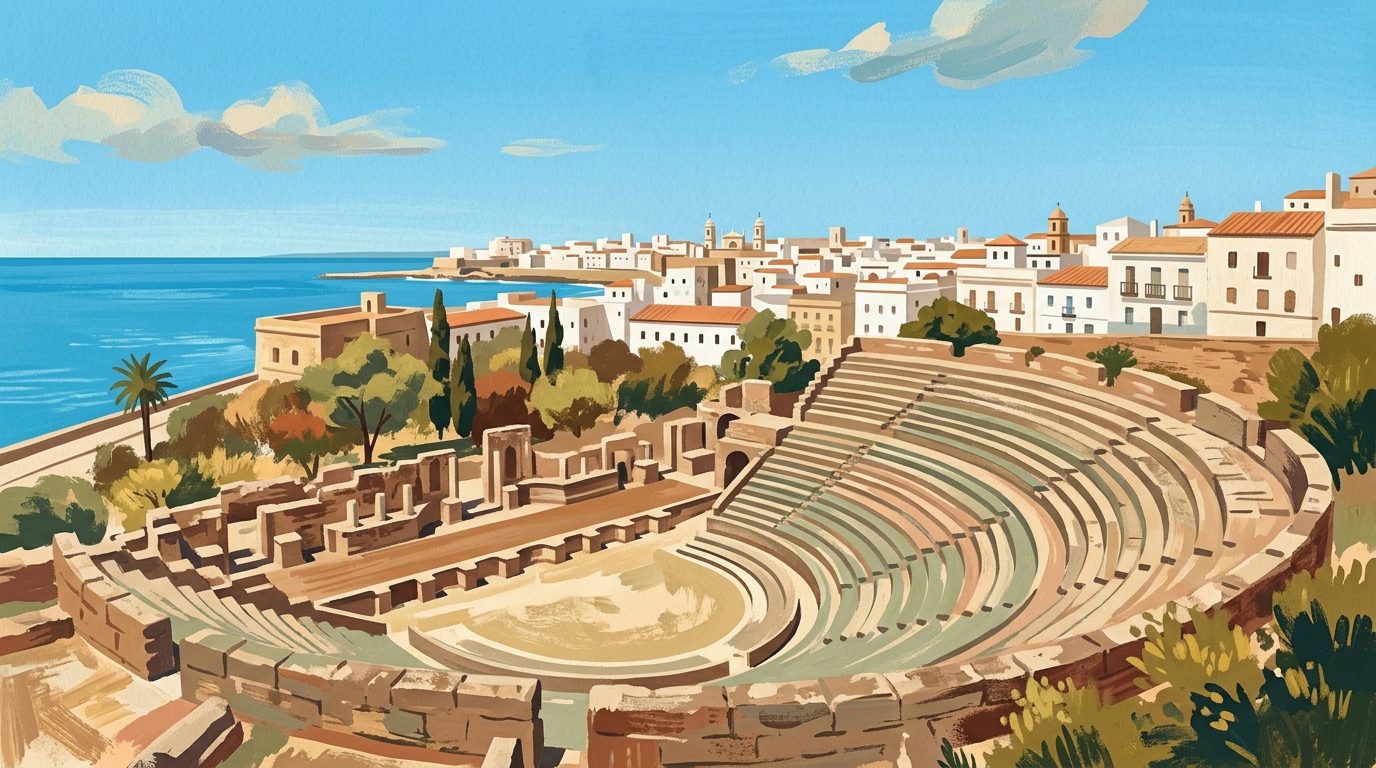
In the shaded streets of the El Pópulo district, the weight of 18th-century houses presses directly down upon the colossal stone foundations of a theatre constructed more than two millennia ago. The Teatro Romano de Cádiz is a structural anomaly, a massive public building from antiquity swallowed whole by the medieval and modern city, only to be accidentally rediscovered in 1980 following a warehouse fire. Commissioned by Lucius Cornelius Balbus the Younger in the first century BC, it was constructed to serve the expanding Neapolis quarter of the city. Today, it remains one of the oldest and largest Roman theatres ever unearthed in the Iberian Peninsula. Measuring nearly 120 metres in diameter, the cavea could once accommodate over 10,000 spectators, standing as a testament to the sheer scale and wealth of ancient Gades. Today, the excavated portions offer a remarkable look at how classical urban planning was layered over by successive civilisations.
The Theatrum Balbi Interpretation Centre
Before stepping onto the ancient stones, visitors pass through a modern interpretation centre on Calle Mesón. This facility is crucial for understanding the site, as much of the original theatre remains buried beneath private residences and city streets. The exhibition spaces use architectural models, excavated artefacts, and digital reconstructions to contextualise the ruins. Large glass floor panels provide a sheer drop of perspective, allowing you to look down onto the original foundations and grasp the depth of the Roman level compared to the modern street. Deep excavation soundings within the centre reveal sections of the original stage building, which would otherwise remain entirely hidden from view. The displays explain the social hierarchy dictated by the seating arrangements and detail the complex excavation process that brought the structure back into the light. For anyone exploring Cádiz, this centre bridges the gap between the maritime prowess of the Phoenicians and the later imperial dominance of Rome.
Walking the Vomitoria and Galleries
The most evocative phase of the visit involves descending into the original vomitoria. These vaulted, subterranean passages were once used by thousands of Roman citizens to access their designated seating. Walking through the curved annular gallery, you immediately notice a drop in temperature, with the thick stone corridors offering a cool, quiet respite from the southern Spanish heat. The engineering is imposing. The structure was carved partially into the natural slope of the terrain and built up using blocks of local calcarenite stone. The precision of the barrel vaulting and the sheer thickness of the retaining walls remain remarkably intact. You can trace the original drainage channels integrated into the flooring, a reminder of the sophisticated civic engineering that defined Roman public works. This underground network gives a palpable sense of the logistical mastery required to move an audience of thousands through a monumental public venue safely and efficiently.
The Cavea and Modern Integration
Emerging from the dark tunnels, you step out into the excavated section of the cavea, the tiered seating area. Here, archaeologists have recovered the proedria, the lowest seats reserved for dignitaries, alongside the ima cavea and media cavea. While only a fraction of the original semicircle is exposed, the visible sweeping curve is magnificent. Look upwards from the orchestra level, and the true appeal of the site becomes clear. Unlike freestanding ruins in open fields, this theatre is tightly wedged beneath the modern fabric of Cádiz. Medieval walls and whitewashed houses sit literally on top of the upper seating tiers. This visual juxtaposition provides a raw, candid look at urban evolution, showing how abandoned Roman structures were cannibalised for materials before being entirely buried by later development. It is not a pristine, standalone monument, but a complex archaeological puzzle that demands a degree of imagination to visualise in its entirety. The site highly rewards history enthusiasts, architecture students, and curious travellers who appreciate the dense layers of urban history.
Practicalities and Accessibility
The entrance to the site is somewhat discreet, located within the largely pedestrianised maze of the historic centre, roughly a ten-minute walk from the main train station. Due to the nature of the archaeological site, visitors must navigate original Roman masonry and narrow, uneven passageways. It is essential to wear sturdy, flat shoes, as the ancient stone flooring in the galleries can be difficult to manage in heels or thin sandals. Because access arrangements and operational days can change, always verify current details on the official Enclaves Culturales website before planning your arrival.
Nearby Pairings and Further Roman History
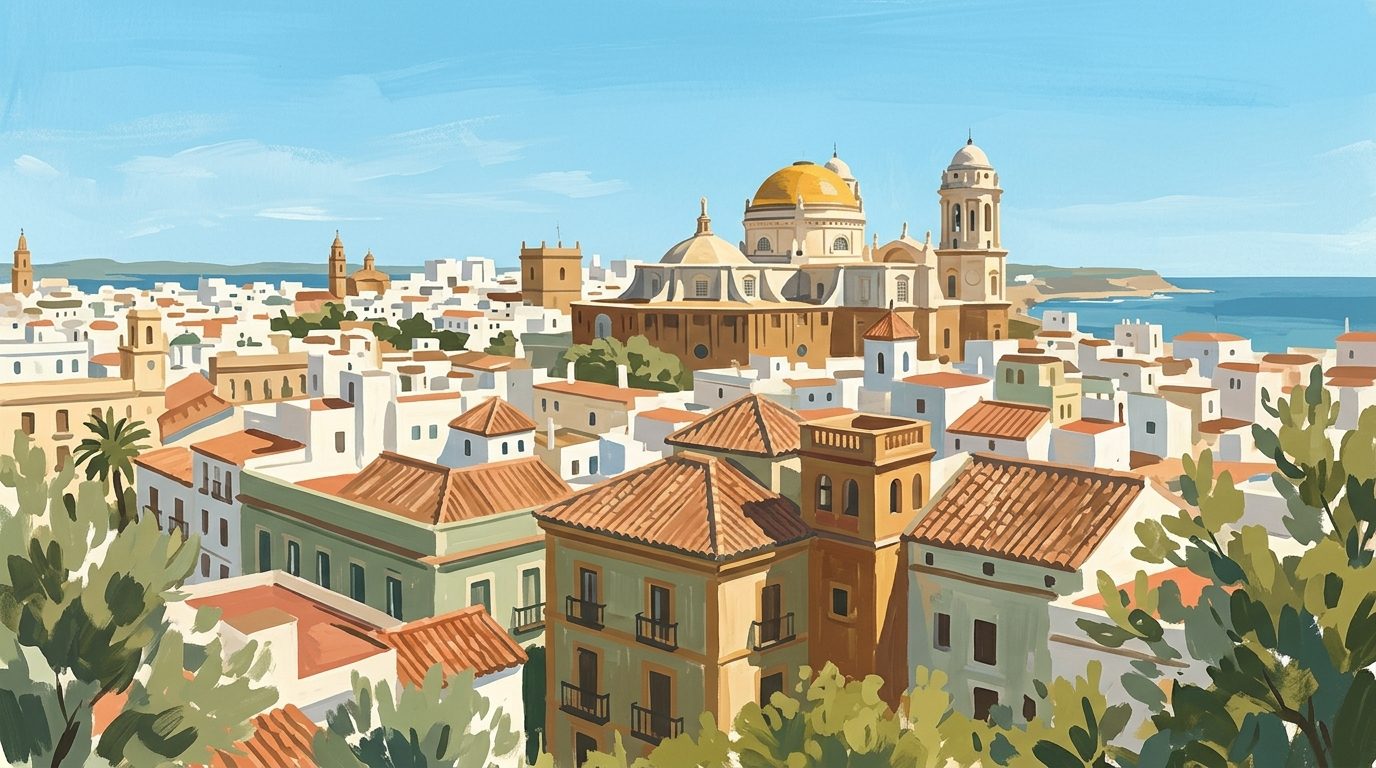
A visit to the theatre requires less than an hour, making it easy to incorporate into a broader exploration of the peninsula. Upon exiting, you are perfectly positioned to continue exploring the Old Town towards the Atlantic coast. Just a short walk away, you can transition from classical antiquity to grand Baroque heights by exploring Cádiz Cathedral and Torre Tavira, where the famous Camera Obscura offers a sweeping view of the very same streets that obscure the rest of the Roman theatre. If the Teatro Romano sparks an interest in the region's ancient past, consider a journey further down the coast. A trip to Bolonia reveals the spectacular ruins of Baelo Claudia, where an entire Roman maritime city is laid out against a backdrop of massive sand dunes, offering a complete contrast to the tightly packed urban archaeology of Cádiz.
Nearby worth your time
A few well-placed stops for extending the day without turning it into a checklist.
Continue through Cádiz City
Step back into the wider landscape with local guides, nearby places and the province overview.
Place guide · 7 min
Playa de La Caleta: A Guide to the Historic Heart of Cádiz
Playa de La Caleta is a historic urban bay in Cádiz, famous for its calm waters, ancient fortresses, and the stunning white Balneario spa building.
Place guide · 7 min
Playa de los Caños de Meca: A Guide to the Cádiz Coastline
Discover the wild Atlantic beauty of Playa de los Caños de Meca, from its freshwater springs to the historic Cape Trafalgar lighthouse.
Itinerary · 7 min
Three Days in Cadiz: The Ultimate Itinerary for Independent Travellers
Three days allows you to completely sink into the maritime rhythm of Europe's oldest city. You can cover the historic centre, explore the twin seaside fortresses, and still have time for a sherry tasting afternoon across the bay.