
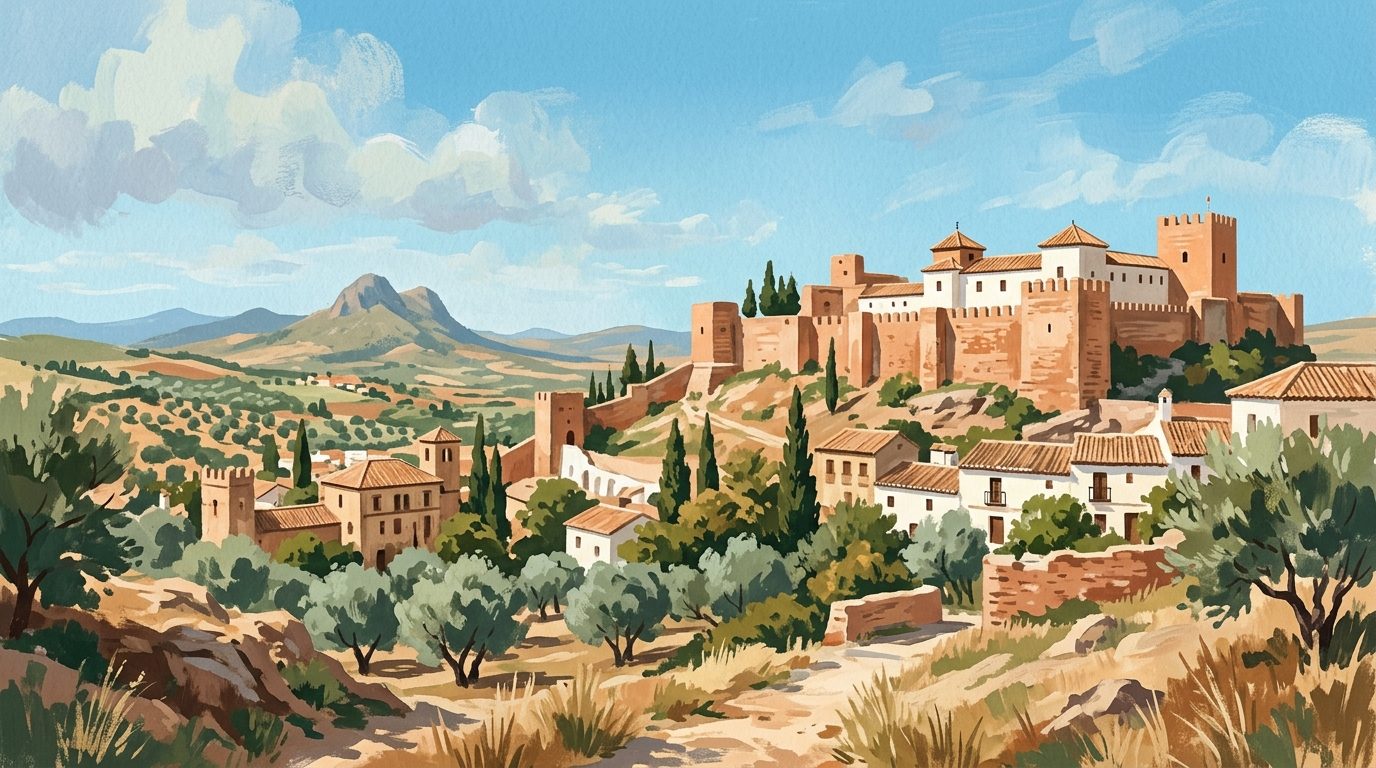
attraction · Málaga
Visitas Guiadas en Antequera, Grupo Dólmenes
Andalucía 365 · Updated 18 July 2026
Our Verdict
“Visiting the Antequera Dolmens independently leaves many travellers underwhelmed by empty stone corridors. A structured tour with Grupo Dólmenes transforms the complex into a fascinating narrative of Neolithic engineering and landscape worship. It is an essential investment for anyone wanting to grasp the true magnitude of these ancient monuments.”
Last verified: July 2026
The Menga dolmen is anchored by a single, colossal capstone weighing roughly 150 tonnes, hauled into position nearly six millennia ago. Standing beneath this massive rock roof in the heart of the Antequera valley provides an immediate sense of the engineering genius possessed by Neolithic communities. Visitas Guiadas en Antequera, operated by the local specialists Grupo Dólmenes, offers structured, expert-led explorations of this UNESCO World Heritage complex, along with broader tours of the surrounding landscape and city. For travellers who want to understand the monumental physical effort and the deep cultural significance behind these ancient structures, a dedicated local guide brings the silent stones and sweeping landscapes into sharp focus.
The Scale of the Antequera Dolmens
What visitors actually see on the primary tour begins at the main archaeological site, which houses the Menga and Viera dolmens. Menga is the largest and most famous structure, characterised by its vast internal gallery, enormous central pillar stones, and a 19.5-metre deep well sunk directly into the sandstone floor of the chamber. Recent studies have revealed that the builders used advanced knowledge of geometry and friction, embedding one-third of the upright stones into bedrock for maximum stability.
A short walk along a gravel path leads to the Viera dolmen. This second monument follows a more traditional megalithic corridor design, culminating in a compact, square burial chamber. Visitors can closely observe the precision of the stonework, where massive blocks have stood securely for thousands of years without a single trace of mortar.
A few kilometres away in a separate location lies the Tholos of El Romeral. Constructed significantly later, during the third millennium BCE, this tomb demonstrates a major architectural shift. Builders moved away from giant vertical slabs and instead used smaller stones to construct a precise, beehive-shaped circular chamber using a technique known as a false dome.
Landscape Alignments and the Sleeping Giant
The true historical significance of the Antequera complex, recognised collectively as a UNESCO World Heritage site since 2016, lies in how it interacts with the surrounding geography. While the Viera dolmen follows a standard European megalithic orientation toward the equinox sunrise, Menga and El Romeral break completely from this tradition by aligning with terrestrial landmarks.
Menga looks directly towards the Peña de los Enamorados, a prominent limestone mountain profile rising dramatically from the plains, which bears a striking resemblance to a sleeping human face. El Romeral faces a different direction, looking south towards the jagged peaks of the El Torcal mountain range. A knowledgeable guide is essential here to point out the exact sightlines and explain how these prehistoric builders integrated their funerary monuments into the natural topography, effectively turning the entire valley into a vast sacred precinct.
Expanding the Itinerary: Historic Antequera and El Torcal
While the megalithic sites give Grupo Dólmenes its name, the operator provides a much broader gateway into the region. Visitors can easily extend their itinerary beyond the ancient burial chambers to include comprehensive walking tours through the historic centre of Antequera. The city is remarkably dense with Renaissance palaces, baroque church towers, and the formidable Moorish Alcazaba fortress.
Full-day excursions often combine the archaeology of the valley floor with the high-altitude karst landscapes of El Torcal, where millions of years of water and wind have eroded limestone into surreal, stacked rock formations. Exploring these natural and man-made sites together reveals the complete chronological timeline of human and geological history found within the hinterland of Málaga.
The Guided Experience: A Candid Assessment
It is entirely possible to visit the state-run Dolmens Archaeological Site independently. However, wandering through the empty stone corridors without any context often leaves visitors underwhelmed by what otherwise appear to be simple, dark caves. Securing a professional guide transforms a brief walk-through into a detailed historical narrative.
The guides are local, officially certified, and excel at translating complex archaeological data, such as the sourcing of Menga's stones from the nearby Cerro de la Cruz quarry, into accessible, engaging stories. The depth of knowledge provided far outweighs the minor loss of solitude experienced during standard group tours. This experience perfectly suits history enthusiasts, architecture buffs, and families who benefit from a structured, educational itinerary.
Practicalities and Terrain
Tours of the archaeological site typically depart from the reception area of the on-site museum, while city walks and broader excursions usually meet at central plazas or the operator's main office on Calle Encarnación. Check the official Visitas Grupo Dólmenes website for live availability, specific meeting points, and to confirm whether your chosen tour operates in English.
The terrain between Menga and Viera consists of wide, flat gravel paths that are generally accessible for wheelchair users and pushchairs. However, the interior earth floors of the monuments can be uneven and are dimly lit. Reaching El Romeral requires vehicular transport, as it sits a short drive away from the main complex. Sun protection and water are absolutely essential, as the open archaeological landscapes provide almost zero shade. Wear sturdy walking shoes, particularly if you plan to extend your tour up to the rocky, uneven terrain of El Torcal.
Nearby Pairings
After a morning exploring megalithic monuments, head into the centre of Antequera to rest in a shaded plaza. This is the ideal place to try a bowl of cold porra antequerana, a thick local tomato cream that provides perfect refreshment after enduring the intense valley heat. For an onward journey, the neighbouring town of Archidona offers a quieter, deeply traditional Andalusian atmosphere centred around an exquisite eighteenth-century plaza, just a thirty-minute drive to the east.
Nearby worth your time
A few well-placed stops for extending the day without turning it into a checklist.

Continue through Inland Málaga
Step back into the wider landscape with local guides, nearby places and the province overview.
Place guide · 7 min
Playa de Burriana: A Guide to Nerja's Premier Beach
Discover Playa de Burriana, the most iconic beach in Nerja, known for its wide sands, excellent chiringuitos, and clear waters on the Costa del Sol.
Place guide · 7 min
Playa de Cabopino: Dunes, Pines and Clear Waters near Marbella
A protected enclave of natural dunes and fine sand situated between Marbella and Fuengirola. This coastal stretch offers a rare glimpse of the original Mediterranean landscape.
Itinerary · 13 min
One Week in Ronda: A Seven-Day Itinerary for the Serranía
A seven-day stay in Ronda allows you to experience the deep gorge and ancient streets long after the day-trippers have left. Using the city as a base, you can easily explore the surrounding white villages, hike the Sierra de las Nieves, and settle into the true rhythm of mountain life.