
Where to stay · Almería
Where to Stay in Almería: Choose the Right Base
A candid decision guide to Almería's dramatically different landscapes, comparing the urban capital, the volcanic isolation of Cabo de Gata, the coastal resorts of the Levante, and the extreme terrain of the Tabernas Desert.
By Andalucía 365 Editorial Team · 18 July 2026 · 8 min read
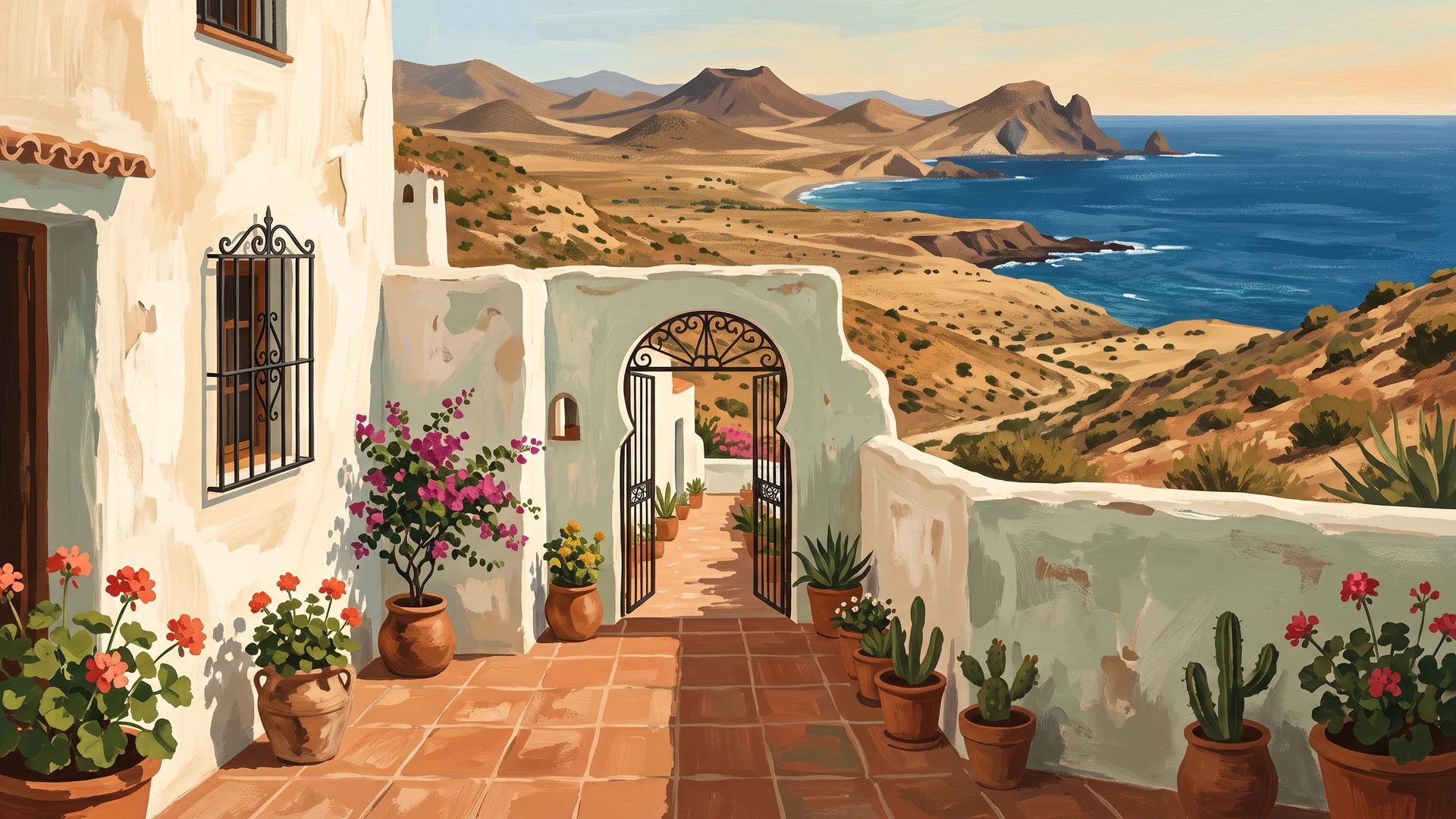
Choosing a base in Almería requires deciding how you want to travel. The province spans over eight thousand square kilometres of harsh topography, dividing into distinct zones that do not connect easily via public transport. If you want undeveloped volcanic coves, you must rent a car and commit to the limited infrastructure of the coastal natural park. If you prefer high-speed rail connections and urban tapas routes, you must stay in the capital. This guide evaluates the terrain, transport and trade-offs of the primary coastal and desert bases in eastern Andalucía.
Almería City: Urban Edge and Transit Hub
Almería City serves as the strategic transit hub for the province. The capital is a working port city defined by its enormous Moorish fortress and a grid of streets dedicated to an authentic, free tapas culture. Staying here provides immediate access to the provincial bus station, the central railway terminal and direct local transport lines to the airport. The local municipal bus provides a smooth transition from the airport into the city centre.
The urban beaches are functional but lack the dramatic isolation found further east. The primary trade-off of a capital base is distance. Driving to the wilder beaches of the natural park takes at least forty minutes, and navigating city traffic adds daily friction. The city suits independent travellers who want to combine historic architecture with a gritty, unpolished urban atmosphere. It remains the only logical choice for visitors arriving without a vehicle, as regional transport radiates outwards from this central point.
Cabo de Gata-Níjar: Volcanic Isolation and Strict Protection
The Cabo de Gata-Níjar Natural Park offers an arid, volcanic landscape devoid of high-rise hotels. Development is strictly regulated. Bases here consist of low-slung, whitewashed fishing villages separated by winding coastal roads and steep ravines. Choosing a base in this protected zone means trading absolute convenience for immediate proximity to the sea.
San José is the administrative and commercial heart of the park. It provides the highest concentration of restaurants, a small marina and the most reliable access to the famous southern bays. During summer, an official shuttle bus runs from San José to the restricted beaches, making it a highly practical base. However, the town can feel overwhelmed by domestic tourists during August.
Further north, Las Negras attracts a different crowd. The village sits in a steep bay surrounded by dark volcanic cliffs, maintaining an alternative, slightly weathered atmosphere. Accommodation here leans towards independent apartments and small, family-run guesthouses. The local beach is composed of large pebbles rather than fine sand, which deters some visitors but keeps the crowds thinner than in San José.
At the eastern edge of the park lies Agua Amarga, the most refined enclave on the coast. The village features manicured streets, independent boutiques and excellent seafood restaurants directly on the sand. It is an ideal base for couples seeking a quieter, upscale environment, but parking on the narrow access roads becomes severely compromised during peak season.
Levante Almeriense: Mojácar, Garrucha and Vera
North of the natural park, the topography softens and coastal development intensifies. The Levante Almeriense appeals to visitors who want reliable holiday infrastructure, long stretches of sand and a broad selection of international dining.
Mojácar is divided into two distinct zones. Mojácar Pueblo is a traditional whitewashed village built on a steep hill inland, requiring a demanding climb up narrow cobbled streets. It offers spectacular views and historic architecture but zero immediate beach access. Two kilometres below, Mojácar Playa is a continuous strip of bars, hotels and beach clubs. Visitors must decide whether they want the evening atmosphere of the historic hilltop or the daytime convenience of the shoreline.
Between Mojácar and Vera sits Garrucha, a working fishing port refreshingly immune to the polish of modern tourism. It is an excellent base for travellers focused on gastronomy, as the town is celebrated globally for its distinctive red prawns.
Adjacent to Garrucha is Vera, a town recognised for its massive coastal footprint. Playa de Vera is heavily zoned, featuring one of the largest official naturist resorts in Europe alongside extensive, family-focused textile beaches. The infrastructure here is heavily geared towards long-term visitors and expatriates. The area provides excellent supermarkets and flat, easy driving, but it lacks the elemental isolation that defines the southern half of the province.
Roquetas de Mar: The Accessible Resort
West of the capital, the landscape gives way to vast agricultural greenhouses before reaching the coast. Roquetas de Mar is a purpose-built coastal resort town. It is exceptionally flat, meticulously paved and reliant on large hotel complexes.
The trade-off here is absolute. You lose the rugged, volcanic aesthetic of eastern Almería entirely. In return, you gain wide, accessible promenades, plentiful parking, dedicated cycle lanes and highly calm, shallow waters. Roquetas is an engineered environment designed for convenience. It remains a strategic choice for travellers with limited mobility or large family groups who prioritise swimming pools and simple logistics over raw natural scenery.
The Tabernas Desert: A Starlit Hinterland
Moving inland, the province reveals its most extreme environment. The Tabernas Desert is the driest region in Europe, a landscape of eroded gullies, dry riverbeds and punishing summer heat. Staying in the badlands provides total isolation and exceptional dark skies for stargazing.
Tabernas is rarely a suitable base for a complete holiday. Daytime temperatures between June and September frequently exceed forty degrees Celsius, rendering outdoor activity dangerous until dusk. The area is best treated as a two-night detour. Accommodation is limited to remote rural properties and specific themed sites capitalising on the local cinematic legacy. Visitors must stock up on provisions in the capital, as local amenities are sparse. For a slightly cooler inland alternative, the nearby town of Sorbas offers accommodation precariously perched over a steep ravine, providing excellent access to the local gypsum karst cave systems.
Los Vélez: High-Altitude Heritage Bases
Travellers seeking to escape coastal heat should look to the northern highlands. The Los Vélez district offers a striking alternative to the desert and the sea. Dominated by the Sierra de María mountains, this region provides cooler evening temperatures, dense pine forests and a profound sense of historical isolation.
Basing yourself in Vélez-Blanco places you amidst monumental Renaissance architecture, including the famous sixteenth-century castle towering over the whitewashed houses. This area suits road trippers and hikers prioritising cultural heritage over beach access. You must rent a car to reach Los Vélez, as public transport from the coast is infrequent.
Choosing the Right Base for Your Trip
First-Time Visitors
San José provides the most balanced introduction to Almería. It sits within the protected natural boundaries but retains enough commercial infrastructure to make daily planning simple. You have immediate access to a supermarket, a pharmacy and paved roads, which are not guaranteed in smaller hamlets. From here, you can easily drive to the major volcanic landmarks without crossing the entire province daily.
Car-Free Travellers
Almería City is the only viable option if you refuse to rent a vehicle. Getting around Andalucía without a car requires proximity to central transit hubs. From the city, you can walk to historical sites, take local municipal buses to the urban beaches, and book official excursions to the desert or the natural park. Understanding the regional train network is crucial here, as the central station connects Almería directly to major northern hubs. Relying on rural bus routes to reach coastal villages is a frustrating exercise in poor timetabling and long waits in the sun.
Families with Young Children
Roquetas de Mar offers the path of least resistance for families. The flat terrain eliminates the need to push pushchairs up steep inclines, and the beaches are monitored by lifeguards with clearly demarcated safe swimming zones. For families who prefer a wilder setting, San José offers a sheltered town beach with calm water, though the surrounding volcanic terrain is significantly more challenging for small children.
Couples and Solitude Seekers
Agua Amarga provides an upscale, contained environment for couples. The dining options are sophisticated, and the village feels detached from the heavy transit routes. Alternatively, renting an isolated rural house in the Níjar foothills during the shoulder season guarantees absolute silence, provided you are willing to drive twenty minutes for dinner each evening.
Practical Planning: Transport, Seasonality and Accessibility
Your choice of base dictates your daily logistics. In the Cabo de Gata, a vehicle is strictly necessary. For those flying into the region, reviewing a practical guide to hiring a car is essential, particularly regarding insurance coverage for unpaved dirt tracks leading to remote beaches. Parking is a critical issue. To protect the fragile ecosystem, local authorities restrict vehicle access to the most famous southern beaches during the peak summer months. Visitors must park in designated lots outside the villages and use municipal shuttle buses. Factor in these transit delays if you choose a remote base.
Seasonality radically alters the experience of the province. August is intensely hot and crowded. The optimum months for coastal exploration are June, September and October, when the Mediterranean retains its warmth but the village access roads clear out. The winter months offer clear skies and empty shorelines, though many independent restaurants in smaller villages close entirely from November until March.
Accessibility varies wildly across the region. Travellers with mobility requirements should avoid Mojácar Pueblo, defined by steep staircases and uneven cobblestones, and the rugged coves of Las Negras. Roquetas de Mar and the central promenades of Almería City are heavily adapted, featuring ramp access to the sand and level pavements throughout the commercial districts.
Route Pairing and Onward Travel
Almería operates brilliantly as the anchor for a broader eastern journey. If you base yourself in the northern coastal towns of Mojácar or Vera, you are perfectly positioned to continue north along the Mediterranean into the Murcia region. Conversely, a stay in Almería City links seamlessly to inland routes. You can drive north into the high-altitude borderlands to explore the Renaissance architecture of the Los Vélez district, or connect directly to the A-92 motorway for a swift transit into the Sierra Nevada foothills and the city of Granada. When planning your departure, map your base to your next destination. Crossing the province from Agua Amarga to the western motorways will add over an hour of driving through secondary desert roads.
Last reviewed: 18 July 2026 · Editorial policy
Related guides
5 Days in Almería: City, Desert and Cabo de Gata
A realistic five-day driving itinerary through Almería province, balancing the historic capital, the cinematic Tabernas badlands, and the protected volcanic shores of Cabo de Gata.
13 min read
Where to Stay in Jaén: City, Renaissance or Cazorla
A candid decision guide to choosing your ideal base in Jaén province, from the steep Renaissance streets of Úbeda and Baeza to the remote trails of the Sierra de Cazorla.
8 min read
Where to Stay in Huelva: Coast, Doñana or Sierra
A candid planning guide to choosing the right base in Huelva. Discover the trade-offs between the wild Atlantic coast, the Doñana wetlands and the northern mountains.
8 min read
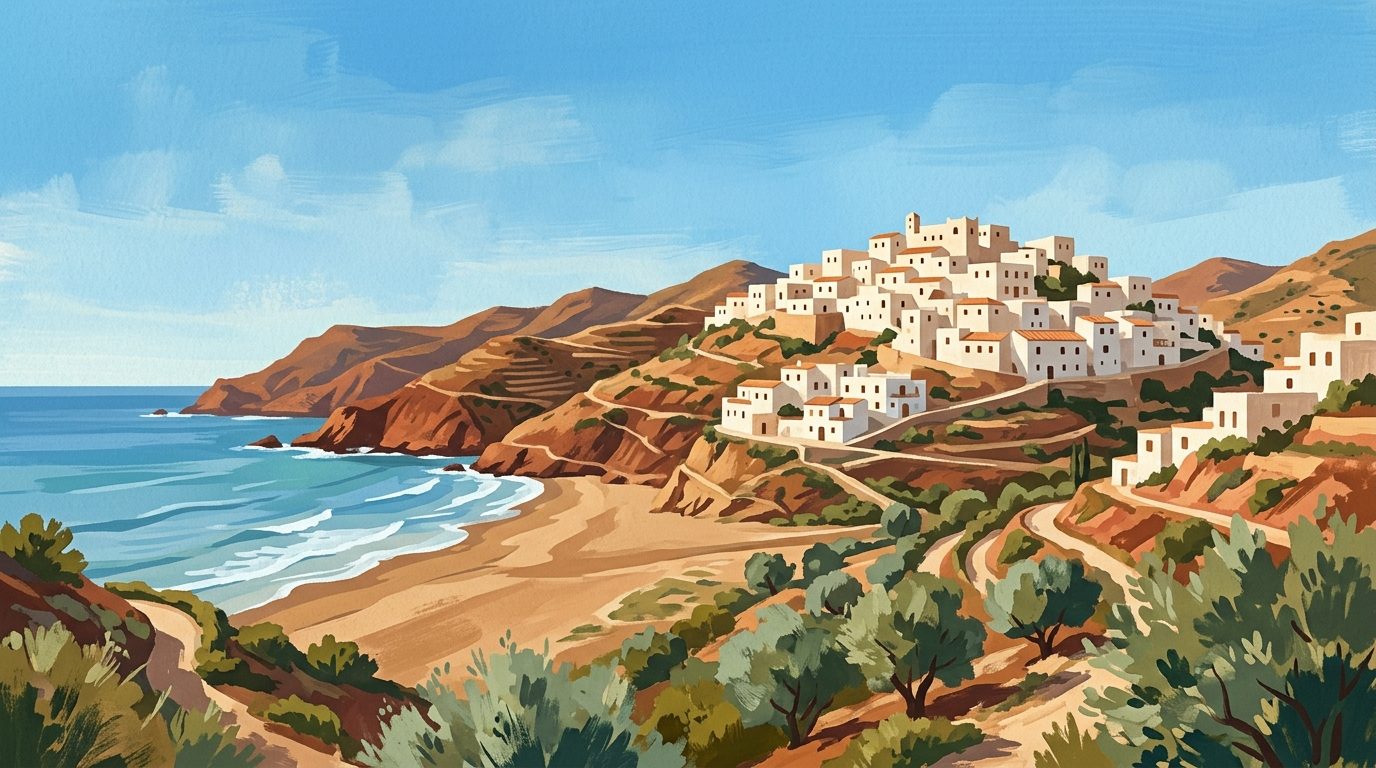
A Local Guide to Playa de Mojácar: Sands, Spirits and Almerían Soul
Experience the diverse 17-kilometre coastline of Mojácar Playa, where volcanic sands meet clear waters and lively chiringuitos offer the perfect Almerían escape.
8 min read
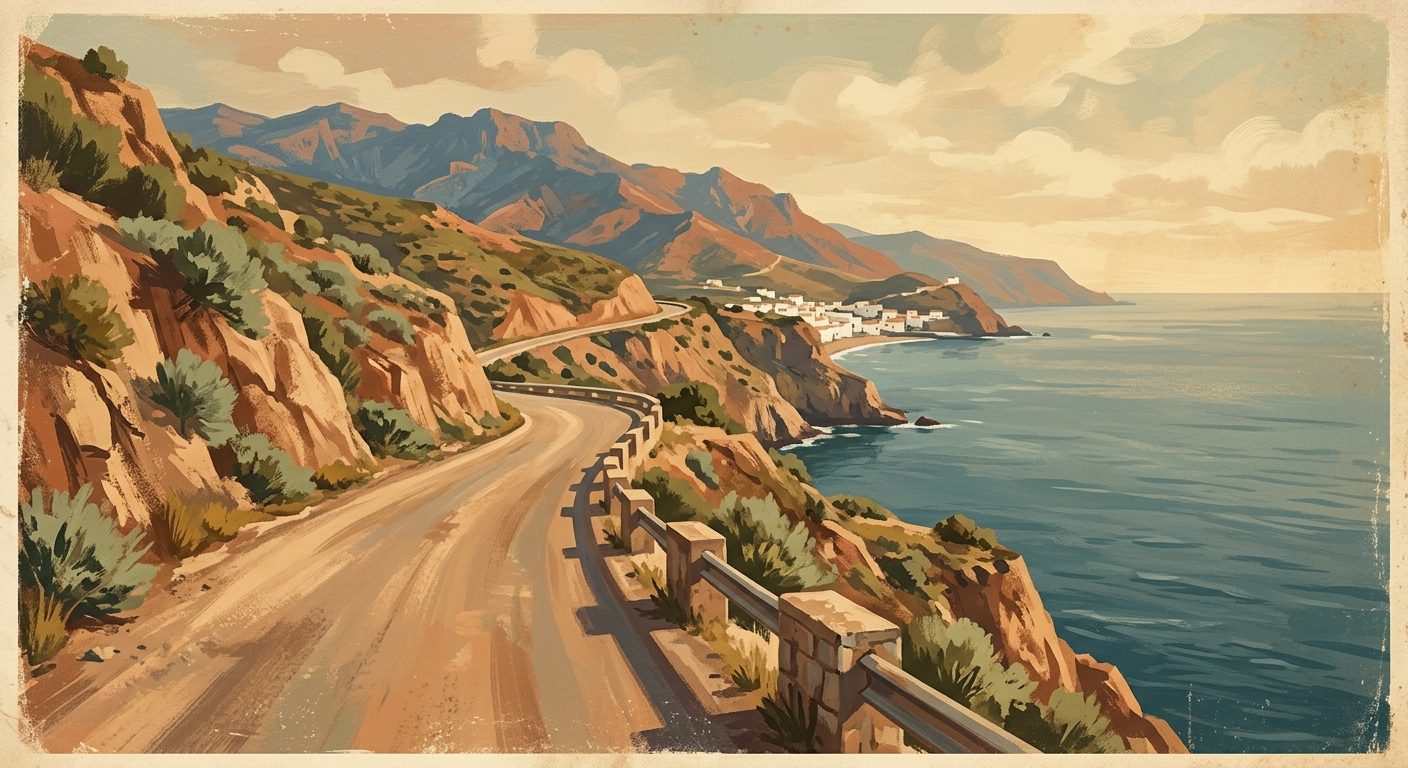
Málaga and the Carretera de Almería: The Tragedy of La Desbandá
In February 1937, tens of thousands of civilians fled Málaga along a narrow coastal road to escape advancing troops. The ensuing bombardment from sea and air created one of the deadliest civilian tragedies in modern European history.
8 min read
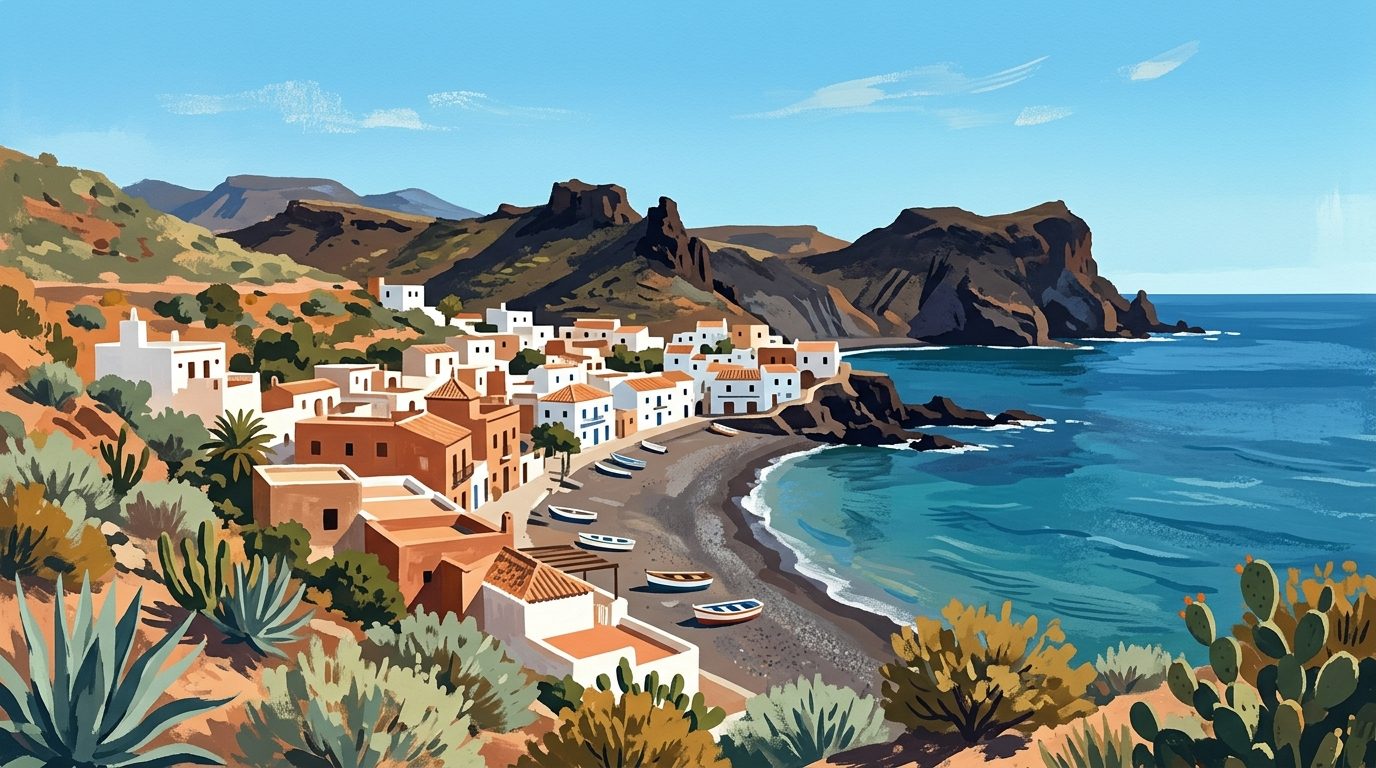
A Guide to Playa de Las Negras: Volcanic Shores in Almería
Playa de Las Negras is a unique volcanic beach in Almería, known for its dark pebbles, turquoise waters, and bohemian village atmosphere within the Cabo de Gata-Níjar Natural Park.
6 min read
Newsletter
More stories from Andalucía
Weekly notes, seasonal picks, and the next guides worth bookmarking.