
Where to stay
A Guide to Rural Stays and Farmhouses in Andalucía
How to choose rural stays and agrotourism in Andalucía, with verified farmhouses, cortijos and mountain stays plus access and season checks.
By Dan · Updated 24 July 2026 · 8 min read
This article contains affiliate links. If you book through them, we may earn a small commission at no extra cost to you.
Rural stays in Andalucía can be exceptional, but the best choice depends on road access, season, heating/cooling, food options, protected-area rules and how remote you really want to be.
Rural accommodation ranges from simple self-catering cottages to restored cortijos, mountain hotels and high-end farmhouse retreats. The strongest stays are not just pretty; they make the landscape practical by explaining access, parking, meals, walking routes, pool season, heating and what you can do nearby.
Regions to compare
- Alpujarras: good for mountain villages, walking and cooler air, but steep roads and winter conditions matter.
- Sierra de Aracena: strong for green landscapes, dehesa, food trips and slower rural towns.
- Sierra de Cazorla: best for active nature stays, wildlife, river valleys and longer drives.
- Subbética and olive country: good for white villages, cycling routes and olive-oil culture.
- Cortijo/hacienda belt: suited to groups, weddings, privacy and countryside pools.
Verified rural stays to compare
- Alquería de Morayma, Alpujarras: estate-style rural accommodation with food and mountain context.
- Casas la Suerte, Alpujarras: self-catering with village/mountain access.
- Las Chimeneas, Alpujarras: small rural stay with walking-focused appeal.
- Finca Valbono, Aracena: cottage-style rural base near the natural park.
- Hotel Convento Aracena: a more polished town-edge rural option.
- Hotel & Spa Sierra de Cazorla: practical for Cazorla park access (check current operational status and website before travelling).
- Hacienda de San Rafael: high-end hacienda-style stay between Sevilla and Cádiz.
- Hotel Cortijo Bravo: Axarquía farmhouse-hotel option near Málaga province.
- Cortijo del Marqués: restored cortijo north of Granada.
- Cortijo Los Malenos: rural Almería farmhouse stay.
Booking checks
- Ask about the final access road, not just the nearest town.
- Confirm heating, air conditioning, fans, fireplace rules and pool season.
- Check whether dinner, breakfast or self-catering supplies are realistic nearby.
- Download offline maps before arrival.
- Read recent reviews for Wi-Fi, mobile signal, insects, dogs, farm noise and road condition.
- Check protected-area rules if you plan hiking, cycling, fires, drones or off-road access.
Who should book rural Andalucía
Rural stays suit hikers, cyclists, food travellers, families wanting space, couples looking for quiet and groups who want a private base. They suit travellers less well if you need nightlife, public transport, step-free access, guaranteed fast internet or late-night services.
Choosing the right rural style
An agrotourism stay should show some relationship with the land: olive groves, vineyards, livestock, gardens, orchards, local food or restoration of a traditional estate. A rural hotel may simply be outside town. Neither is automatically better, but the distinction helps you set expectations. If you want farm life, ask what guests can actually see or do on site. If you want hotel comfort, check staffing, meals, pool service and reception hours.
For families, the key questions are pool safety, shade, kitchen facilities, bedroom layout and distance to the nearest shop or pharmacy. For walkers and cyclists, ask whether routes start from the door or require a drive. For couples, quiet and views may matter more than the number of facilities. For remote workers, verify internet with recent reviews rather than assuming rural Wi-Fi is adequate.
Arrival planning
Plan to arrive in daylight, especially for cortijos, mountain villages and properties reached by tracks. Rural addresses can be imprecise, mobile signal can drop near the property, and some lanes are harder after rain. Ask the host for GPS coordinates, final approach instructions and whether a normal hire car is suitable.
Official checks
Use the Junta protected-spaces portal and Turismo Andalucía for regional context, then confirm facilities, rates, cancellation terms, road access and seasonal services on each property's own site.
Related Andalucía guides
Compare these options with cortijos, self-catering villas, cave hotels, Sierra de Cazorla, Sierra de Aracena, white villages and olive oil.
What a cortijo stay actually feels like
A cortijo or finca stay can be wonderfully slow, but it works best when you arrive with rural expectations rather than hotel expectations. A car is usually essential, not only for day trips but for bread, water, pharmacy runs and the last kilometre after dinner. In mountain areas I always check the final approach on a map before booking. A lane described as “short and rustic” may be fine in dry May weather and awkward after a storm in February.
Meals are the other big difference. Some rural hotels cook dinner several nights a week, some ask for notice by the morning, and self-catering houses may leave you ten or twenty minutes from the nearest small supermarket. That is part of the pleasure if you plan for it. Buy basics before you leave the last proper town, especially on Sundays and local holidays, when village shops may close early or not open at all.
Pool season is not the same as beach season. Many country pools are unheated and feel chilly until late May, then become the centre of the day through July and August. In winter, ask about heating room by room. Thick cortijo walls keep summer heat out, but January nights in olive country or the Alpujarra Granadina can be properly cold. A wood-burner is lovely if logs are included and someone explains the draw; it is less charming if you arrive late to a cold house with one damp basket of wood.
I also ask about the practical things that rarely appear in glossy photographs: mosquito screens, shaded parking, washing machine access, fans in bedrooms, Wi-Fi in the actual rooms and not only beside reception, and how rubbish is handled. In the countryside you may need to take bags to municipal bins down the road. That is normal here, but it is better to know before you are leaving at dawn.
Best rural regions by mood and season
The right region depends on the kind of rural week you want. The Sierra de Aracena is my choice for a green, food-led break, especially in autumn when chestnuts, mushrooms and Iberian pork shape menus. It feels gentler than the higher mountains, with small towns close enough for coffee, ham shops and wet-weather plans.
The Alpujarras suit walkers and readers, people who like steep lanes, white villages, acequias (irrigation channels) and cool evenings above the Granada plain. It is less convenient for quick sightseeing, but excellent if you want to stay put for a few nights. Olive country around the Subbética and parts of Jaén is better for road trips, cycling, olive mills and white towns where you can still eat well outside the busiest tourist circuits.
The Grazalema area is strong in spring and autumn, with limestone walks, high rainfall by Andalucían standards and villages that feel made for two-night stops. Inland Cabo de Gata is drier, starker and more wind-shaped. It suits travellers who want quiet roads, low-key cortijos and access to the coast without sleeping in a beach town. July and August can be harsh away from the sea, so shade and air conditioning matter there.
Harvests, farm stays and local rhythms
Agrotourism sounds romantic, and it can be, but it is not always a hands-on farm holiday. Some places are working estates where guests may see olive groves, vines, goats, vegetable gardens or almond trees. Others are rural hotels with an agricultural past. If you want a real farm element, ask directly what is possible during your dates: a walk through the groves, olive-oil tasting, grape harvest morning, cookery class, animal feeding or a visit to a local mill.
Timing matters. The olive harvest usually runs from late autumn into winter, shifting by altitude, weather and variety. It is not a soft-focus activity: mornings can be cold, machinery is noisy and the work is physical. That said, visiting an oil mill at this time gives you a much clearer sense of why extra virgin olive oil matters here. Almond blossom can start surprisingly early in parts of Málaga, Granada and Almería, often from late January into February. Grape harvests are late summer into early autumn, though guest access depends entirely on the producer.
For me, the best rural stays do not try to entertain you every hour. They help you understand the local rhythm: when the baker comes, which bar still serves lunch at four, which track is fine after rain, and where to buy the oil, cheese or wine you tasted at dinner.
Classifications, deposits and minimum stays
Spanish accommodation labels can be confusing. A casa rural is often a licensed rural house or cottage, sometimes rented whole, sometimes by room. A hotel rural usually has more hotel-like services. Agroturismo suggests a link with farming or estate life, but the depth of that link varies. None of these words guarantees luxury, isolation or meals, so read the details rather than the label.
Minimum stays are common at Easter, Christmas, August weekends and local festivals. Whole-house cortijos may prefer a week in summer, especially if there is a pool. Smaller owners may ask for a bank transfer deposit, and some rural properties still handle damage deposits or final payments in cash. That is not automatically suspicious, but you should receive clear written terms, a licence number where applicable, and a proper confirmation of what is included.
Finally, be honest about your group. Tell the owner if you are bringing toddlers, nervous drivers, elderly relatives, bikes, a dog or a plan to work online. Rural hosts are usually direct because they know their roads and houses. If they warn you that the track is not suitable for a low hire car, believe them.
Summary
- Rural value depends on access, facilities and season, not only scenery.
- Verify property roads, heating/cooling, meals, Wi-Fi and pool season.
- Use operator sites for current rates and policies.
- Protected-area rules matter for outdoor plans.
- A car is usually essential for the best rural stays.
Last reviewed: 16 July 2026 · Editorial policy
Related guides
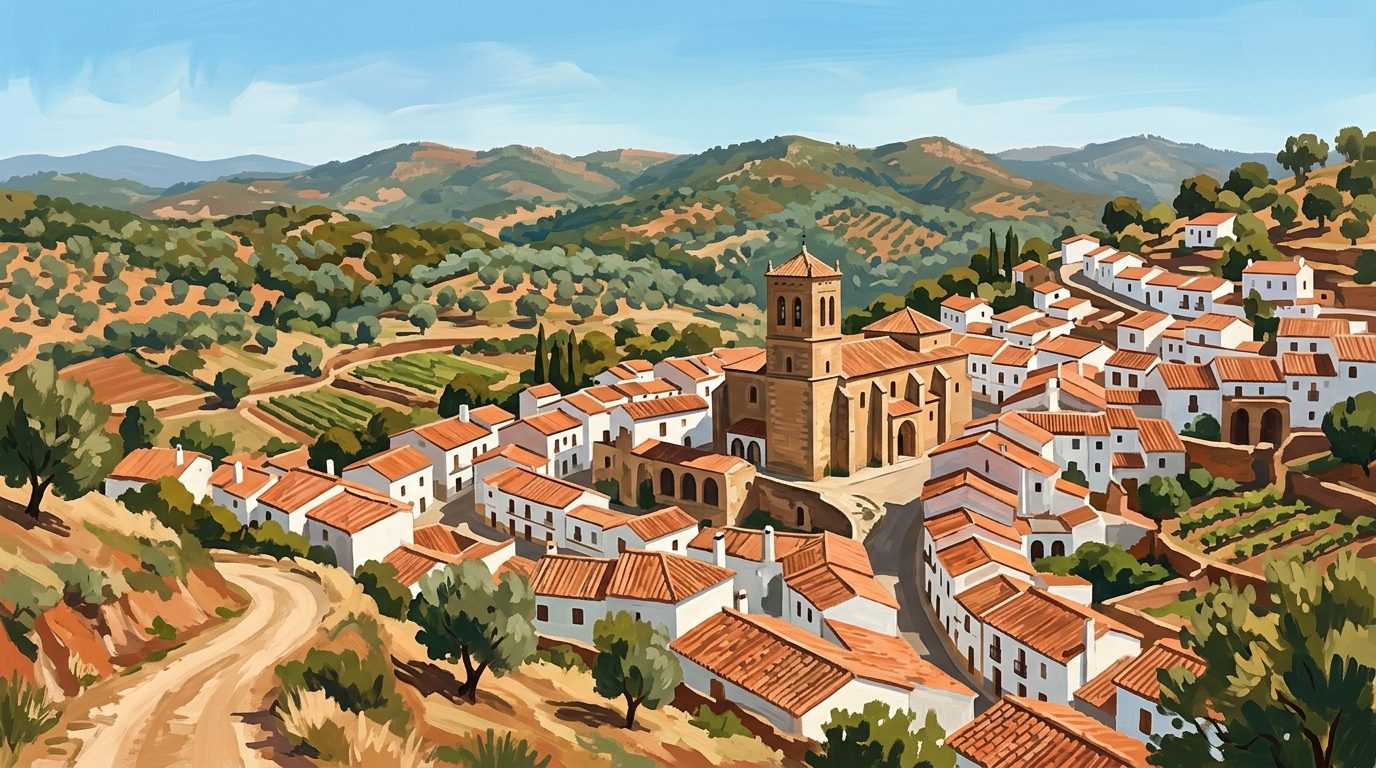
Jabugo: A Guide to the World Capital of Jamón Ibérico
Discover Jabugo, the legendary village in Huelva's Sierra de Aracena where the world's finest Ibérico ham is produced through centuries-old artisanal traditions.
6 min read
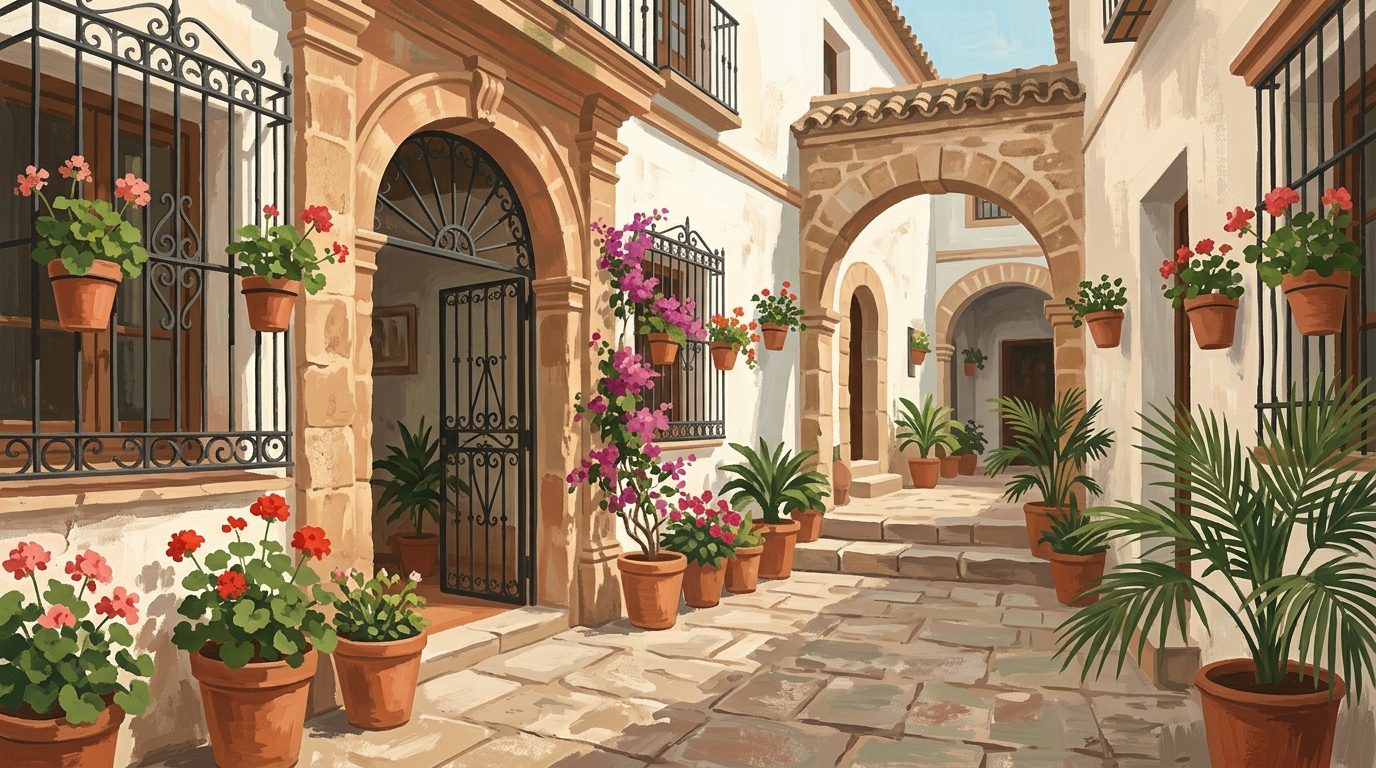
Where to Stay: The Best Self-Catering in Andalucía
How to choose self-catering apartments, villas, cortijos and rural cottages in Andalucía, with registration checks, area guidance and practical booking questions.
4 min read
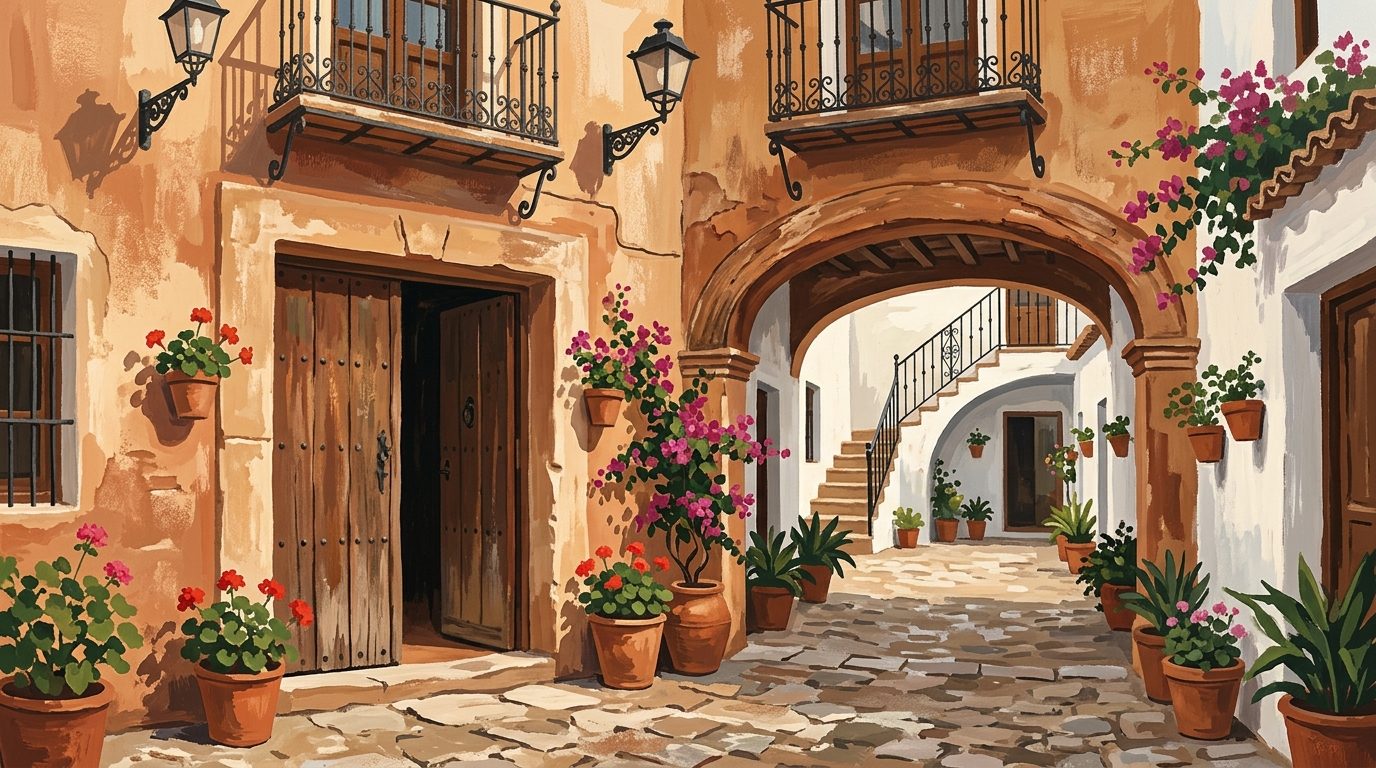
A Guide to the Best Converted Farmhouses in Andalucía
How to choose cortijos, haciendas and converted farmhouses in Andalucía, with verified rural stays, regional trade-offs, access checks and planning links.
4 min read
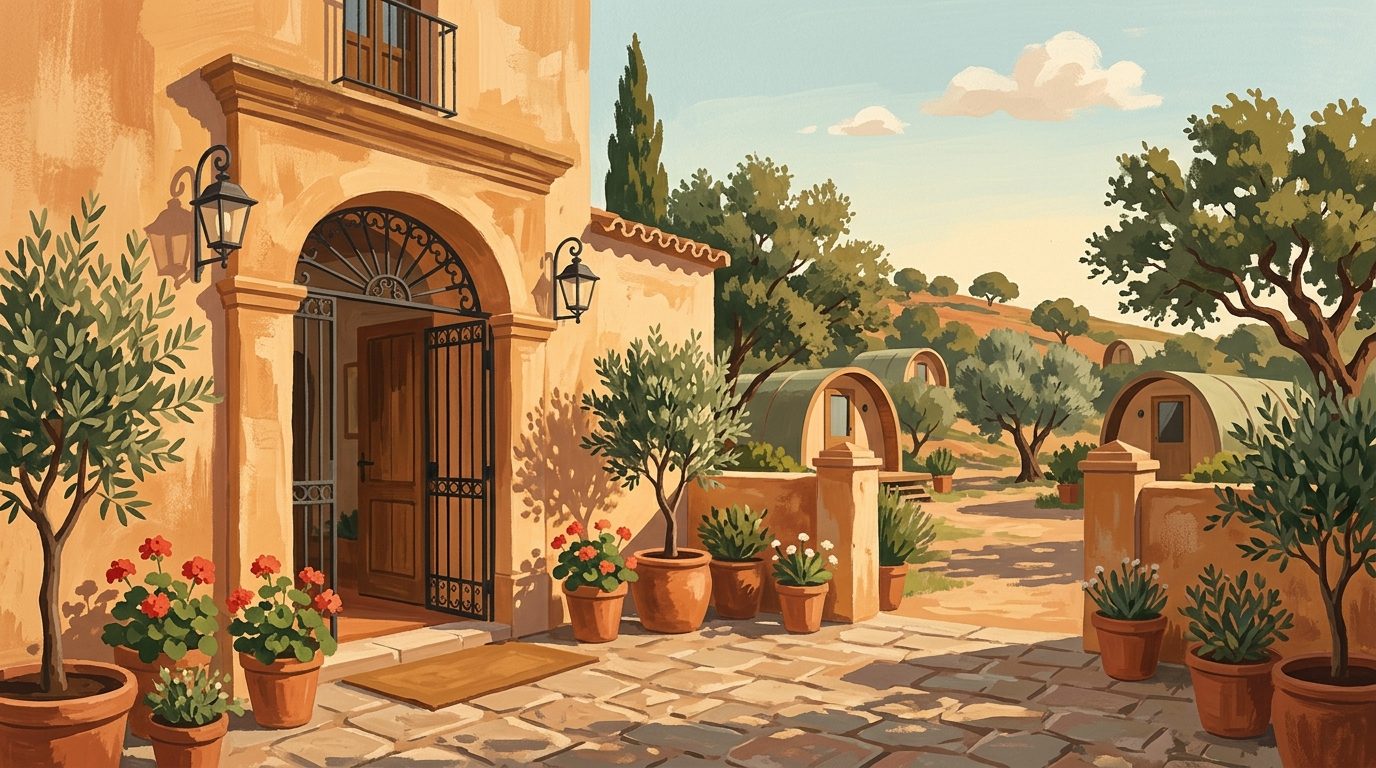
Glamping and Eco-Pods in Andalucía: Where to Stay Under the Stars
A practical guide to glamping in Andalucía, with verified yurts, cabins, campsite tents and cave stays plus comfort, eco and protected-space checks.
3 min read
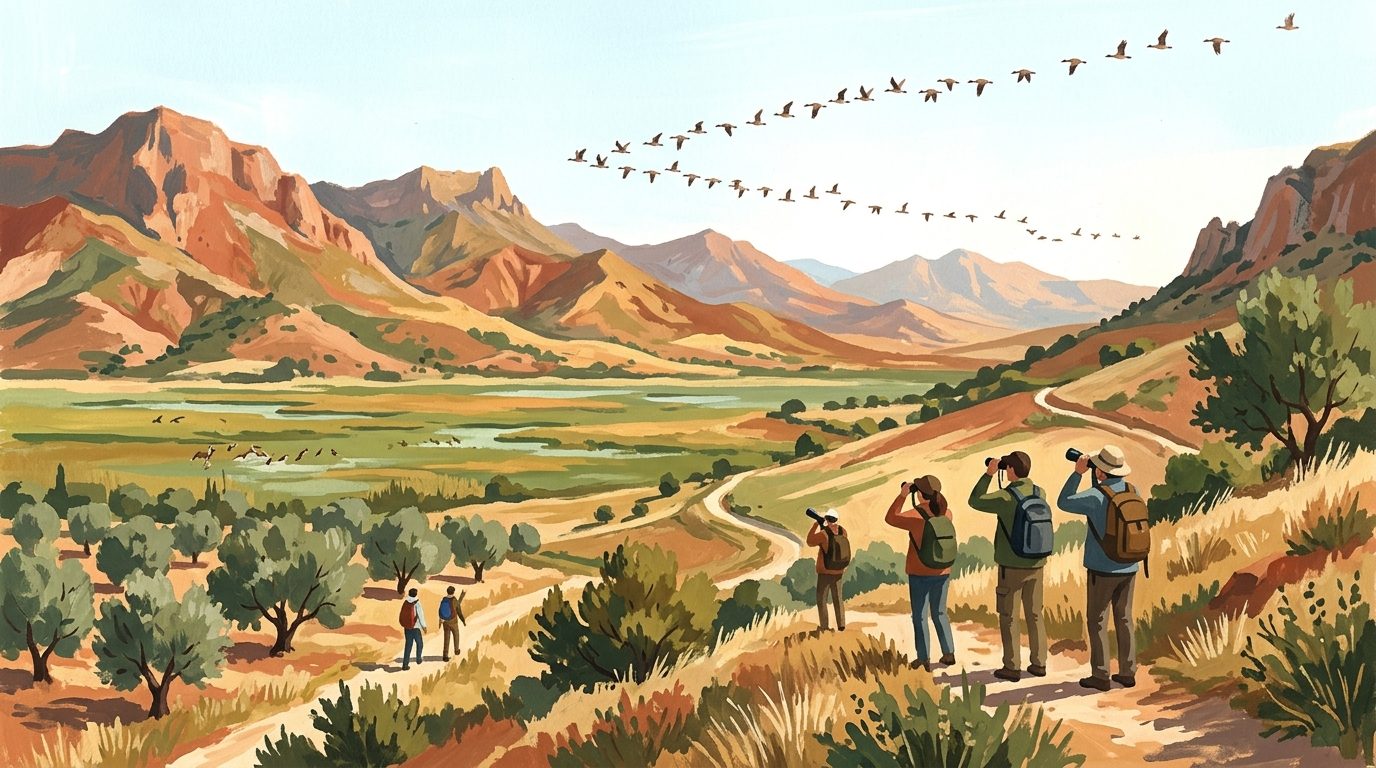
A Birder’s Guide to Andalucía: Migration, Marshes, and Mountains
Andalucía is a global birdwatching hotspot, offering everything from massive raptor migrations over the Strait of Gibraltar to the iconic flamingo colonies of Doñana.
7 min read
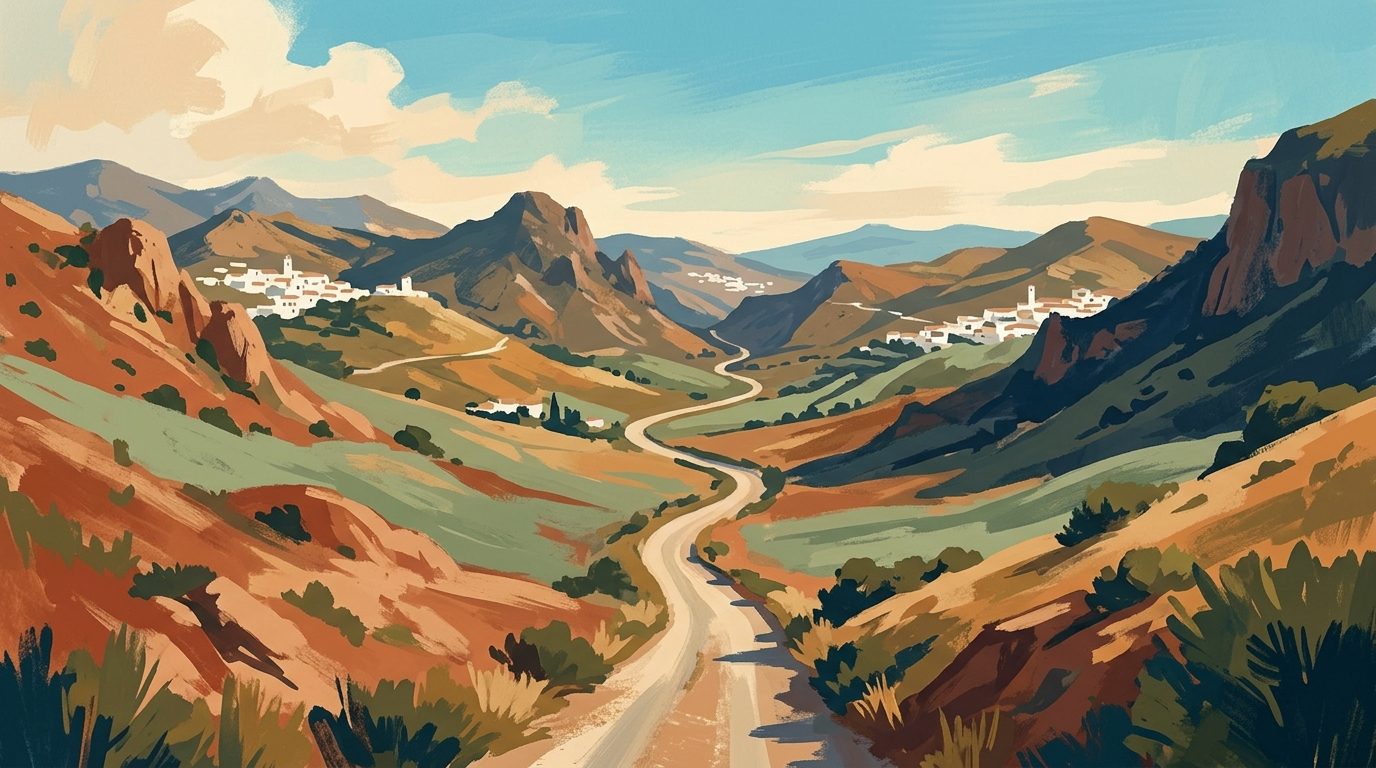
Motorcycle Touring in Andalucía: The Ultimate Rider's Guide
Forget the motorways; Andalucía’s true character is carved into its mountain passes, where immaculate asphalt drapes across deep ravines and high-altitude plateaus. This is a landscape built for motorcycles, offering thousands of kilometres of technical riding.
9 min read
More guides
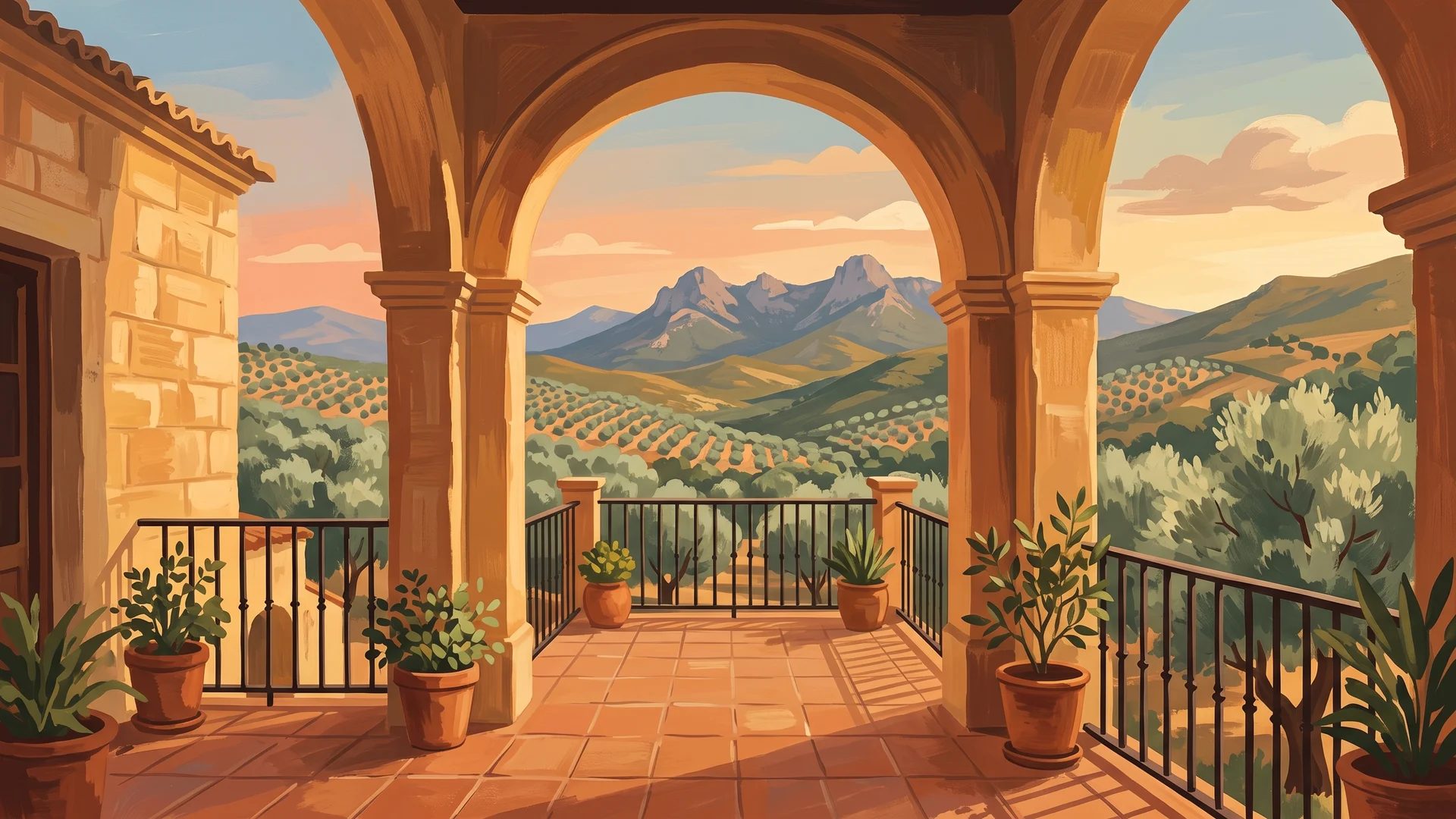
Where to Stay in Jaén: City, Renaissance or Cazorla
A candid decision guide to choosing your ideal base in Jaén province, from the steep Renaissance streets of Úbeda and Baeza to the remote trails of the Sierra de Cazorla.
8 min read
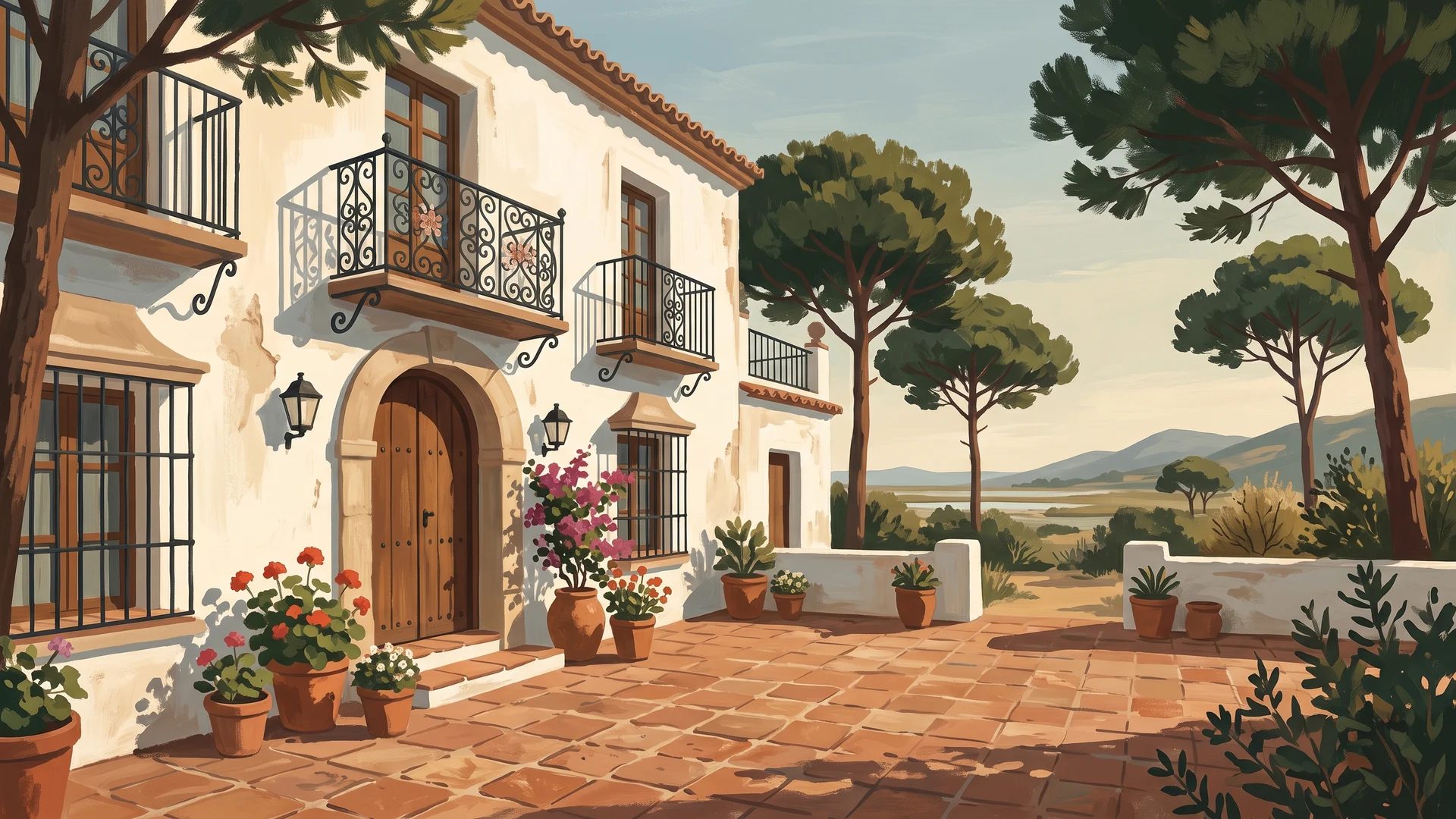
Where to Stay in Huelva: Coast, Doñana or Sierra
A candid planning guide to choosing the right base in Huelva. Discover the trade-offs between the wild Atlantic coast, the Doñana wetlands and the northern mountains.
8 min read
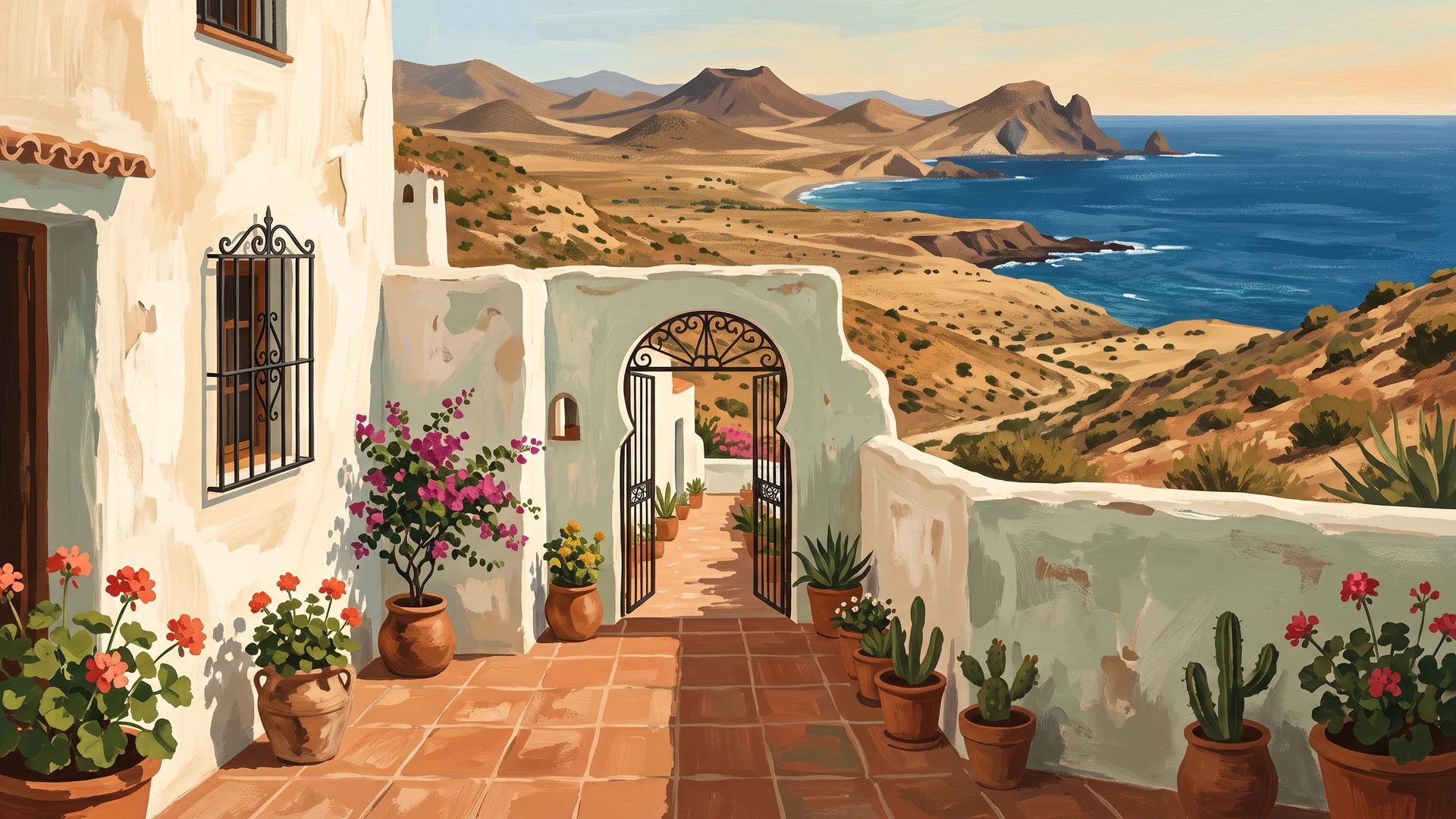
Where to Stay in Almería: Choose the Right Base
A candid decision guide to Almería's dramatically different landscapes, comparing the urban capital, the volcanic isolation of Cabo de Gata, the coastal resorts of the Levante, and the extreme terrain of the Tabernas Desert.
8 min read
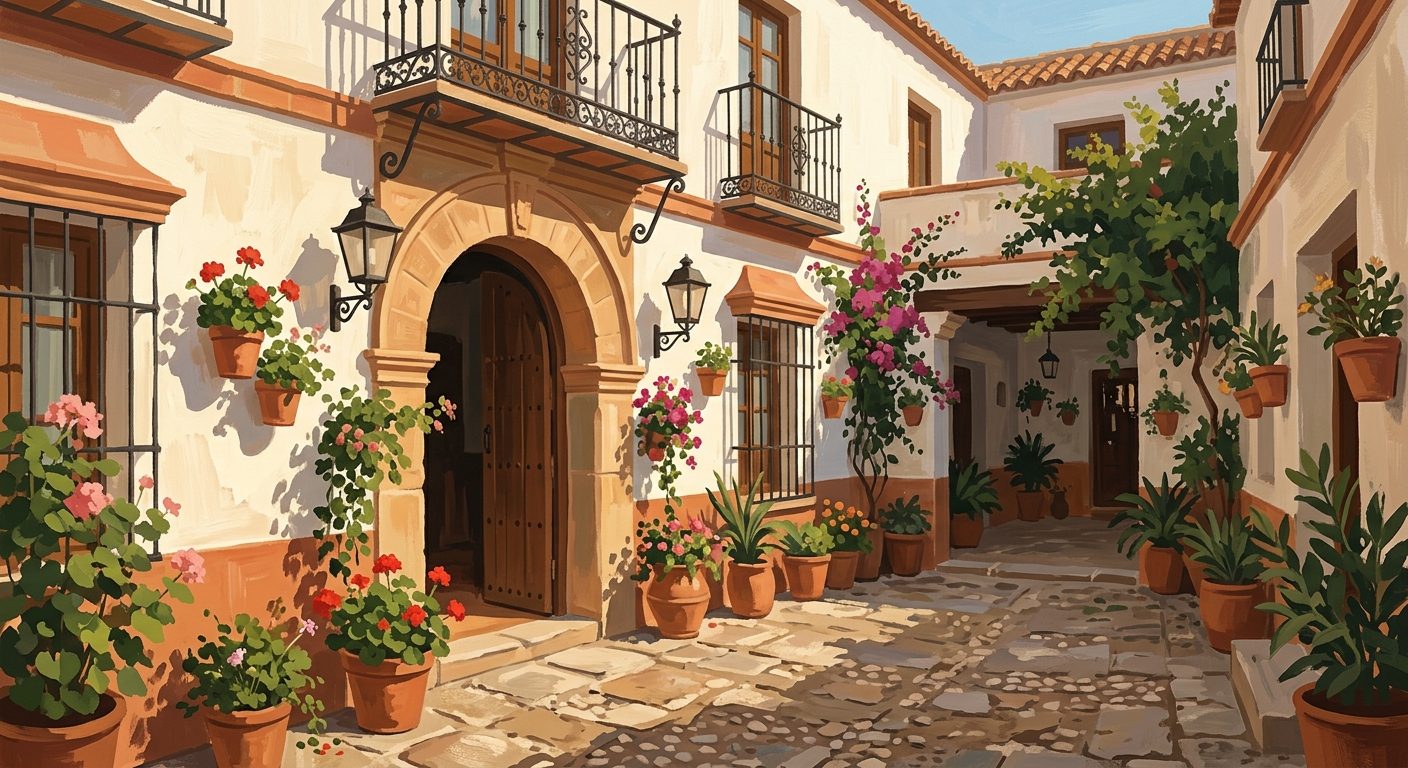
Hotels with a Pool in Granada: Rooftop Plunges and Seasonal Tips
Finding a hotel with a pool in Granada requires understanding seasonal limits and the difference between a rooftop plunge and a full-sized basin.
5 min read
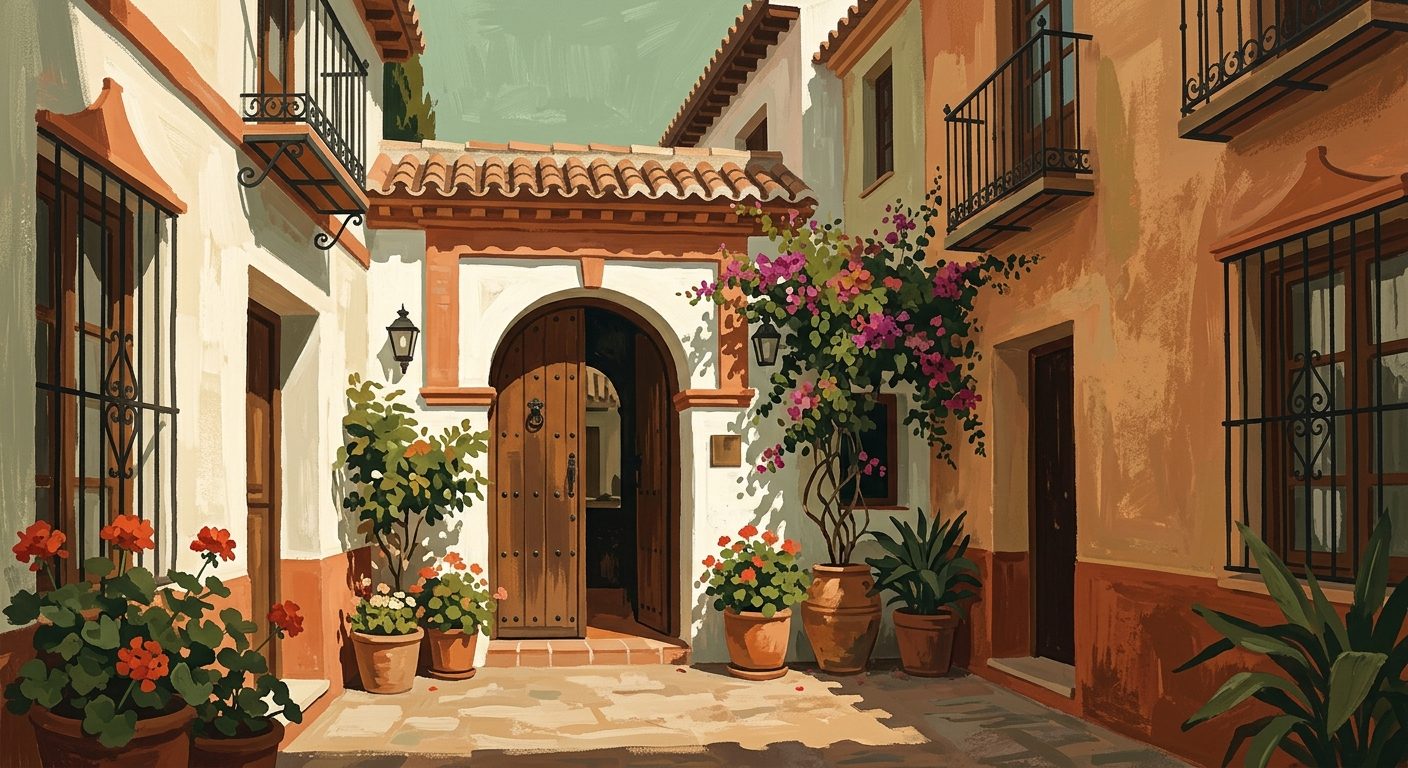
Boutique Hotels in Granada: Historic Cármenes and Palacetes
Choose between historical cármenes in the Albaicín and modern palacetes in the city centre with our guide to Granada boutique hotels.
5 min read
Sevilla Luxury Hotels: A Professional Guide
Discover the finest accommodation in Sevilla, from historic 18th-century palacios in Santa Cruz to modern five-star hotels with rooftop pools in El Arenal.
6 min read
Quiet and Boutique Hotels in Granada: Best Adult-Focused Retreats
A practical guide to quiet and adult-focused hotels in Granada, comparing Albaicín, Realejo and Cathedral bases with Alhambra access, stairs, transport and spa checks.
6 min read
Hotels with Pet-Friendly Rooms in Sevilla: Fees and Walking Areas
Discover how to choose the right pet-friendly accommodation in Sevilla, from weight limits and nightly fees to the best neighbourhoods for walking your dog.
5 min read
Granada Romantic Hotels: A Practical Guide to Choosing Your Stay
Choosing a romantic hotel in Granada requires balancing iconic Alhambra views against the logistical challenges of the city's historic hillside neighbourhoods.
5 min read
Newsletter
More stories from Andalucía
Weekly notes, seasonal picks, and the next guides worth bookmarking.