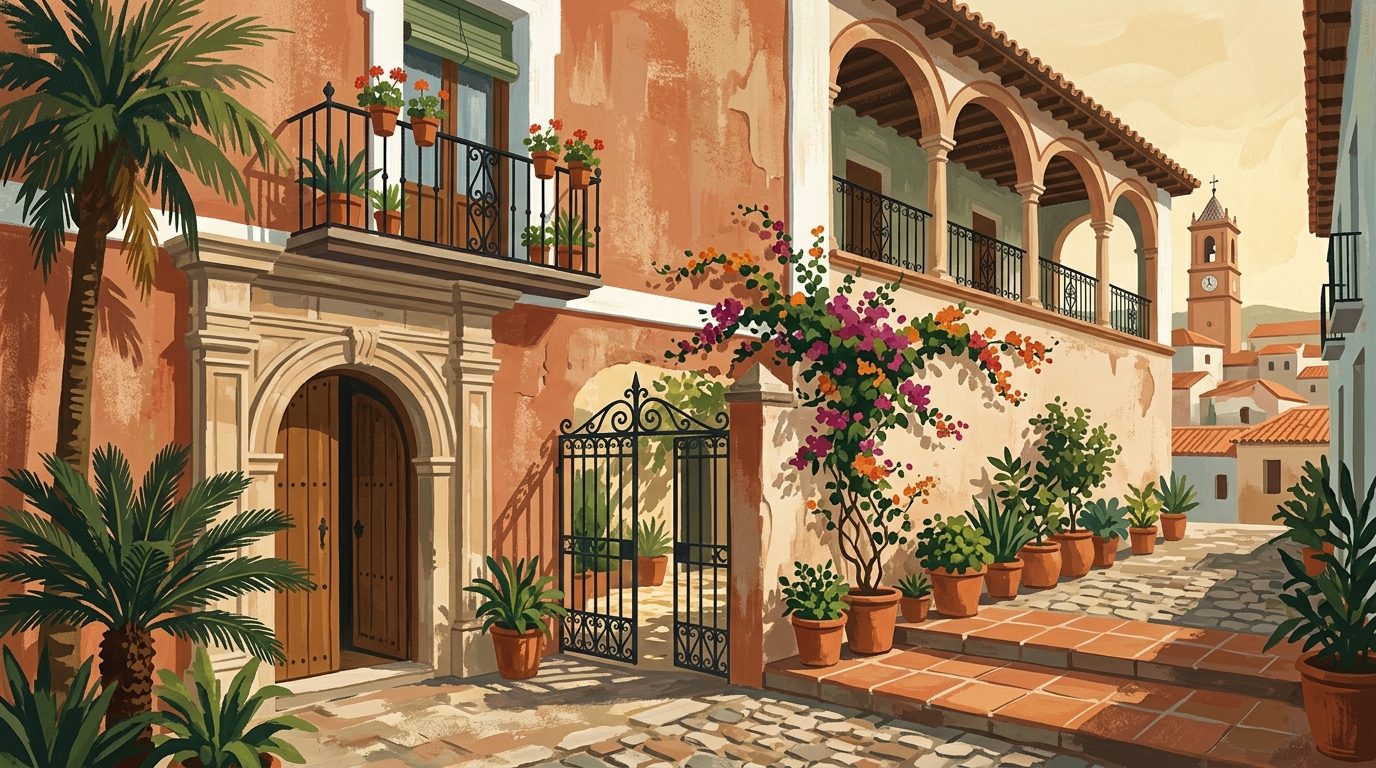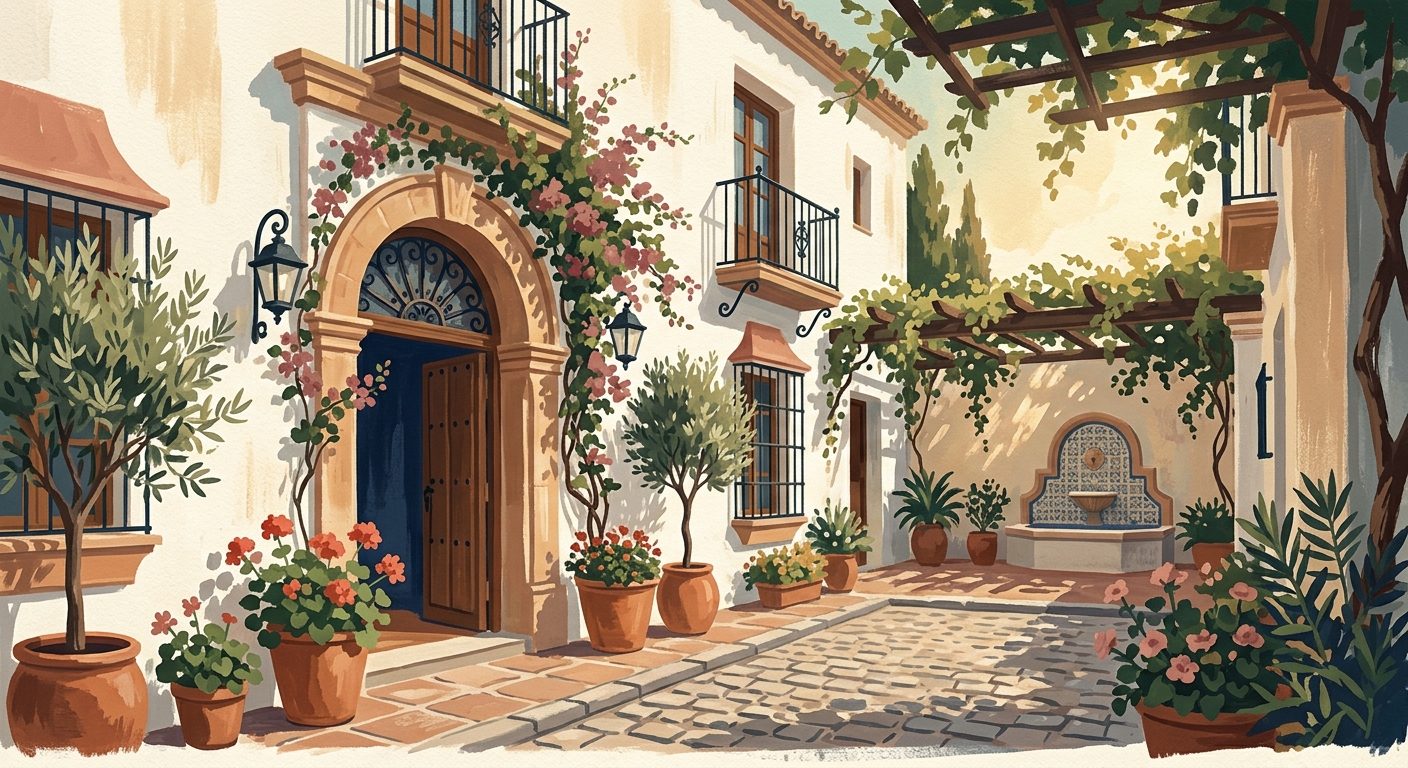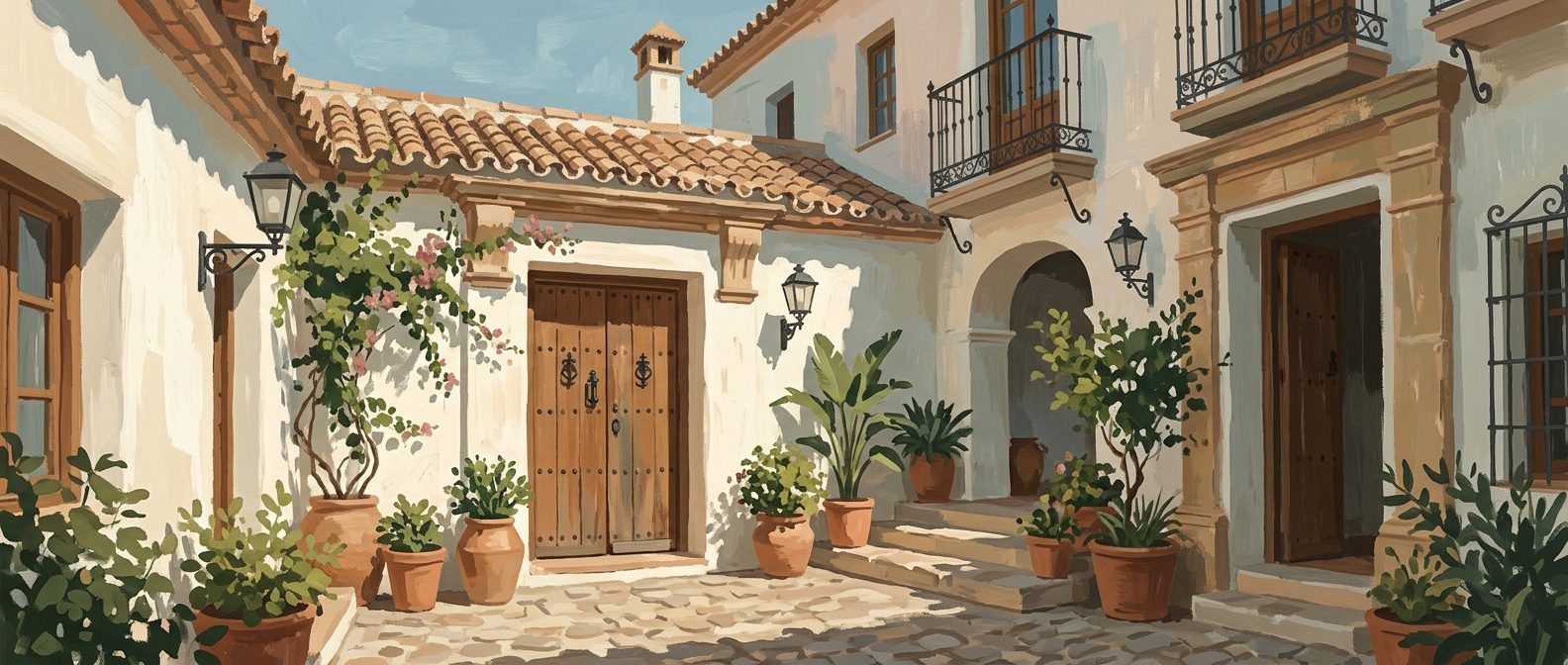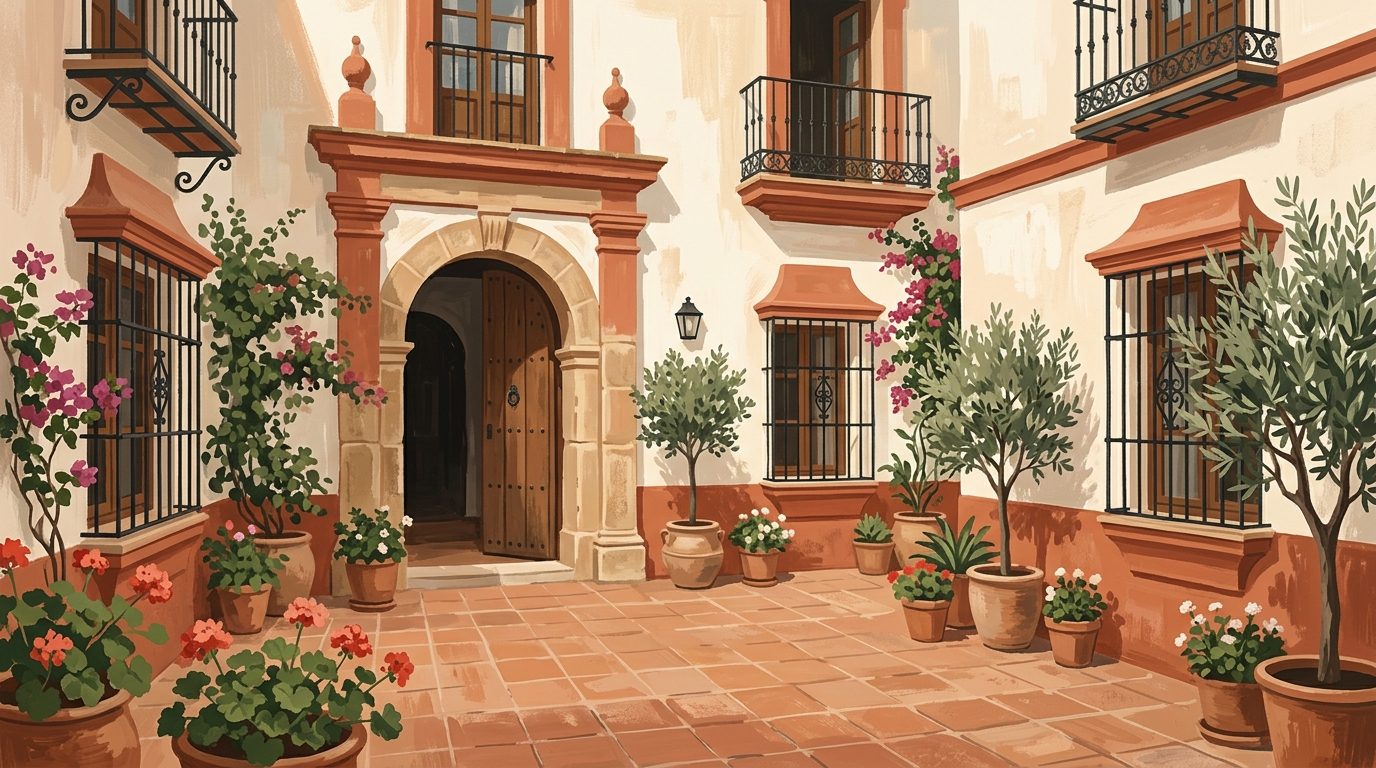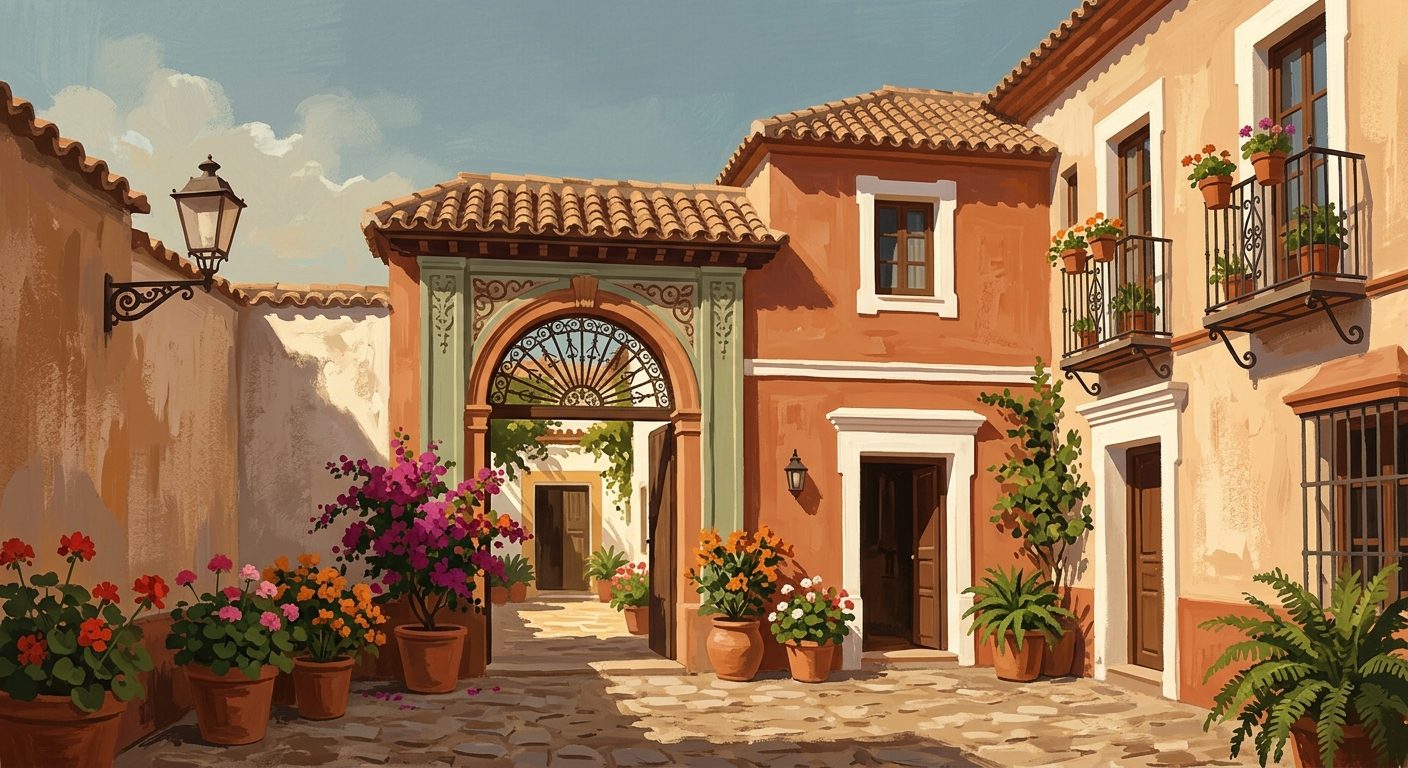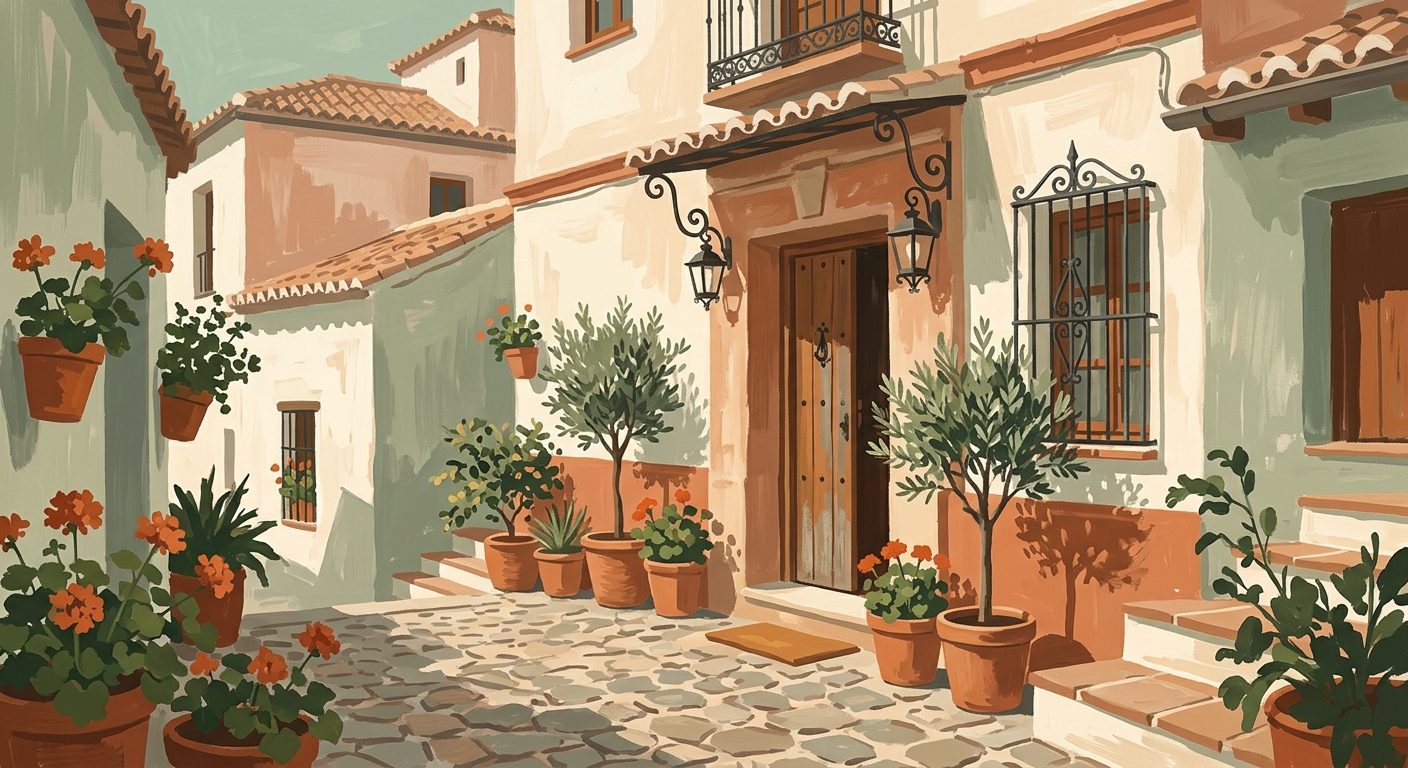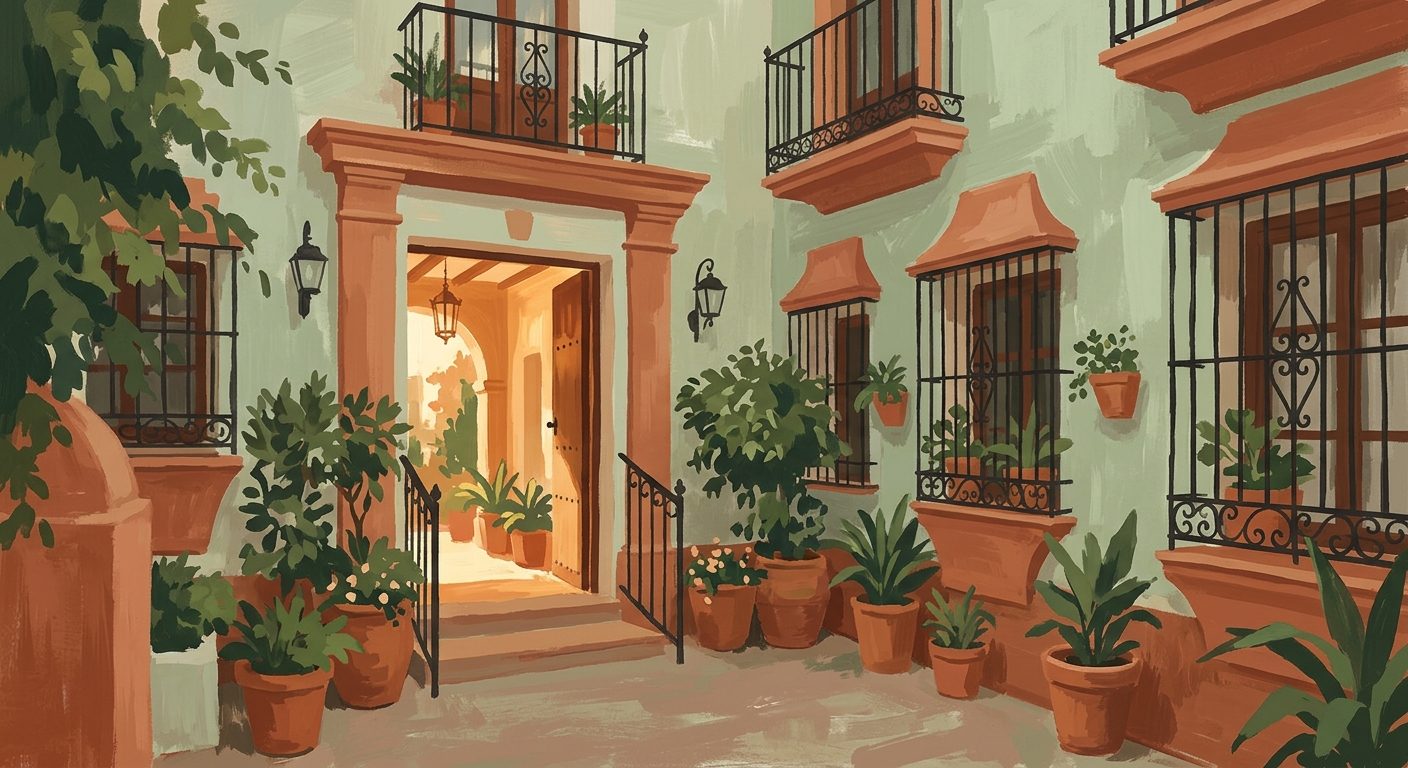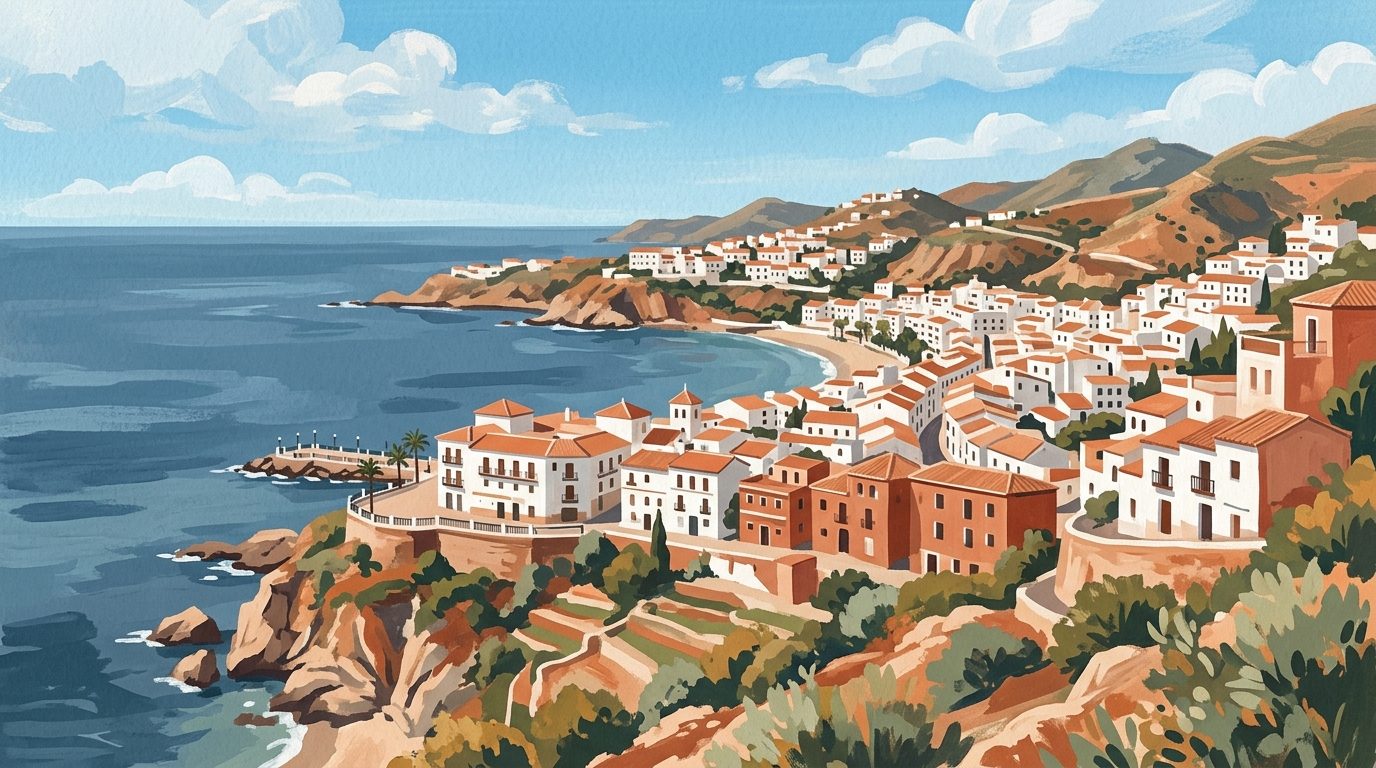
Nerja marks the point where the rugged mountains of the Axarquía meet the clear waters of the Mediterranean. It offers a distinct alternative to the high-rise developments of the western Costa del Sol, combining traditional whitewashed streets with dramatic coastal scenery.
Nerja sits on the eastern edge of Málaga province, approximately 50 kilometres from the provincial capital. Unlike the sprawling tourist hubs found further west, this town has largely resisted the trend of high-rise hotel blocks, maintaining a low-slung skyline of white houses and terracotta tiles. It serves as the primary gateway to the Costa del Sol Oriental, an area where the landscape becomes more vertical and the sea noticeably clearer. Visitors are drawn here by the famous prehistoric caves, the panoramic views from the Balcón de Europa, and the preserved coves of the Maro-Cerro Gordo Natural Park.
The town feels like a living community rather than a seasonal resort, with a local population that sustains the centre year-round. For visitors exploring the subterranean galleries of the caves or kayaking beneath the waterfalls at Maro, Nerja provides a more natural, slower pace of Andalucían life. The combination of agricultural heritage (visible in the surrounding avocado and mango plantations) and a well-established international community gives the town a unique, relaxed character that is hard to find elsewhere on the coast.
What to See & Do
The Balcón de Europa
The Balcón de Europa is the undeniable heart of the town. Built on the site of a former 9th-century fortress known as the Castillo de Bajo, this palm-lined promontory juts out over the Mediterranean, offering 360-degree views of the coastline. To the east, you can see the rugged cliffs of Maro; to the west, the smaller town beaches of El Salón and Calahonda. A life-sized bronze statue of King Alfonso XII stands at the railing, commemorating his visit in 1885 when he reportedly named the site after being struck by its expansive views. The plaza behind the balcony is home to the 17th-century Church of San Salvador, where the smell of incense often drifts out into the square during evening mass.
The Nerja Caves (Cuevas de Nerja)
Discovered by a group of local boys in 1959, these caves are one of Spain’s most significant archaeological sites. The caverns stretch for almost five kilometres and contain the world’s largest stalactite, standing at 32 metres tall. Inside, the temperature remains a constant 19 degrees Celsius, providing a cool escape from the summer heat. The galleries are filled with prehistoric paintings and evidence of human habitation dating back 25,000 years. During the summer months, the "Cave of the Cascade" often serves as a natural amphitheatre for music and dance performances, taking advantage of the extraordinary acoustics within the limestone chambers.
Burriana Beach
Burriana is the most popular beach in Nerja, known for its wide stretch of dark sand and excellent facilities. It is located at the bottom of a steep hill, often referred to by locals as 'Cardiac Hill' because of the climb back up. The promenade is lined with shops and restaurants, the most famous of which is Ayo’s, where massive pans of paella are cooked over open wood fires. Beyond sunbathing, Burriana is a hub for water sports, including scuba diving and paddleboarding. It serves as the starting point for many coastal excursions heading towards the cliffs of Maro.
Maro Cliffs and Snorkelling
The Acantilados de Maro-Cerro Gordo is a protected natural area located just east of the town. This stretch of coastline is defined by steep, jagged cliffs and secluded pebble beaches. Because the area is protected, fishing is restricted, making it one of the best places for snorkelling and diving in Andalucía. The water is exceptionally clear, and you can often see seagrass meadows and schools of colourful Mediterranean fish. One of the most popular activities is taking a kayak tour from Burriana to the Maro Waterfall, where fresh water cascades directly from the mountains into the sea.
The Eagle Aqueduct (Acueducto del Águila)
Spanning the Maro canyon, this 19th-century brick structure was originally built to transport water to the San Joaquín sugar refinery. It is a four-storey masterclass in industrial architecture, featuring 38 overlapping arches. While it is no longer used for its original purpose, it remains a striking sight against the backdrop of the Sierra de Enmedio. You can view it from a dedicated lookout point on the N-340 road between Nerja and Maro, which is particularly impressive in the late afternoon sun.
Practical Information
Opening Times & Prices:
The Nerja Caves are open daily from 09:30 to 16:30 (last entry), with extended hours until 19:00 during July and August. General admission tickets cost approximately €16 for adults and €14 for children (6 to 12 years) (check on the operator's website before travelling). It is highly recommended to book online in advance via the official Nerja Caves website, as time slots frequently sell out. The Balcón de Europa and town beaches are free to access at all times.
How to Get There:
From Málaga, the easiest way to reach Nerja is by car via the A-7 motorway, a journey of roughly 50 minutes. If you are using public transport, the ALSA bus company runs a regular service from the Málaga central bus station and the Muelle Heredia port. The journey takes between 1 hour and 1 hour 30 minutes, depending on whether it is a direct or local service. Tickets cost around €5 each way (check on the operator's website before travelling).
Parking:
Parking in the centre of Nerja can be challenging, particularly in July and August. The most convenient option is the large municipal underground car park located directly beneath the Plaza de España, next to the Balcón de Europa. For those visiting Burriana Beach, there is a large open-air car park at the end of the promenade, though this fills up very early in the morning during peak season.
Where to Eat Nearby
For a traditional experience, head to Restaurante El Pulguilla on Calle de los Huertos. It is a local institution where you can stand at the bar and choose a free tapa with every drink, or sit in the large rear courtyard for a full meal of fried fish and fresh shellfish. If you are on Burriana Beach, Chiringuito Ayo is essential for its wood-fired paella; they have been serving the same recipe since 1969 and offer free refills. For something more refined, Oliva offers a contemporary take on Andalucían ingredients in a sleek, modern setting near the town hall.
Where to Stay
The Parador de Nerja is the town’s premier accommodation, situated on a cliff edge with a private lift down to Burriana Beach. For those who want to be in the thick of the action, Hotel Balcón de Europa is built directly into the rock face at the edge of the promenade, offering rooms with spectacular sea views. For a more intimate stay, Hostal Marissal is a well-regarded boutique option located right next to the Church of San Salvador.