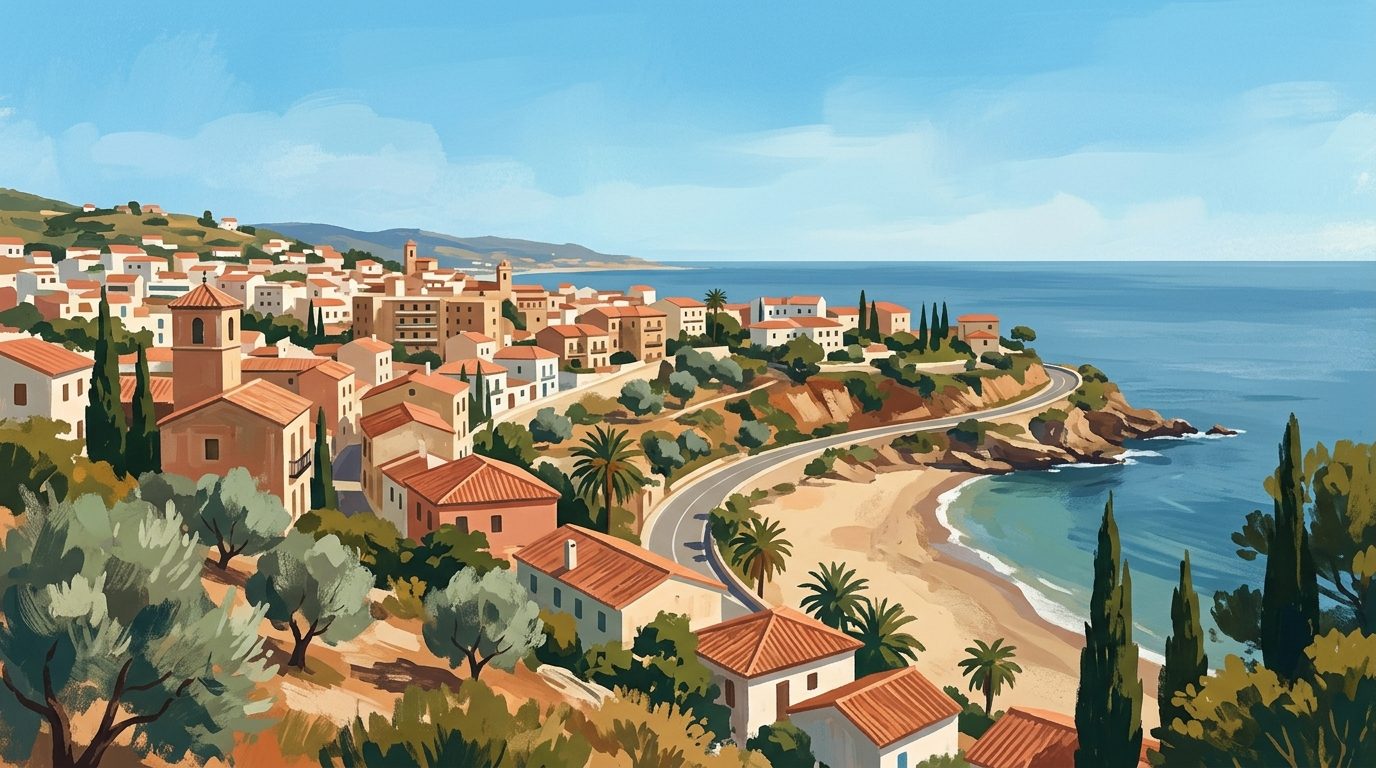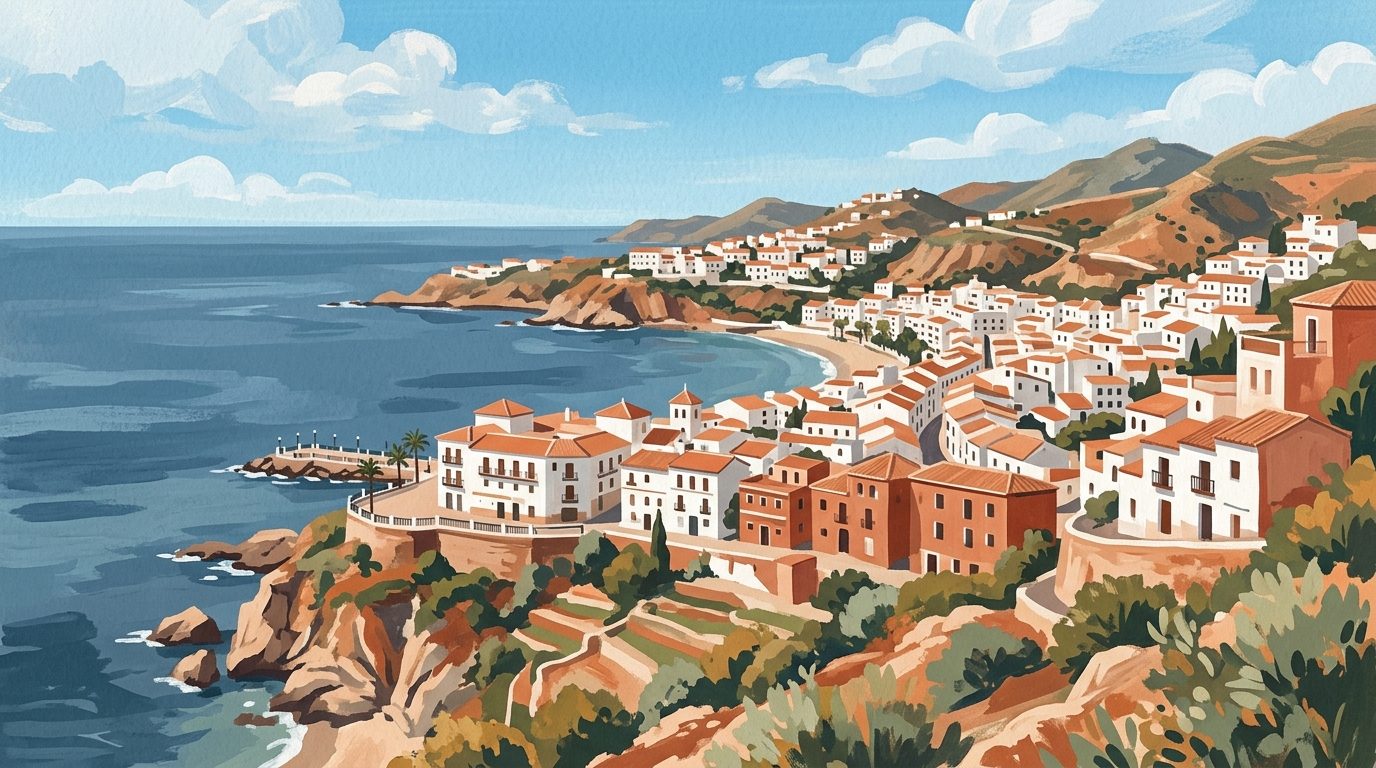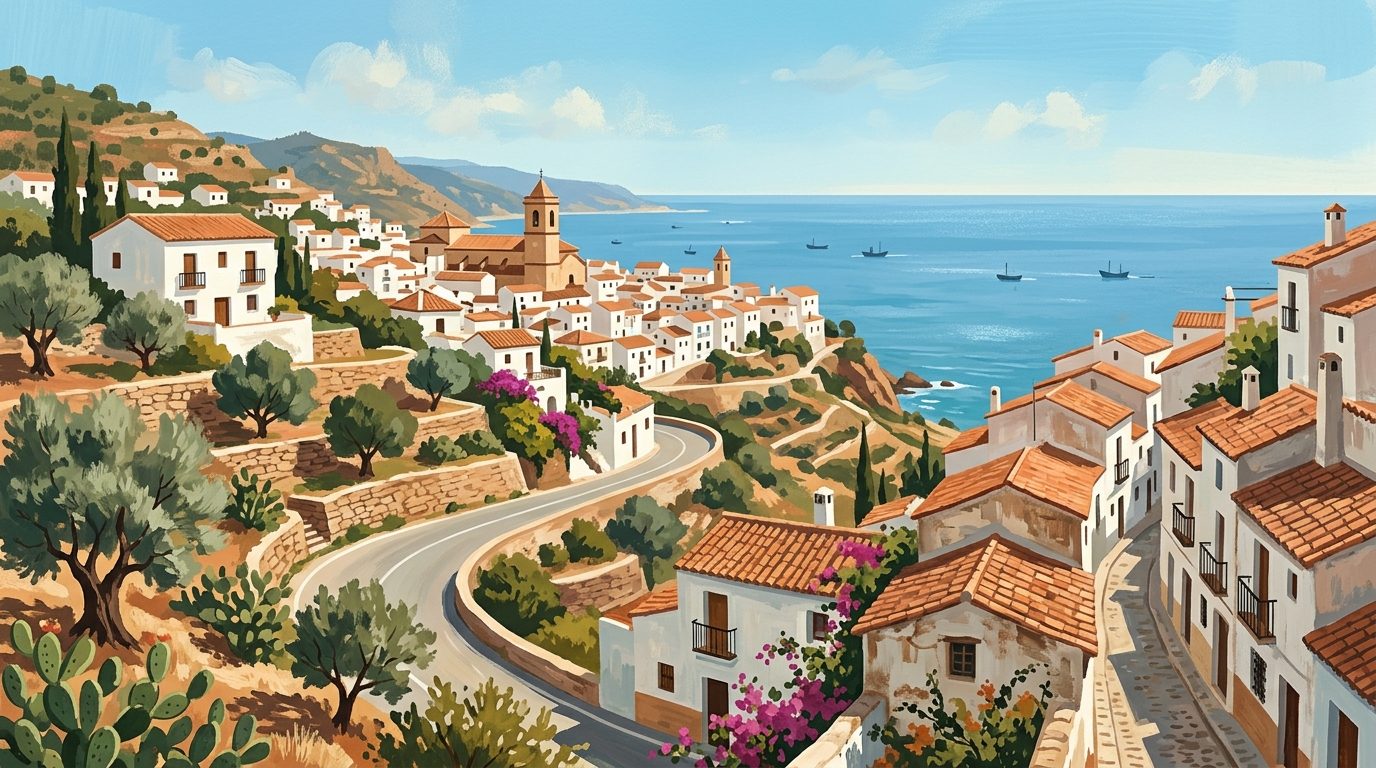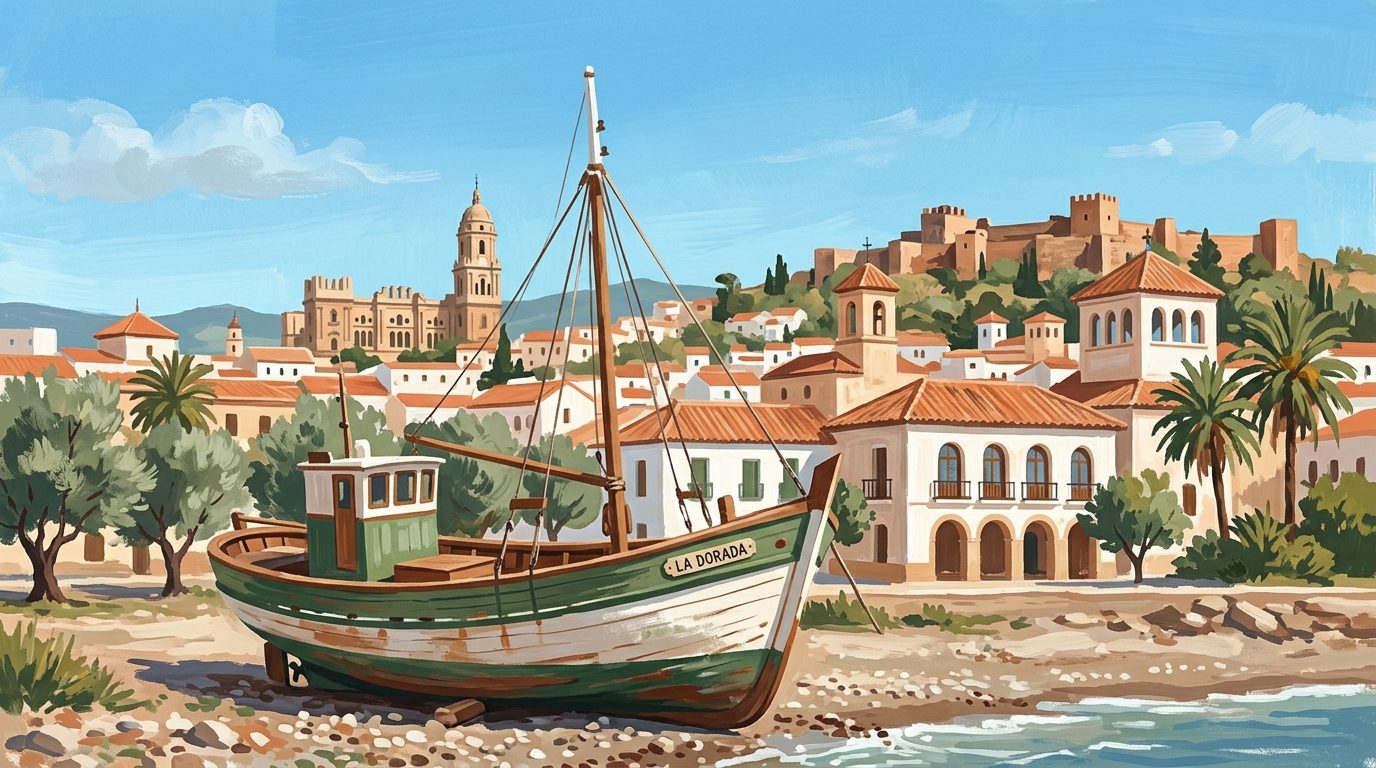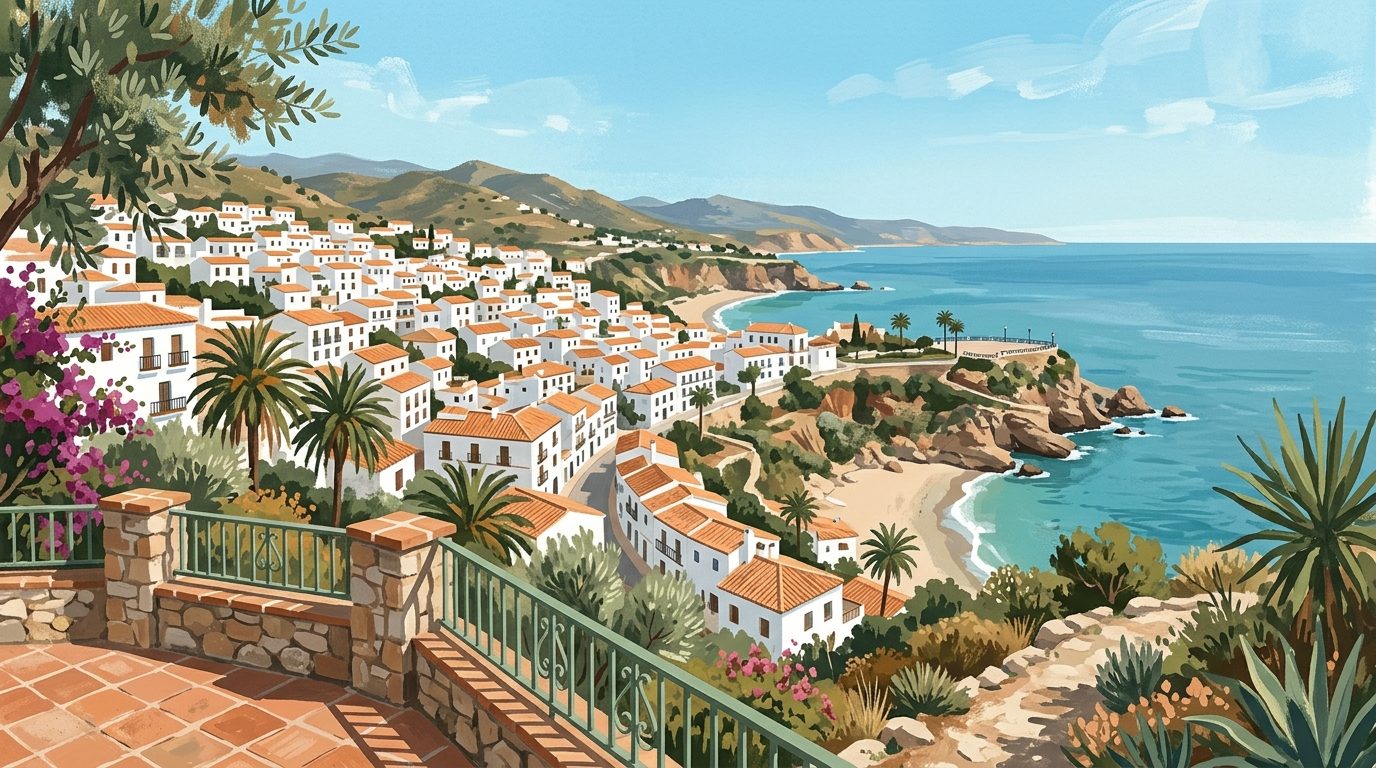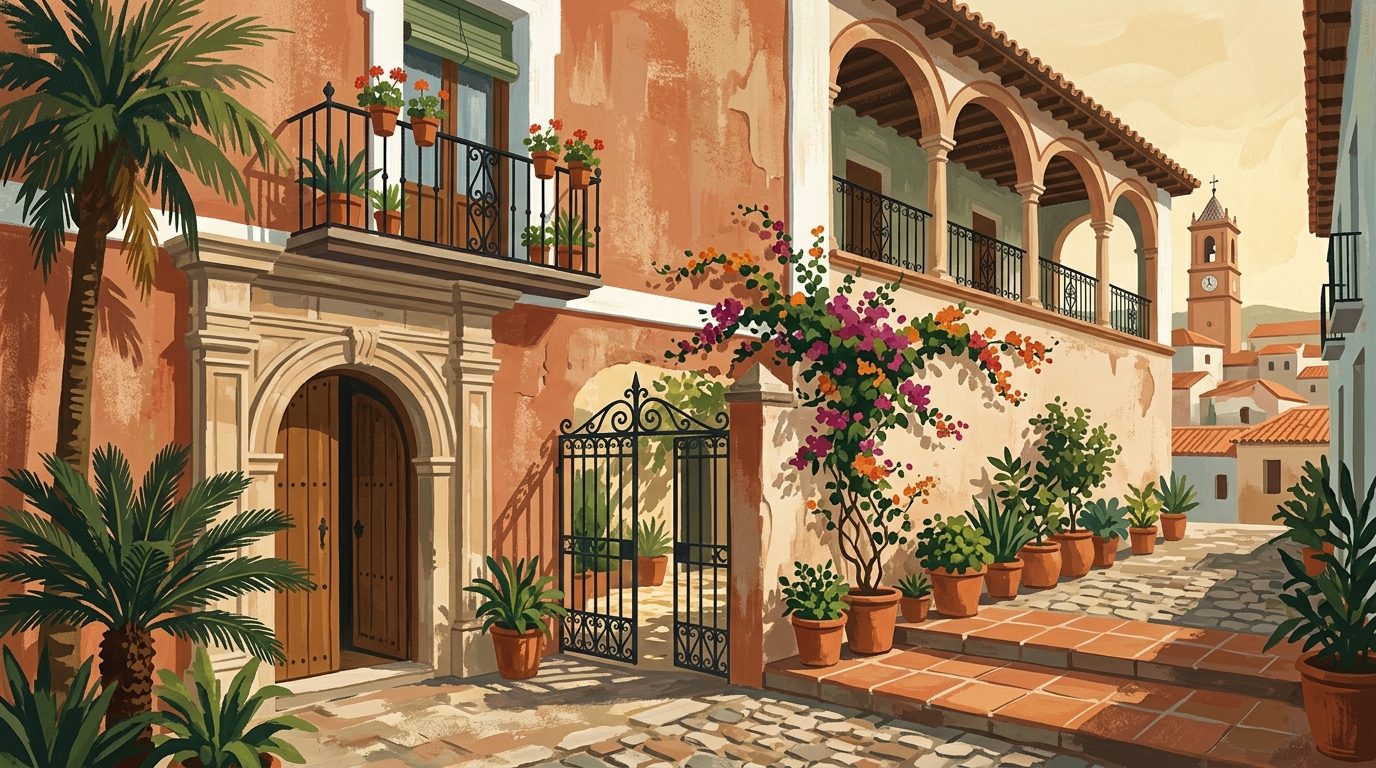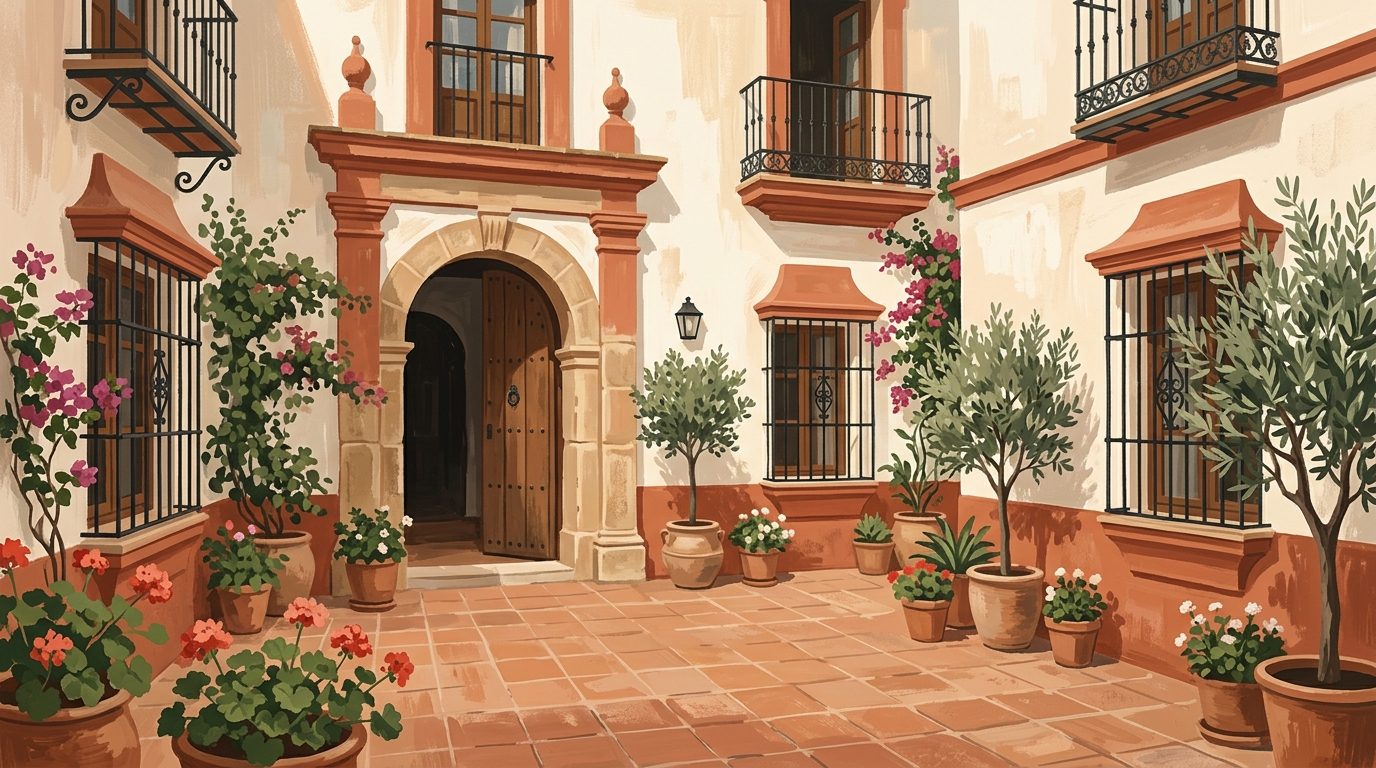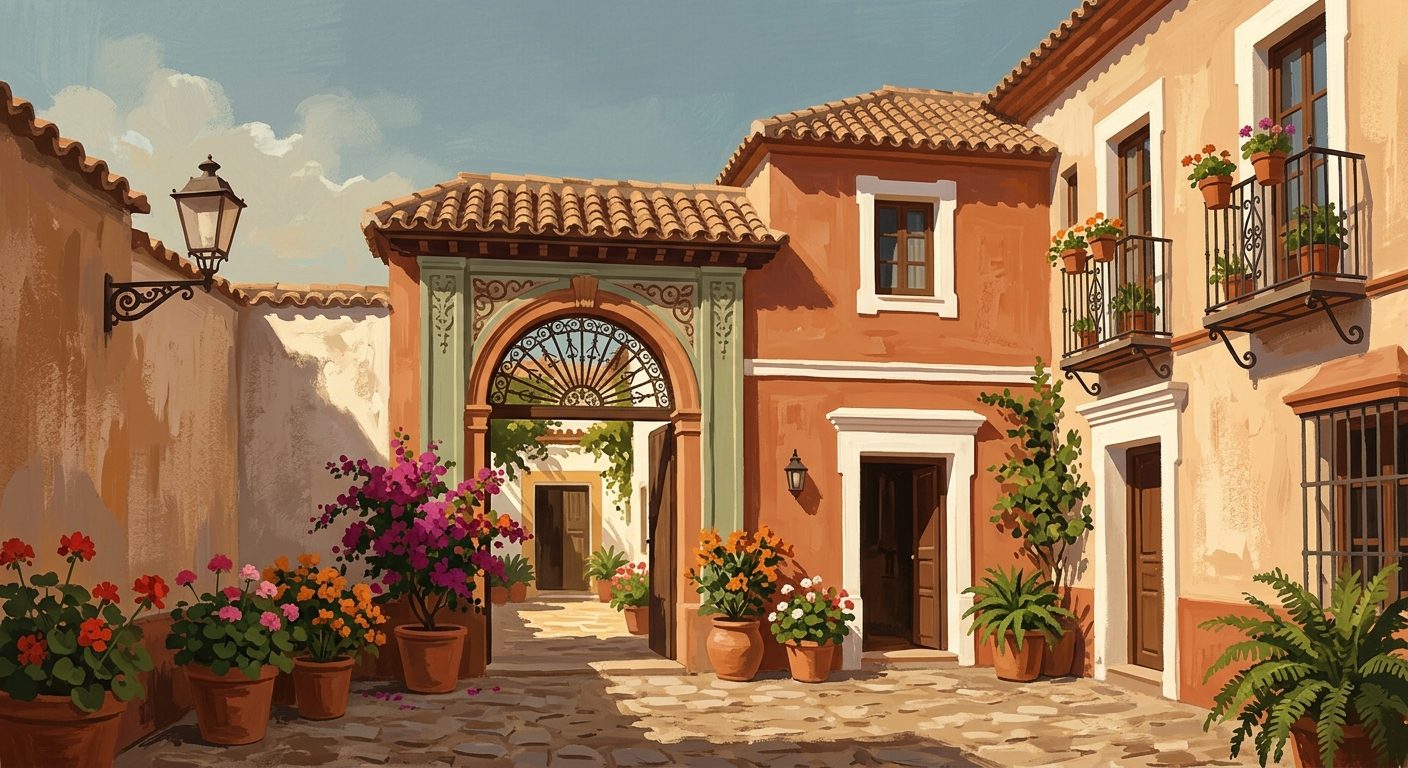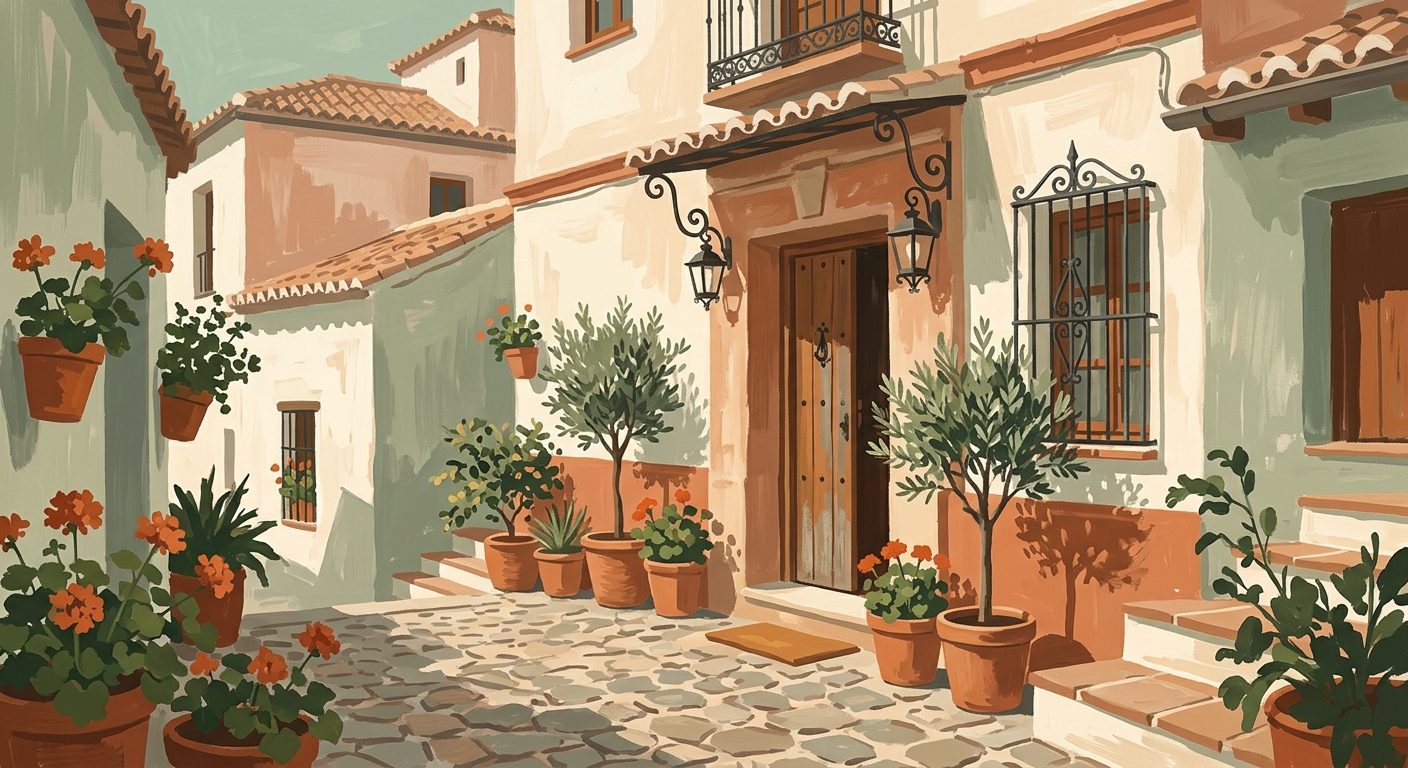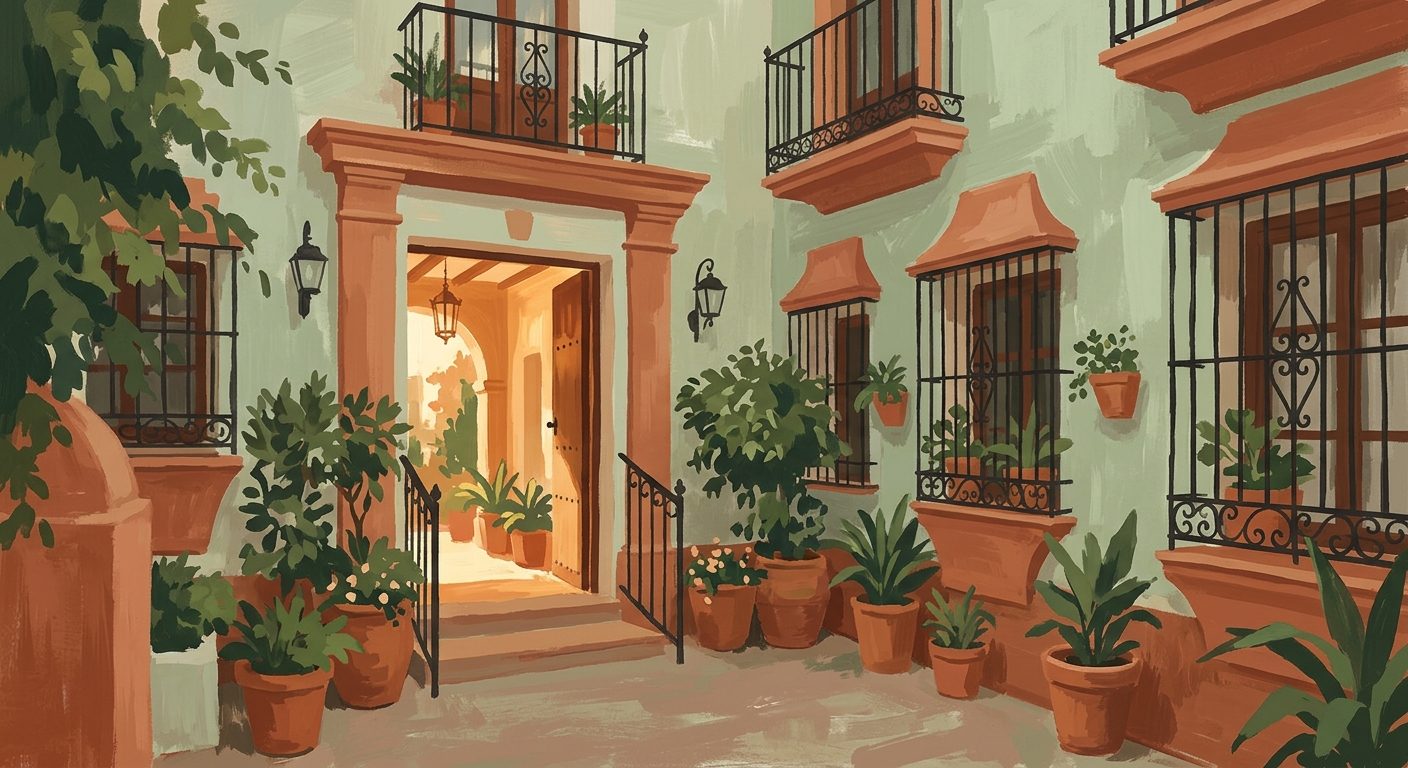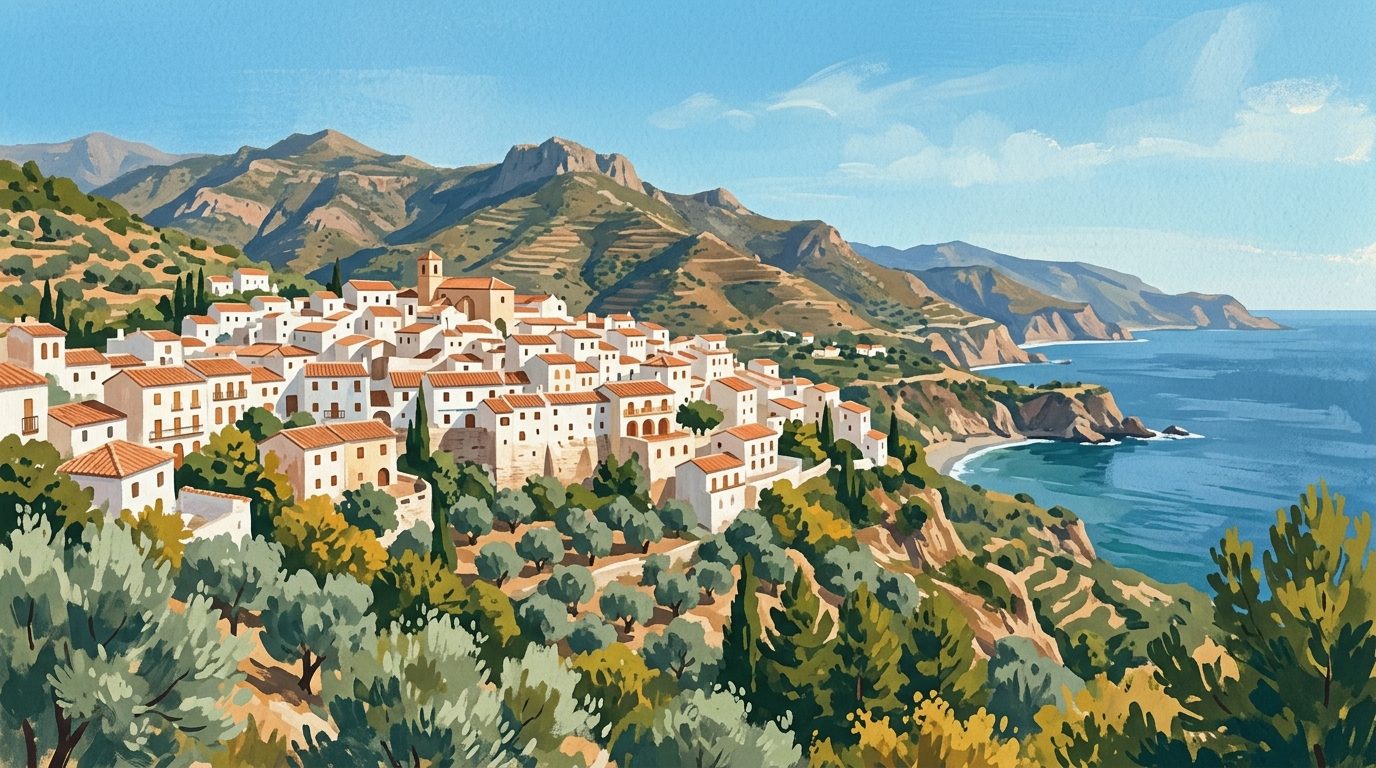
Leave the high-rises of the west behind for a coastline where rugged cliffs meet avocado orchards and traditional white villages. This is the Axarquía’s Mediterranean edge, where life moves at the pace of a long lunch under a cane-roofed chiringuito.
East of Málaga city, the landscape undergoes a dramatic transformation. The sprawling resort developments and manicured golf courses of the western coast give way to the rugged Sierra de Almijara mountains, which tumble directly into the sea. This is the Costa del Sol Oriental, often referred to as the Axarquía coast. Unlike its more famous western counterpart, development here was slower and more sympathetic to the terrain. You won't find the same density of skyscrapers; instead, you get steep-sided coves, hillsides covered in mango and avocado trees, and towns that still feel like Spanish communities rather than tourist enclaves.
The microclimate here is arguably the best in the province, shielded from the cold Atlantic winds by the mountain wall to the north. It is a region for those who prefer a pebble beach with clear water for snorkelling over a loud beach club, and who value a glass of local Muscatel wine at a quiet plaza (square) over a late-night cocktail in a crowded port. From the sea-caves of Nerja to the Moorish streets of Frigiliana, the eastern coast offers a more grounded, authentic experience of the Mediterranean.
Nerja
Nerja is the crown of the east. The Balcón de Europa (Balcony of Europe) is the focal point: a circular promenade built on the site of a former fortress. Stand at the edge to see the Cala de Calahonda below, where fishing boats still rest on the sand. While many head straight for the wide Playa de Burriana for its famous wood-fired paella at Ayo’s (check opening hours before travelling), I recommend walking further east to the Maro cliffs. These are part of a protected natural area where the sea is remarkably clear and the cliffs are dotted with sea caves accessible only by kayak.
Then there are the Cuevas de Nerja (Nerja Caves), a vast underground system of stalactites and stalagmites discovered by five local boys in 1959. To avoid the heaviest crowds, visit the caves early in the morning (check their official website for current tickets and times), then head back to the town centre to the Plaza de los Cangrejos for a late afternoon caña (small beer). The town manages to feel lively without losing its soul, particularly in the backstreets around Calle El Barrio where local pottery shops and leather workers still thrive. It remains a place where people live year-round, giving it a character that persists even when the summer visitors depart.
Frigiliana
Seven kilometres inland from Nerja, Frigiliana is a steep maze of whitewashed walls and blue doors. The Barrio Mudéjar (Moorish quarter) is one of the best-preserved in Andalucía. It’s a workout for the calves, but the reward is the view from the Mirador del Santo Cristo, looking down over the white rooftops to the sea. While day-trippers often stick to the main square, seek out Calle Real and its tiny side alleys where locals sit on wooden chairs outside their front doors.
Don't leave without buying a jar of miel de caña (sugar cane molasses) from the factory located in the 16th-century Palacio de los Condes de Frigiliana. It is the only factory of its kind left in Europe and a remnant of the region's agricultural past. For a lunch with a view, find a table at The Garden Restaurant (check opening hours before travelling), which looks out over the valley. The village is also the gateway to the Sierra de Tejeda, Almijara y Alhama Natural Park, offering rugged hiking trails that lead deep into the pine-scented mountains, far from the sounds of the coast.
Read the full Frigiliana guide →
Torrox
Torrox promotes itself as having the "best climate in Europe", a claim backed by meteorological data thanks to its position between the sea and the mountains. The area is split into two distinct parts: Torrox Costa and Torrox Pueblo. The coast is modern and functional, dominated by the 19th-century lighthouse built over the ruins of a Roman maritime villa. You can still see the preserved Roman mosaics and fish-salting pits right next to the promenade, a startling reminder of the area's ancient history.
In contrast, the pueblo, three kilometres inland, is a classic white village of steep streets and flower-filled balconies. Every December, the town celebrates the Fiesta de las Migas, dedicated to the traditional shepherd's dish of fried breadcrumbs. For a quiet escape, drive up the winding road towards the Sierra to find small ventas (country inns) like Venta El Colmenar (check opening hours before travelling), where you can eat grilled meats and local goat’s cheese. It is significantly less touristy than its neighbours, offering a glimpse into everyday Axarquía life where the harvest of olives and avocados still dictates the pace of the year.
Rincón de la Victoria
Just a twenty-minute drive from Málaga city, Rincón de la Victoria is where the city’s residents come to breathe. It lacks the international fame of Nerja, which makes it feel refreshingly Spanish. The main draw is the Cueva del Tesoro (Treasure Cave). It is one of only three known maritime caves in the world and the only one in Europe (check local tourist board sites for current opening hours). Legend says a Moorish treasure is still hidden in its limestone depths, but the real treasure is the extraordinary rock formations carved by the sea centuries ago.
Back on the surface, the Paseo Marítimo (seafront promenade) runs for kilometres, perfect for a sunset walk. At the western end, the tunnels carved through the cliffside lead you to the quieter Cala del Moral. For history buffs, the Casa Fuerte Bezmiliana, an 18th-century fortress built to ward off English pirates, now serves as a gallery. Dine at Casa Antonio on the seafront for some of the best fritura malagueña (fried fish platter) in the region, served without the pretence you might find in more commercialised zones further west.
Read the full Rincón de la Victoria guide →
Eating & Drinking in Costa del Sol Oriental
The food here is defined by two things: the sea and the subtropical microclimate. This is the only place in Europe that grows significant quantities of mangoes, avocados, and cherimoyas. You’ll see these "fruits of the sun" featured in salads and even desserts in local restaurants. On the beaches, look for chiringuitos (beach bars) with a traditional barca (boat) filled with sand. This is where the amorador (sardine griller) prepares espetos de sardinas (sardine skewers) over olive wood fires.
A local speciality you must try is ajoblanco, a cold soup made of crushed almonds, garlic, and bread, often served with green grapes or slices of melon. In the hills of the Axarquía, the Muscatel grape reigns supreme. It produces a rich, sweet wine that has been famous since Roman times. Order a glass of Seco de Añada at a local bar like El Pulguilla in Nerja to taste the history of the soil. For a snack, try tortas de aceite (olive oil biscuits) or anything drizzled with the local miel de caña, which adds a deep, smoky sweetness to fried aubergines or fresh goat's cheese.
Where to Stay
Accommodation in the Costa del Sol Oriental varies from traditional village houses to cliffside hotels. In Nerja, Hotel Balcón de Europa is built directly into the rock face, offering views of the Mediterranean that are hard to beat. For something more intimate, look for boutique guesthouses in Frigiliana like La Posada Morisca, located just outside the village with views of the valley. If you prefer a rural retreat, the hills are dotted with casas rurales (country houses), many of which are converted farmhouses surrounded by fruit trees. In Rincón de la Victoria, look for apartments near Playa del Tajo if you want immediate beach access. For a unique experience, stay at the Parador de Nerja, which combines modern comfort with lift access directly down to the sands of Burriana beach.
Getting There & Around
Access is straightforward. Málaga-Costa del Sol Airport (AGP) is the main gateway, roughly a 45-minute drive from Nerja via the A-7 motorway. While there is no train line heading east of Málaga city, the ALSA bus service is reliable and frequent (check alsa.com for current timetables), connecting Rincón de la Victoria, Torrox, and Nerja. However, to truly explore the Axarquía hills and smaller villages, hiring a car is essential. Parking in Nerja and Frigiliana can be difficult in peak summer, so look for the municipal underground car parks early in the day to avoid frustration.
Best Time to Visit
Late spring (May and June) and early autumn (September and October) are the golden windows. The weather is warm enough for swimming but mild enough for hiking the Rio Chillar (Note: As of 2026, access is strictly regulated with daily caps and permit requirements; check the official Nerja town hall portal (nerja.es) or the dedicated booking site before setting out) or exploring the steep streets of the pueblos. July and August are hot and very crowded with Spanish families on holiday. Winter is surprisingly pleasant, with clear blue skies and temperatures often reaching 18°C, making it an ideal escape for walkers and those looking for a quiet, sun-drenched retreat while the rest of Europe shivers.