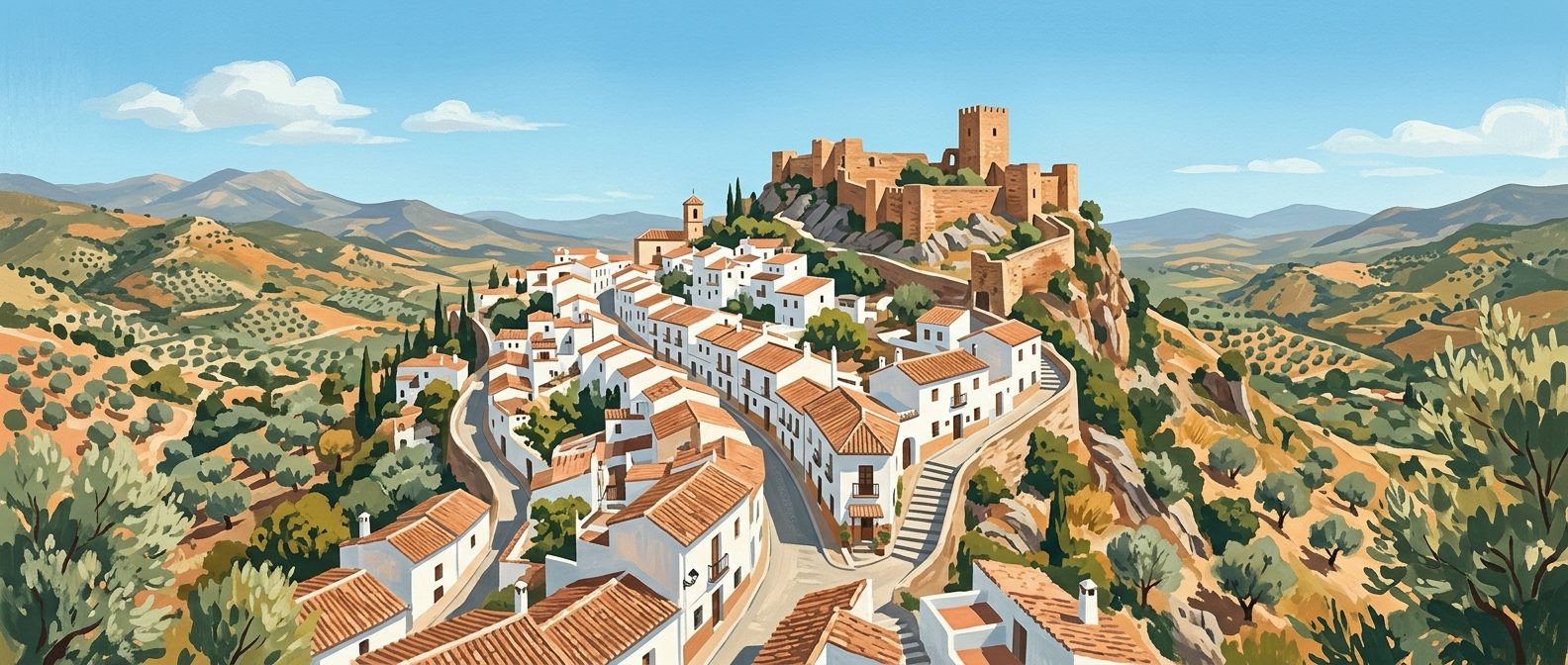
Perched 739 metres above sea level, Comares offers some of the most commanding views in inland Málaga. This guide explores its Moorish roots, the famous ceramic footprint trail, and one of Spain's longest zip lines.
To arrive in Comares is to understand the strategic brilliance of medieval defensive architecture. Known as the Balcón de la Axarquía, the village is not merely built on a hill; it is fused into the summit of a massive limestone crag. From the main square, the landscape drops away sharply, revealing a landscape of rolling olive groves, almond trees, and the blue smudge of the Mediterranean Sea on the horizon. This is one of the highest villages in the province of Málaga, and its geography has dictated its character for over a millennium.
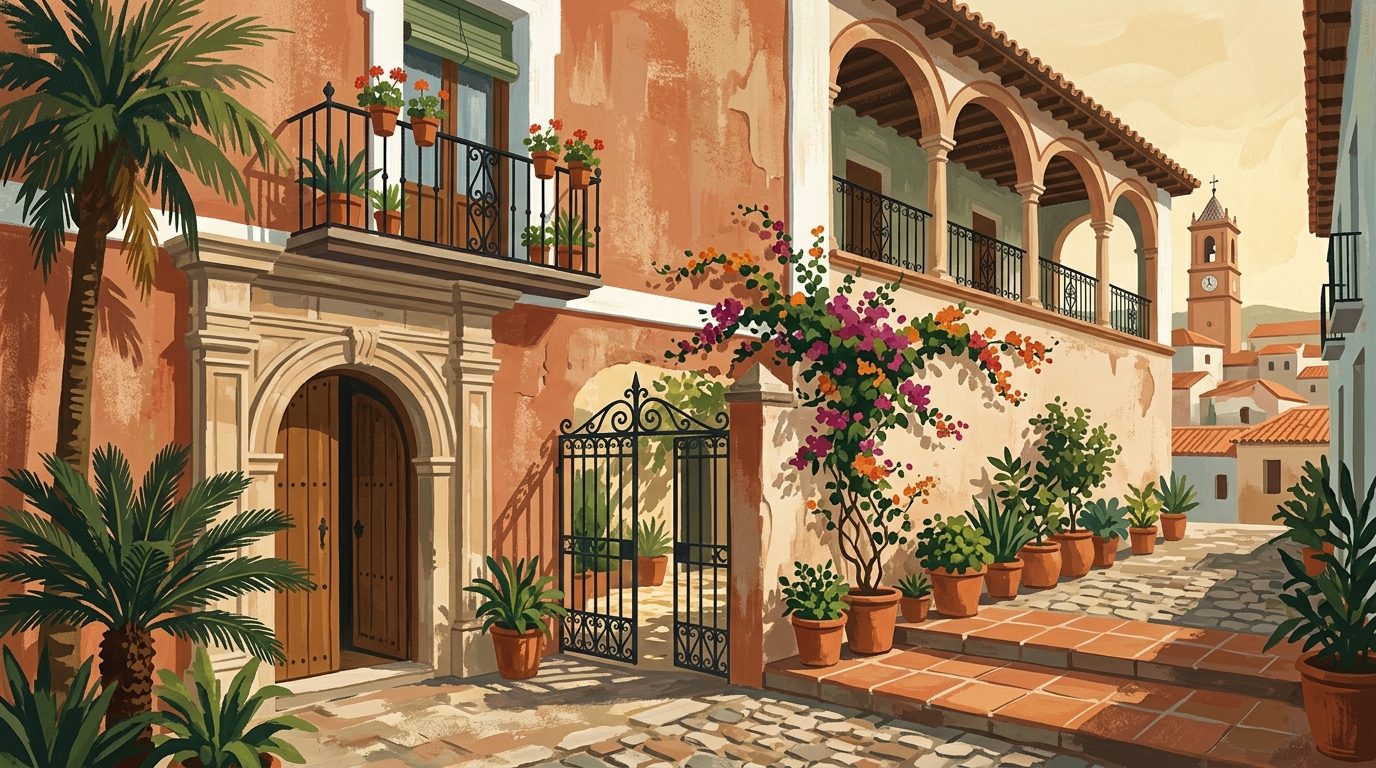
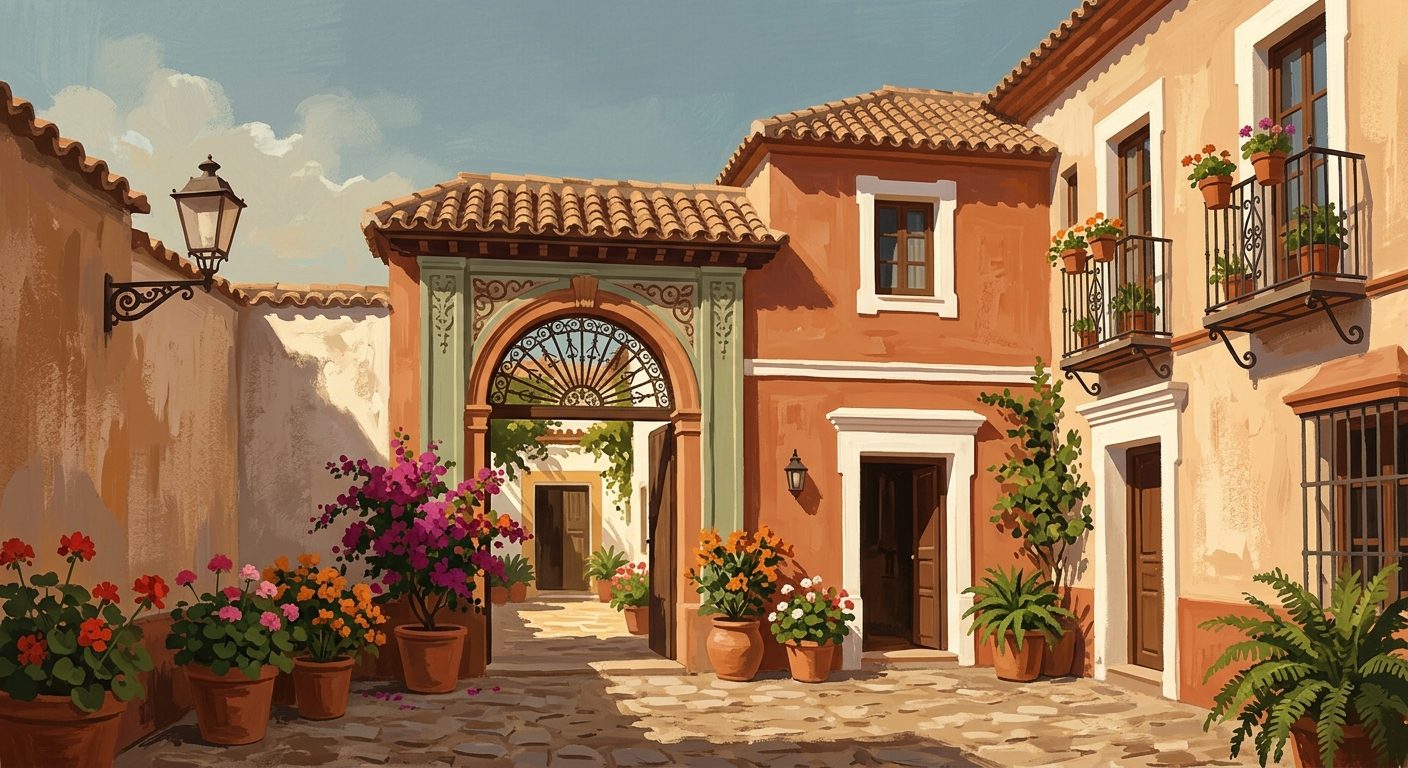
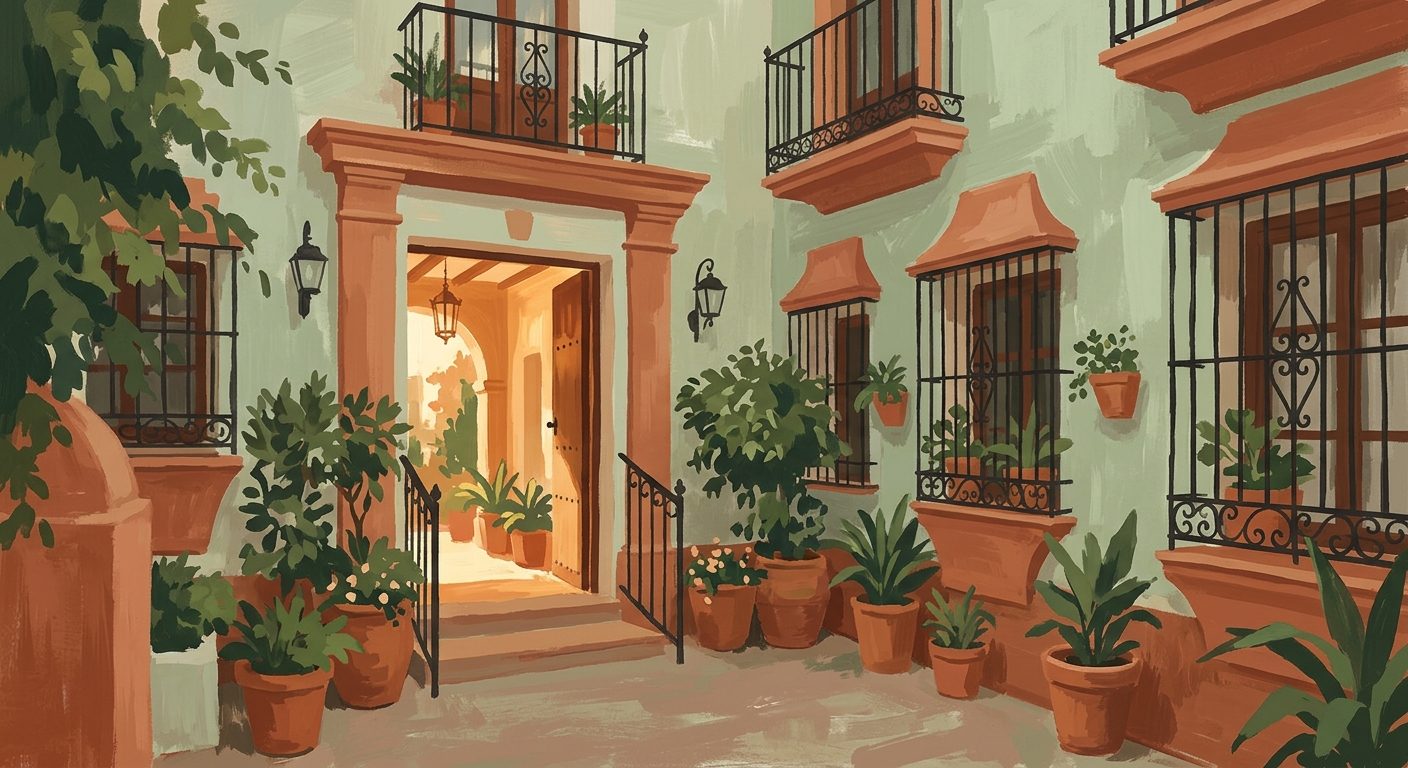
The village retains a distinct Moorish layout, with narrow, steep streets designed to confuse invaders and provide shade during the intense Andalucían summers. Unlike the more commercialised white villages closer to the coast, Comares maintains a quiet, agricultural rhythm. Residents still gather in the main square to discuss the harvest, and the sound of the wind whipping around the cliffs is often the only noise to break the silence. Come for the zip line or the history of the Nasrid kingdom, and Comares gives you a view of Málaga that is both physically and culturally elevated.
What to See & Do
The Route of the Ceramic Footprints
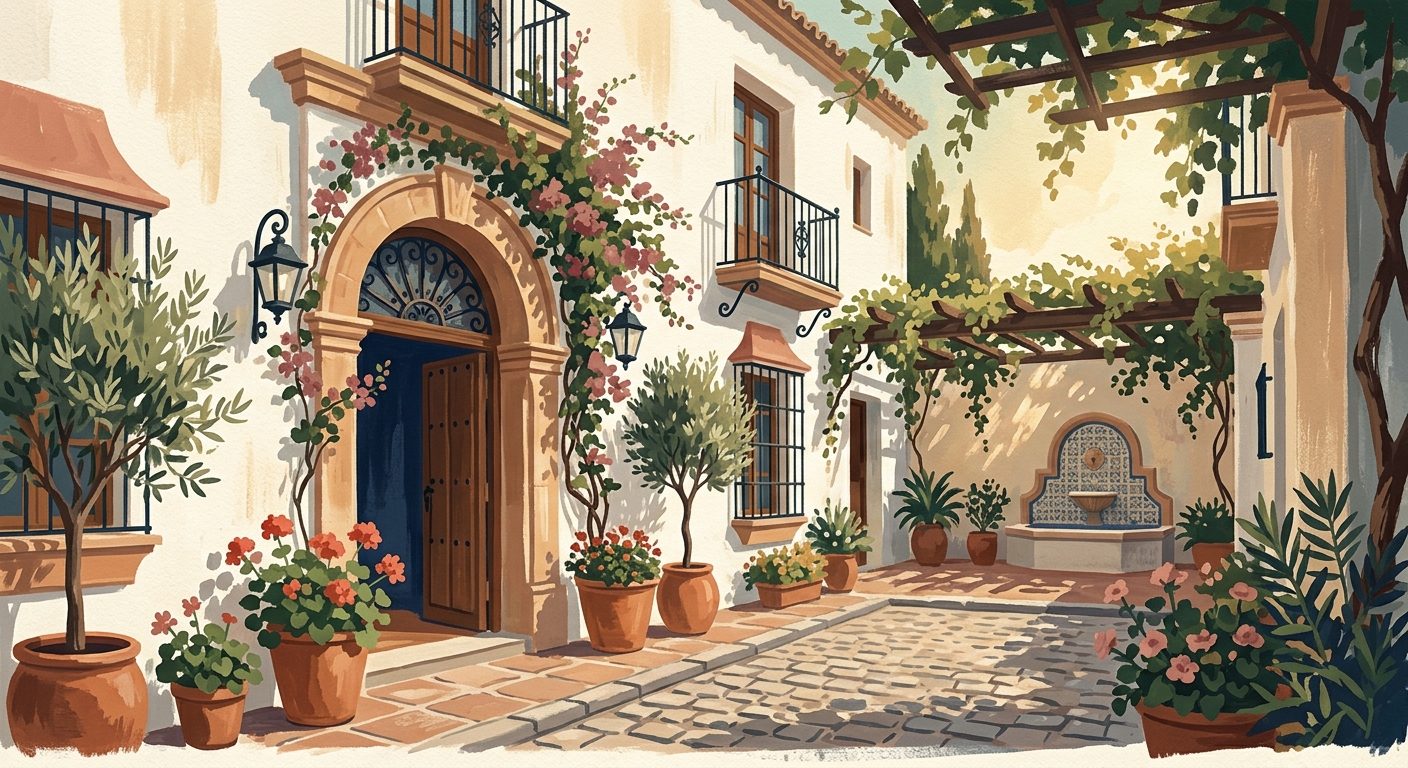
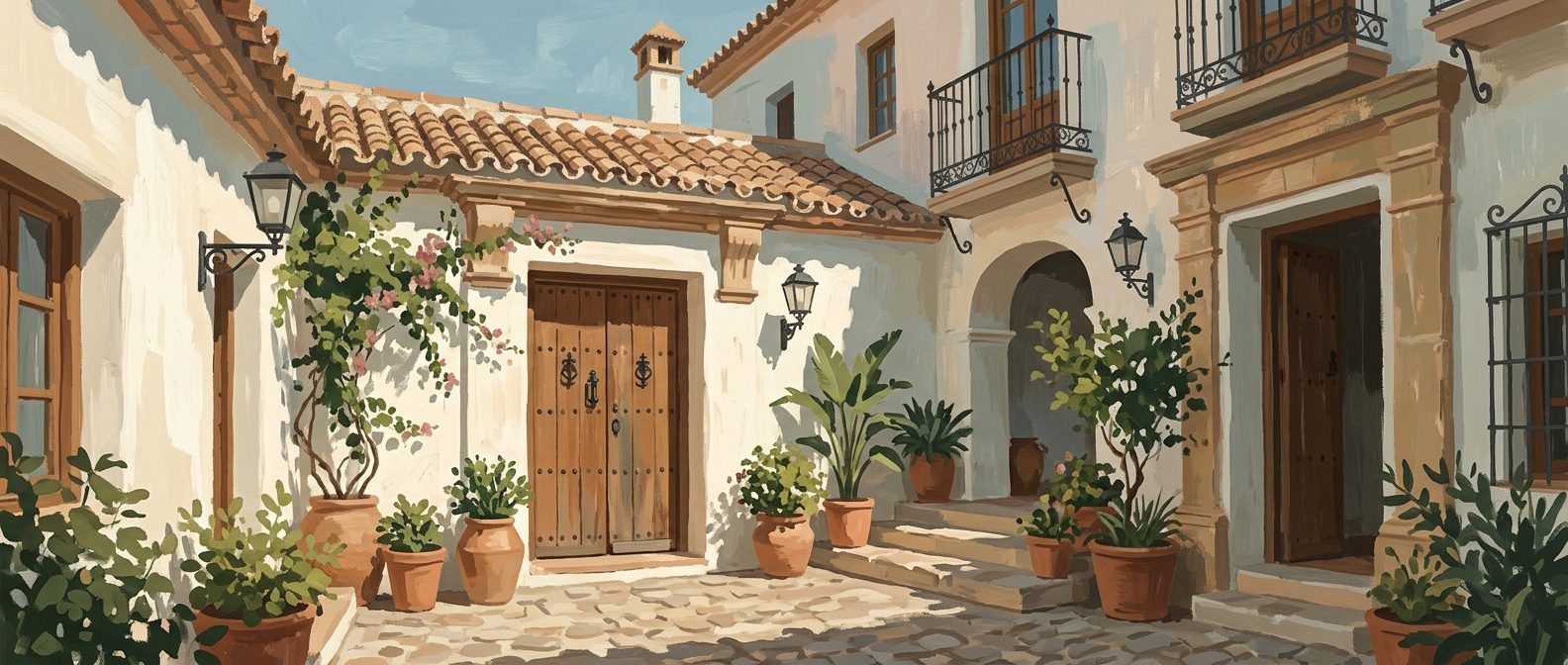
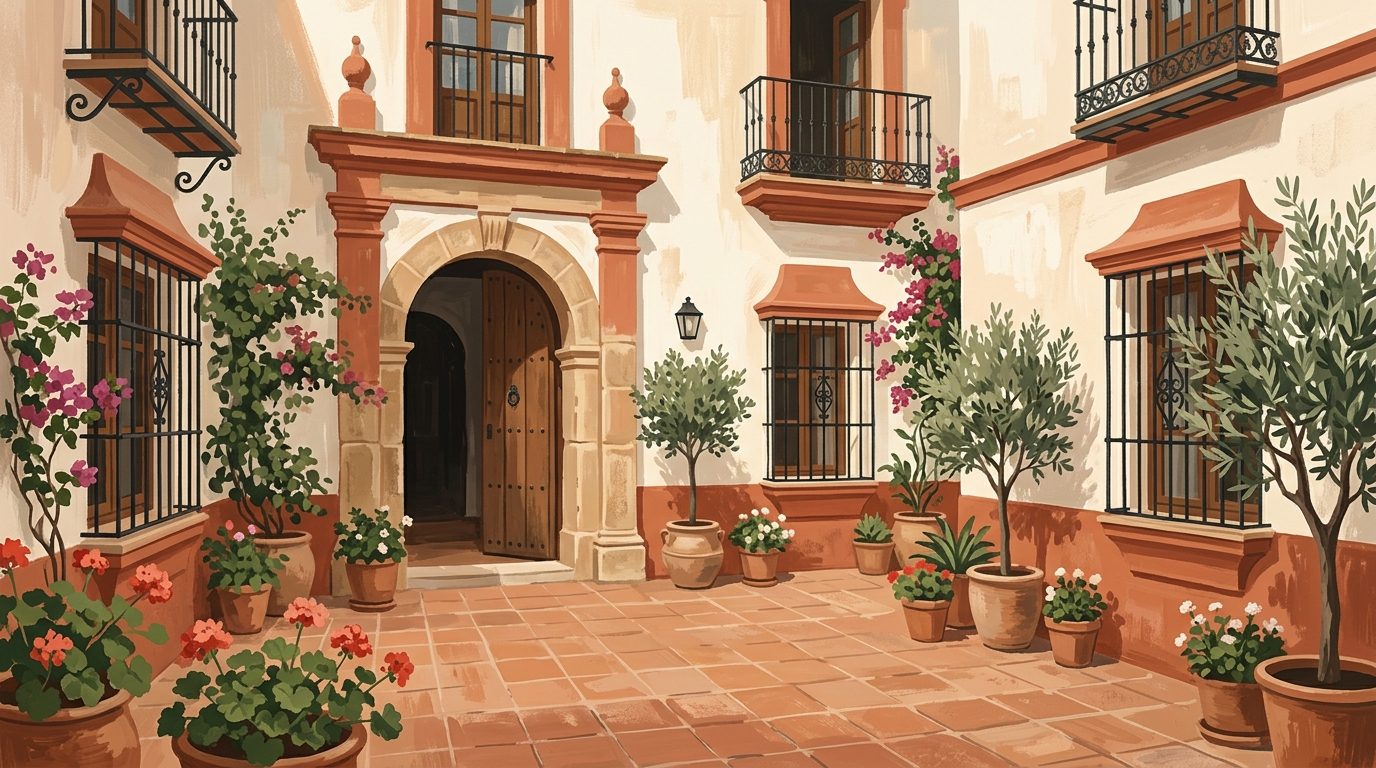
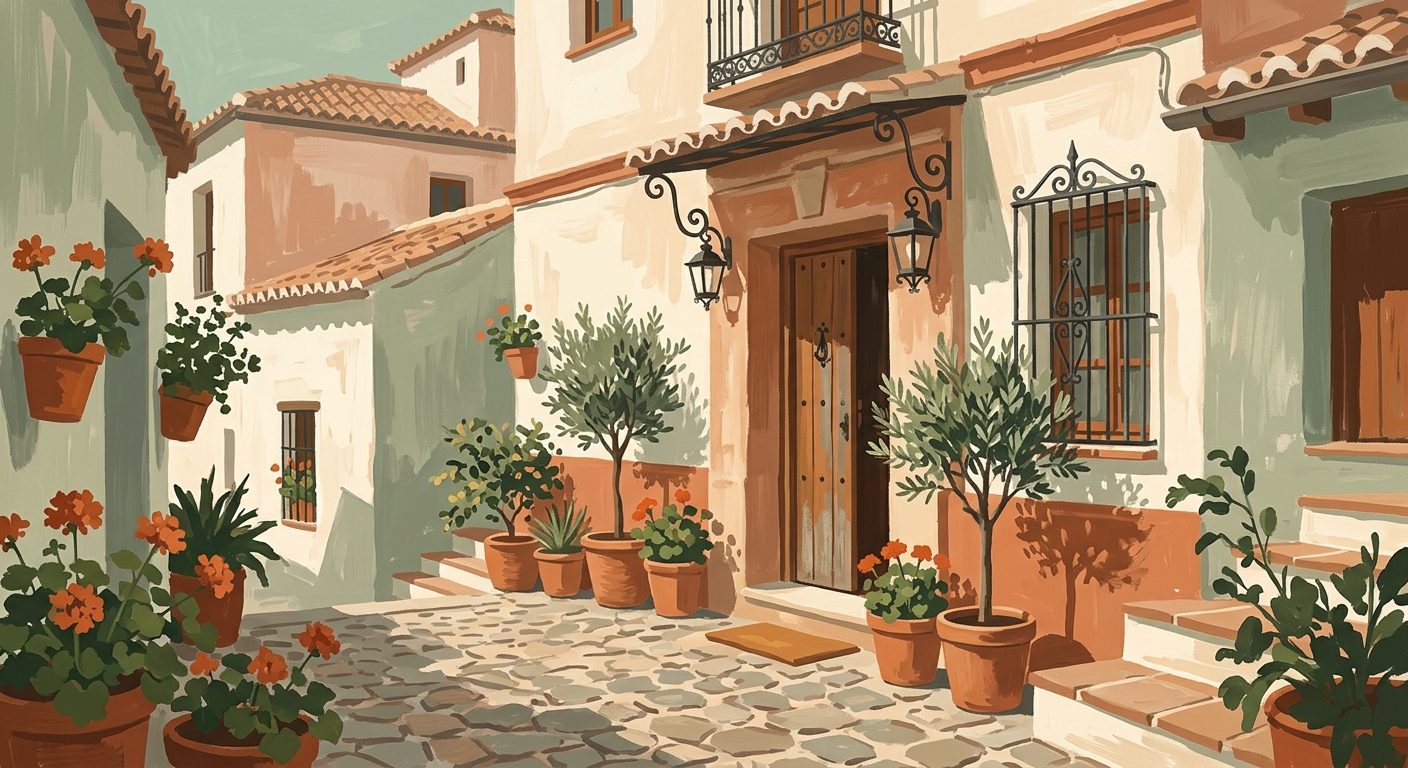
The best way to navigate the labyrinthine interior of Comares is to follow the 'Ruta de las Huellas' (Route of the Footsteps). Small blue and white ceramic tiles, shaped like footprints, are embedded into the pavement throughout the village. These markers lead visitors past the most significant historical sites without the need for a map. The trail winds through whitewashed alleys, under ancient arches, and up to the highest points of the village. It is a practical solution to the complex street plan, ensuring you see the hidden corners that might otherwise be overlooked.
Castillo de Comares and the Ancient Walls
While only fragments of the original Moorish fortress remain, the scale of the site is still impressive. Built during the period of the Umayyad Caliphate and later reinforced by the Nasrids, the castle was a vital link in the coastal defence system. You can still see the remnants of the Puerta de Málaga and the Puerta del Agua, the two primary entrances to the fortified town. The most striking feature of the castle ruins is the 'La Tahona' tower, which offers a 360-degree view of the surrounding peaks, including the Sierra de Tejeda and the Zafarraya Pass.
Iglesia de Nuestra Señora de la Encarnación
Located at the top of the village, this church is a fine example of Mudejar architecture. Built in the 16th century on the site of a former mosque, the building features a stunning coffered ceiling and a brick tower that served as a minaret in a previous life. The interior is cool and quiet, providing a stark contrast to the bright sun outside. Adjacent to the church is the old cemetery, which is unusual for its tiered niches and its location right on the edge of the cliff, offering the deceased perhaps the best view in the province.
The Tirolesa (Zip Line)
For those who prefer adrenaline to history, Comares hosts one of the longest natural zip lines in Spain. Spanning 436 metres and suspended 115 metres above the valley floor, the Tirolesa de Comares is not for the faint-hearted. It starts near the village entrance and hurtles participants across the gorge, providing a bird's-eye view of the sheer rock faces and the olive plantations below. It is part of a larger adventure complex that includes three 'vias ferratas' (climbing routes with fixed cables and ladders) of varying difficulty levels, making Comares a focal point for outdoor enthusiasts in the Axarquía.
The Balcón de la Axarquía
The Plaza de la Constitución serves as the village's communal living room and its primary lookout. From this wide terrace, the drop is near-vertical. On a clear day, you can see the white villages of Colmenar and Periana, the La Viñuela reservoir, and the distant peaks of the Rif mountains in Morocco. The square is also home to several bars where you can sit with a coffee and watch the hawks circling the thermal currents below the cliff edge.
Practical Information
Opening Times and Access: The village itself is an open-air museum and can be visited at any time. The Iglesia de Nuestra Señora de la Encarnación generally opens for services on Sunday mornings and occasionally during the week (usually 10:00 to 13:00), though times can be inconsistent. The Tirolesa zip line typically operates on weekends and bank holidays (check exact hours on the operator's website before travelling), though it is essential to book in advance; check current availability via the local adventure tourism portal, especially during the summer months.
Prices: Exploring the village and the castle ruins is free of charge. The zip line costs approximately €25 to €30 per person (check on the operator's website before travelling), which usually includes the necessary safety gear and a brief induction. Using the vias ferratas is free if you have your own equipment, but guided tours with gear rental are available through local adventure companies starting at around €40 (check on the operator's website before travelling).
How to Get There: Comares is located 35 kilometres from Málaga city and 25 kilometres from Vélez-Málaga. The drive from the coast takes about 50 to 60 minutes via the A-7056 or the MA-3105. Be prepared for narrow, winding roads with significant hairpins; the ascent is steep but the road surface is generally in good condition. There is a bus service (Autocares Carlos) that runs from Málaga city to Comares, but it usually operates only once or twice a day (check the current timetable via the Consorcio de Transporte Metropolitano del Área de Málaga (CTMAM) before travelling), making a car the most practical option for a day trip.
Parking: Driving inside the village centre is discouraged as the streets are extremely narrow and often end in dead ends or stairs. There is a designated car park at the entrance of the village near the zip line station. From there, it is a short, albeit uphill, walk into the main square.
Where to Eat Nearby
Dining in Comares is a traditional affair focused on the hearty mountain cuisine of the Montes de Málaga. Restaurante El Molino is a local favourite, located near the village entrance. It serves classic dishes like 'Plato de los Montes' (fried potatoes, peppers, chorizo, and egg) and local goat kid (chivo lechal), which is a regional speciality. The terrace offers excellent views, making it a popular spot for a long lunch.
In the main square, Bar Plaza provides a more casual setting for tapas and light meals. It is an ideal spot to try 'Ajoblanco' (a cold almond and garlic soup) or locally produced honey and almonds. For a unique experience, look for 'Vino de Comares', a sweet, potent local wine produced in small quantities in the surrounding farmhouses. It is often served directly from the barrel in smaller, family-run establishments.
Where to Stay
Accommodation in Comares consists largely of restored village houses and rural villas. Hotel Atalaya is the primary hotel within the village, offering traditional rooms and a swimming pool with views over the valley. For those seeking more privacy, several 'casas rurales' are available for short-term rent throughout the whitewashed streets. Staying overnight allows you to experience the village after the day-trippers have left, when the evening light turns the surrounding mountains a deep shade of ochre.