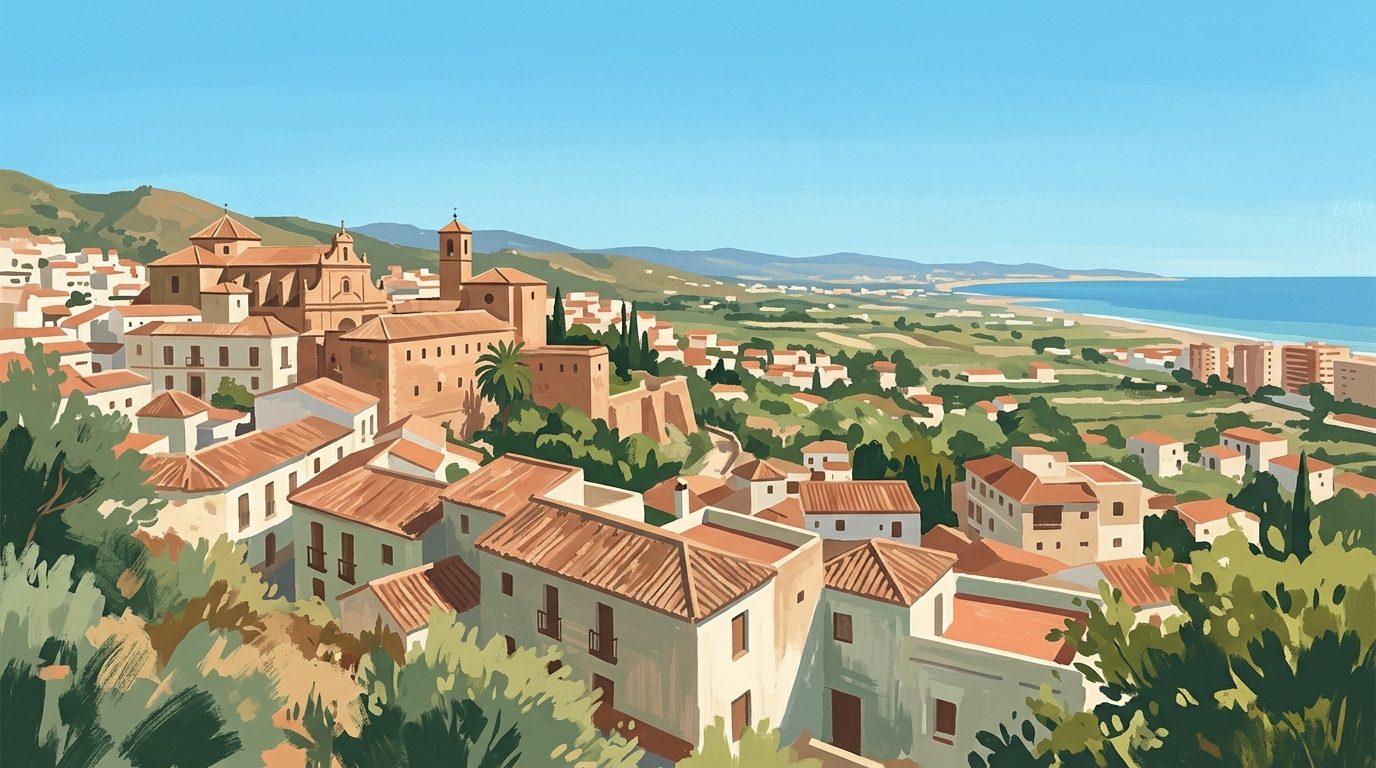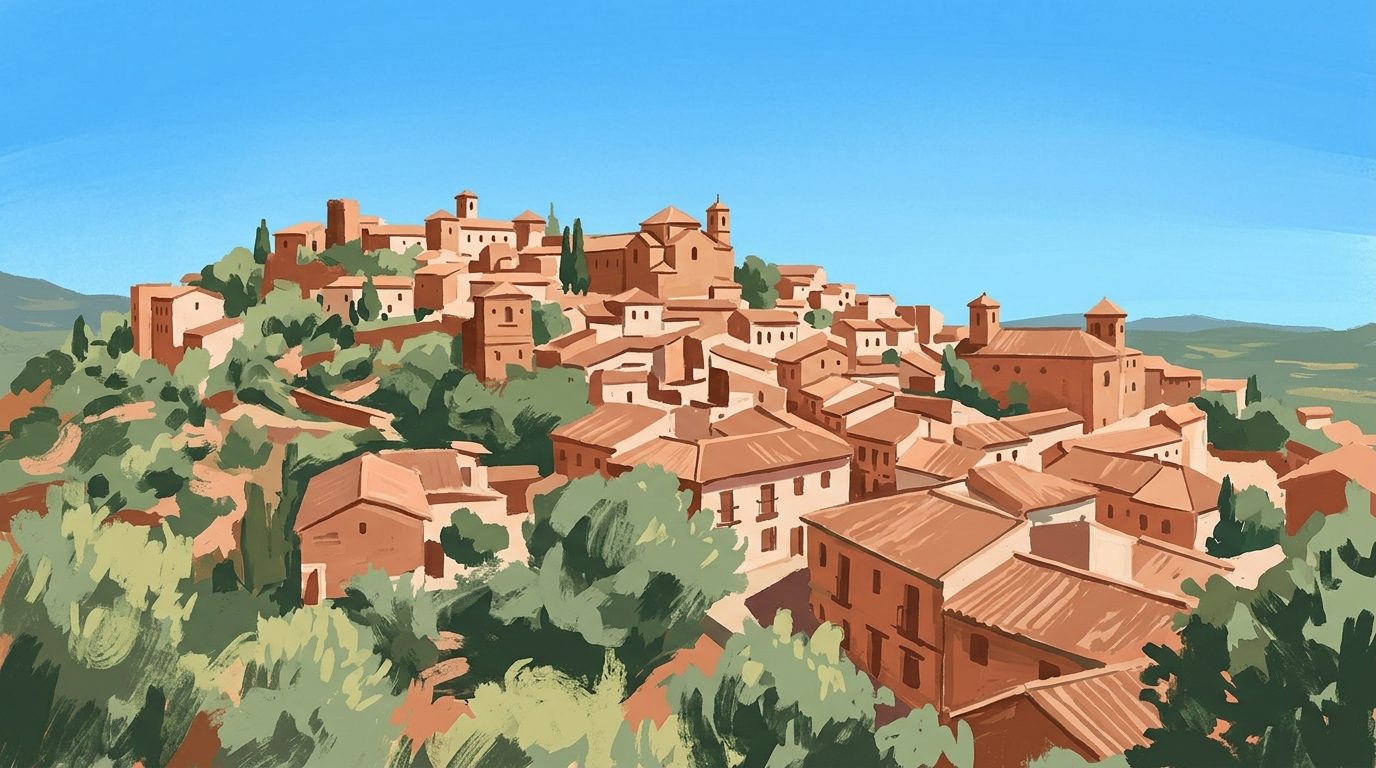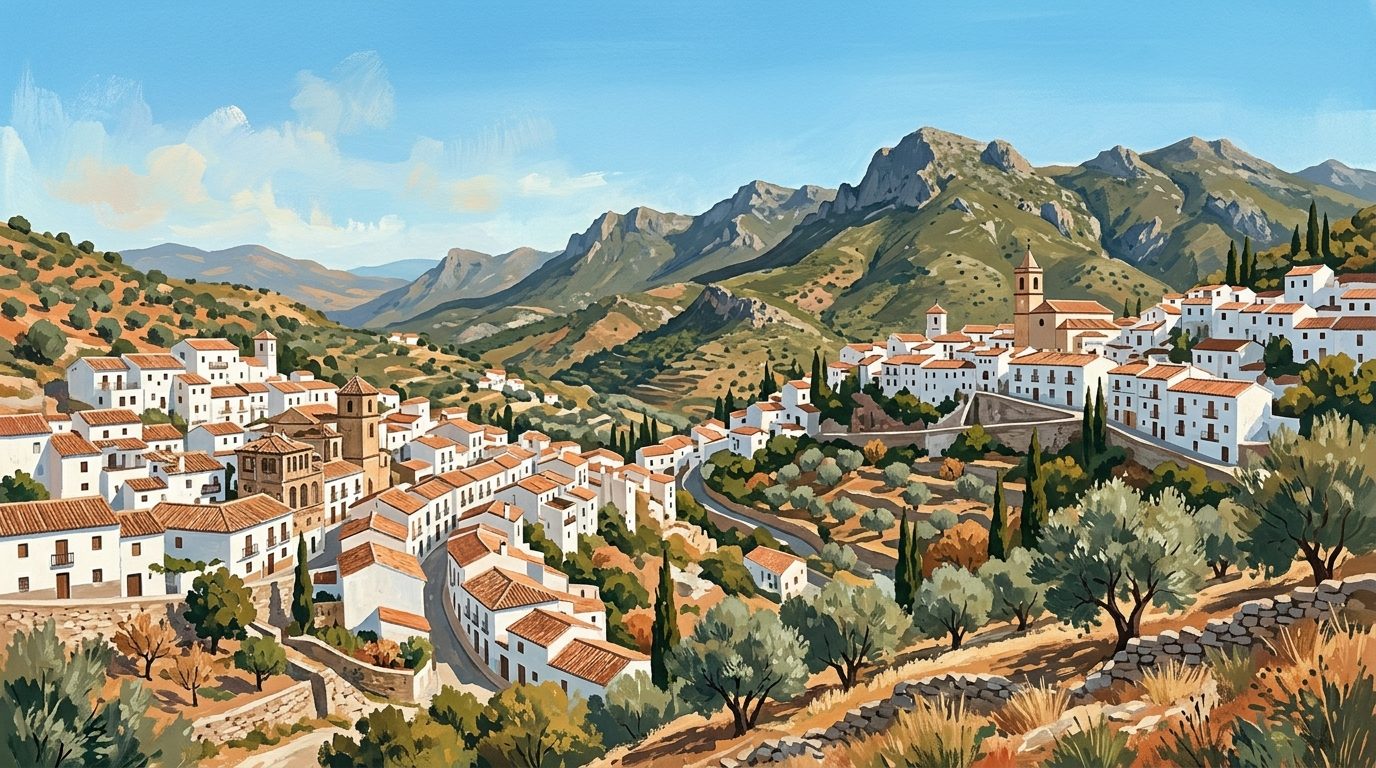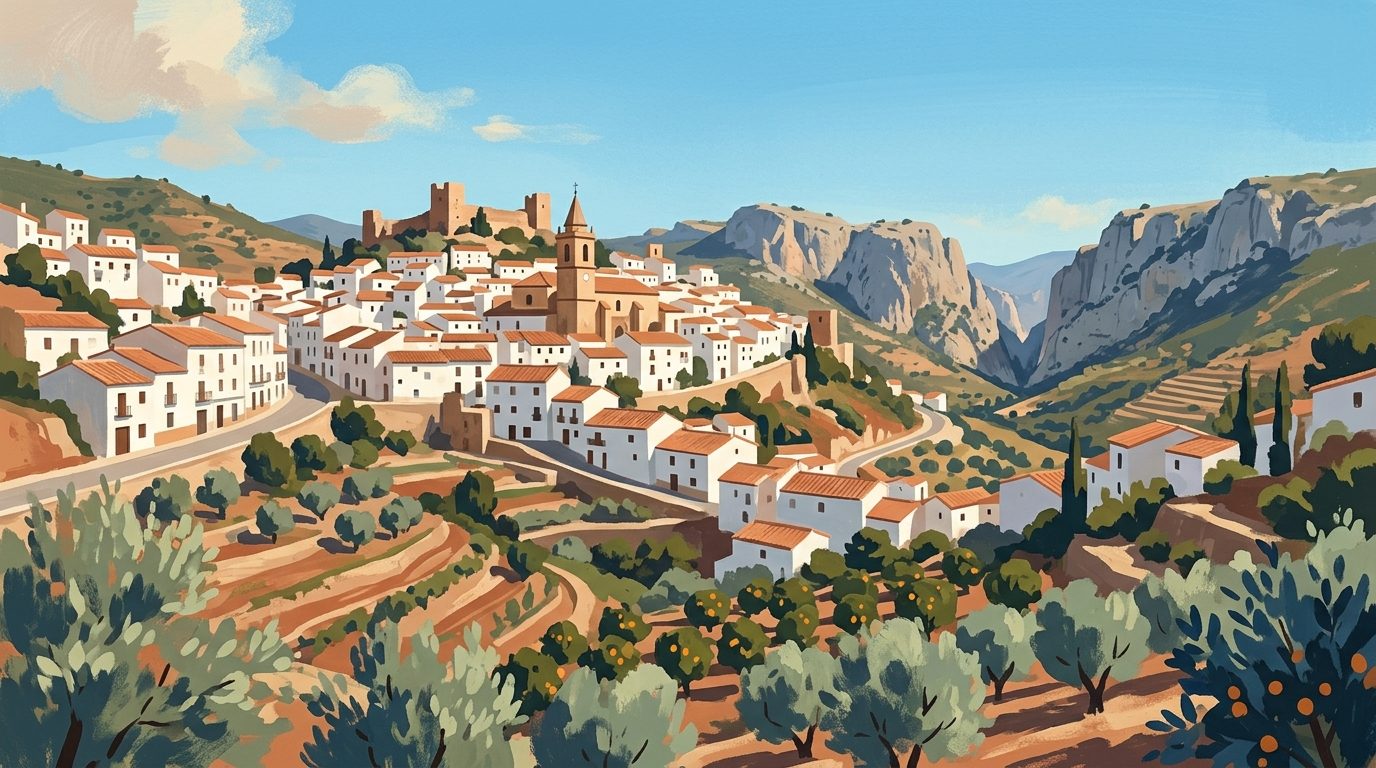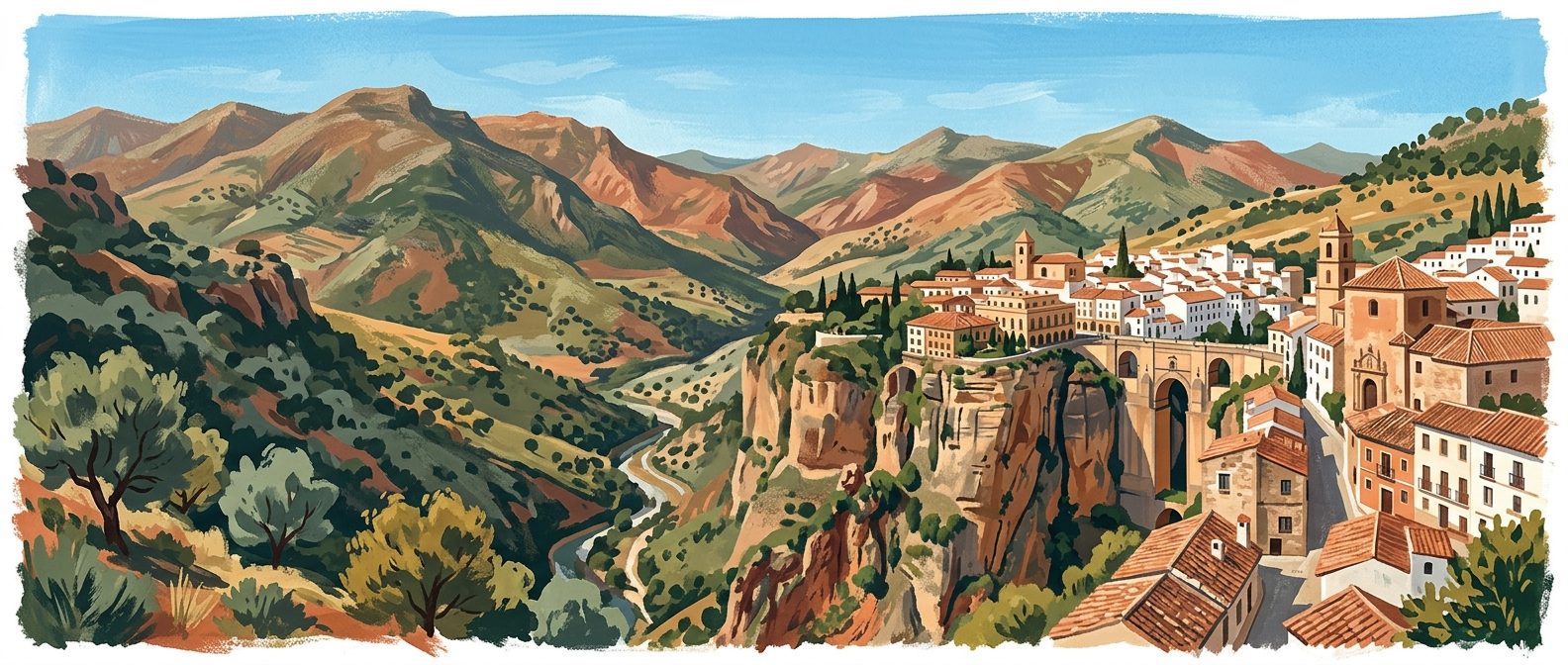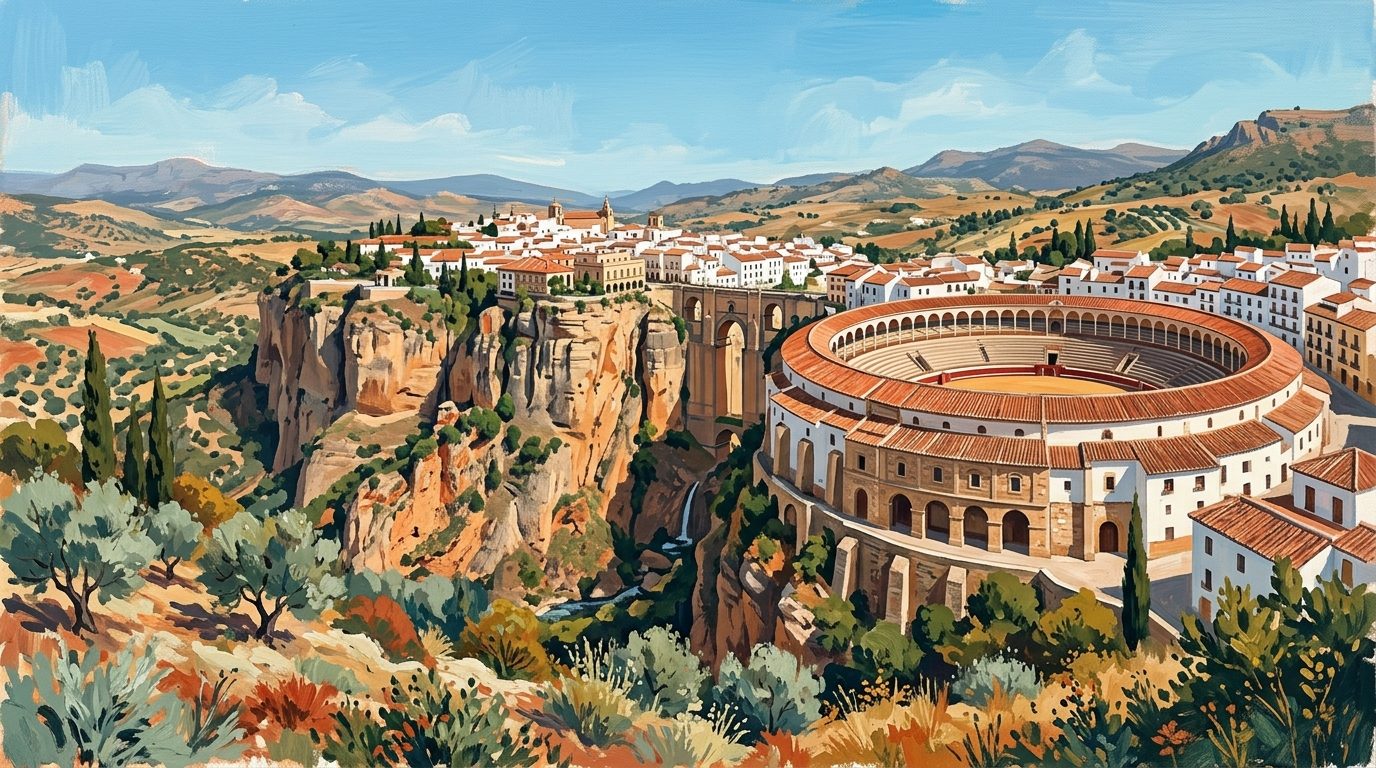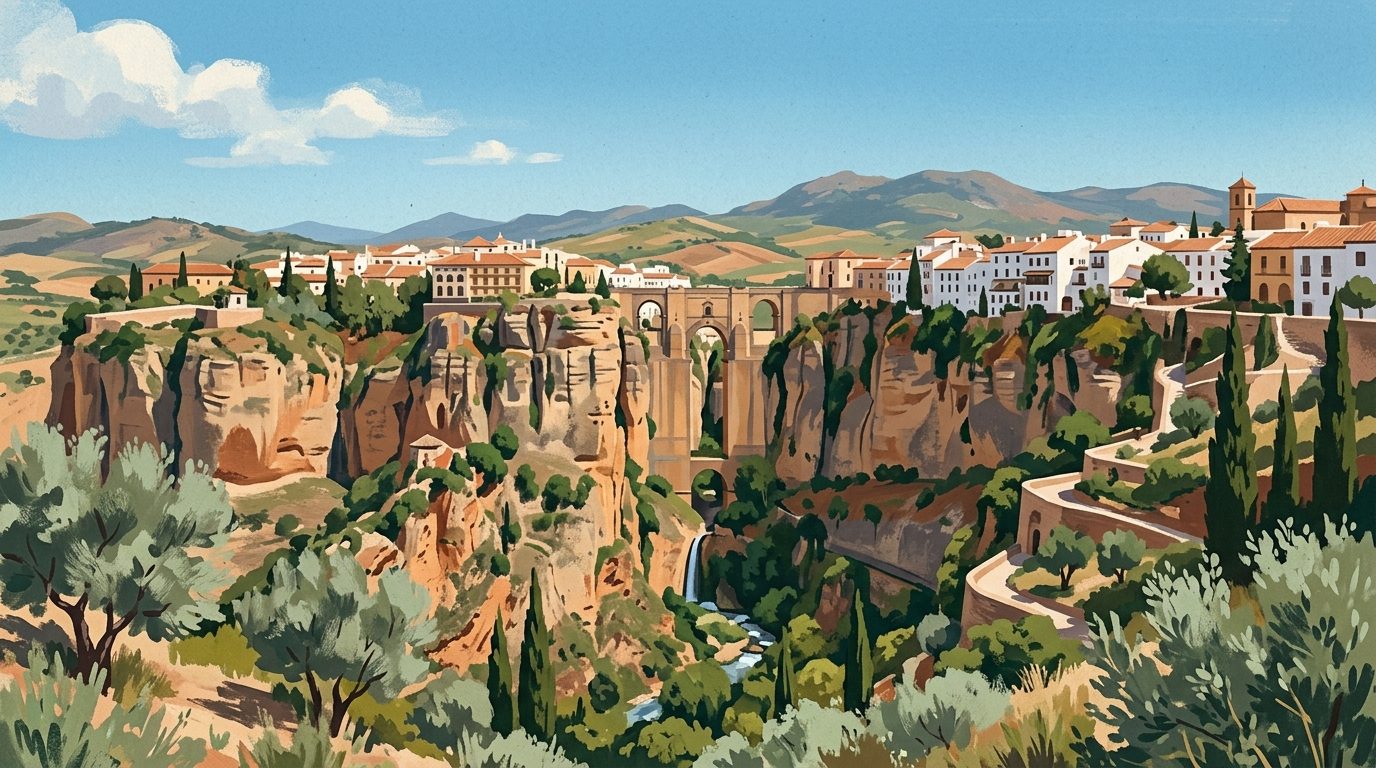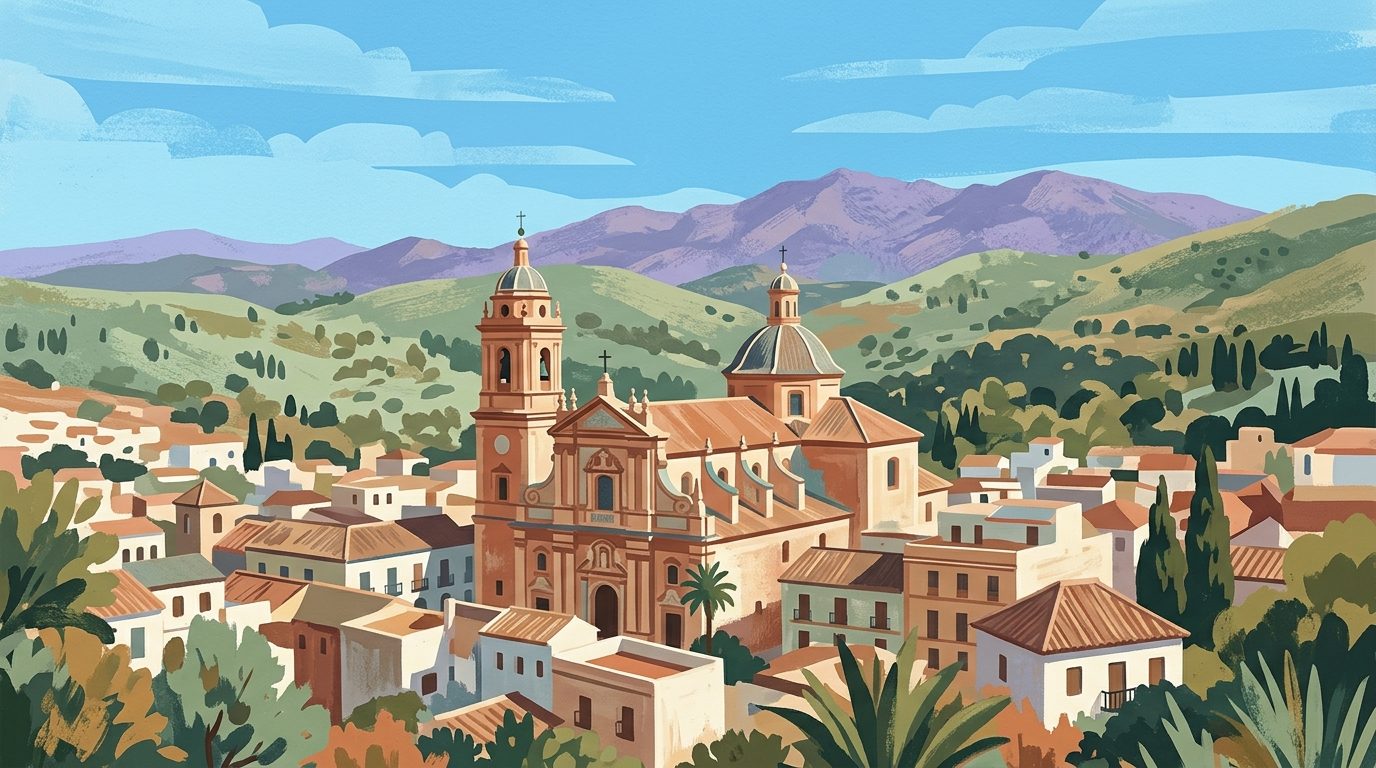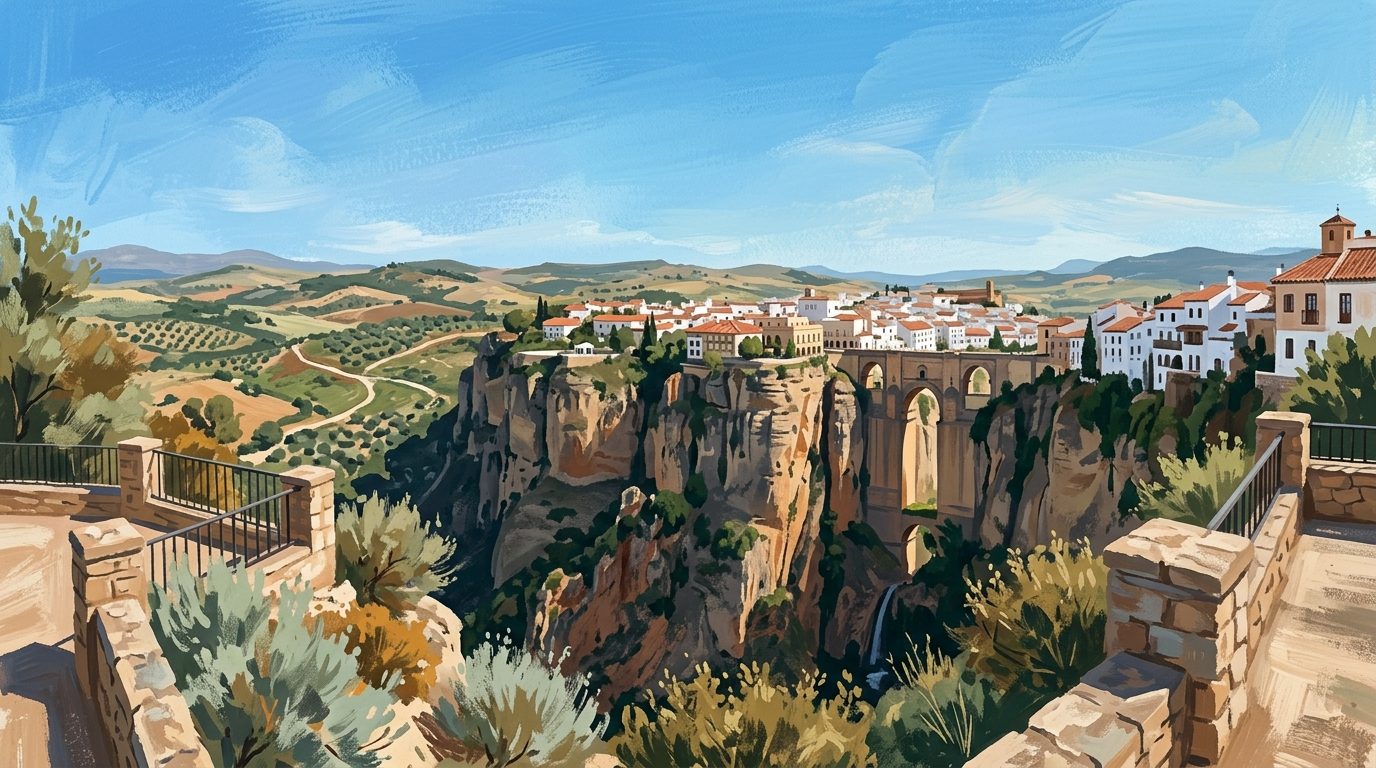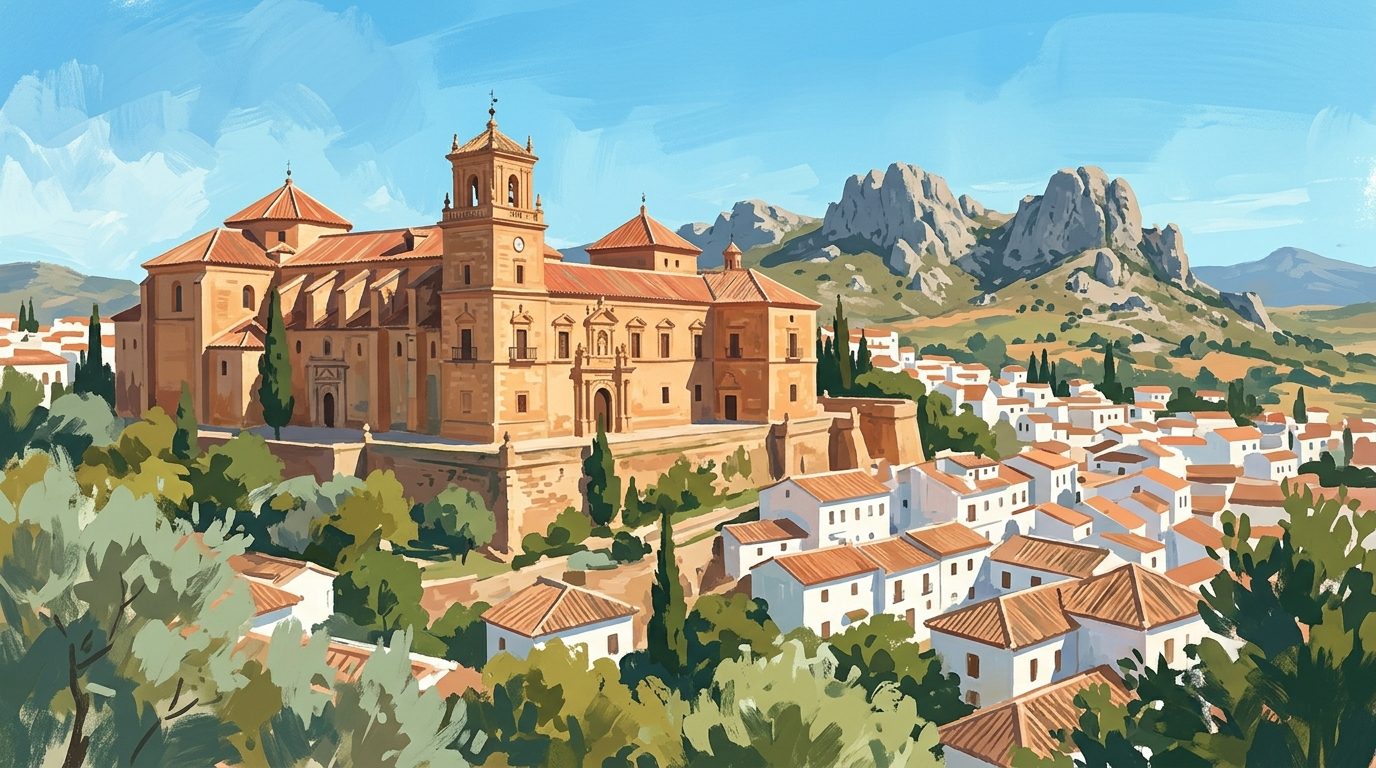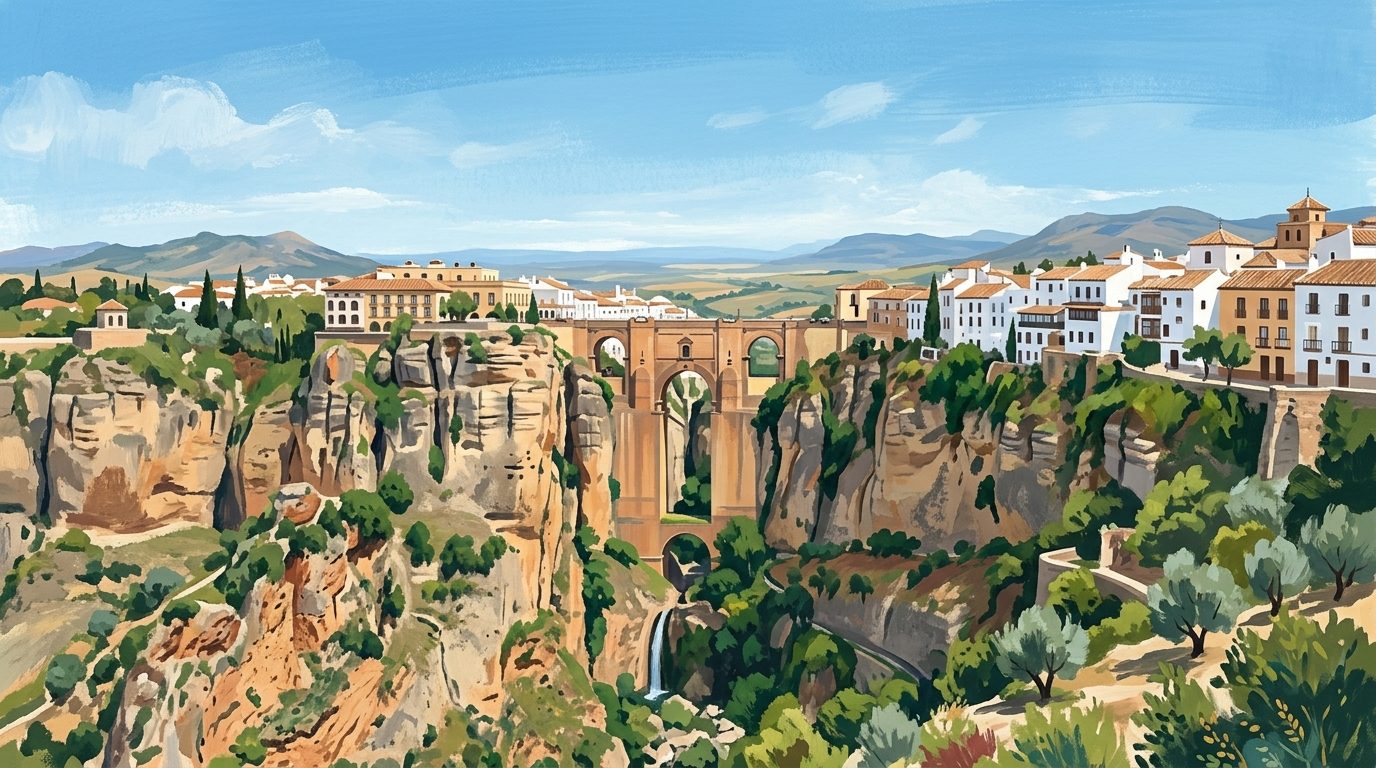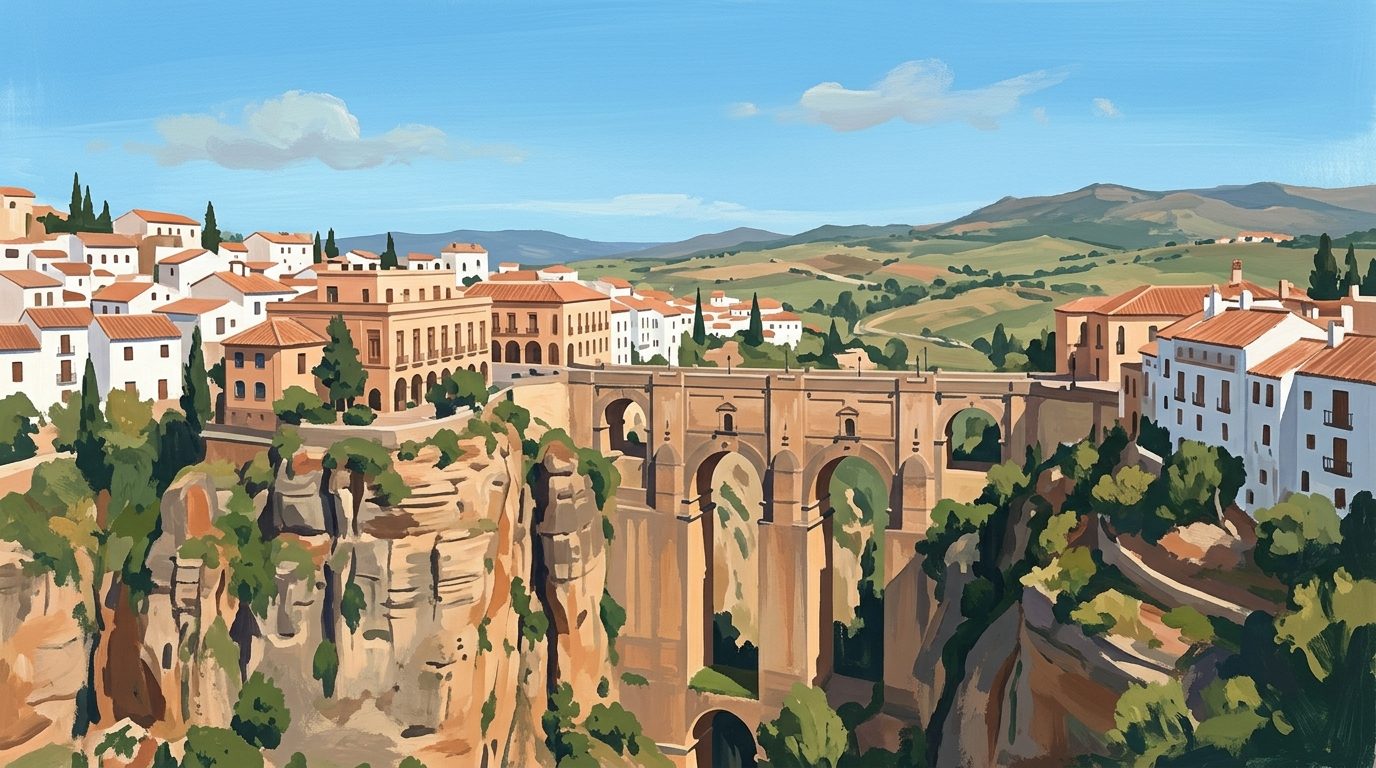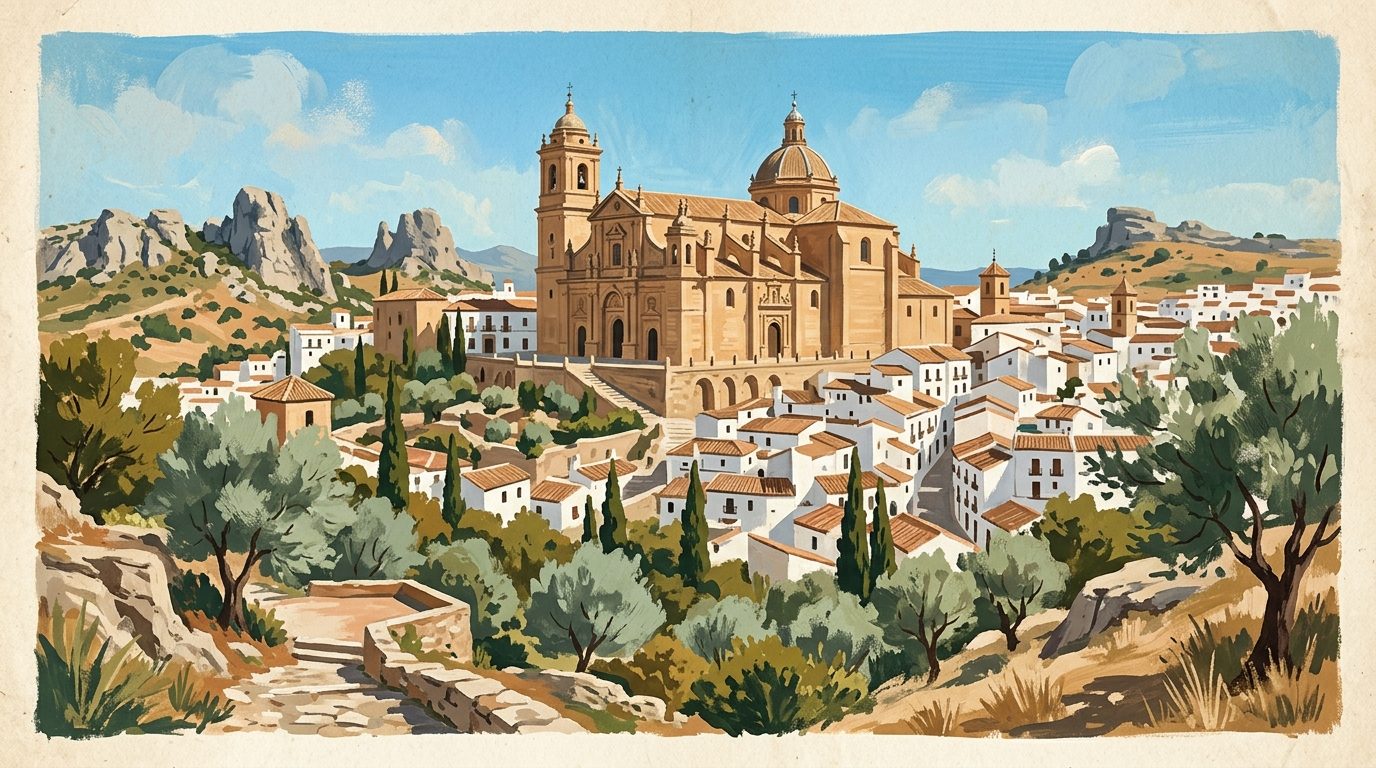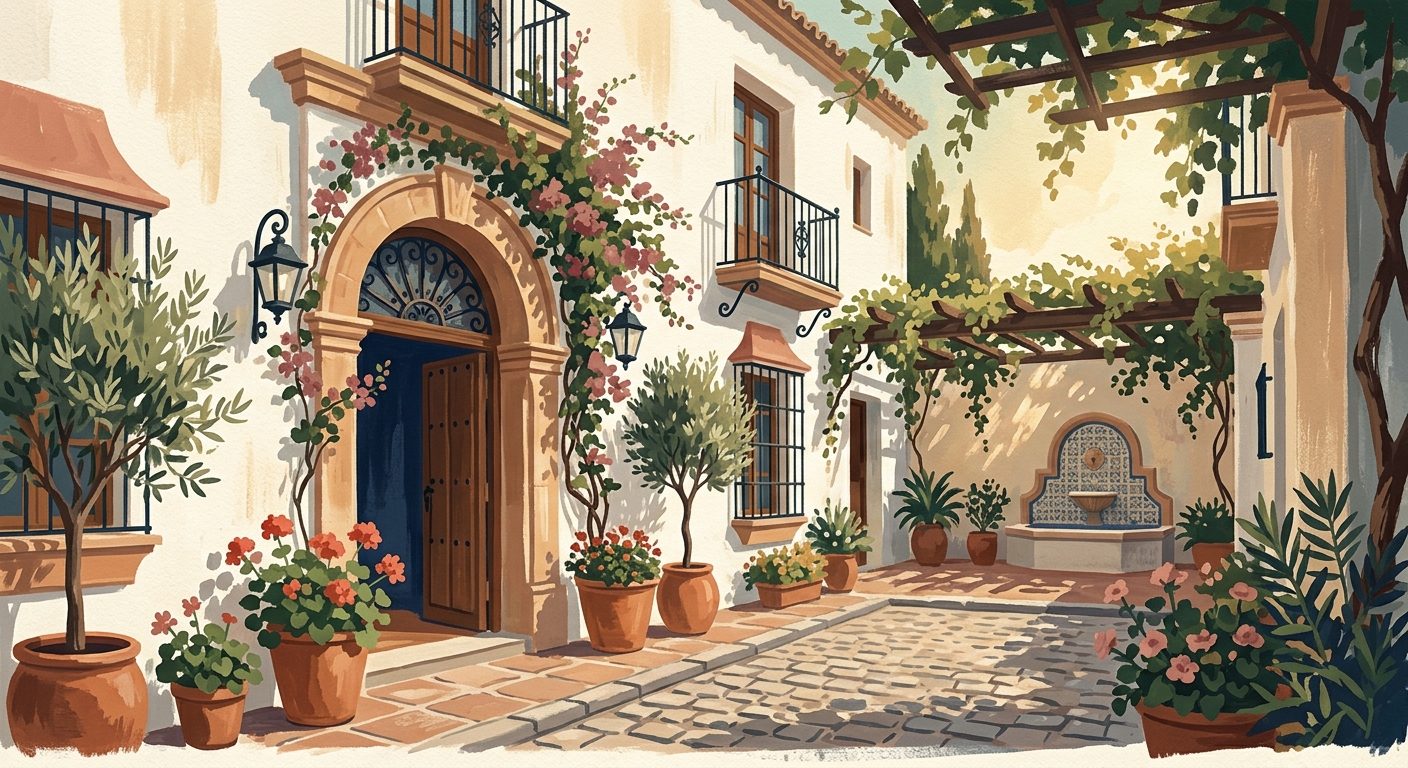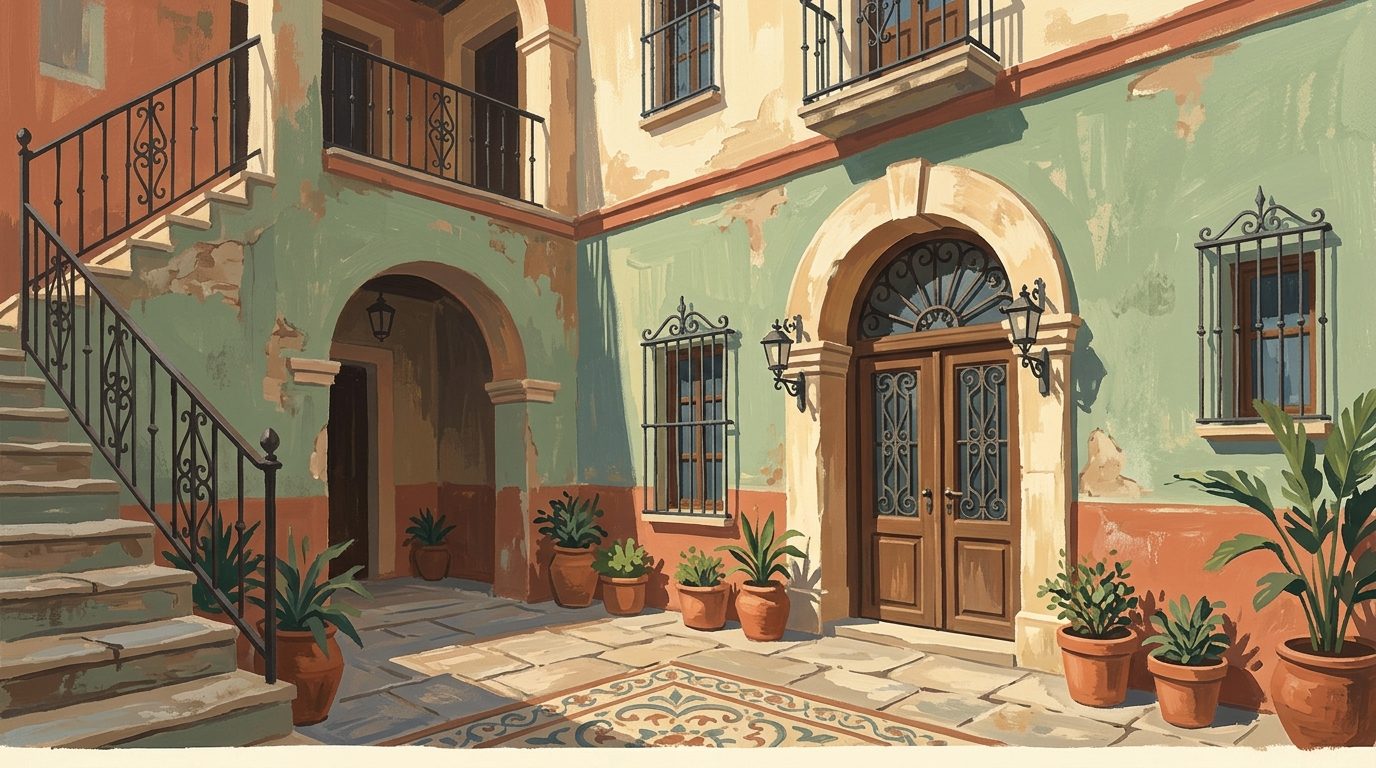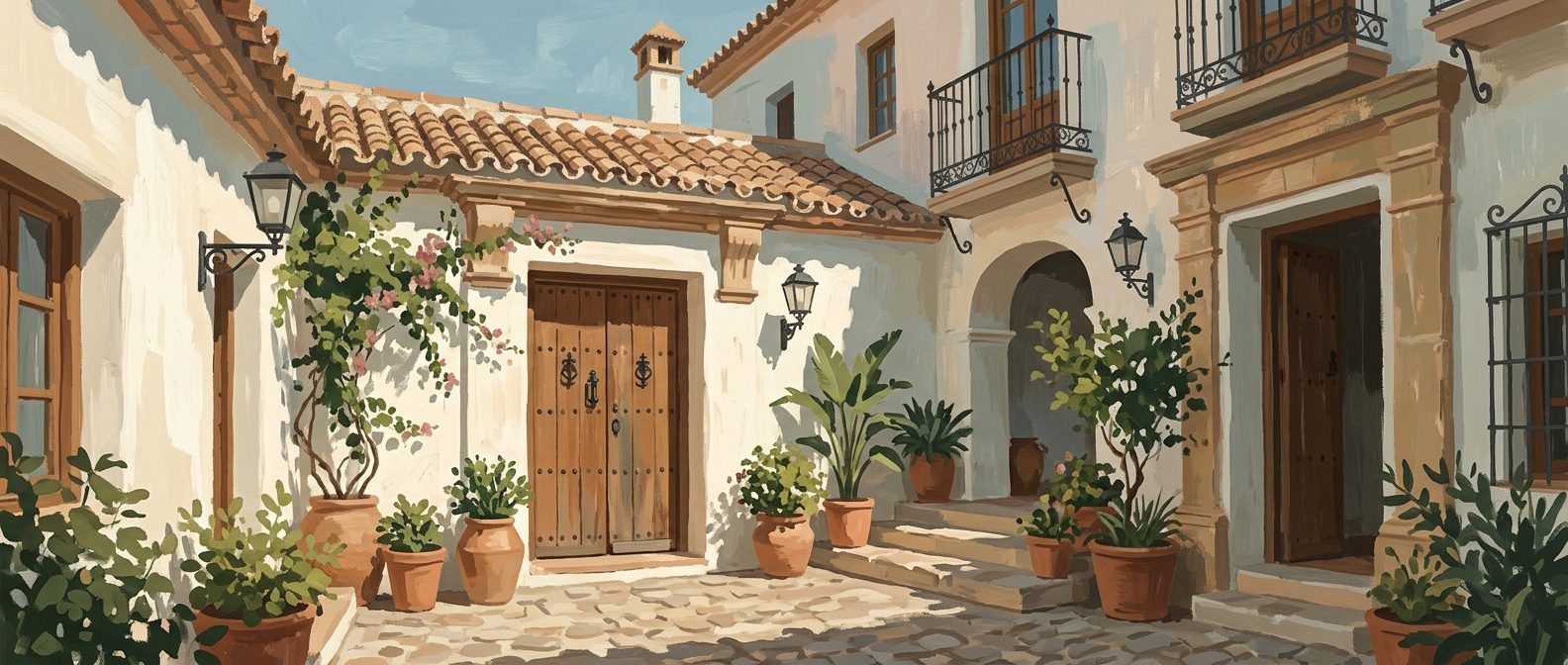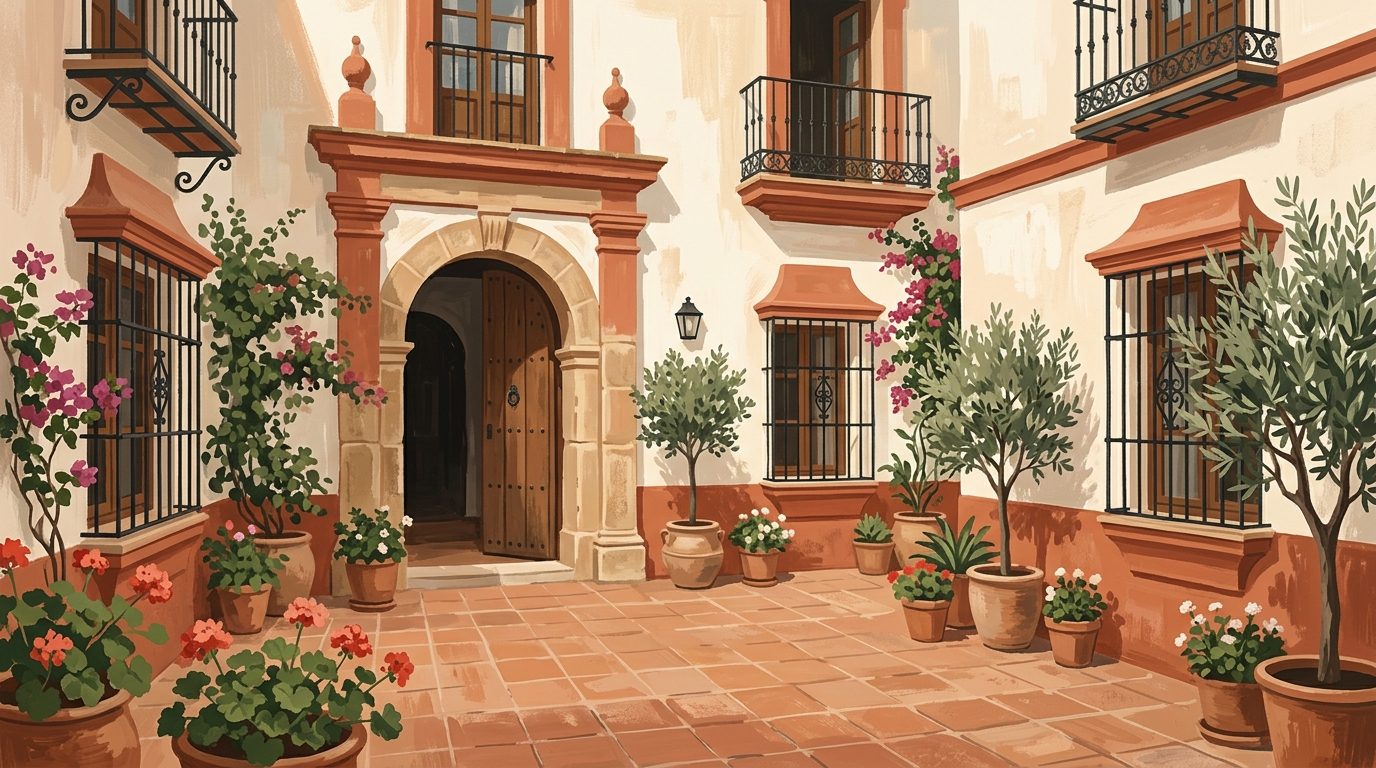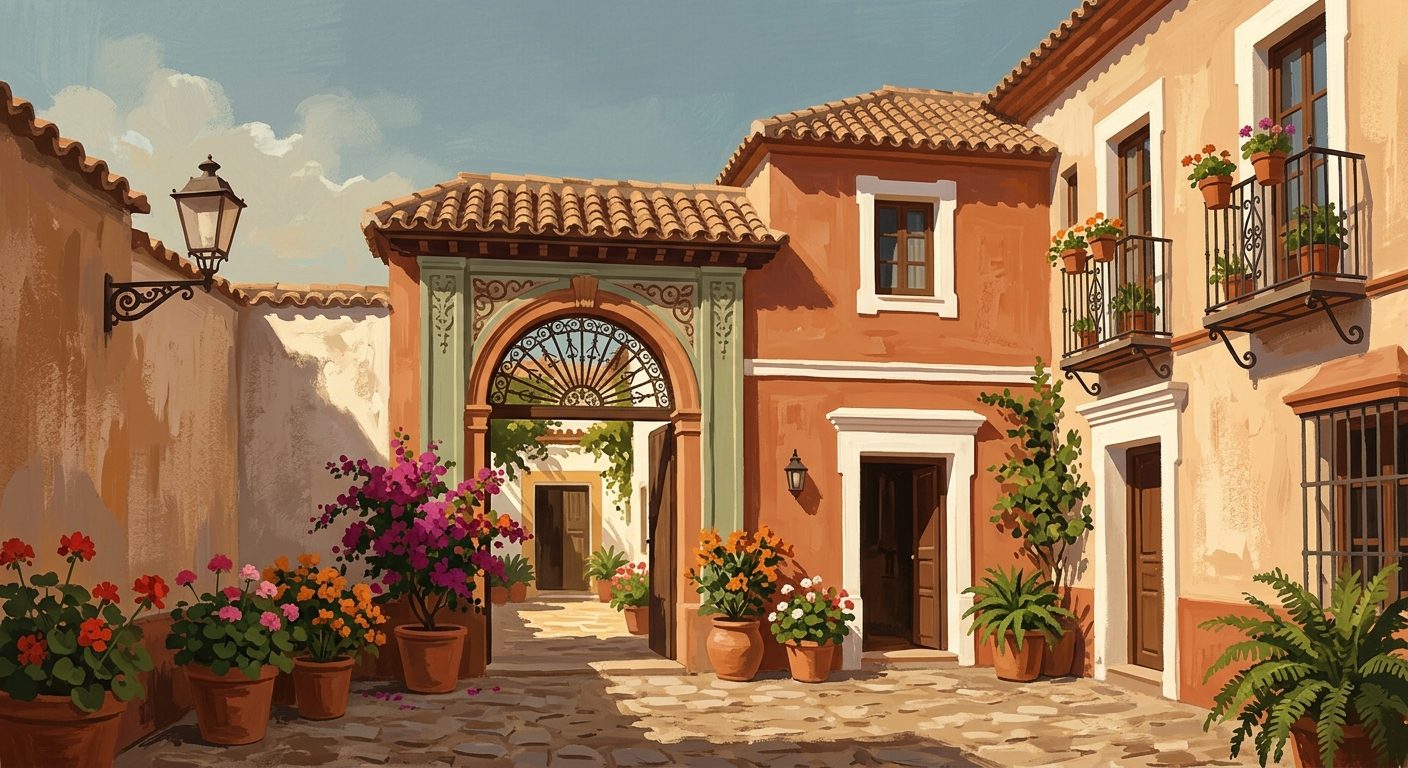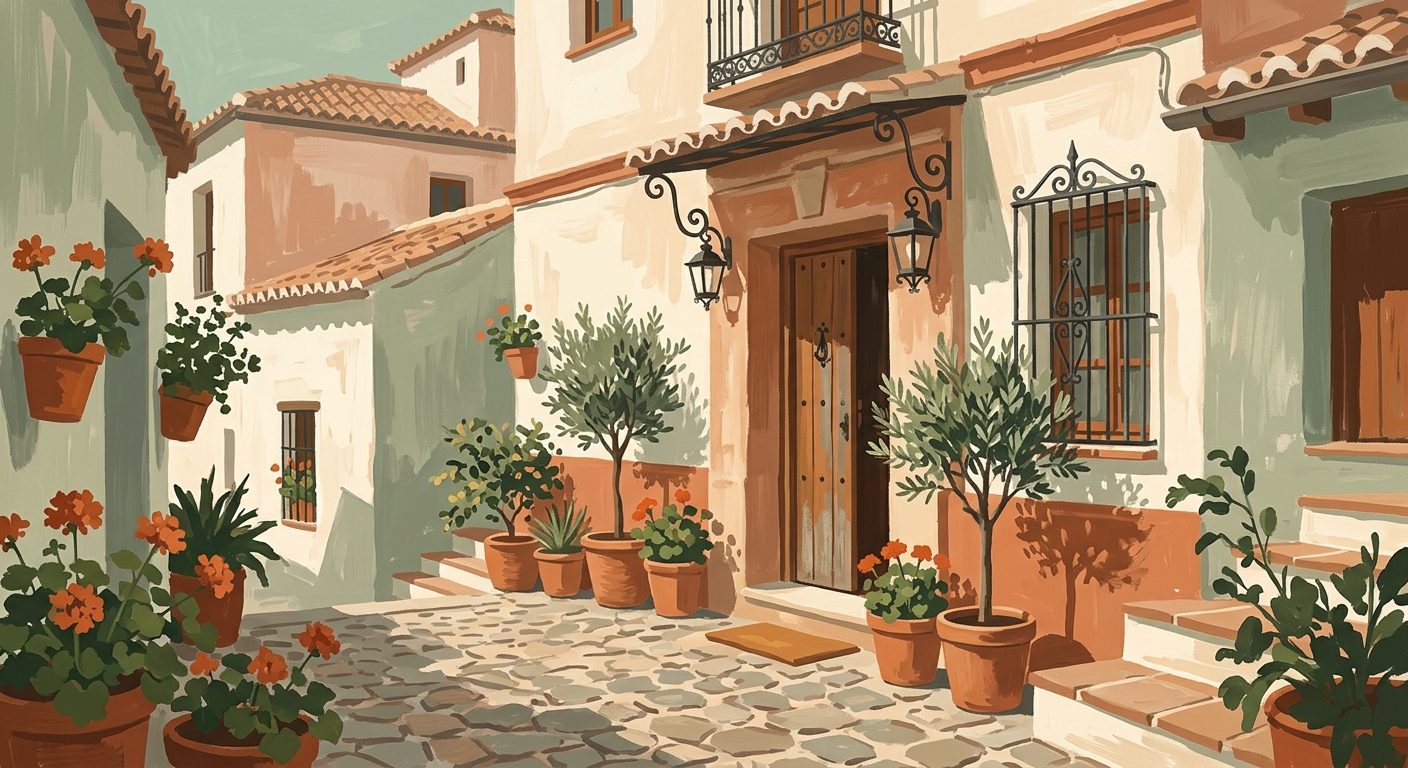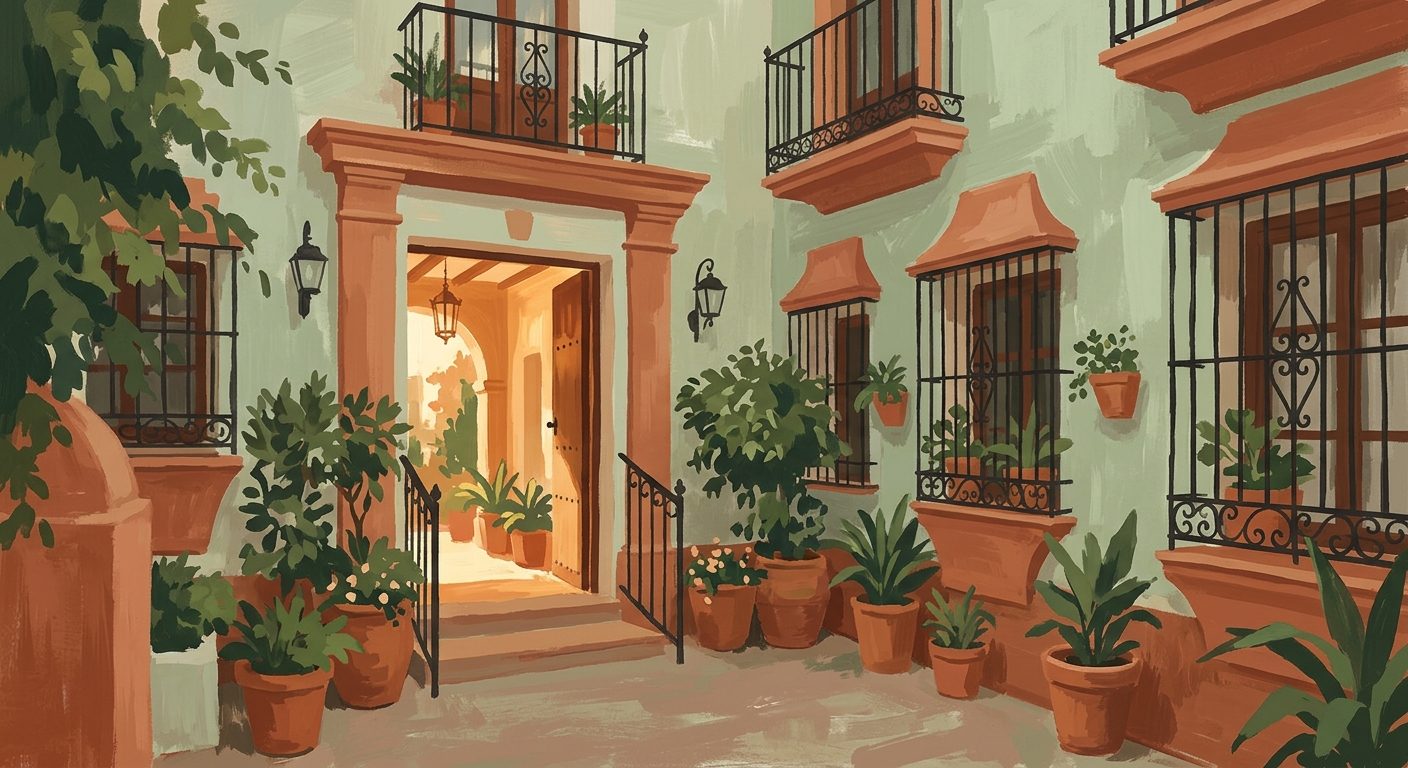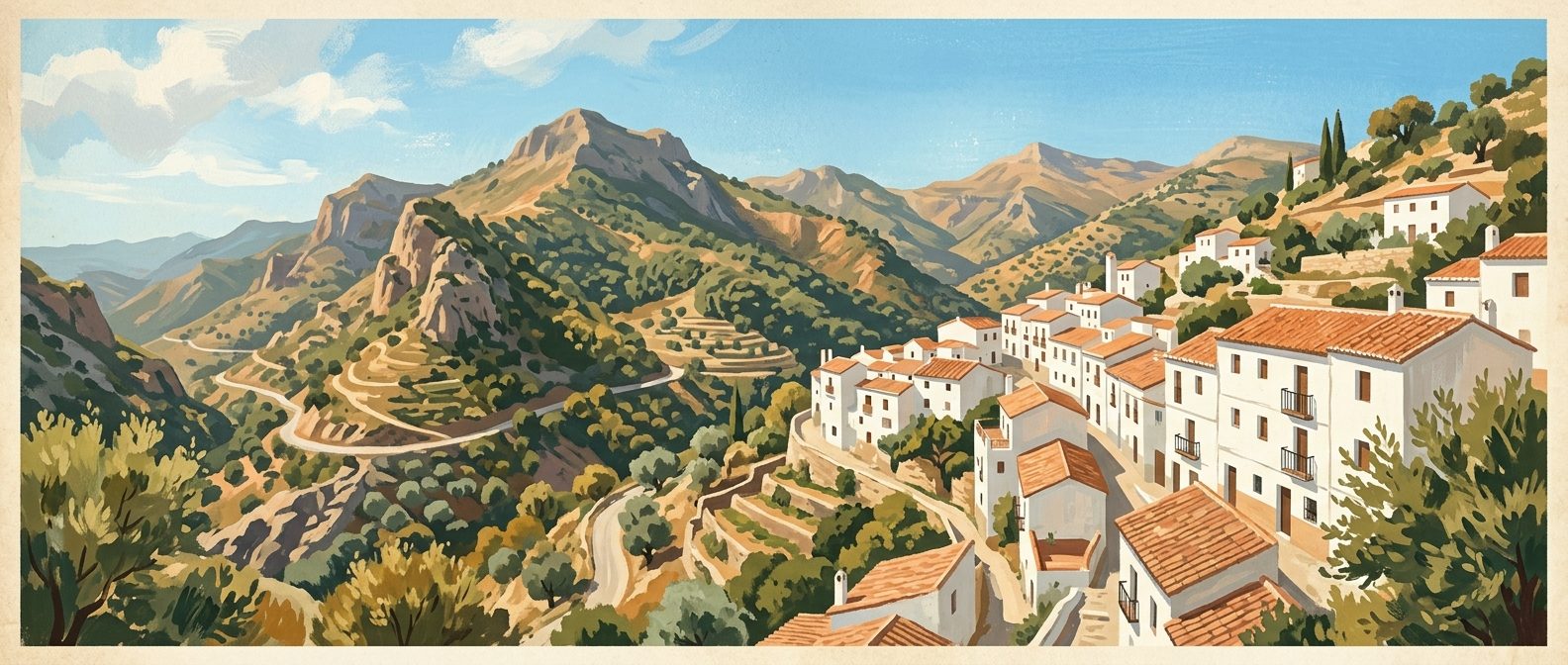
Beyond the coastal sprawl of the Costa del Sol lies a landscape of karst peaks, limestone gorges, and whitewashed villages that move at the speed of a donkey’s pace. This is the real Málaga, where the scent of wild rosemary and woodsmoke replaces the salt spray of the Mediterranean.
To many, Málaga is merely an airport or a gateway to the beach, but head thirty minutes north and the landscape transforms. The skyline shifts from high-rise hotels to the jagged ridges of the Cordillera Penibética. Inland Málaga is a region defined by its geological drama and agricultural grit. It is a place where olive groves stretch to the horizon and goats graze among Jurassic-era fossils. The pace of life here is governed by the seasons rather than the tourist calendar, offering a quiet resilience that the coast often lacks.
Travelling through these hills, you will find a different temperature, both literally and figuratively. In summer, the heat is a dry, heavy blanket; in winter, the air is crisp and clear, providing views that stretch across to the Rif Mountains of Africa. This hinterland is the heart of the province’s culinary identity, producing the oils, almonds, and goat cheeses that grace the tables of the city’s finest tapas bars. Inland Málaga provides a sense of scale and permanence that is deeply grounding for navigating the sheer cliffs of the Gaitanes Gorge or tracing the shadows of prehistoric megaliths.
Places to Explore
Antequera
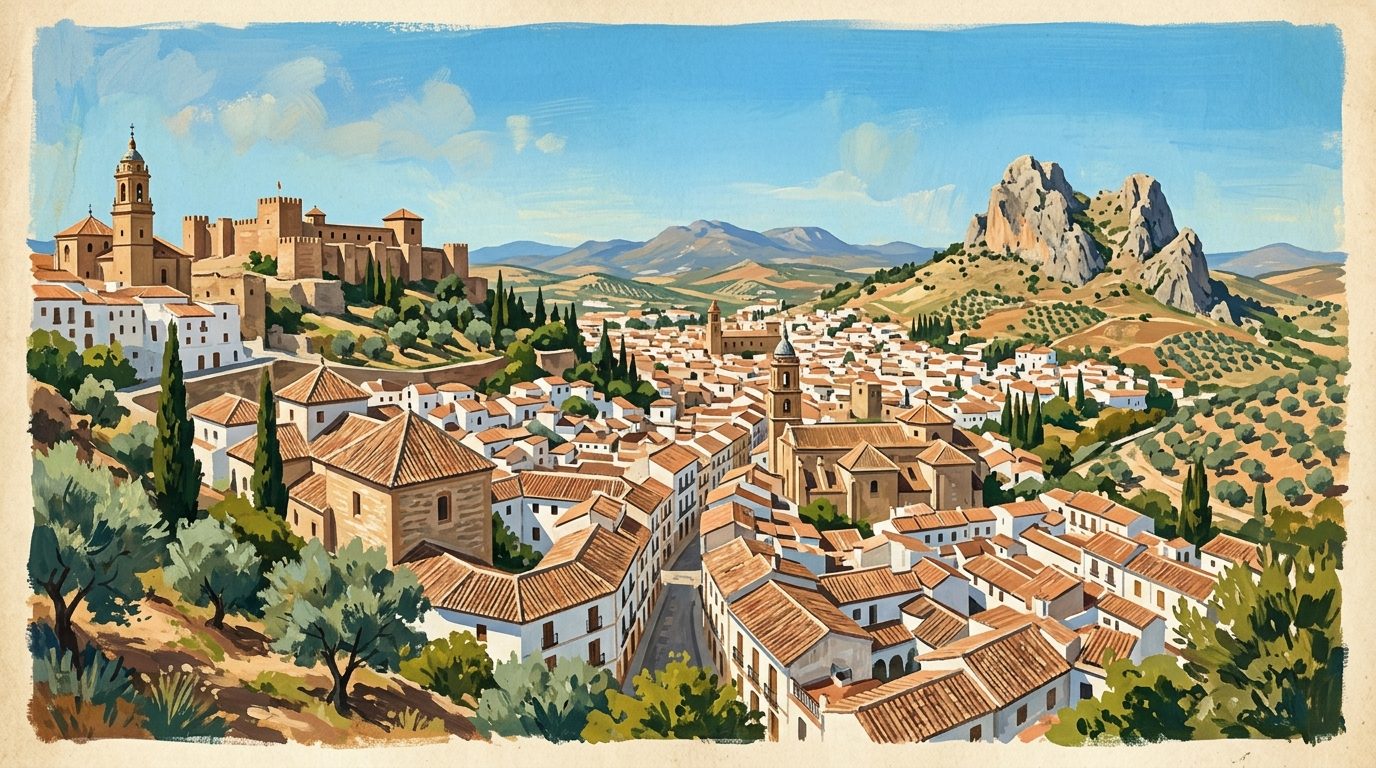
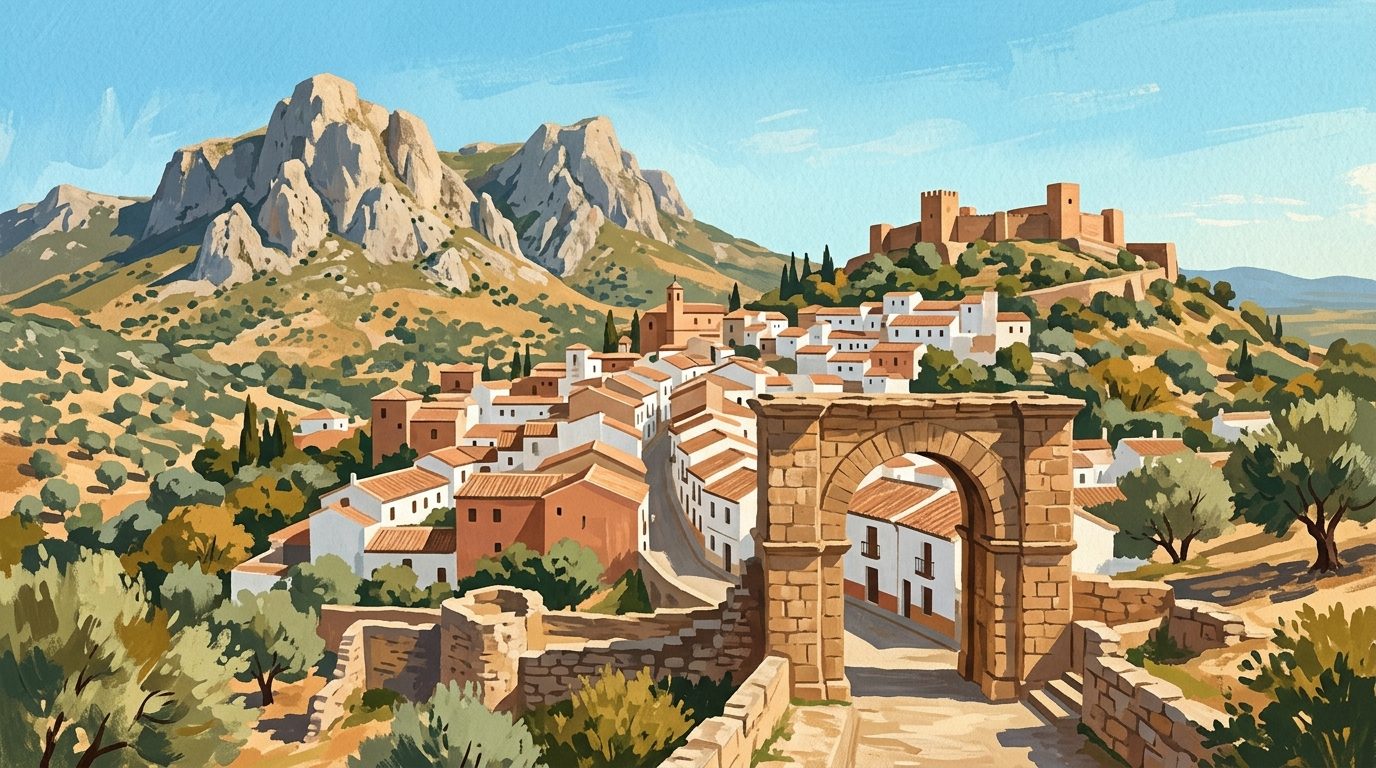
Antequera is the geographic heart of Andalucía, a crossroads where the roads from Sevilla, Córdoba, and Granada converge. It is dominated by the Alcazaba (fortress) and the massive limestone monolith known as the Peña de los Enamorados (Lovers’ Rock), which resembles a human profile staring at the sky. The town itself is a masterclass in baroque and Renaissance architecture, with more churches per inhabitant than anywhere else in Spain. However, its most significant treasures are far older. The Dolmens of Antequera (Menga, Viera, and El Romeral) are UNESCO World Heritage sites and represent some of the most remarkable prehistoric architecture in Europe. You can find visiting information on the official dolmens website. Standing inside the Menga dolmen, looking out toward the Peña, you feel the weight of five millennia of human presence.
A short drive uphill from the town leads to El Torcal de Antequera. This natural park is an otherworldly labyrinth of karst limestone, where 150 million years of erosion have stacked rocks like towers of pancakes. Follow the Ruta de los Ammonites (Ammonite Route) for a guided look at the fossilised sea creatures embedded in the stones. Avoid the main car park at midday during weekends; instead, arrive at sunrise when the mountain goats (Ibex) are most active and the mist clings to the valley floor below. For a midday meal back in town, find a table at Arte de Cozina, where Charo Carmona meticulously reconstructs forgotten local recipes like porra antequerana (a thick, cold tomato and bread soup topped with egg and ham).
Read the full Antequera guide →
Álora and El Chorro
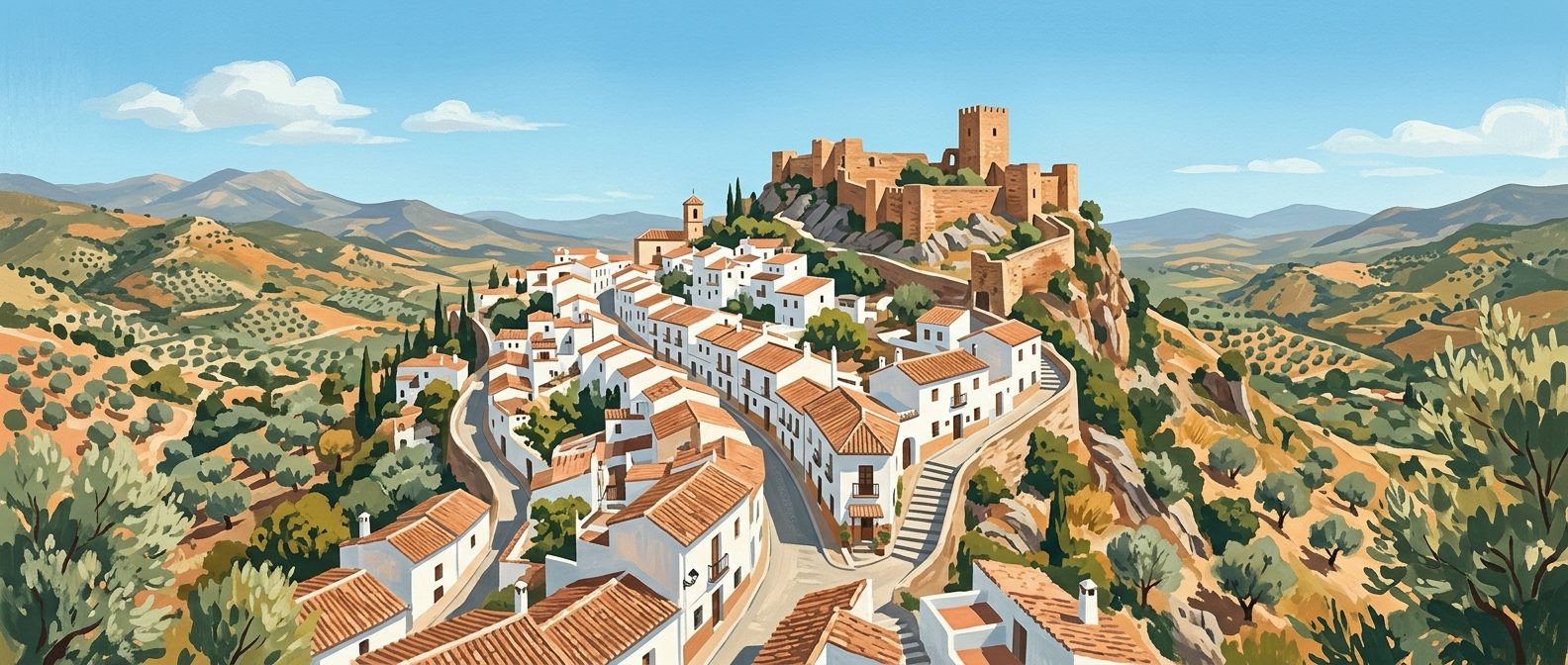
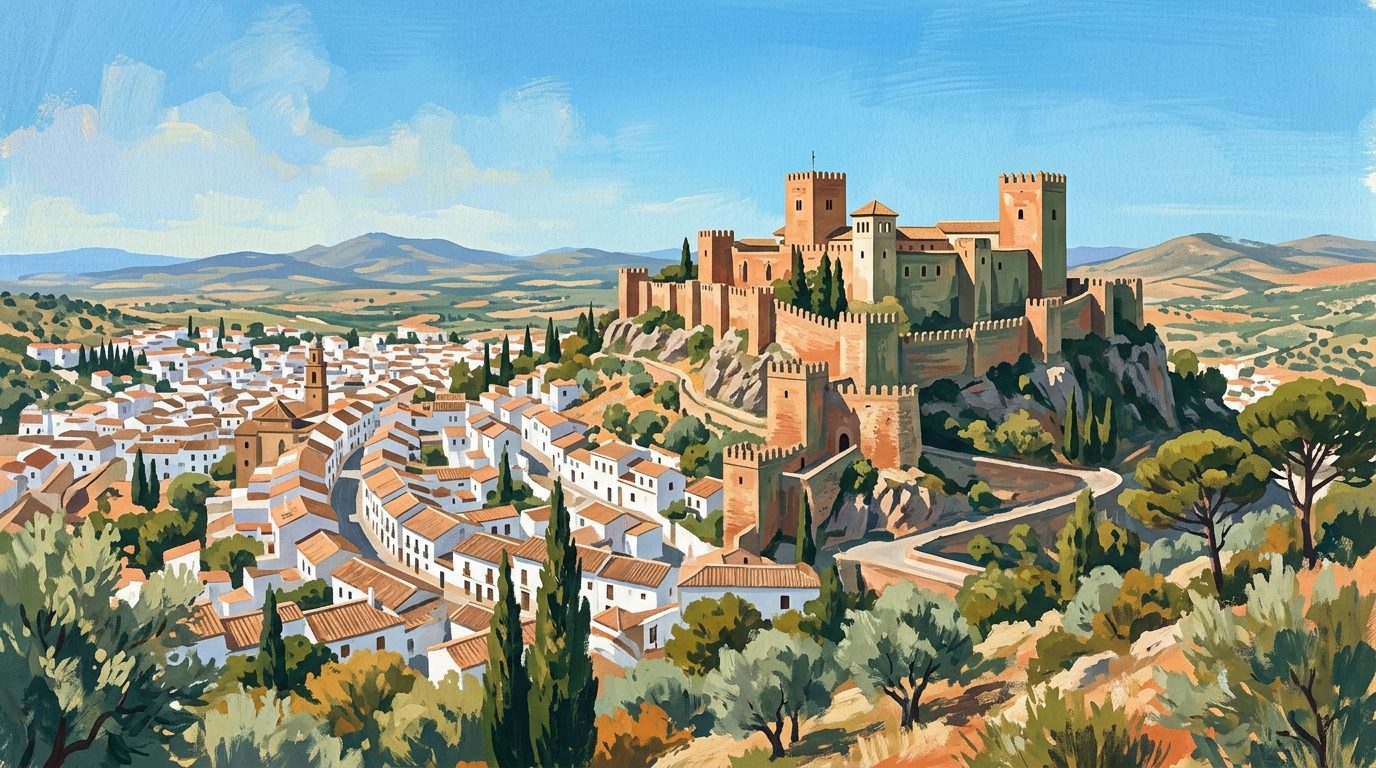
Álora is a classic white village, its houses seemingly poured down the side of a hill topped by a castle of Roman and Moorish origin. It serves as the gateway to the Desfiladero de los Gaitanes, a massive gorge carved by the Guadalhorce River. This is the site of the Caminito del Rey (The King’s Little Path), once known as one of the world's most dangerous walkways but now a safe, though still spine-tingling, aerial path pinned 100 metres up the canyon walls. Tickets for the Caminito sell out months in advance, so plan accordingly via the official booking site. If you cannot secure a pass, the surrounding El Chorro area offers equally stunning scenery without the crowds. The three emerald-green reservoirs (Conde de Guadalhorce, Guadalteba, and Guadalhorce) provide space for kayaking and swimming in water that stays cool even in August.
For those who prefer their feet on solid ground, the area is a world-renowned rock-climbing hub, particularly in the winter months. The small settlement of El Chorro itself is basic, focused on the train station and outdoor activities, but Restaurante La Garganta offers a reliable terrace for a post-hike drink with views of the gorge. In Álora proper, take the time to climb to the Mirador de las Almenillas for a panoramic view over the Guadalhorce valley, a patchwork of citrus groves that scent the entire town during the spring blossom season (azahar).
Read the full Álora / El Chorro guide →
Setenil de las Bodegas
Technically situated just over the border in Cádiz province, Setenil de las Bodegas is an essential part of any inland Málaga circuit. Unlike most white villages that were built on hilltops for defence, Setenil was built into the cliffs. The town’s architecture is defined by the cuevas (caves) carved out by the Trejo River. Entire streets, most notably Calle Cuevas del Sol and Calle Cuevas de la Sombra, have massive overhanging rock ceilings instead of traditional roofs. This natural insulation keeps the houses cool in the summer and warm in the winter, a design choice that has persisted since the Moorish era.
The town name reflects its history: septem nihil (seven times nothing) refers to the number of times the Catholic monarchs attempted to besiege the town before finally succeeding in 1484, while bodegas refers to the once-thriving wine trade. Today, the wineries are less prominent, but the town is a centre for excellent olive oil and pork products. Avoid visiting on a Sunday afternoon if you dislike crowds, as the narrow streets can become bottlenecked with day-trippers. Instead, stay for dinner when the day-tourists depart; the sight of the illuminated rocks hanging over the tapas bars is truly surreal. Try the local sopas cortijeras (a hearty rural soup with bread, asparagus, and poached egg) at Restaurante El Mirador.
Read the full Setenil de las Bodegas guide →
Comares
Perched on a crag 700 metres above sea level, Comares is often called the 'Balcony of the Axarquía'. The approach is a series of hairpin bends that test your nerves, but the reward is a village that feels remarkably untouched. Comares was a vital Moorish defensive post, and its layout remains a tangle of narrow, steep alleys. Follow the trail of ceramic footprints embedded in the pavement; they lead you on a self-guided tour of the village’s historical landmarks, including the remains of the old fortress and the aljibe (an underground Moorish water cistern). The views from the top extend from the Sierra de Tejeda mountains all the way to the Mediterranean.
Comares is also famous for its verdiales, an ancient form of flamenco peculiar to the mountains of Málaga, which features violins, lutes, and tambourines. If you happen to visit during a local feria (fair), you might witness a panda of musicians performing this rhythmic, driving music. For the adventurous, Comares is home to one of Spain’s longest zip lines (tirolina), which launches you across the valley from the edge of the village. For a more sedate experience, buy a bag of locally grown almonds from a village shop and sit in the plaza near the church of Nuestra Señora de la Encarnación, watching the eagles and vultures catch the thermals below you.
Sierra de las Nieves National Park
Designated in 2021 as Spain’s sixteenth National Park, the Sierra de las Nieves is a wilderness of incredible biodiversity. Its name (Mountain of the Snows) comes from the neveros (snow pits) where ice was traditionally collected in winter and transported by mule to the coast. The park's most famous inhabitant is the pinsapo (Spanish Fir), a rare Ice Age relic that only grows in a few pockets of southern Spain and northern Morocco. Walking through a pinsapar (fir forest) feels like stepping back into a prehistoric era. The gateway villages of Yunquera and Tolox are the best starting points for exploration.
The park is dominated by Pico Torrecilla, which at 1,919 metres is the highest point in western Andalucía. Reaching the summit is an eight-hour return trek from Los Quejigales, requiring good fitness and sturdy boots, but the view across the Strait of Gibraltar to the Atlas Mountains is unmatched. For something less strenuous, the trail to the Mirador del Guarda Forestal near El Burgo offers spectacular views of the Turón river valley. The region is also famous for its marble-clear streams and deep caves, including the Sima de la Cornisa, one of the deepest in the world. This is a landscape for those who want to disappear into nature, far from the manicured lawns of the coastal golf courses.
Read the full Sierra de las Nieves National Park guide →
Eating & Drinking in Inland Málaga
The food of the hinterland is honest, seasonal, and unpretentious. While the coast relies on seafood, the interior is the realm of the chivo lechal (suckling goat), typically roasted with garlic and rosemary. In the Serranía de Ronda and the Sierra de las Nieves, wild game is common, particularly venison and wild boar (jabalí) stewed in red wine. If you see migas on the menu (a traditional dish of fried breadcrumbs with garlic, peppers, and chorizo), order it; it is the ultimate mountain comfort food, traditionally eaten on rainy days.
Vines have been planted in these hills since Roman times, and the area around Ronda and Antequera is seeing a resurgence in viticulture. Look for wines from the Sierras de Málaga DO (Designation of Origin). Whites made from the Moscatel Morisco grape are surprisingly dry and floral, while the reds are often bold and earthy. For a non-alcoholic treat, look for tortas de aceite (olive oil biscuits) or bienmesabe (a Moorish-inspired almond sponge cake) in the bakeries of Antequera. These sweets have been made the same way for centuries, often by cloistered nuns who sell them through a torno (revolving window) to maintain their privacy.
Where to Stay
For a central base, Antequera is hard to beat. The Parador de Antequera offers modern comforts with exceptional views of the rock formations, while the Hotel Convento la Magdalena provides a more atmospheric stay in a converted 16th-century convent just outside the town. If you prefer a more rural experience, the area around Álora is dotted with cortijos (farmhouses) and fincas (country estates) converted into boutique guest houses. Finca de la Donaira, though closer to the border with Cádiz, is a world-class example of eco-luxury and biodynamic farming. For those visiting the Sierra de las Nieves, the white village of Tolox offers traditional guesthouses and a historic spa (balneario) known for its therapeutic waters. Generally, choosing a property with a chimenea (fireplace) is essential if visiting between November and March, as the mountain nights can be surprisingly chilly.
Getting There & Around
While there are train connections from Málaga to Antequera (both the high-speed AVE and the local station) and Álora, a car is essential for exploring the deeper reaches of the hinterland like Comares or the Sierra de las Nieves. Car hire is readily available at Málaga Airport. Be prepared for narrow, winding roads once you leave the main A-45 and A-92 motorways. Driving here requires patience; you may find yourself stuck behind a slow-moving tractor or a flock of goats. Parking in the white villages is often difficult; look for the designated aparcamiento público (public car park) on the outskirts of the village rather than attempting to navigate the narrow central streets.
Best Time to Visit
Spring (April to June) is the prime window to visit Inland Málaga. The hills are brilliant green, the wildflowers are in full bloom, and the temperatures are ideal for hiking. Autumn (September to November) is also excellent, especially during the chestnut harvest in the Genal Valley or the grape harvest. Summer (July and August) can be punishingly hot, with temperatures frequently exceeding 40°C, making outdoor activities difficult during the day. Winter is beautiful for its clarity and quietness, but be aware that many higher-altitude villages experience frost and occasionally snow, so pack accordingly.