
attraction · Córdoba
Bodegas Cruz Conde
Andalucía 365 · Updated 18 July 2026
Our Verdict
“Offering a rare look at Montilla's subterranean ageing process, Cruz Conde is a fantastic alternative to the busy sherry houses of Jerez. The atmospheric underground cellars, historical links to artist Julio Romero de Torres, and excellent Pedro Ximénez tastings make it an essential stop for wine lovers wanting to explore Córdoba's rich industrial heritage.”
Last verified: July 2026
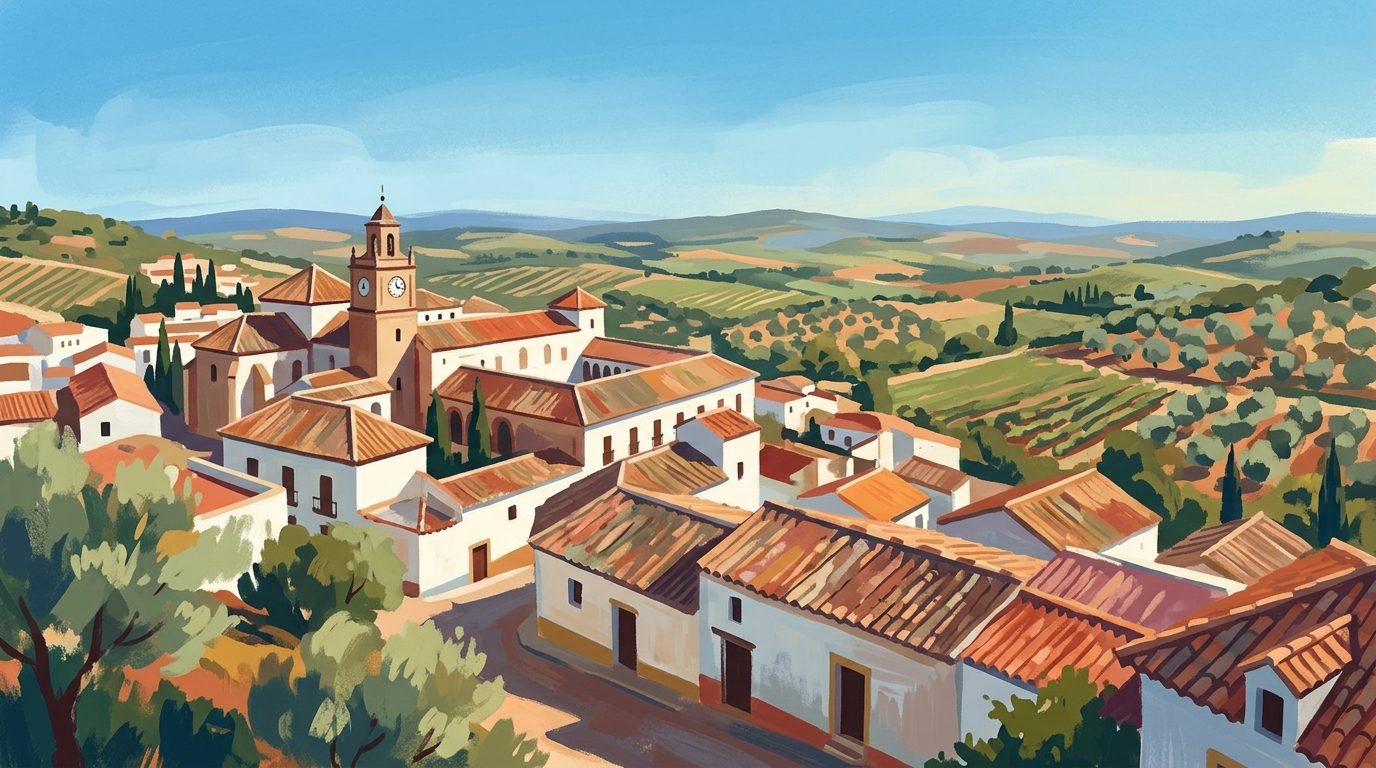
The scent of American oak, high-proof spirit and sweet raisin hangs in the damp air above Ronda de Canillo in Montilla. Founded in 1902 by army commandant Rafael Cruz Conde, this vast complex is a cornerstone of local winemaking heritage. Unlike the coastal sherry houses of Jerez, production here in the Montilla-Moriles region revolves entirely around the Pedro Ximénez grape. Cultivated in the intense heat of the surrounding Campiña, these white grapes develop a naturally high sugar content. This allows the winery to produce everything from bone-dry finos, which reach their required strength naturally without fortification, to rich, treacly dessert wines. Exploring the grounds provides a comprehensive look at the industrial heritage of Andalucía, offering a deep dive into local distillation techniques, subterranean architecture, and the liquid history of the wider province of Córdoba.
The Subterranean Architecture of El Sótano
A significant departure from the typical above-ground cathedral cellars of the region, the primary highlight of the estate is an arched underground vault known as El Sótano. Accessed via a flight of stairs, this subterranean labyrinth was excavated manually during the 1930s to provide the stable, cool environment necessary for ageing wine and brandy away from the brutal summer heat. Walking through these brick-vaulted tunnels, which are split across six distinct naves, you will see around 8,000 American oak barrels stacked in the traditional solera and criadera system. Visitors should note the historical inscriptions chalked onto the casks and the atmospheric, low-level lighting that highlights the absolute stillness required for maturation. It remains the only winery in the Montilla-Moriles wine route to utilise such an extensive underground space for its ageing process.
Spirit Distillation and the Solera System
While traditional generous and sweet wines remain the main draw, the estate is equally renowned for its high-proof spirits. The guided route takes visitors through the distillation areas of Destilerías La Cordobesa, where copper stills dating back to the first half of the twentieth century are still used to produce premium brandies, liqueurs and anisettes. You will learn how wine spirits transform through years of contact with seasoned wood. The experience culminates in a structured tasting session held in a dedicated room known as La Sacristía. Typical pours include a crisp, dry fino aged under a natural veil of yeast, a complex, amber amontillado with pronounced nutty notes, and the signature dark, viscous Pedro Ximénez. The session often concludes with a sample of their artisan anisette or aged brandy, offering a complete spectrum of Montilla's traditional beverages.
The Legacy of La Cordobesa
Art and branding intersect notably within the grounds. The founder maintained a close friendship with the celebrated Cordoban painter Julio Romero de Torres. In 1930, Romero de Torres completed a masterpiece for the winery: a painting of a dark-haired woman holding a guitar, with a bottle of Cruz Conde wine and glasses resting on a tray beside her. Known as La Cordobesa, this image became the official emblem of the house and continues to adorn its anisette and wine labels today. A statue recreating the figure stands prominently in the central courtyard, providing a focal point for the complex and a tangible link to the cultural elite of early twentieth-century Spain. Visitors will also spot mentions of King Alfonso XIII, who granted the estate a royal warrant as an official supplier to the royal household in 1925.
Practical Information for Visitors
Montilla sits approximately 45 kilometres south of the provincial capital. Drivers should take the A-45 motorway, keeping in mind that while street parking is available near the entrance, the surrounding town layout features narrow, one-way streets. Alternatively, regular bus services operate from the main station in Córdoba, dropping passengers a short ten-minute walk from the estate. A standard guided route and tasting session lasts approximately 90 minutes. Because weekend visits require prior reservations, independent travellers must confirm schedules directly via the Bodegas Cruz Conde official website before travelling. Advance bookings are essential, particularly for those requiring an English-speaking guide.
How to Time Your Trip
The autumn months offer the most engaging atmosphere, following the late-summer grape harvest when the surrounding municipality is entirely focused on its viticultural heritage. Morning tours are recommended to avoid the warmest parts of the day. The underground sections remain refreshingly cool regardless of the external temperature, so carrying a light jumper is advisable even during the peak heat of August. The onsite shop offers an excellent opportunity to purchase exclusive bottlings, vintage brandies, and gourmet products directly from the source at lower prices than international retailers.
What to Pair with Your Itinerary
Given the high alcoholic strength of the tasting samples, eating a substantial meal afterwards is highly recommended. The town centre is filled with traditional tapas bars serving local specialities like flamenquín and salmorejo. To expand your understanding of the region, follow your cellar tour by exploring Montilla and its historic olive presses. Alternatively, drive further south to discover Aguilar de la Frontera, a neighbouring wine town famous for its rare octagonal plaza and continuing dedication to the Pedro Ximénez grape. If you are completing a broader exploration of the area, the Montilla-Moriles wine region offers a landscape of rolling white-soil hills and ancient bodegas that contrast sharply with the monumental architecture of the provincial capital.
Nearby worth your time
A few well-placed stops for extending the day without turning it into a checklist.
Continue through Campiña Cordobesa & Wine Region
Step back into the wider landscape with local guides, nearby places and the province overview.
Things to do · 10 min
Golf in Córdoba Province: Courses, Holidays, and Shops
Discover practical tips, course details, and holiday planning advice for playing golf in Córdoba province, from the mountain fairways of Sierra Morena to the historic greens of Los Pedroches.
Feature · 8 min
The Caliphate of Córdoba
In 929, Abd al-Rahman III declared himself Caliph, breaking religious ties with the Middle East and launching an era of unparalleled architectural and intellectual achievement.
Itinerary · 9 min
A Weekend in Cordoba: Two Days in Andalucía's Caliphate City
Spend 48 hours in Cordoba exploring the mesmerising Mezquita, getting lost in the whitewashed streets of the Judería, and eating excellent salmorejo.