Situated at the meeting point of the Guadalquivir and Genil rivers, Palma del Río is a town defined by its fertile plains and citrus-scented streets. Here, the legacy of a legendary bullfighter meets the quiet solitude of a former Franciscan monastery.
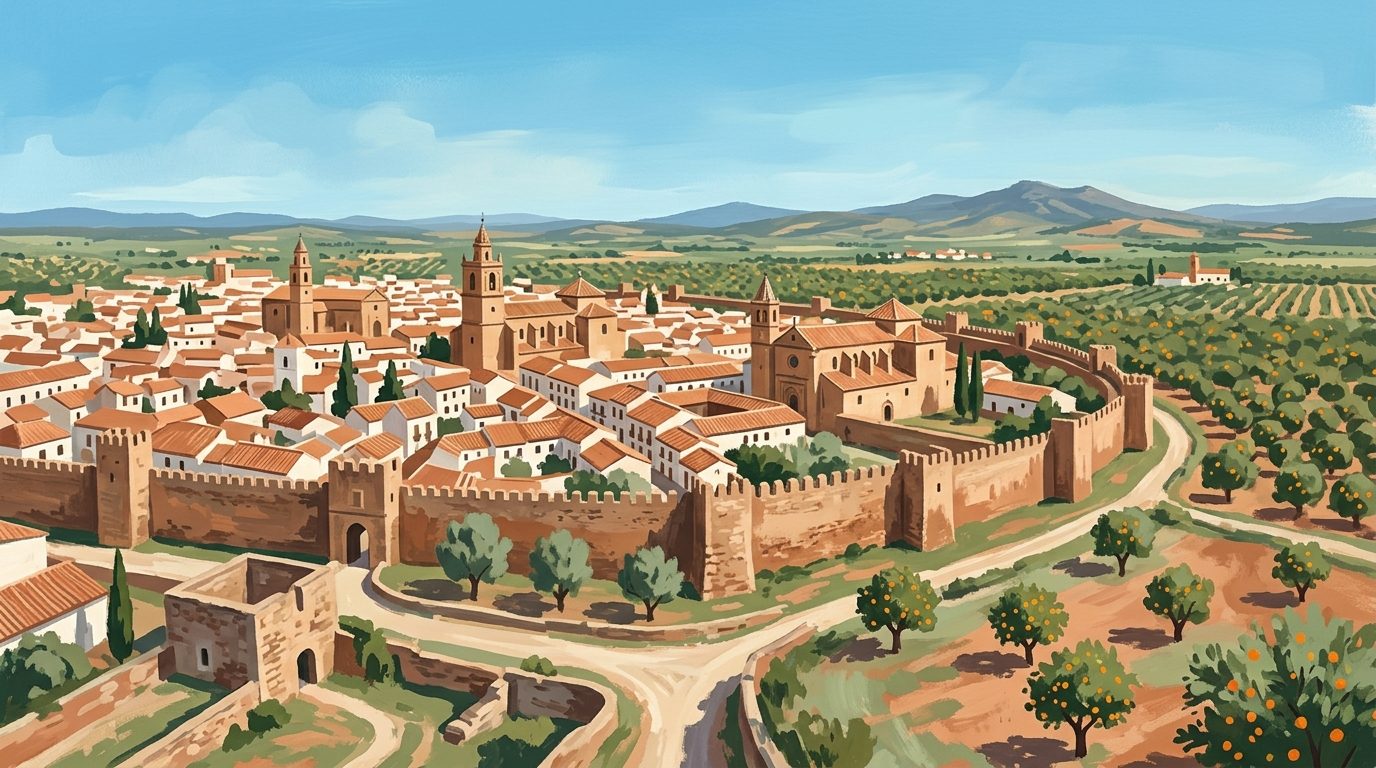
Located on the western edge of the province of Córdoba, Palma del Río occupies a strategic position where the Genil river flows into the Guadalquivir. This abundance of water has shaped the town's identity for centuries, creating a landscape dominated by citrus groves and fertile farmland. Unlike the rolling hills of the olive-growing regions further east, the Campiña Cordobesa here is flat and lush, providing a different perspective on the Andalucían countryside.
The town serves as a gateway between the provinces of Córdoba and Sevilla, and its architecture reflects this crossroads status. Visitors will find a mix of medieval fortifications, Baroque religious buildings, and industrial heritage related to the local orange trade. You can palma del Río offers a focused, authentic experience of life along the great river of the south if you are arriving to explore the birthplace of Manuel Benítez 'El Cordobés' or to find peace within the walls of a 15th-century convent.
What to See & Do
Monasterio de San Francisco
The Monasterio de San Francisco is perhaps the most significant building in the town. Founded in the 15th century, this former Franciscan convent played a vital role in the evangelisation of the Americas; many monks who departed for the New World received their training within these cloisters. Today, it has been converted into a unique hotel and cultural space, but it remains open to those who wish to admire its architecture.
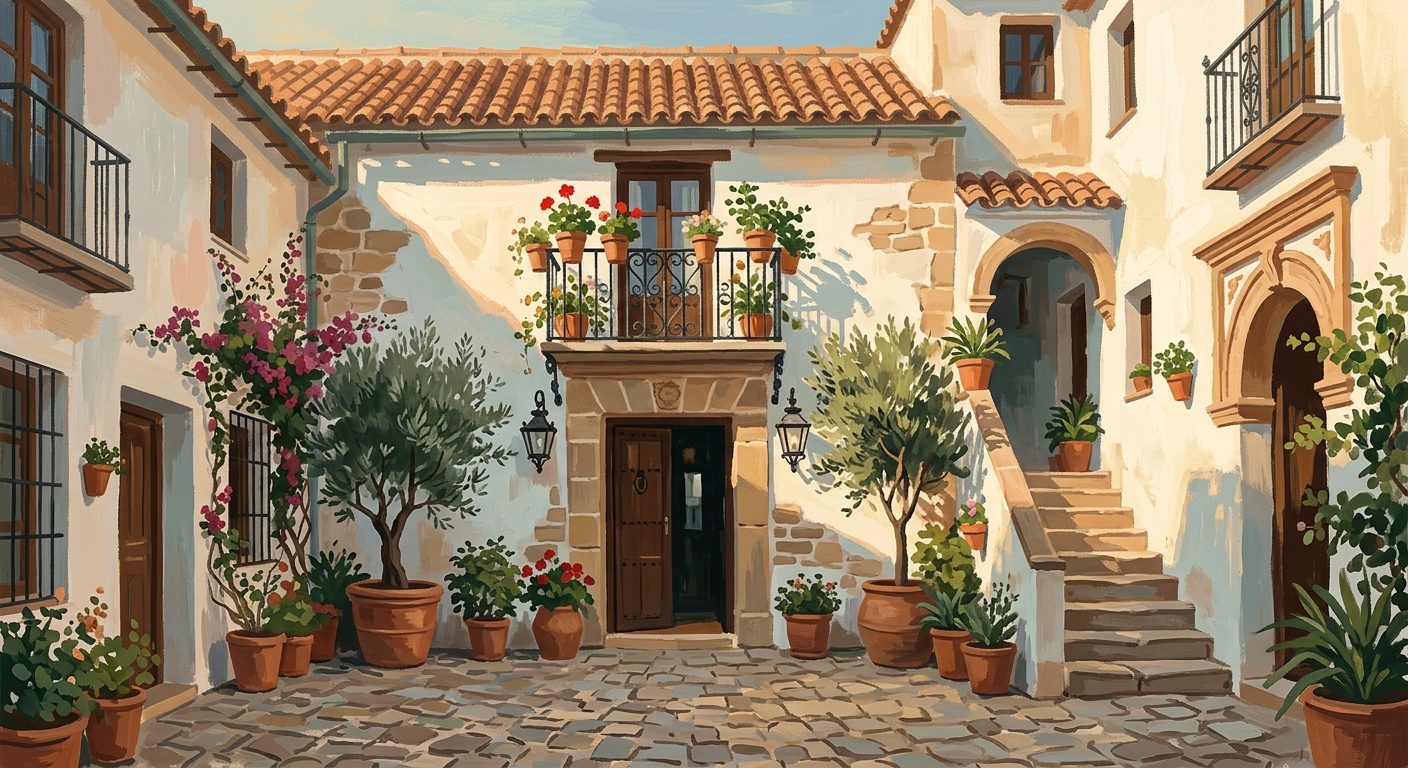
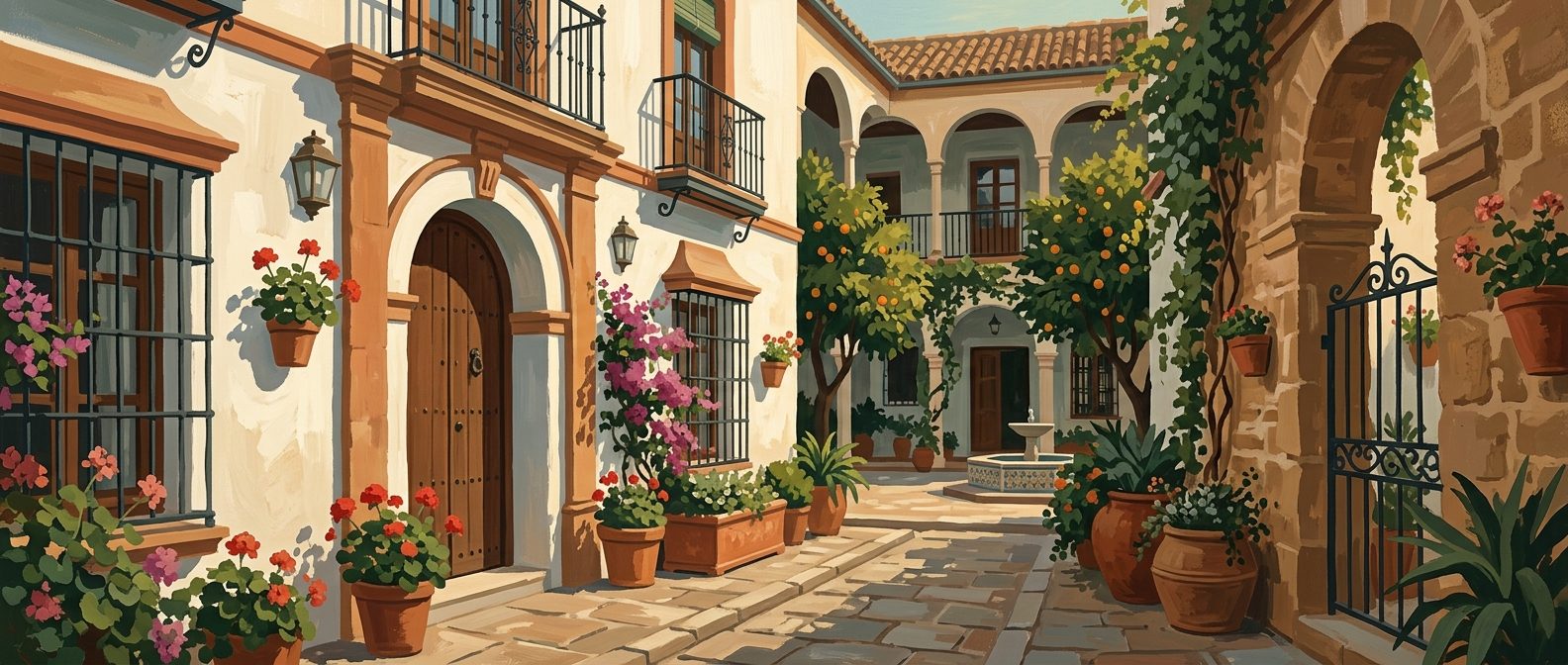
The building features a simple, elegant cloister and a church with a single nave. The thick stone walls and quiet courtyards offer a cool retreat from the summer heat. Even if you are not staying overnight, walking through the public areas allows you to appreciate the Renaissance and Gothic elements that have been meticulously preserved. The surrounding gardens, once used by the monks for subsistence, now form part of the hotel’s charm.
The Almohad Walls and the Mesa de San Pedro
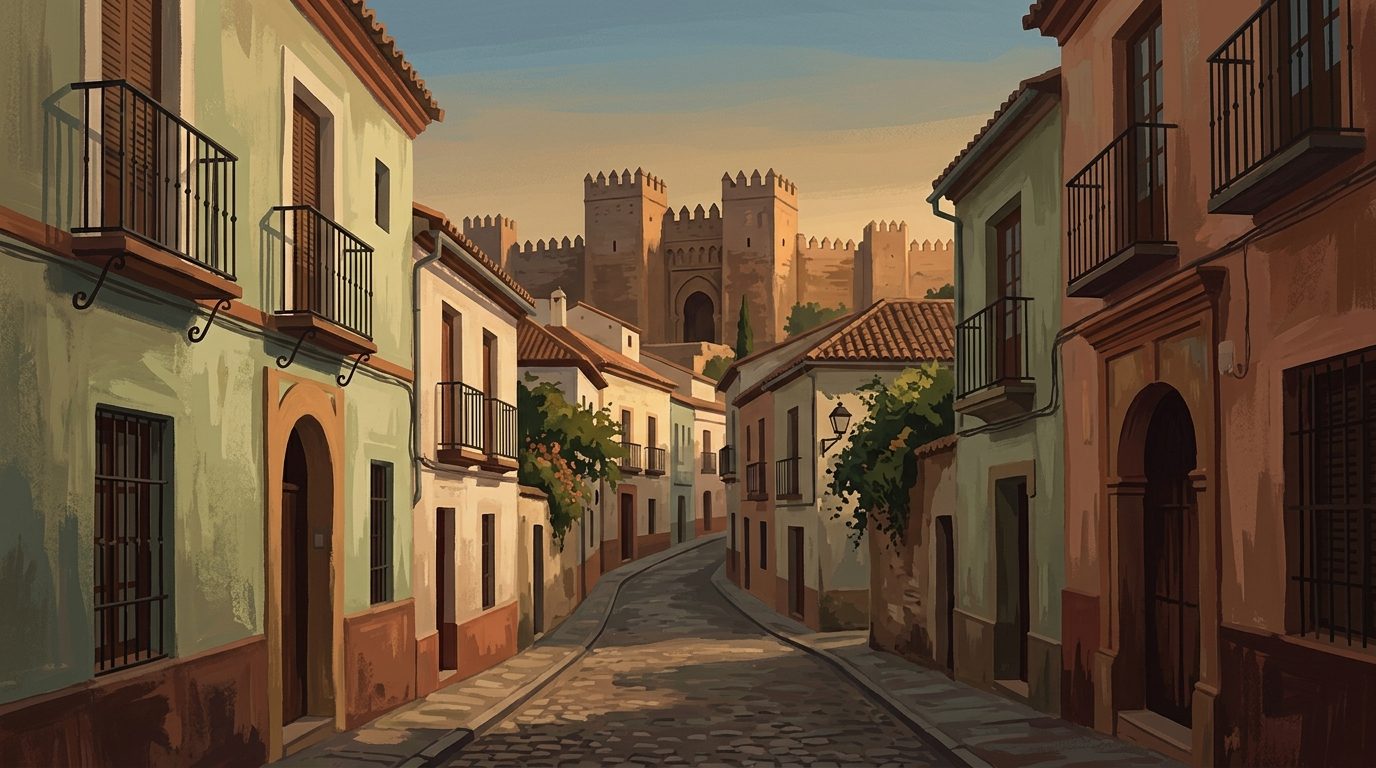
The historic core of Palma del Río is defined by its 12th-century Almohad walls. These fortifications are among the best-preserved examples of Moorish military architecture in the region. Built using the tapia (rammed earth) technique, the walls originally protected the Alcazaba and the administrative heart of the town. You can still see several towers and the Puerta del Sol, which served as the main entrance to the fortified enclosure.
Walking along the perimeter of the walls leads you to the Mesa de San Pedro, an elevated area that provides views over the surrounding countryside. This site was the original location of the Roman and later Moorish settlements, strategically placed to monitor the river confluence.
Casa Museo Manuel Benítez 'El Cordobés'
For those interested in the cultural history of Andalucía, the museum dedicated to Manuel Benítez, known as 'El Cordobés', is essential. Located in the former Hospital de San Sebastián, the museum chronicles the life of one of the most famous and unconventional matadors in history. Benítez was born in Palma del Río in 1936, and his rise from extreme poverty to international stardom is a central narrative of the town's 20th-century history.
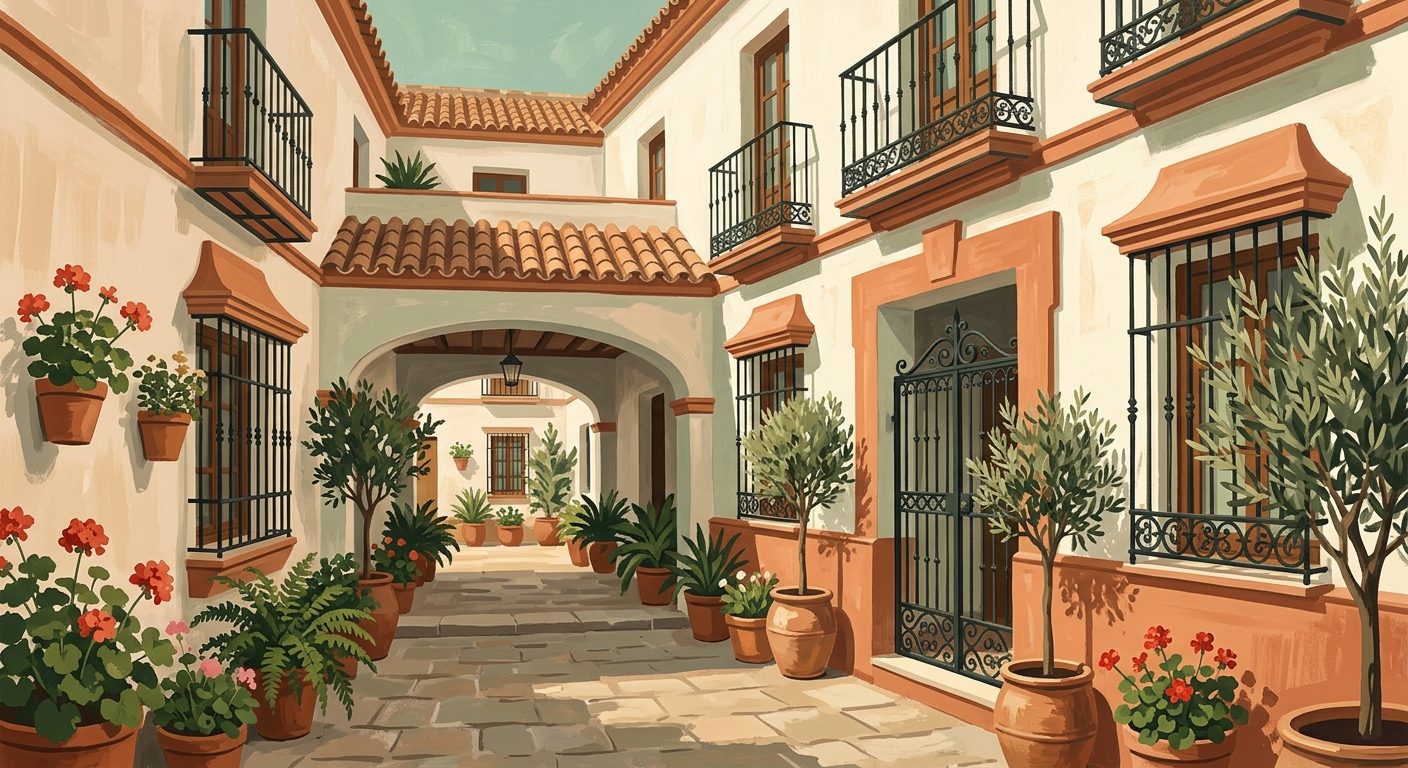
The museum houses a large collection of memorabilia, including suits of lights (trajes de luces), photographs, and posters. It provides context not just for the man himself, but for the social conditions of post-war Spain that produced such a figure. The building itself is an architectural interest, featuring a fine patio and traditional Cordoban structural elements.
Parish of Nuestra Señora de la Asunción
Dominating the skyline of the historic centre is the Church of Nuestra Señora de la Asunción. Built in the 18th century over an earlier Gothic structure, the church is a prime example of the Baroque style common to the Cordoban countryside. Its tower is particularly striking, featuring intricate brickwork and ceramic details that reflect the influence of Mudéjar craftsmanship. Inside, the main altarpiece is a grand display of carved wood and gold leaf, typical of the era's religious fervour.
The Orange Heritage and the River Walks
Palma del Río is synonymous with oranges. The local variety, the Cadenera, is highly prized for its juice. During the blossom season (azahar) in late March and April, the entire town is filled with a heavy, sweet fragrance. You can visit the Museo de la Naranja (Orange Museum) to learn about the history of citrus cultivation in the valley and how the irrigation systems introduced by the Moors are still the foundation of the local economy.
To see the groves up close, take a walk along the banks of the Guadalquivir. Several signposted paths lead from the town centre towards the river, where the vegetation becomes denser and the temperature drops. It is a popular spot for local birdwatchers and those looking for a quiet stroll away from the paved streets.
Practical Information
Opening Times and Prices
- Casa Museo Manuel Benítez 'El Cordobés': Open Tuesday to Saturday from 10:00 to 14:00 and 17:00 to 20:00. Sundays 10:00 to 14:00. (Note: Afternoon hours may vary during summer months June to August). Entry is approximately €3 (check the official tourism website before travelling).
- Monasterio de San Francisco: The church and public areas are generally accessible during daylight hours. As it is a functioning hotel, visitors are asked to be respectful of guests.
- Parish of Nuestra Señora de la Asunción: Open during mass times, usually in the early morning and late evening. Entry is free, though donations are welcomed.
How to Get There
Palma del Río is well-connected by road and rail. By car, it is a 45-minute drive from Córdoba via the A-431. From Sevilla, the journey takes about an hour via the A-4 and the A-431. The town also has a railway station on the Sevilla-Córdoba line, with several Media Distancia trains stopping daily. The station is located about a 15-minute walk from the town centre.
Parking
Parking is generally straightforward. There is a large public car park near the Paseo Alfonso XIII, which is a short walk from the historic walls and the main museums. Street parking is available but can be narrow in the older quarters.
Where to Eat Nearby
For a traditional meal, Mesón La Puerta de la Almedina offers classic Cordoban dishes such as salmorejo and rabo de toro (oxtail stew). It is located near the old walls and is popular with locals for its honest, regional cooking. Another excellent choice is the restaurant within the Hospedería Monasterio de San Francisco. They specialise in dishes featuring local oranges and seasonal produce from the Vega del Guadalquivir. Try the cod with orange and honey for a true taste of the area. For a more casual experience, Restaurante El Bodegón serves a variety of grilled meats and tapas in a relaxed setting.
Where to Stay
The premier accommodation in town is the Hospedería Monasterio de San Francisco. Staying here allows you to experience the historic character of the town first-hand, with rooms arranged around the old monastic cloisters. The hotel features a swimming pool and extensive gardens, making it a peaceful base for exploring the region. For a more modern alternative, there are several small hostals and guesthouses near the town centre that offer clean, functional rooms at a lower price point.