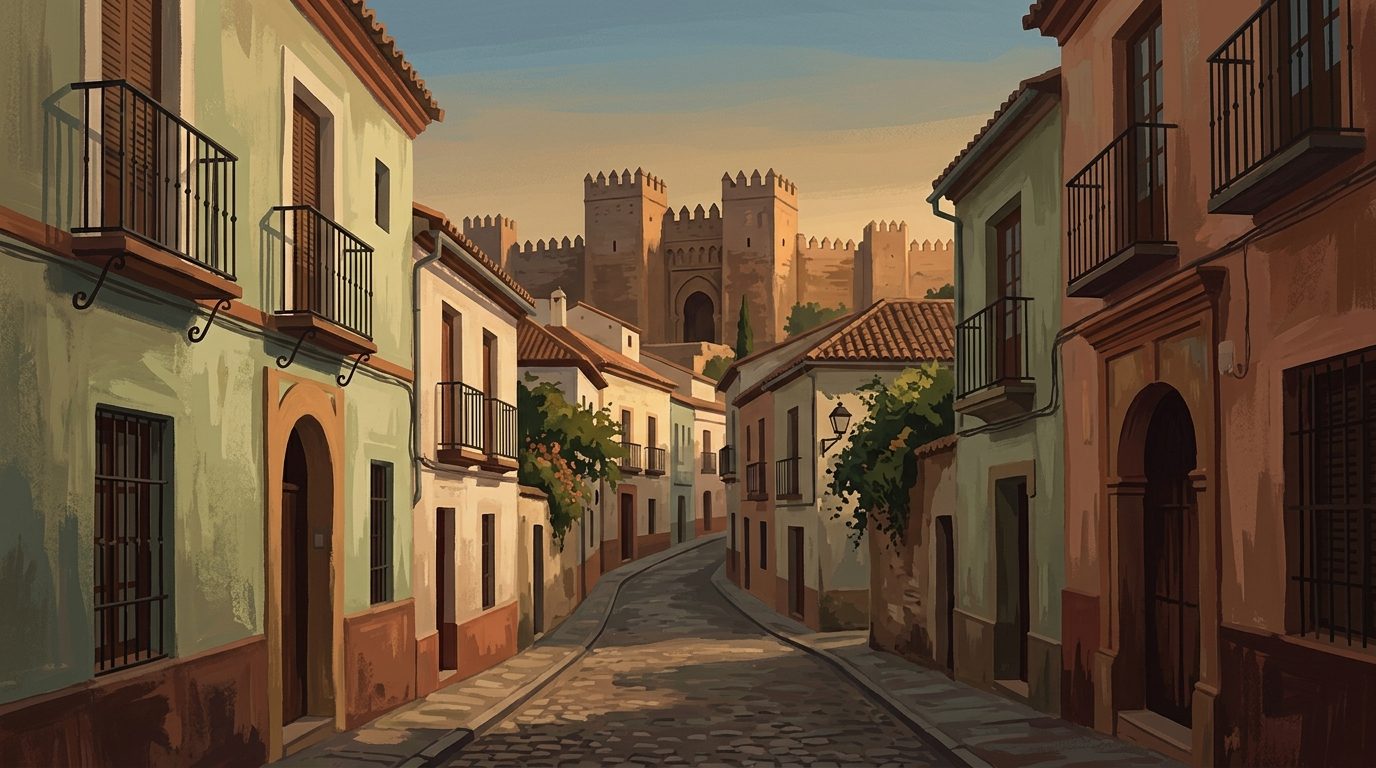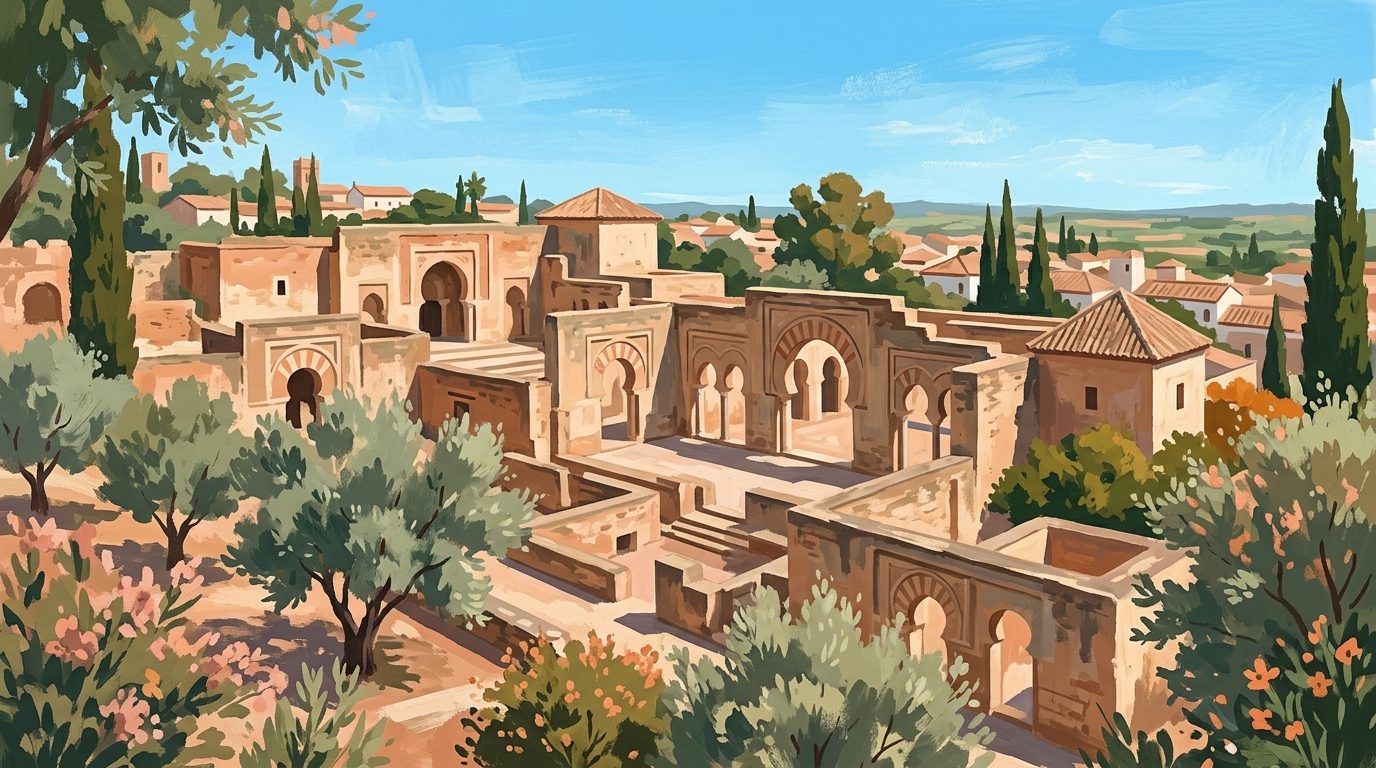
Built as a symbol of power by the first Caliph of Córdoba, this 10th-century palatine city provides a window into the peak of Umayyad architecture. Located just 8 kilometres from the modern city centre, it remains the largest archaeological site in Spain.
While the Great Mosque-Cathedral of Córdoba rightly commands global attention, its secular counterpart, Medina Azahara (Madinat al-Zahra), offers a different kind of scale and majesty. In 936 AD, Abd al-Rahman III, the first Umayyad Caliph of Al-Andalus, commissioned the construction of a brand-new administrative and royal capital. This was not merely a palace but a fully functioning city, designed to project the immense power and cultural sophistication of his caliphate to both domestic rivals and foreign diplomats.
The city, often referred to as the "Shining City," only functioned for about 70 years. It was sacked and abandoned during the civil wars that led to the collapse of the Caliphate in the early 11th century. For nearly a thousand years, the site was looted for stone and eventually buried under soil, forgotten until excavations began in 1911. Today, only about 10 per cent of the city has been uncovered, yet what remains is enough to secure its place as a UNESCO World Heritage site and one of the most significant archaeological landscapes in Europe.
What to See & Do
The visit to Medina Azahara is split into two distinct parts: the modern Museum and Interpretation Centre, and the archaeological site itself. It is essential to start at the museum to understand the layout and the sheer ambition of the original project.
The Museum and Visitor Centre
Located at the foot of the hill, the museum is an award-winning piece of contemporary architecture that sits largely underground to avoid disrupting the historic landscape. Inside, you will find a well-curated collection of original artefacts, including intricate marble capitals, ceramics, and everyday objects found during the digs. The 20-minute audiovisual presentation is particularly helpful; it uses digital reconstructions to show how the terraces, gardens, and palaces would have looked at their zenith, helping you piece together the ruins you are about to see.
The Upper Terrace and Royal Residence
The city was built on three descending terraces carved into the hillside of the Sierra Morena. The highest level was reserved for the Caliph and his immediate court. Walking through the Dar al-Mulk (House of the Empire), you can see the remains of the private living quarters. Even in their ruined state, the precision of the stonework and the strategic positioning of the rooms, offering views over the entire Guadalquivir valley, illustrate the hierarchical nature of 10th-century Andalusí society.
The Salón Rico (The Rich Hall)
This is the undisputed masterpiece of Medina Azahara. The Salón Rico served as the Caliph’s reception room for visiting dignitaries. After years of meticulous restoration, visitors can again see the horseshoe arches and the walls covered in intricate "ataurique" (plant-motif) carvings. The central pool in front of the hall was designed to reflect the architecture, creating a visual effect that must have stunned medieval visitors. The hall is currently accessible to the public following extensive restoration, though restricted access or temporary closures for conservation can occur. It is worth checking the official schedule on the day of your visit.
The House of Ya'far and the Grand Portico
Moving to the middle terrace, you will encounter the House of Ya'far, named after the Caliph's prime minister. This section provides a clear look at the administrative side of the city, with offices and residential areas featuring beautiful paving and original archways. Nearby stands the Grand Portico, a monumental row of arches that served as the formal entrance to the heart of the palace complex. Standing here gives you a true sense of the city's ceremonial scale.
The Aljama Mosque
Located on the lower terrace, the remains of the mosque are distinct because of their orientation. Unlike the rest of the city, which follows the slope of the hill, the mosque is angled precisely toward Mecca. You can clearly see the footprint of the courtyard and the minaret. Because it was located outside the main palace walls, it was the primary place of worship for the city's thousands of inhabitants, including soldiers, craftsmen, and administrators.
Practical Information
Planning a visit requires a bit of logistical coordination because the ruins are located several kilometres from the museum and the car park.
- Opening Times:
- 16 September to 31 March: Tuesday to Saturday 09:00 to 18:00; Sunday 09:00 to 15:00.
- 1 April to 15 June: Tuesday to Saturday 09:00 to 21:00; Sunday 09:00 to 15:00.
- 16 June to 15 September (Summer Hours): Tuesday to Sunday 09:00 to 15:00.
- Closed on Mondays.
- Ticket Prices: Entry is free for citizens of the European Union (bring your ID or passport). Since Brexit, UK citizens, along with other non-EU visitors, must pay a nominal entry fee of €1.50 (check on the operator's website before travelling).
- The Shuttle Bus: You cannot drive your own car to the ruins. You must park at the museum and take the internal shuttle bus. The round-trip ticket costs approximately €3.00 for adults and €1.50 for children (aged 5 to 12) and seniors (65+) (check on the operator's website before travelling). These run approximately every 15 to 20 minutes.
- Getting There from Córdoba:
- By Tourist Bus: A dedicated bus leaves from Paseo de la Victoria (near the Mercado Victoria) and the Red Cross Hospital. It costs approximately €10.00, which includes the shuttle bus to the ruins (check on the operator's website before travelling). It is best to book this in advance at the tourist office or online.
- By Car: Take the A-431 road toward Palma del Río and follow the signs for Madinat al-Zahra. There is a large, free car park at the museum.
- By Taxi: A taxi from the city centre typically costs between €15.00 and €20.00 each way.
Where to Eat Nearby
There are limited options at the site itself, so most visitors head back toward the city or stop at one of the roadside establishments. Within the museum building, Cafetería Madinat Al-Zahra offers light snacks, coffee, and traditional Cordoban dishes like salmorejo with a view of the hills. For a more substantial meal, Restaurante Los Almendros is located about 2 kilometres from the museum. It specialises in traditional Andalucían fare, including venison and local lamb, in a rustic setting. Another reliable option is Restaurante El Portón Grill, which is excellent for grilled meats and fresh Mediterranean salads.
Where to Stay
As Medina Azahara is only a 15-minute drive from the city, staying in central Córdoba is the most practical choice. The Jewish Quarter (Judería) offers a high concentration of boutique hotels and traditional guesthouses within walking distance of the bus pick-up points. For those who prefer a quieter setting, there are several rural villas and small hotels in the Sierra Morena foothills near the archaeological site, offering a peaceful alternative to the busy city centre.