Famous for producing some of the world's finest extra-virgin olive oil, Baena is a town where the rhythm of the seasons is dictated by the harvest and the thunderous sound of drums.
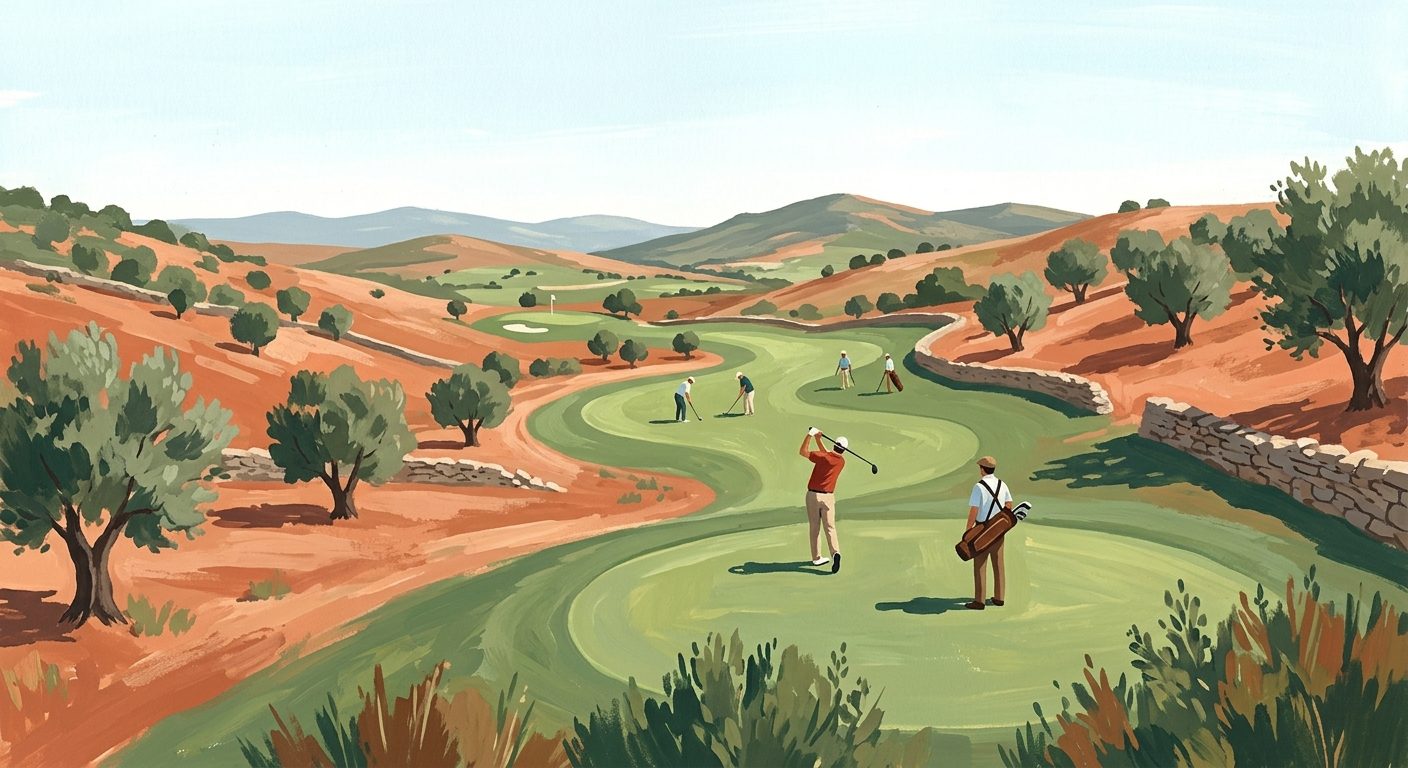
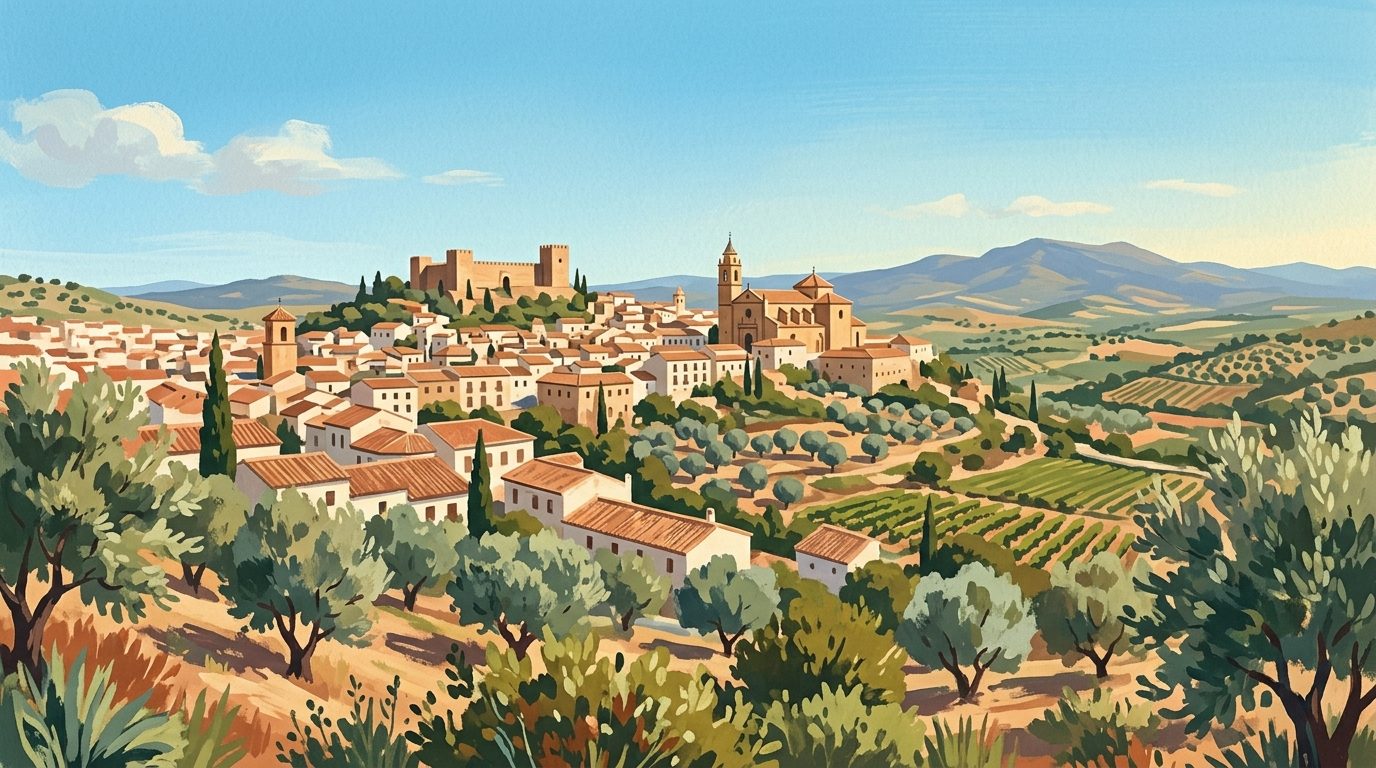
Baena sits on a limestone ridge overlooking a sea of silver-green olive trees in the south-east of Córdoba province. This is the heart of the Campiña Cordobesa, a region defined by rolling hills, fertile red earth, and a climate that produces liquid gold. While many towns in Andalucía claim a connection to olive oil, Baena holds a special status. It is the centre of its own Denominación de Origen (DO), a mark of quality that ensures the oils produced here meet rigorous standards of flavour and extraction.
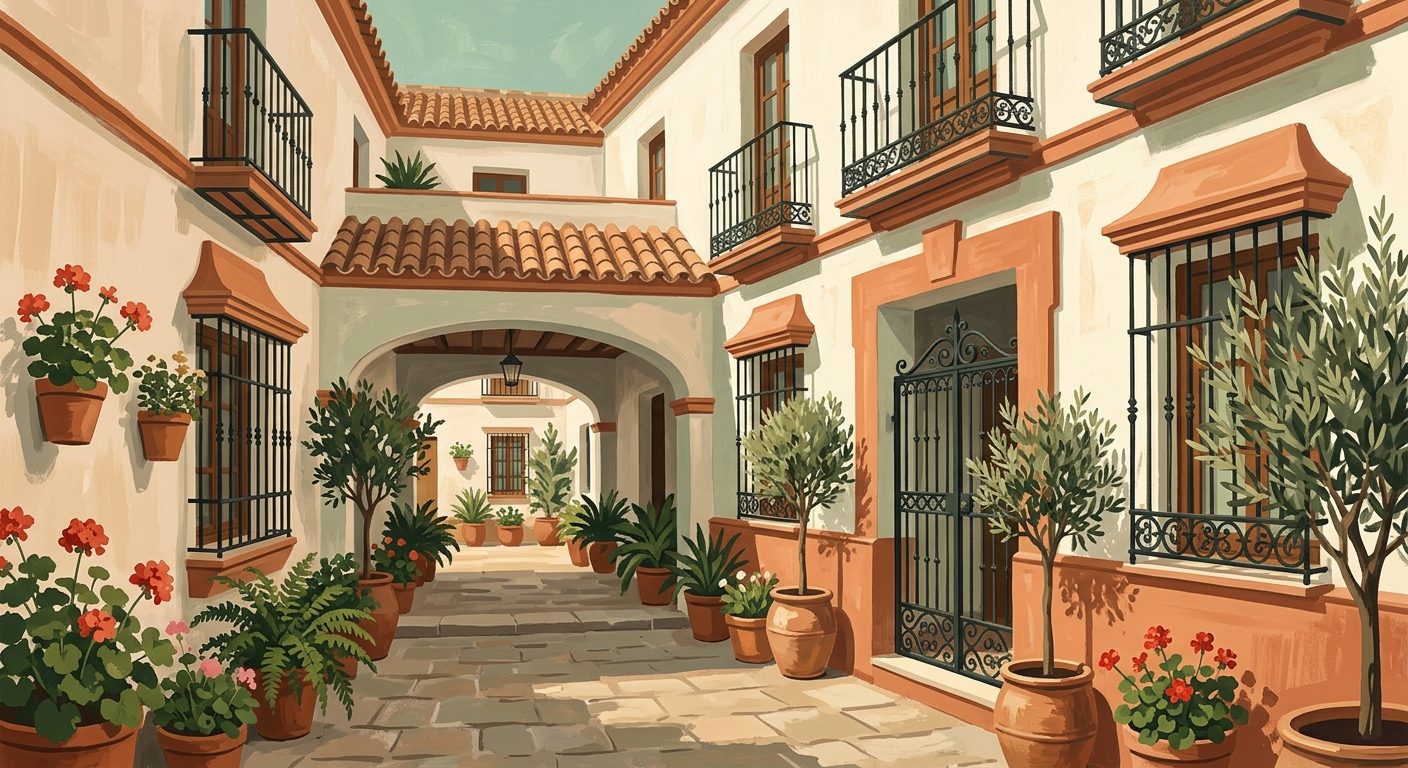
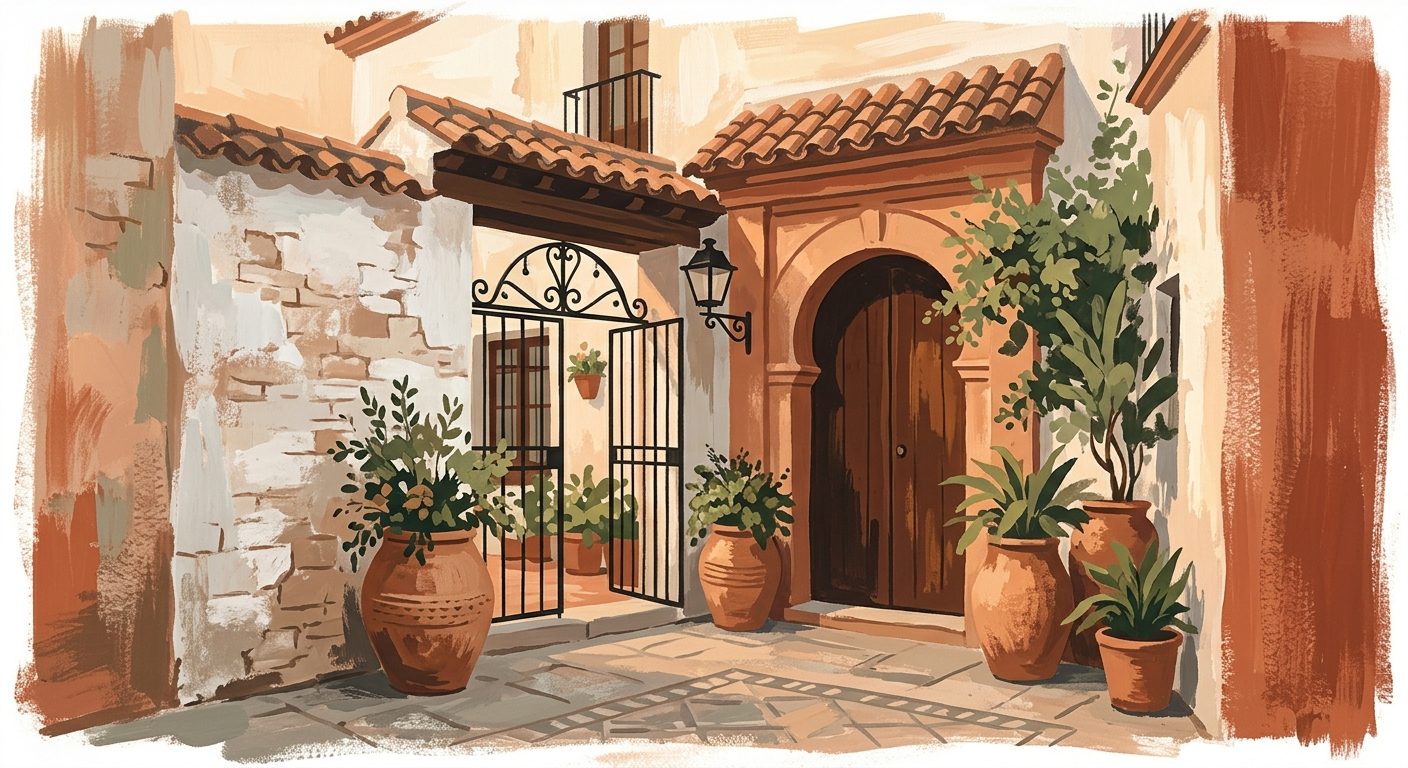
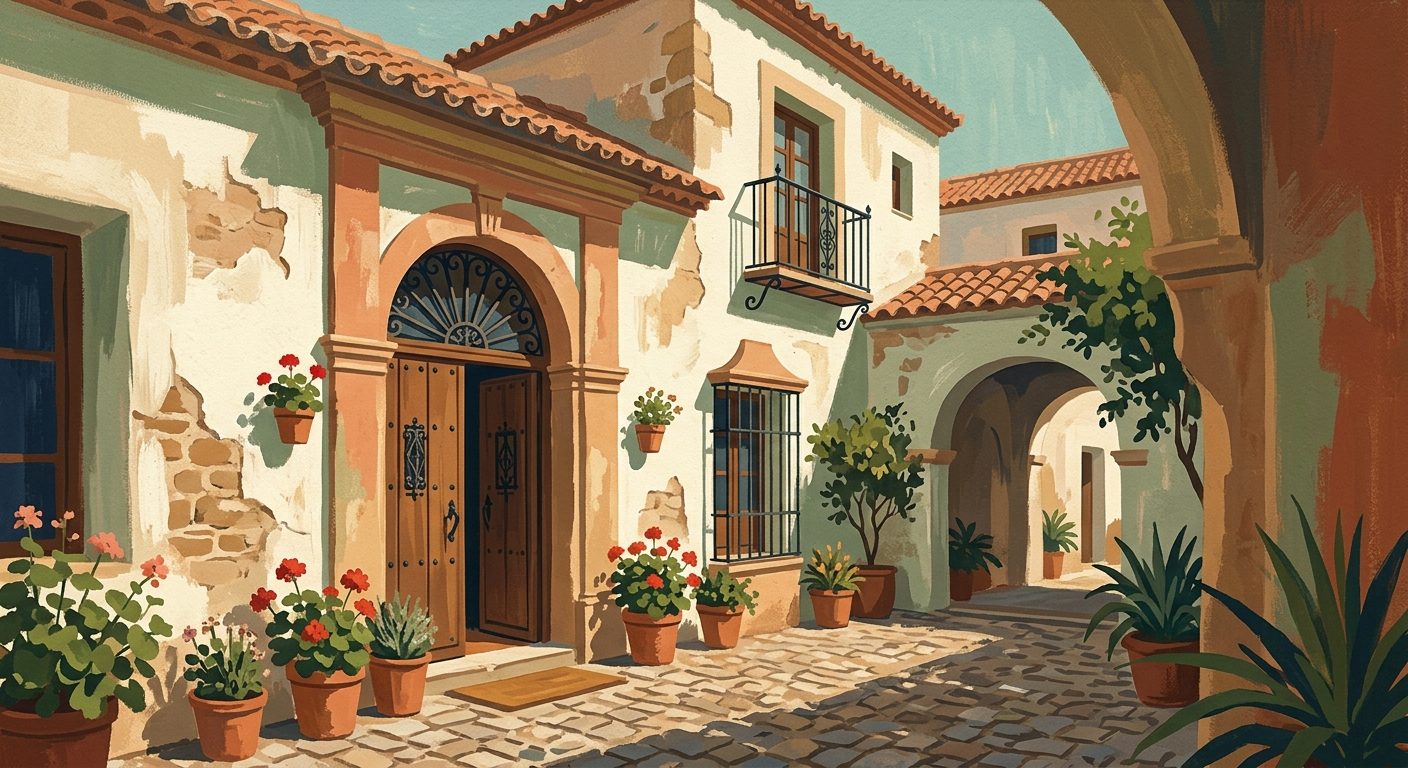
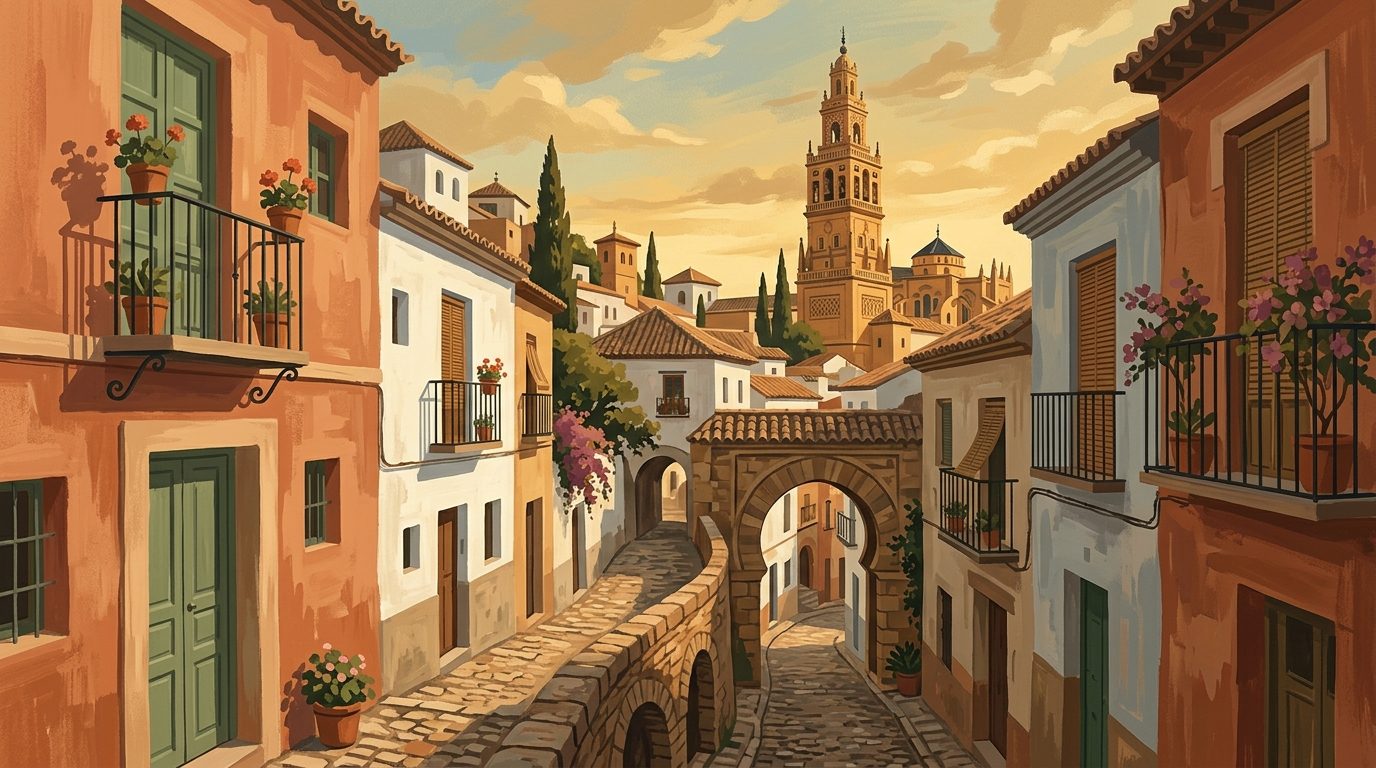
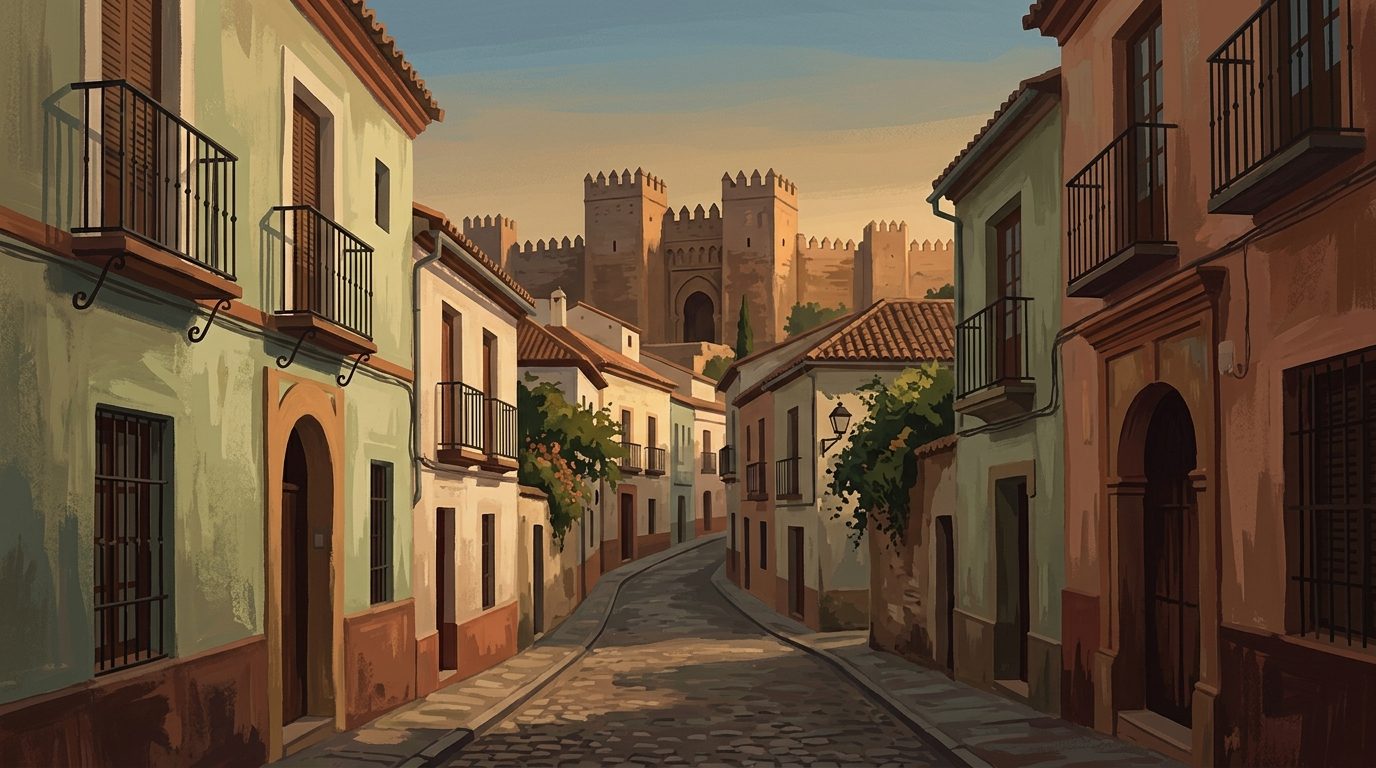
The town is split into two distinct areas. The lower, more modern town is where daily commerce happens, but the Almedina, or old quarter, is where you will find the soul of Baena. Steep, whitewashed streets lead up to the remains of the Moorish castle and the commanding Torre del Homenaje. Beyond the olive groves, Baena is renowned for its unique Holy Week traditions, where the sound of thousands of drums fills the air, and its proximity to Torreparedones, one of the most significant Roman archaeological sites in southern Spain.
What to See & Do
Museo del Olivar y el Aceite (The Olive Grove and Oil Museum)
To understand Baena, you must understand its relationship with the olive. Housed in an old mill on Calle Cañada, the Museo del Olivar y el Aceite is far more than a dry collection of tools. It provides a comprehensive look at the evolution of oil production, from Roman times to the industrial revolution. The museum displays massive stone presses and traditional milling equipment, explaining how the local varieties (Hojiblanca, Picudo, and Picual) are blended to create the complex, peppery oils the region is known for. It is an essential stop for anyone wanting to learn why the DO Baena label is so respected by chefs across Europe.
The Almedina and the Castle
The Almedina is the medieval heart of the town. Walking through these narrow, winding alleys offers a glimpse into Baena’s Moorish past. At the highest point stands the Castillo de Baena, which has undergone significant restoration. The fortress dates back to the 9th century and served as a crucial defensive point during the Reconquista. Adjacent to the castle is the Torre del Homenaje (Keep), which offers panoramic views across the Campiña. On a clear day, the perspective from the battlements allows you to see how the town was strategically placed to monitor the ancient trade routes between Córdoba and Granada.
Museo Histórico Municipal (Archaeological Museum)
Located in the Casa del Monte, an elegant 18th-century building in the Plaza de la Constitución, this museum holds the archaeological treasures found in and around the town. The star exhibits are the Roman statues recovered from nearby Torreparedones. The collection includes exceptionally well-preserved marble figures, ceramics, and coins that illustrate Baena’s importance as the Roman town of Iponuba. The museum also houses an impressive section dedicated to the Iberian culture that preceded the Romans, showing that this hilltop has been a site of human habitation for millennia.
Torreparedones Archaeological Park
Situated about 20 kilometres outside the town centre, Torreparedones is often described as the 'Pompeii of Córdoba'. This vast site contains remains of an Iberian sanctuary, a Roman forum, a market, and a thermal bath complex. The site is particularly famous for its 'Augusteum', a space dedicated to the cult of the Emperor Augustus. Walking through the paved Roman streets and standing in the centre of the forum, it is easy to imagine the scale of the city that once stood here. The site is still being excavated, so new discoveries are frequently integrated into the guided tours.
Iglesia de Santa María la Mayor
This church is a fine example of the transition from Gothic to Renaissance architecture in the region. Built on the site of a former mosque, the interior features a stunning Plateresque altarpiece and a collection of religious art. Its position next to the castle makes it a focal point of the upper town. During Semana Santa, the plaza outside the church becomes the stage for the 'battle of the drums', a spectacle where the town’s two rival fraternities, the Coliblancos (white-tails) and Colinegros (black-tails), compete in a deafening display of percussion.
Practical Information
Opening Times & Ticket Prices
Museo del Olivar y el Aceite: Open Tuesday to Saturday 10:30 to 13:30 and 17:00 to 19:00, and Sundays 10:30 to 13:30 (seasonal variations apply; check the official Baena Cultura website before travelling). Entry is approximately €3.00.
Museo Histórico Municipal: Typically open Tuesday to Sunday mornings. Evening hours vary by season. Entry is approximately €2.00 (check the Baena Cultura portal for up-to-date pricing).
Torreparedones: Visiting requires a prior booking. Tickets can be purchased online via the official Baena Cultura portal or at the Tourism Office in Calle Virrey del Pino. Tours typically run on Friday, Saturday, and Sunday mornings. Check the official website for current ticket prices and shuttle availability from the town centre before your trip.
How to Get There
Baena is located approximately 60 kilometres south-east of Córdoba city. The most direct route is via the N-432 motorway, a journey of about 45 to 55 minutes by car. If you are travelling from Granada, the N-432 also connects directly, taking roughly an hour and fifteen minutes.
Public transport is primarily provided by Autocares Carrera, now part of the CosmenBus group (check the CosmenBus website for current Córdoba to Baena timetables), with several daily buses running between Córdoba and Baena. The bus station is located in the lower part of the town, about a 15-minute uphill walk from the Almedina.
Parking
Parking in the Almedina (the old town) is very difficult due to the narrow streets. It is better to park in the lower town, near the Plaza de la Constitución or in the designated parking areas near the municipal park, and walk up. There is a large public car park on Calle Salvador Muñoz which is convenient for accessing both the modern shops and the historic climb.
Where to Eat Nearby
For a traditional experience, Mesón La Cordobesa is a local favourite. It serves classic dishes such as salmorejo (a thick cold tomato soup) and flamenquín (breaded pork rolls filled with ham and cheese), always highlighting the local olive oil. Another excellent choice is Restaurante Casa del Monte, located in the same building as the archaeological museum. It offers a more refined menu, often featuring seasonal game and creative salads that make the most of the DO Baena oils. For something more casual, try the tapas at Bar El Museo, where you can sample habas con jamón (broad beans with ham) while surrounded by local residents.
Where to Stay
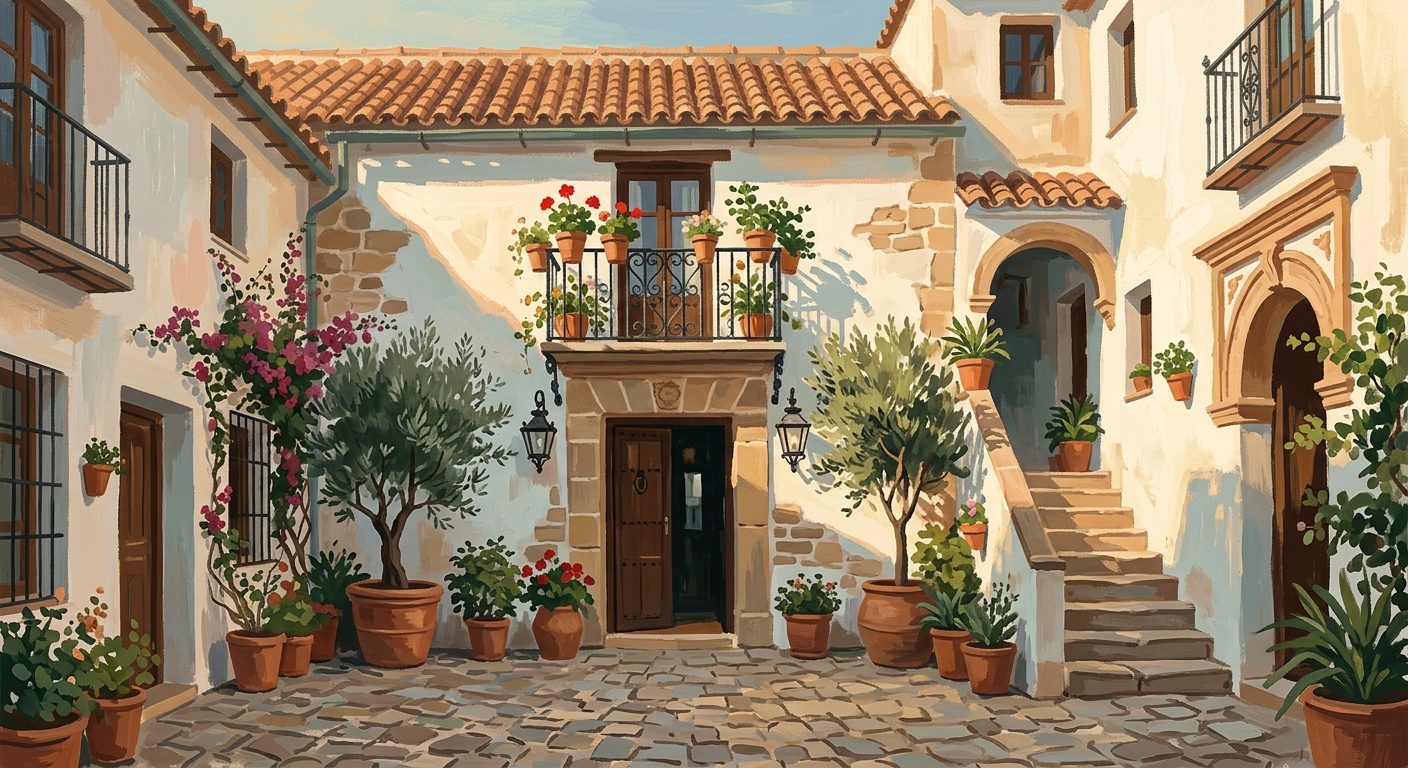
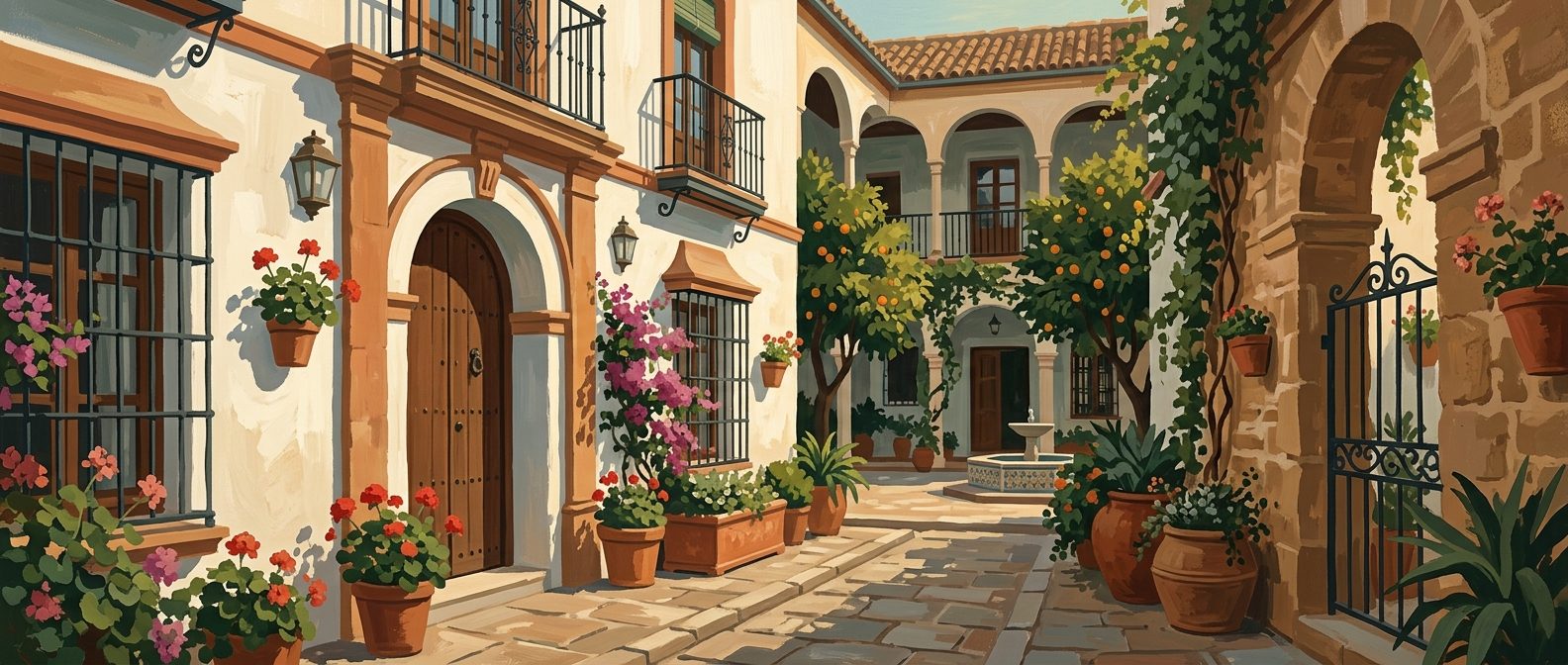
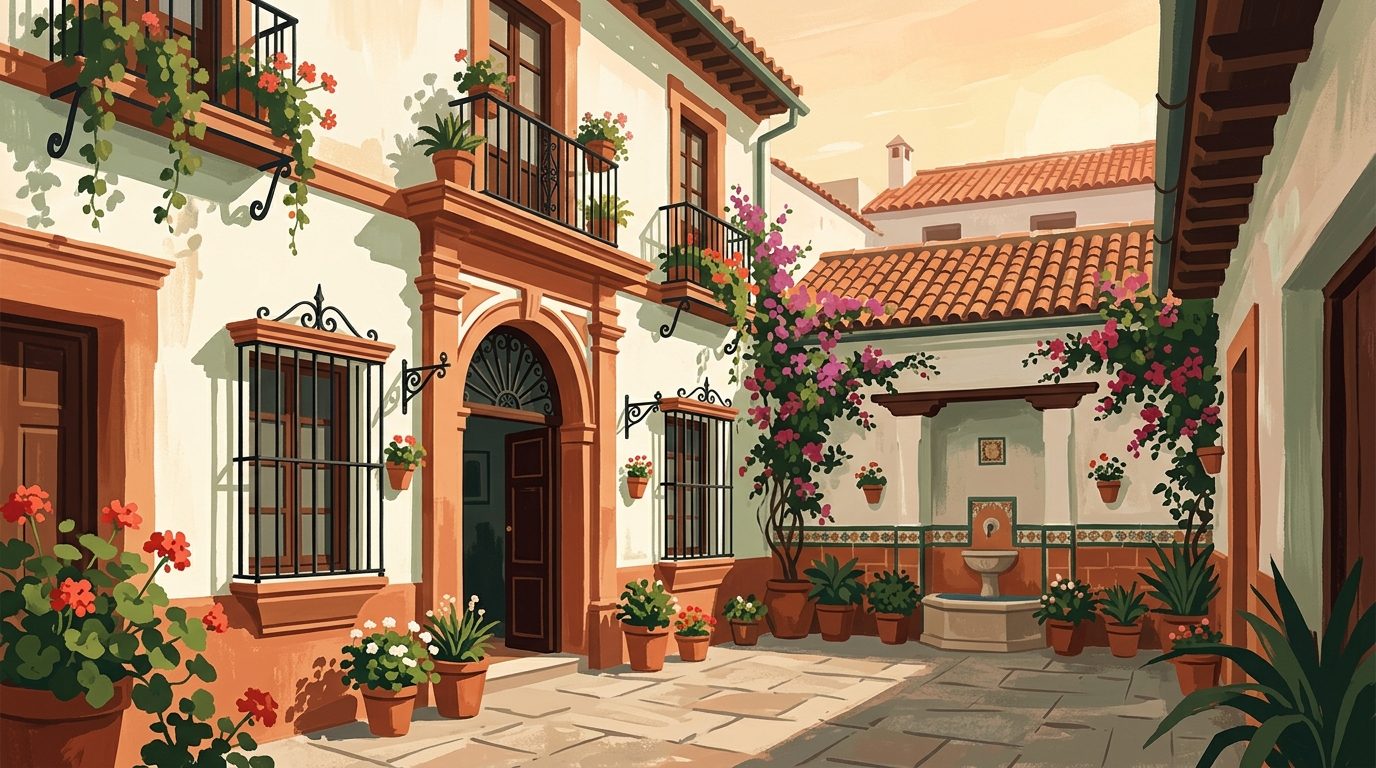
Accommodation in Baena is generally modest but welcoming. Hotel La Casa del Maestro is a charming boutique option located in the heart of the old town, offering a traditional courtyard and rooms decorated with local crafts. For those seeking more modern amenities, Hotel Torre Blanca is situated at the entrance of the town. It provides comfortable, spacious rooms and is a practical base if you plan to explore the surrounding wineries and olive estates by car.