
attraction · Córdoba
Casa del Inca Garcilaso
Andalucía 365 · Updated 18 July 2026
Our Verdict
“The Casa del Inca Garcilaso offers a rare, tangible link to the complex transatlantic exchange of the Spanish Golden Age. While the literary exhibits are understandably niche, the wonderfully preserved sixteenth-century architecture, historical cellar, and peaceful central courtyard make it a highly rewarding stop for independent travellers exploring the Cordoban wine country.”
Last verified: July 2026
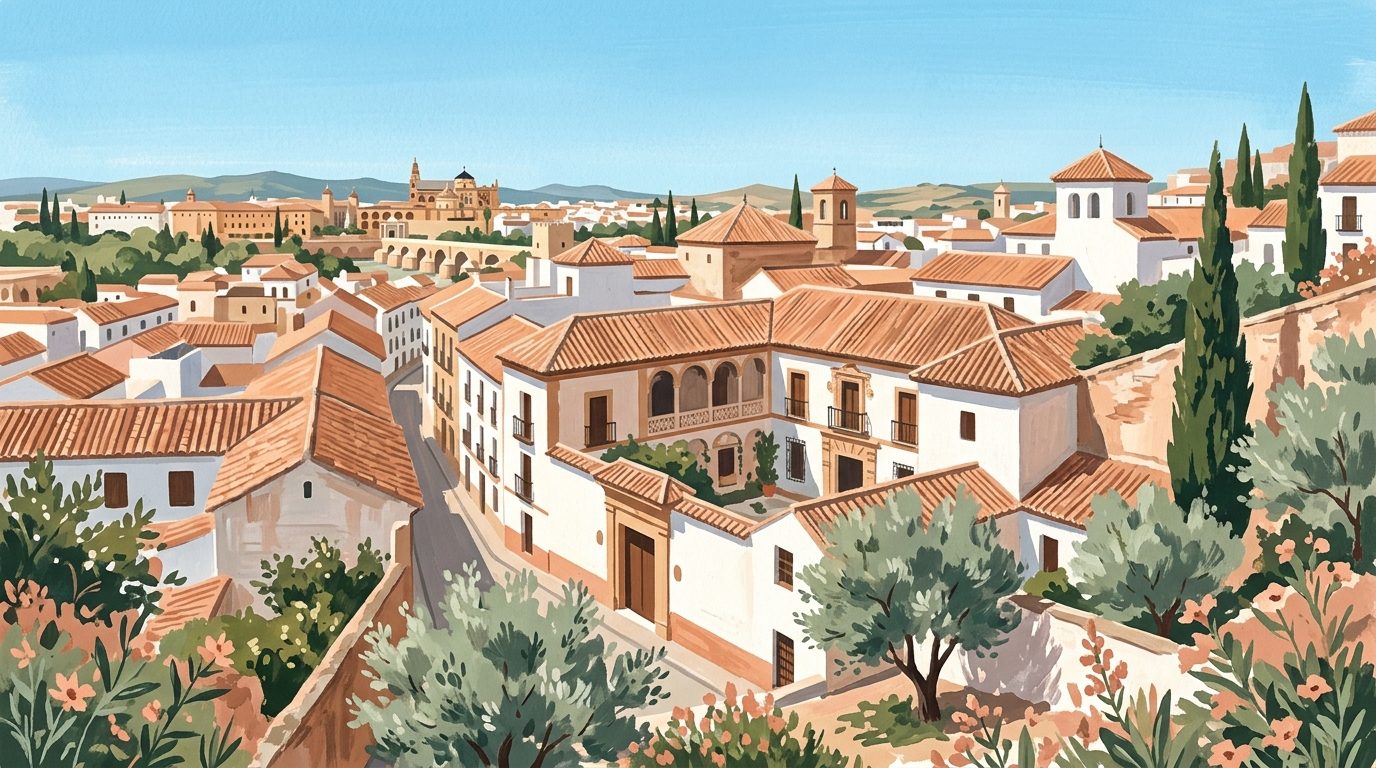
Behind a sober, whitewashed façade on Calle Capitán Alonso de Vargas stands a sixteenth-century aristocratic home that witnessed the birth of Latin American literature. For three decades, this was the residence of Gómez Suárez de Figueroa, far better known to history as El Inca Garcilaso de la Vega. Born in Cusco to a Spanish conquistador and an Inca princess of royal blood, Garcilaso was the first great mestizo author to achieve renown in Europe. He managed to blend the memory and oral histories of the Andes with the intellectual rigour of Renaissance Spain. Today, the Casa del Inca Garcilaso operates as a dedicated museum, offering visitors an atmospheric window into his dual heritage and prolific output.
The house matters not just as a remarkably well-preserved example of Andalucía's domestic architecture, but as a physical symbol of transatlantic cultural exchange during the Spanish Golden Age. Visitors see the exact rooms where Garcilaso wrote his most influential texts, surrounded by period furnishings and original documents. It is an essential and thought-provoking stop for literature students and history enthusiasts, while remaining a highly accessible, quiet retreat for independent travellers exploring the Cordoban countryside.
The Renaissance Manor and Courtyard
The building retains the classic layout of a sixteenth-century rural estate. Upon crossing the threshold, visitors enter a traditional central courtyard, which served as the structural and social heart of the household. The architecture is defined by its quiet strength and simplicity. Heavy wooden ceiling beams, thick stone walls designed to keep the summer heat at bay, and worn terracotta flooring ground the space in its historical context.
This open-air core allowed light and air to circulate through the adjoining rooms. Walking through the ground floor, you get a strong sense of the contemplative, isolated environment Garcilaso cultivated. After his military service, he retreated to this quiet corner of Andalucía to focus entirely on his extensive writing, historical research, and translation projects.
The Historic Cellar
Attached to the main living quarters is the traditional bodega, the original cellar of the estate. This space underscores Montilla's long-standing connection to viticulture and agriculture. It offers a clear picture of how wine, olive oil, and grain were stored to sustain a wealthy household during the 1500s. Garcilaso himself would have overseen the agricultural yields of his local lands, and the cellar remains a testament to the practical, daily realities of running a sixteenth-century manor.
The heavy stone arches and cool temperatures of the bodega provided the ideal conditions for preserving provisions. Today, the cellar connects the literary history of the house with the enduring agricultural traditions of the surrounding Campiña Cordobesa.
Literary Exhibits and the Library
The upper floor is entirely dedicated to Garcilaso's complex identity and literary achievements. The museum displays early editions of his texts alongside maps and colonial-era documents that illustrate the Spanish administration of Peru. The space features a specialised Americanist library, housing volumes that contextualise the intellectual world of the Renaissance and the transatlantic exchange.
Exhibits highlight his most famous works, including La Florida del Inca, an account of Hernando de Soto's expedition, and his masterwork, Comentarios Reales de los Incas. In the latter, Garcilaso chronicled the history, customs, and traditions of the Inca people from a sympathetic, indigenous perspective. You will also find references to his translation of Diálogos de Amor by León Hebreo, which cemented his reputation in Spanish literary circles. Look out for the detailed genealogical charts on display, which trace his lineage and illustrate his unique position as a man who proudly defended his dual nobility.
Practical Information and Accessibility
Montilla is located approximately 45 kilometres south of the provincial capital, making it an easy addition to day trips from Córdoba. If travelling by car, the A-45 motorway provides a direct route. Street parking is available near the historical centre, though the medieval street plan means spaces can be tight. Regular bus services also run from the Córdoba bus station to Montilla, taking just under an hour. Once in town, the house is a short walk from the central Plaza de la Rosa.
Following major municipal investments, the Casa del Inca Garcilaso is highly accessible. Elevators, discrete ramps, and levelled pathways were installed to help visitors negotiate the historic split levels, including the previously difficult steps down into the bodega and the sacristy. The site is largely navigable for visitors with reduced mobility or pushchairs, a rarity for a protected sixteenth-century building.
You should always verify opening arrangements directly on the official Montilla Turismo website before planning your journey.
What to Pair it With
You should allow between 45 and 60 minutes to thoroughly view the rooms, the courtyard, and the exhibits. Because it is a compact site, it pairs perfectly with the broader attractions of Montilla. The town is famous for its unique natural flor wines, so consider booking a tasting at one of the nearby historic bodegas after your visit. You can also take a short walk to the remains of the Castle of Montilla, which provides further historical context and excellent views.
For further cultural depth, visit the nearby Casa de las Aguas, which houses the Garnelo Museum and the remarkable Manuel Ruiz Luque Library. If you have a vehicle, you can spend the afternoon exploring the octagonal plaza and vineyards of neighbouring Aguilar de la Frontera, or dive deeper into the surrounding Montilla-Moriles Wine Region.
Nearby worth your time
A few well-placed stops for extending the day without turning it into a checklist.
Continue through Campiña Cordobesa & Wine Region
Step back into the wider landscape with local guides, nearby places and the province overview.
Things to do · 10 min
Golf in Córdoba Province: Courses, Holidays, and Shops
Discover practical tips, course details, and holiday planning advice for playing golf in Córdoba province, from the mountain fairways of Sierra Morena to the historic greens of Los Pedroches.
Feature · 8 min
The Caliphate of Córdoba
In 929, Abd al-Rahman III declared himself Caliph, breaking religious ties with the Middle East and launching an era of unparalleled architectural and intellectual achievement.
Itinerary · 9 min
A Weekend in Cordoba: Two Days in Andalucía's Caliphate City
Spend 48 hours in Cordoba exploring the mesmerising Mezquita, getting lost in the whitewashed streets of the Judería, and eating excellent salmorejo.