
attraction · Huelva
Espadaña Puerta del Castillo
Andalucía 365 · Updated 18 July 2026
Our Verdict
“While architectural purists may dismiss the Espadaña Puerta del Castillo as a modern imitation, it remains undeniably photogenic. It provides a dramatic, scene-setting entrance to the genuine medieval summit. Acknowledge its 20th-century origins, appreciate the spectacular framing it offers for your photographs, and enjoy the sweeping views across the northern Huelva mountains.”
Last verified: July 2026
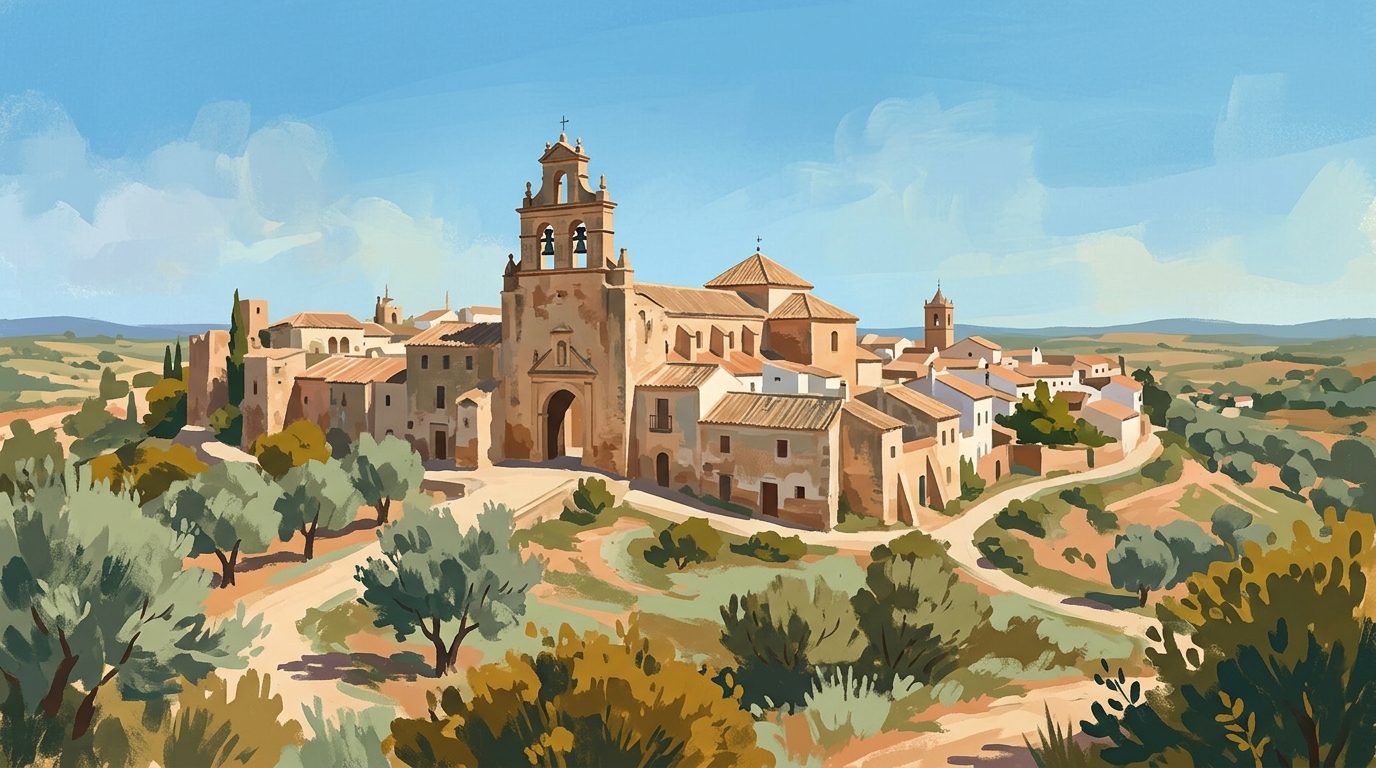
Rising prominently on the approach to Aracena's hilltop fortress, the Espadaña Puerta del Castillo presents a striking silhouette of red brick, a sweeping horseshoe arch, and four iron bells. Positioned on the Cerro del Castillo, this bell gable frames the final ascent to the Priory Church of Nuestra Señora del Mayor Dolor. While it appears to be an organic extension of the 13th-century Islamic and Christian fortifications, it holds a surprising secret. The structure has become the definitive visual symbol of the town, offering both a dramatic entrance to the summit and exceptional vantage points over the terracotta roofs of the Sierra de Aracena.
A 20th-Century Romantic Recreation
For decades, visitors and guidebooks have praised the Espadaña Puerta del Castillo as a masterful example of medieval Mudéjar architecture, representing the transition from Almohad military design to Christian religious use. This is entirely incorrect. Archival photographs reveal that the structure did not exist before the mid-20th century. Originally, a simple gate marked the entrance to the church grounds. The current bell gable is a modern recreation commissioned by Florentino Pérez Embid, a prominent local figure and historian who directed extensive restorations on the hill. Designed to house the bells that call devotees to worship the town's patron saint, the structure is a romanticised pastiche. It borrows heavily from authentic Andalucían styles, utilising interlaced brickwork and pointed horseshoe arches to blend seamlessly with the genuine medieval ruins nearby.
Architectural Details and the Ascent
The climb to the espadaña is an integral part of the experience, offering a physical connection to the geology and history of the region. Visitors typically follow the cobbled trails that wind up the Cerro del Castillo. This hill is a geological marvel in its own right, composed of calc-silicate rocks and marbles. The same endokarst processes that shaped these surface rocks also hollowed out the famous Gruta de las Maravillas directly beneath your feet. As you navigate the route, flanked by the rugged, dark masonry of the original 13th-century fortress walls, the bell gable commands attention. The design relies on the stark visual contrast between its bright, refined clay bricks and the weathered stone of the authentic castle. The structure features a wide lower archway that visitors pass through, topped by a multi-tiered gable containing the bells. Photographers will notice how the warm afternoon light catches the textured brickwork, creating long shadows across the castle courtyard.
Panoramic Views Over the Sierra
Standing directly beneath the Espadaña Puerta del Castillo provides one of the finest viewpoints in northern Huelva. From this elevation, the white houses and terracotta tiles of Aracena spread out in a dense mosaic, punctuated by the towers of lower parish churches and the open squares of the historic centre. Beyond the town limits, the landscape rolls into the dense chestnut, holm oak, and cork oak forests of the protected natural park. This vantage point clearly demonstrates why the original Islamic rulers, and later the Christian knights of the Order of the Temple, chose this specific limestone hill for their fortress. It commands a sweeping line of sight over the valleys connecting Andalucía with Extremadura, allowing defenders to spot approaching forces from miles away. It is an exceptional location for landscape photography, particularly as the sun drops behind the western ridges.
Terrain and Accessibility
Reaching the monument requires physical effort. The bell gable is situated near the summit of the Cerro del Castillo. The most direct pedestrian route begins near the Plaza Alta, following a steep path paved with uneven cobbles. The ascent offers little shade, making it a demanding walk during the height of summer. Visitors must wear sturdy walking shoes with reliable grip, as the stones become highly polished and slippery, particularly after rain. While a tourist train occasionally runs up the hill, providing an alternative to walking, the immediate area around the espadaña and the final approaches still require navigating uneven ground. There are no facilities, water fountains, or shops at the summit, so visitors should carry their own supplies.
Planning Your Visit
The Espadaña Puerta del Castillo is an open-air monument, accessible at any time as part of the exterior castle grounds. Passing through the archway and admiring the sweeping views is free of charge. However, visitors wishing to explore the interior of the adjacent 13th-century Priory Church or take a guided tour of the excavated castle ruins will need to purchase tickets. These excavations have revealed fascinating details about the domestic lives of the Islamic garrison that once occupied the summit. For the most accurate details regarding guided tours of the fortress, visitors should confirm directly with the Aracena tourism office.
To make a complete day of your time in the mountains, pair the uphill climb with a descent into the cool, subterranean chambers of the town's famous caves. For more context on the surrounding landscape and its culinary heritage, read our guide to Exploring Aracena: From Subterranean Wonders to Gourmet Traditions. Those interested in wider regional exploration can spend days Exploring the Sierra de Aracena: Oak Forests, Ancient Mosques, and the World's Finest Ham. Active travellers might also enjoy Hiking and Walking in Huelva: Trails from the Mountains to the Atlantic, as several excellent circular trails begin directly from the base of the castle hill. Finally, food enthusiasts should head west to discover Jabugo: A Guide to the World Capital of Jamón Ibérico, where the oak forests seen from the espadaña yield Spain's most prestigious cured meats.
The Candid Verdict
While architectural purists may dismiss the Espadaña Puerta del Castillo as a modern imitation, it remains undeniably photogenic. It provides a dramatic, scene-setting entrance to the genuine medieval summit. Acknowledge its 20th-century origins, appreciate the spectacular framing it offers for your photographs, and enjoy the sweeping views across the northern Huelva mountains.
Nearby worth your time
A few well-placed stops for extending the day without turning it into a checklist.
Continue through Sierra de Aracena y Picos de Aroche
Step back into the wider landscape with local guides, nearby places and the province overview.
Place guide · 7 min
Playa de Castilla: The Wild Frontier of the Doñana Coastline
Playa de Castilla is a vast, 20-kilometre stretch of wild Atlantic coastline bordered by the spectacular orange cliffs of the Doñana National Park.
Place guide · 7 min
Playa de Isla Canela Beach Guide: Huelva Coastline
Playa de Isla Canela is a vast stretch of fine sand where the Guadiana River meets the Atlantic, famous for its shallow lagoons and family-friendly atmosphere.
Itinerary · 12 min
5 Days in Huelva: Atlantic Coast, Doñana and Sierra
A realistic five-day driving route through Huelva province, linking the maritime history of the capital with the tidal wetlands of Doñana and the chestnut forests of the Sierra de Aracena.