This Atlantic peninsula offers a blend of wild pine-backed dunes and traditional maritime culture. It is the definitive summer retreat for residents of Huelva city and those seeking world-class seafood.
Punta Umbría occupies a singular position on the Andalucían coastline. Located on a narrow peninsula between the mouth of the Odiel river and the vast Atlantic Ocean, it feels more like an island than a coastal town. For decades, it has served as the primary summer escape for residents of nearby Huelva city, maintaining a local atmosphere that many of the more international resorts along the Costa de la Luz have lost. Here, the air carries the scent of salt and pine resin, and the daily rhythm is dictated by the tides and the arrival of the local fishing fleet.
The town’s identity is split between its maritime heritage and its unique 19th-century history as a health retreat for British mining executives. For anyone walking through the scented forests of the Enebrales Natural Park or enjoying a plate of local wedge clams on the riverfront, Punta Umbría offers an authentic experience of the Huelva coast. It is a place where wide, golden beaches meet a sophisticated local food scene, making it one of the most rewarding coastal destinations in the province.
What to See & Do
The Beaches and Los Enebrales Natural Park
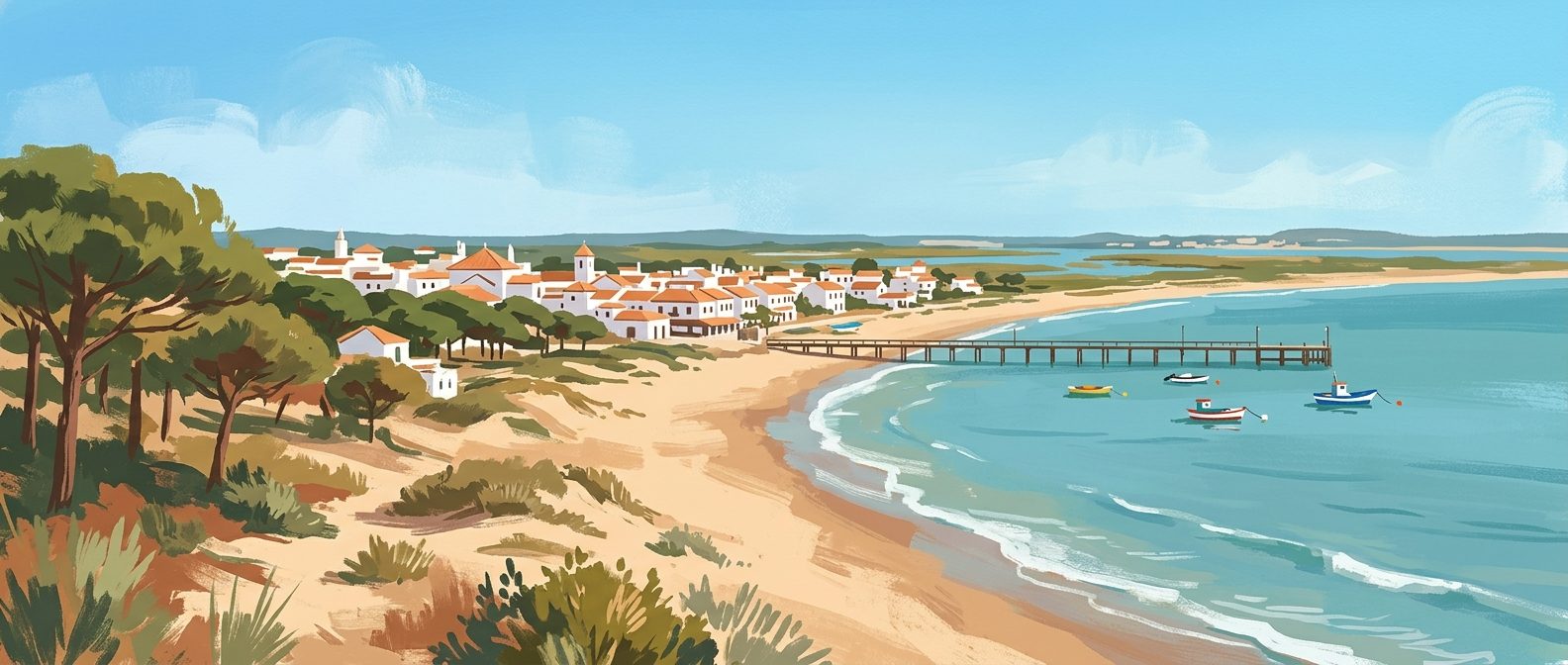
The primary draw of Punta Umbría is its extensive coastline. Unlike the built-up urban beaches further east, much of the shoreline here is protected. The Playa de los Enebrales is particularly striking. This three-kilometre stretch of golden sand is backed by a rare forest of junipers and stone pines. To reach the water, you follow wooden boardwalks that protect the delicate dune system. It is an ideal spot for those who prefer a natural setting over rows of sun loungers.
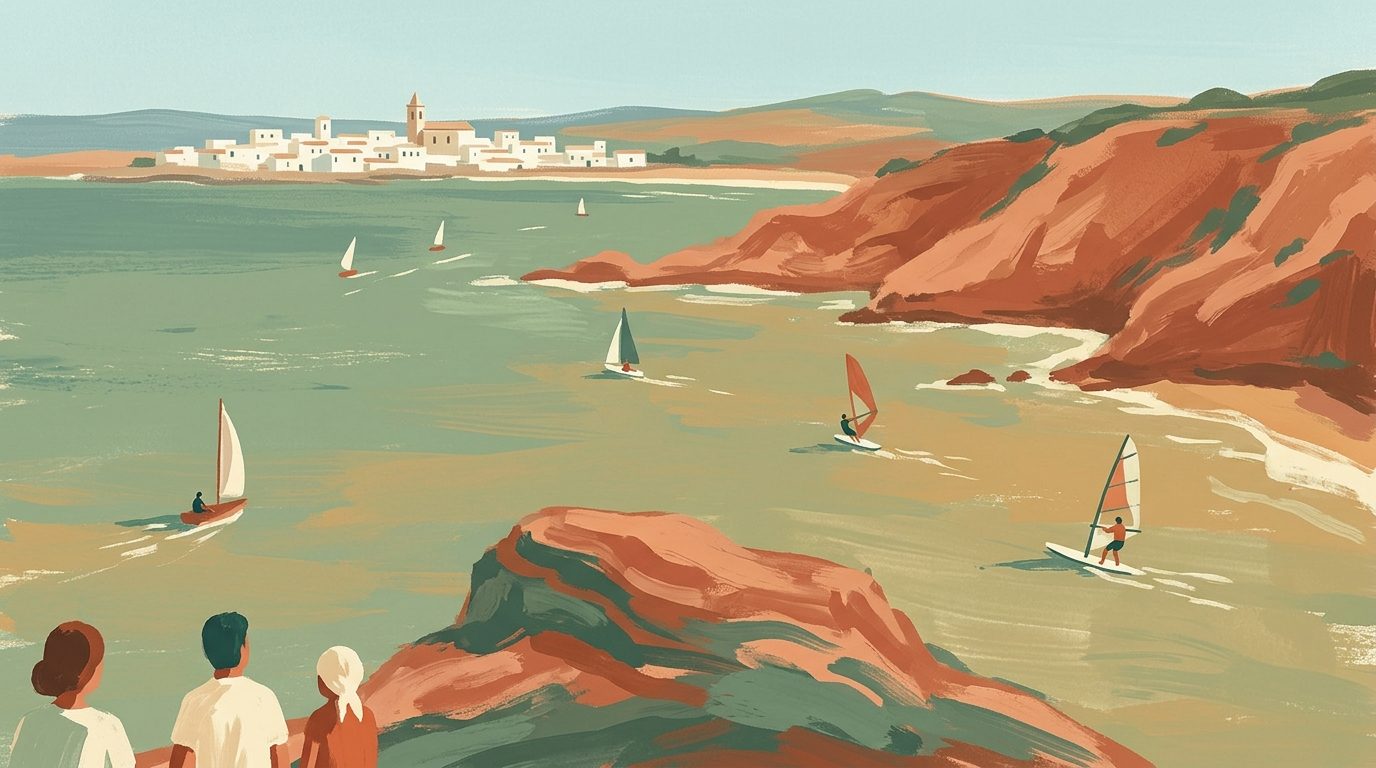
Closer to the town centre, the Playa Urbana provides more facilities, including numerous chiringuitos (beach bars) that serve grilled sardines and chilled white wine. For those interested in watersports, the Playa de la Canaleta at the very tip of the peninsula is the hub for windsurfing, kitesurfing, and sailing. The meeting of the river and the sea creates unique wind conditions that attract enthusiasts from across the region.
Casa de los Ingleses
The town’s architecture reveals a surprising British influence. In the late 19th century, the Rio Tinto Company, which operated the massive copper mines inland, chose Punta Umbría as a recovery spot for its staff. They built wooden houses on stilts, designed to catch the sea breeze and keep the occupants away from the humidity of the ground. While many of the original structures have disappeared, the Casa de los Ingleses is a faithful reconstruction that serves as a museum. It provides a fascinating look at the colonial-style lifestyle of the British 'Huelvanos' and explains how this small fishing village transformed into a health resort.
Torre Almenara (Torre de Umbría)
Standing as the oldest monument in the town, this 16th-century watchtower was part of a defensive chain designed to protect the Spanish coast from Barbary pirates. Its sturdy, tapered form is a reminder of the era when this peninsula was a strategic lookout point for the mouth of the Odiel and Tinto rivers. The tower is located in the heart of the old town, surrounded by small plazas where locals gather in the evenings.
La Canoa: The Traditional Ferry
One of the most characteristic experiences in Punta Umbría is arriving by water. 'La Canoa' is a traditional ferry service that has linked Huelva city with Punta Umbría for over a century. The 45-minute journey takes you through the Marismas del Odiel, a UNESCO Biosphere Reserve. From the deck, you can spot flamingos, ospreys, and grey herons amongst the salt marshes. It is a slow, scenic alternative to the road and lands you right at the Pasarela pier in the centre of the town.
Marismas del Odiel
While technically just outside the town limits, these marshes are essential to the Punta Umbría landscape. This wetland is one of the most important in Europe for migratory birds. You can explore the fringes of the reserve via cycling paths or book a guided boat tour from the Punta Umbría marina. The interplay of light on the water and the silence of the salt pans offer a stark, beautiful contrast to the lively atmosphere of the beach front.
Practical Information
How to Get There: Punta Umbría is approximately 20 kilometres from Huelva city. By car, follow the H-31 and then the A-497. If you are travelling from Sevilla, the journey takes roughly one hour and fifteen minutes via the A-49 motorway. For those using public transport, the DAMAS bus company runs a frequent service from Huelva’s central bus station, with tickets costing roughly €2.00 each way. The 'Canoa' ferry typically operates between Huelva’s Muelle de Levante and Punta Umbría during the peak summer months of July and August (check on the operator's website before travelling); tickets are approximately €4.50 for a single journey.
Opening Times & Prices:
- Casa de los Ingleses: Generally open Tuesday to Sunday. Outside of the summer season, hours are typically 10:00 to 14:00. Summer hours (July to August) are usually 10:00 to 14:00 and 18:00 to 21:00 (check on the operator's website before travelling). Entry is €2.00.
- Torre Almenara: The exterior can be viewed at any time. Occasional guided tours of the interior are organised by the local tourist office.
- Parking: During the summer months, parking in the town centre and near the beaches is regulated by the 'Zona Azul' (Blue Zone) payment system. Large seasonal car parks are available at the entrance to the town near the Avenida de Andalucía.
Where to Eat Nearby
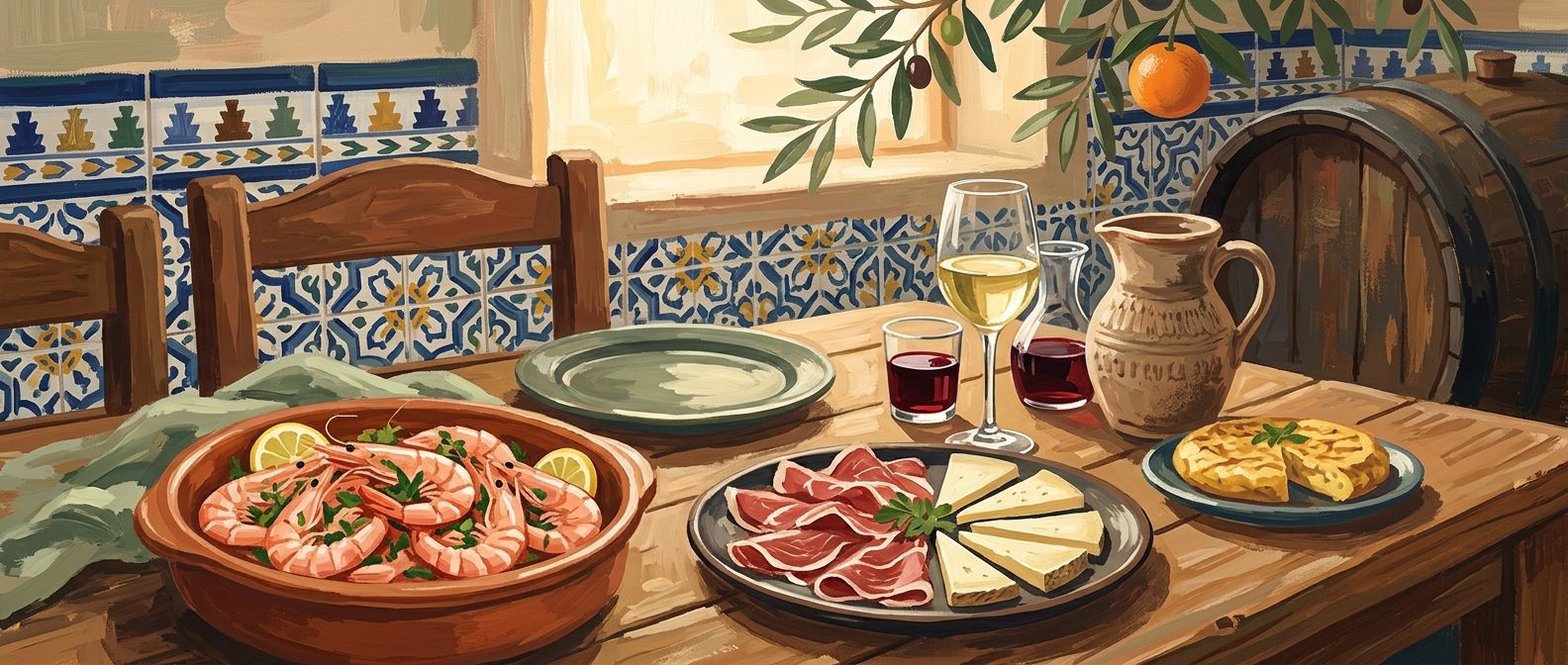
The culinary scene here focuses on 'km 0' seafood. Restaurante El Marinero is a local institution, famous for its arroz a banda and local white prawns. For a more contemporary take on Huelva’s produce, Restaurante Azabache offers high-quality fish such as corvina (meagre) and the essential coquinas de Huelva (small wedge clams sautéed with garlic and parsley). If you prefer a casual setting, Chiringuito El Derrape on the sand provides excellent grilled sardines and choquitos (small cuttlefish) with a view of the Atlantic sunset.
Where to Stay
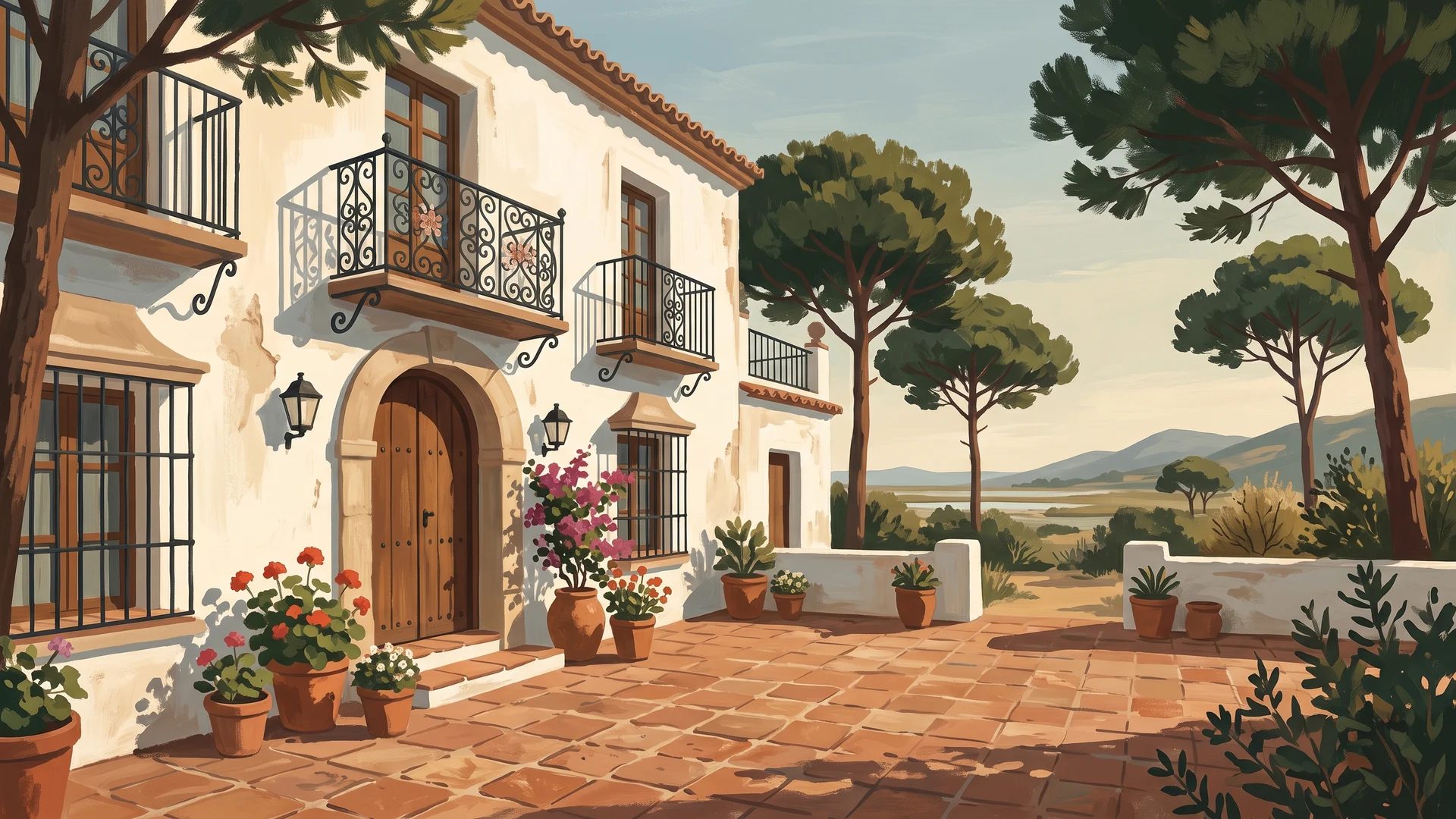
Accommodation ranges from large family resorts to smaller, traditional hotels. The Barceló Punta Umbría Beach Resort is a sprawling complex located right at the edge of the Enebrales Natural Park, offering extensive facilities for families. For something closer to the town’s heritage, Hotel Pato Amarillo is a long-standing favourite situated just metres from the main beach. Those seeking a quieter experience should look for boutique apartments near the Ría, which offer views of the fishing harbour and the salt marshes.