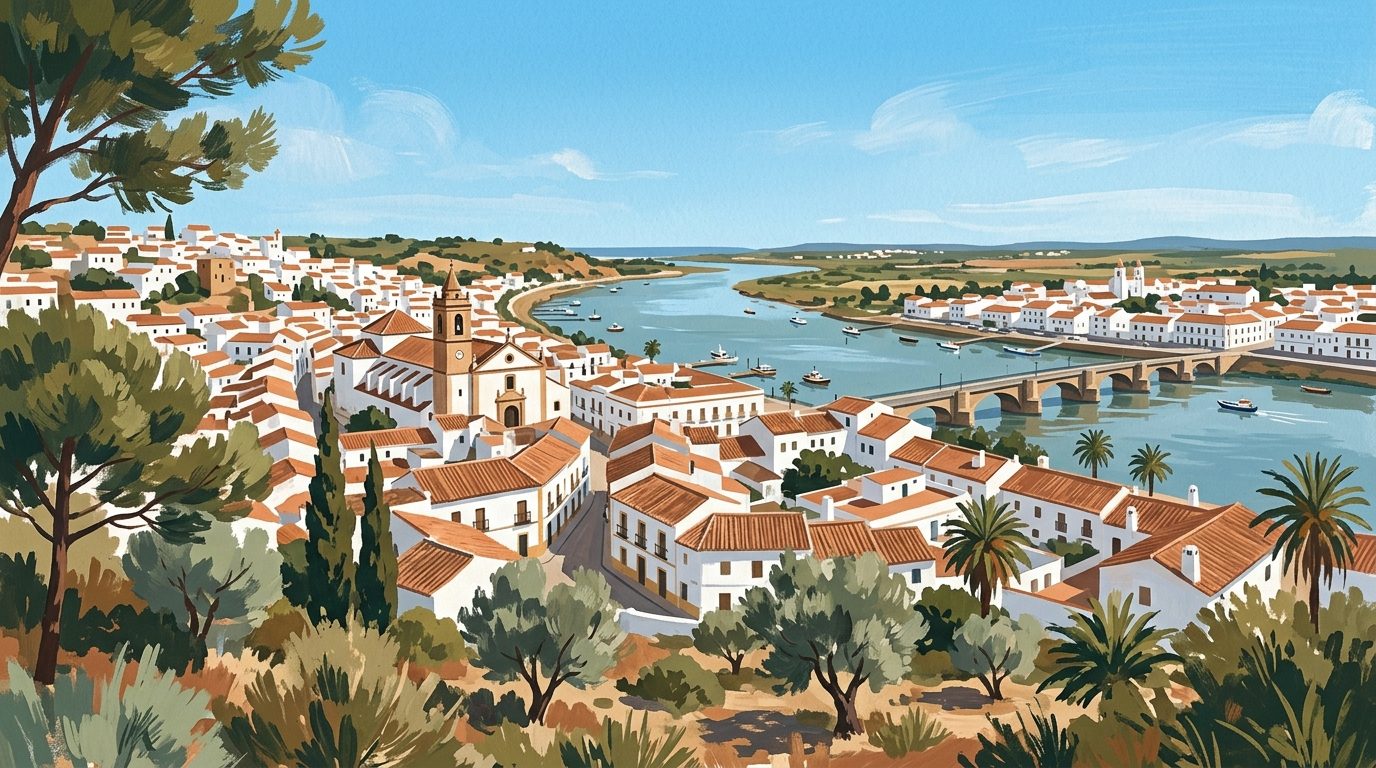
Ayamonte sits at the mouth of the Guadiana River, a handsome border town that looks across the water to the Portuguese Algarve. It is a place of white-walled plazas, salt-scented air, and some of the finest Atlantic seafood in the province of Huelva.
Ayamonte occupies a unique position in the geography of Andalucía. Located at the westernmost tip of the Huelva coastline, it serves as the final Spanish outpost before the landscape shifts into the Portuguese territory of the Algarve. Unlike many border towns that feel transient or purely functional, Ayamonte has a distinct, self-assured character defined by its maritime heritage and its relationship with the river. Life here moves to the rhythm of the tides and the frequent passage of the ferry that connects the Spanish banks with the town of Vila Real de Santo António across the water.
The town is split into several distinct zones: the historic centre with its traditional Andalucían architecture, the fishing port where the day’s catch is landed, and the modern coastal developments of Isla Canela and Punta del Moral. For visitors, the appeal lies in this variety. You can spend a morning exploring 16th-century churches and quiet plazas, and an afternoon on a seven-kilometre stretch of golden sand facing the Atlantic. The influence of Portugal is visible in the local shops selling linens and the occasional Portuguese phrase heard in the market, but the heart of Ayamonte remains firmly Spanish.
What to See & Do in Ayamonte
The Old Quarter and Plazas
The historic heart of Ayamonte is best explored on foot. Start at the Plaza de la Laguna, the social centre of the town. This pedestrianised square is framed by traditional buildings and lined with cafes where locals gather for breakfast. The benches are decorated with intricate ceramic tiles (azulejos) depicting historical scenes, a common feature in this part of Huelva. Nearby, the Barrio de la Ribera contains the town’s commercial streets, filled with independent shops and small bars.
Architecture enthusiasts should seek out the Parroquia de Nuestra Señora de las Angustias. This 16th-century church was built over an earlier temple and features a blend of Renaissance and Mudéjar styles. Inside, the image of the Virgen de las Angustias, the town’s patron saint, is a focal point of local devotion. Higher up in the town, in the Barrio Alto, the Church of San Salvador offers a vantage point over the river and the Guadiana International Bridge. This area, the oldest part of Ayamonte, consists of steep, narrow streets and whitewashed houses that provide a glimpse into the town's medieval past.
Crossing the Guadiana: The Portugal Ferry
One of the most characteristic experiences in Ayamonte is taking the ferry across the river to Vila Real de Santo António. While the modern road bridge further upstream is the faster way to cross by car, the ferry offers a more scenic ten-minute journey. From the deck, you get an expansive view of the Ayamonte waterfront and the wide estuary. Upon arrival in Portugal, you are met with a completely different architectural style, the Pombaline grid system of Vila Real. It is a popular excursion for lunch, though remember to adjust your watch, as Portugal is one hour behind Spain.
Isla Canela and Punta del Moral
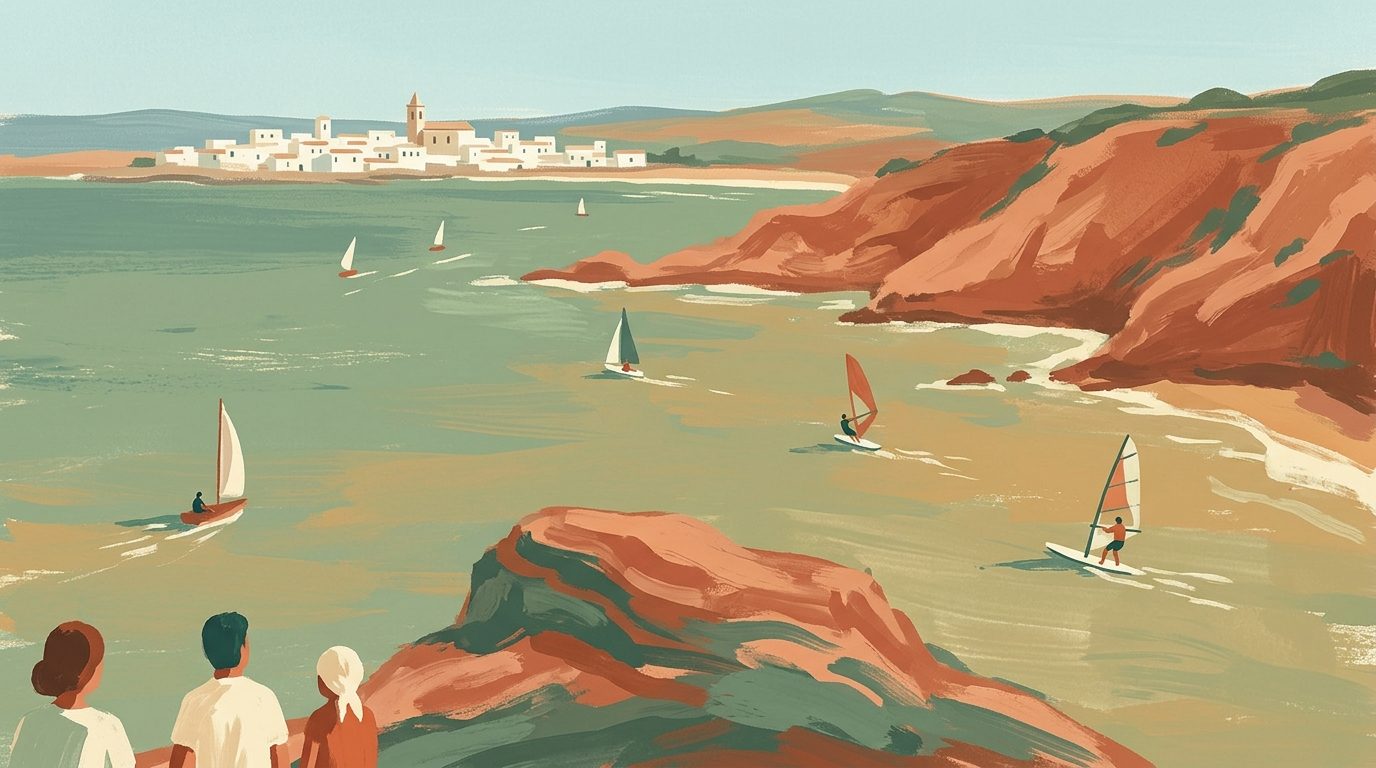
A few kilometres from the town centre lie the coastal areas of Isla Canela and Punta del Moral. Isla Canela is a low-lying island accessible by a bridge, known for its vast beach that stretches toward the river mouth. Because of its position on the Atlantic, the winds here are ideal for kitesurfing and windsurfing, and the waters remain relatively shallow for a long distance, making it a safe choice for families.
Further east along the same stretch of coast is Punta del Moral. This was once a simple fishing village and still retains a working harbour. It is the best place in Ayamonte to observe the fishing fleet. The area is famous for its almadraba tuna and deep-sea prawns. Walking along the promenade here at sunset, you can watch the boats returning with the day's catch, which will appear on restaurant menus just a few hours later.
Molino de El Pintado
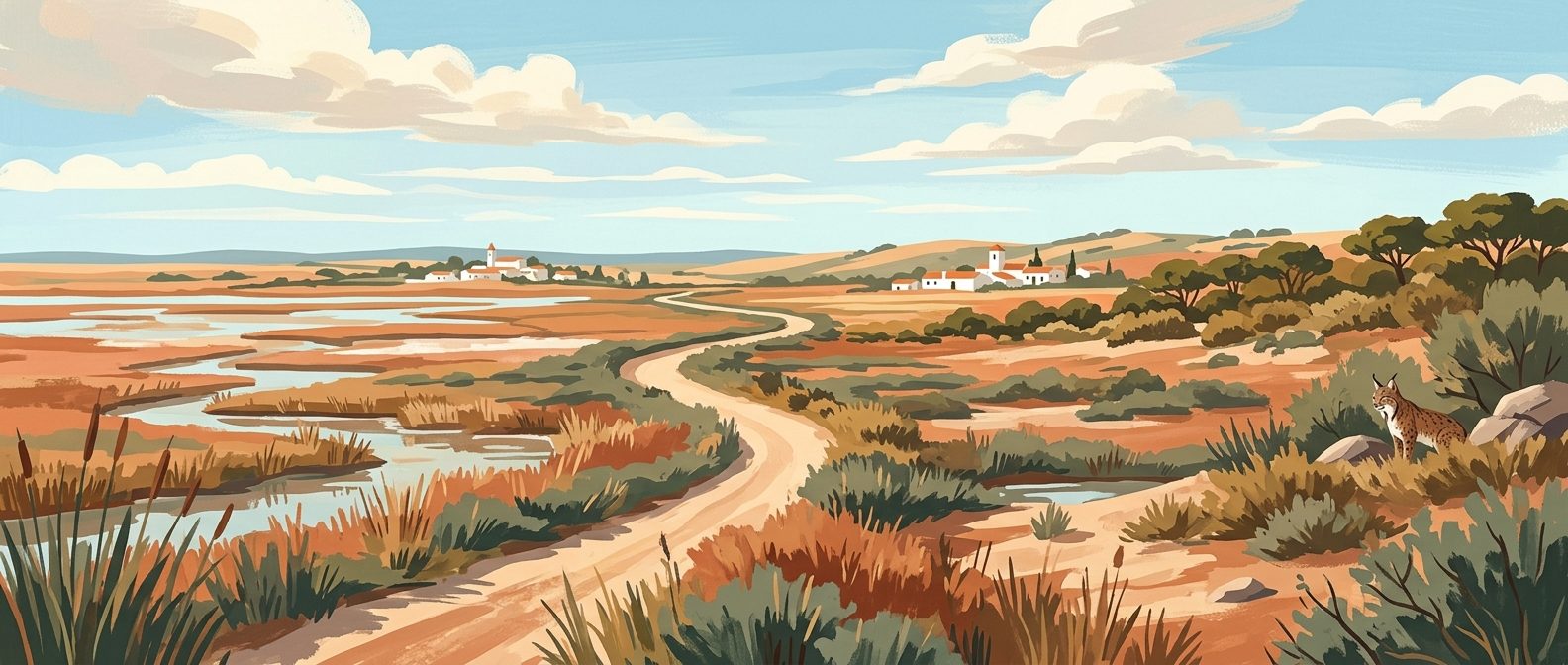
In the marshes surrounding the town, the Molino de El Pintado is an expertly restored 18th-century tide mill. It is one of the largest in the province and serves as an interpretation centre for the Marismas de Isla Cristina natural park. It demonstrates how the power of the rising and falling Atlantic tides was once harnessed to grind flour. The surrounding trails are excellent for birdwatching, as the marshes are a key stopover for migratory species like flamingos and spoonbills.
Practical Information
Getting There
Ayamonte is easily accessible via the A-49 motorway, which connects Sevilla to the Portuguese border. The drive from Sevilla takes approximately 90 minutes. For those using public transport, the Damas bus company operates several daily services from Huelva city and Sevilla's Plaza de Armas station. The bus station in Ayamonte is located within walking distance of the ferry terminal and the town centre.
Ferry Details
The ferry service is operated by Transporte Fluvial del Guadiana. During the summer months, boats depart every 30 minutes, while in winter, the frequency typically drops to every hour.
- Ticket Price: Approximately €2.50 for a one-way adult ticket (check latest prices at the terminal as seasonal changes apply); bicycles and cars can also be transported for an additional fee.
- Duration: 10 to 15 minutes.
Parking
Parking in the very centre can be difficult during the summer or on market days. The most convenient options are the underground car park at Plaza de la Laguna or the large open-air parking area at Muelle de Portugal near the ferry terminal. If you are visiting the beach, Isla Canela has several large designated parking zones, though these fill up quickly in July and August.
Opening Times
Shops generally open from 10:00 to 14:00 and 17:30 to 21:00. Churches usually have limited opening hours for visitors, typically 10:30 to 13:00, but they are always open during evening mass times. The Molino de El Pintado is generally open Tuesday to Sunday, though it is wise to check seasonal times at the local tourist office located on the Avenida de la Constitución, or on the Ayamonte town hall website.
Where to Eat Nearby
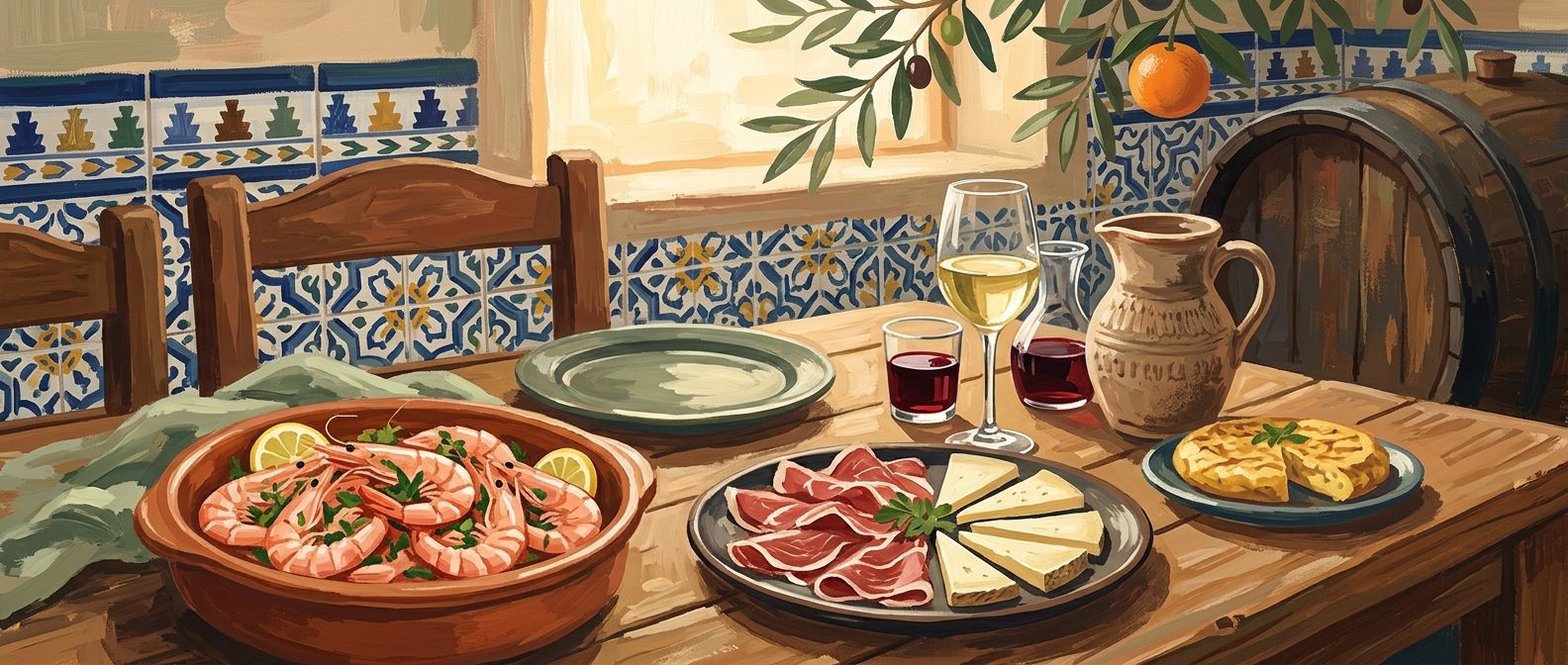
Seafood is the undisputed king of the table in Ayamonte. For a traditional experience, Casa Luciano is highly regarded for its preparation of local tuna and arroz marinero (seafood rice). If you prefer a more modern approach, LPA TheCulinaryBar offers inventive dishes that blend local ingredients with international techniques in a stylish setting. For something casual, head to the bars surrounding the market to try papas con chocos (potatoes with cuttlefish) or the famous white prawns from the Huelva coast. The local tuna, often served atún en manteca or grilled, is exceptional.
Where to Stay
The Parador de Ayamonte is the town’s most iconic hotel, situated on a hill with panoramic views over the Guadiana and the bridge. It is an ideal choice for those who appreciate peace and a sense of space. For those who want to be closer to the water, Barceló Isla Canela offers a resort-style stay directly on the seafront, designed in a traditional Andalucían style with modern amenities. There are also several boutique guesthouses in the old town for a more intimate experience.