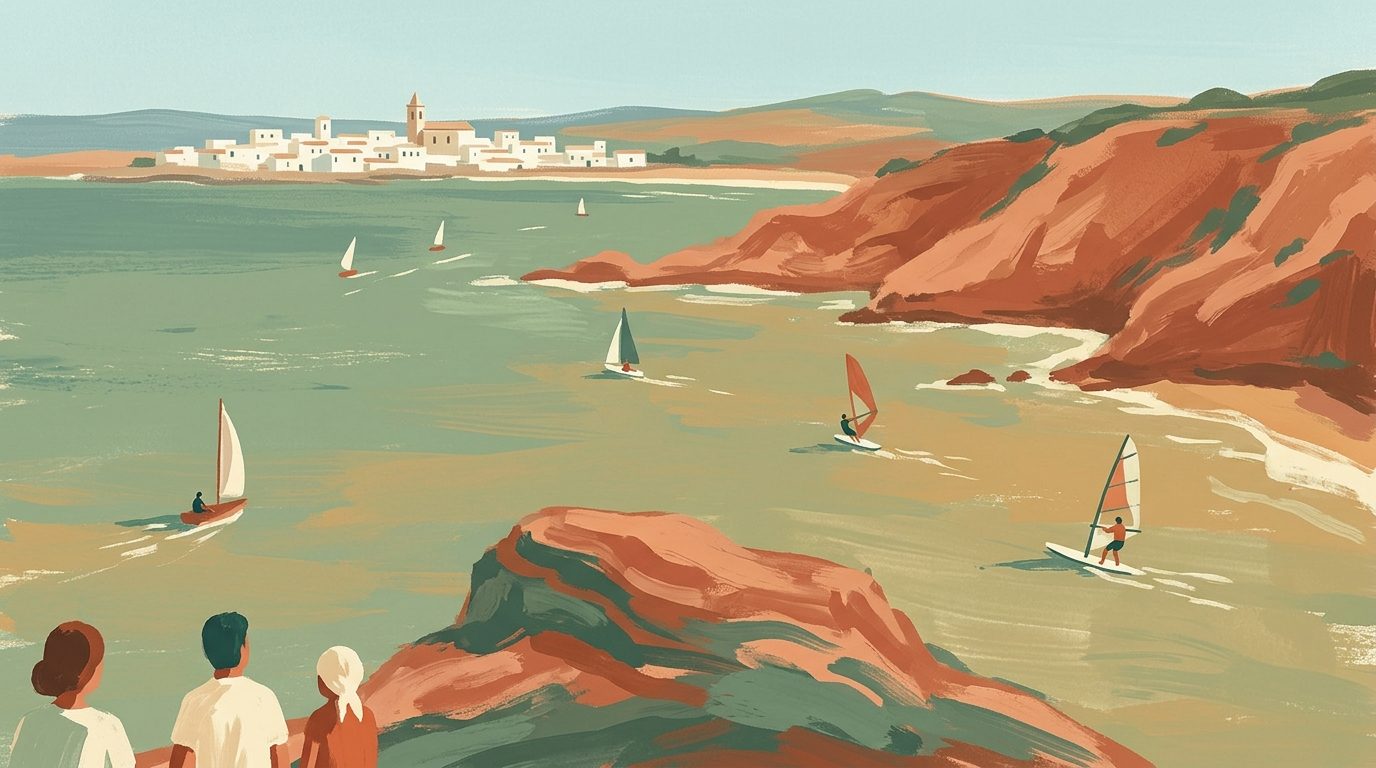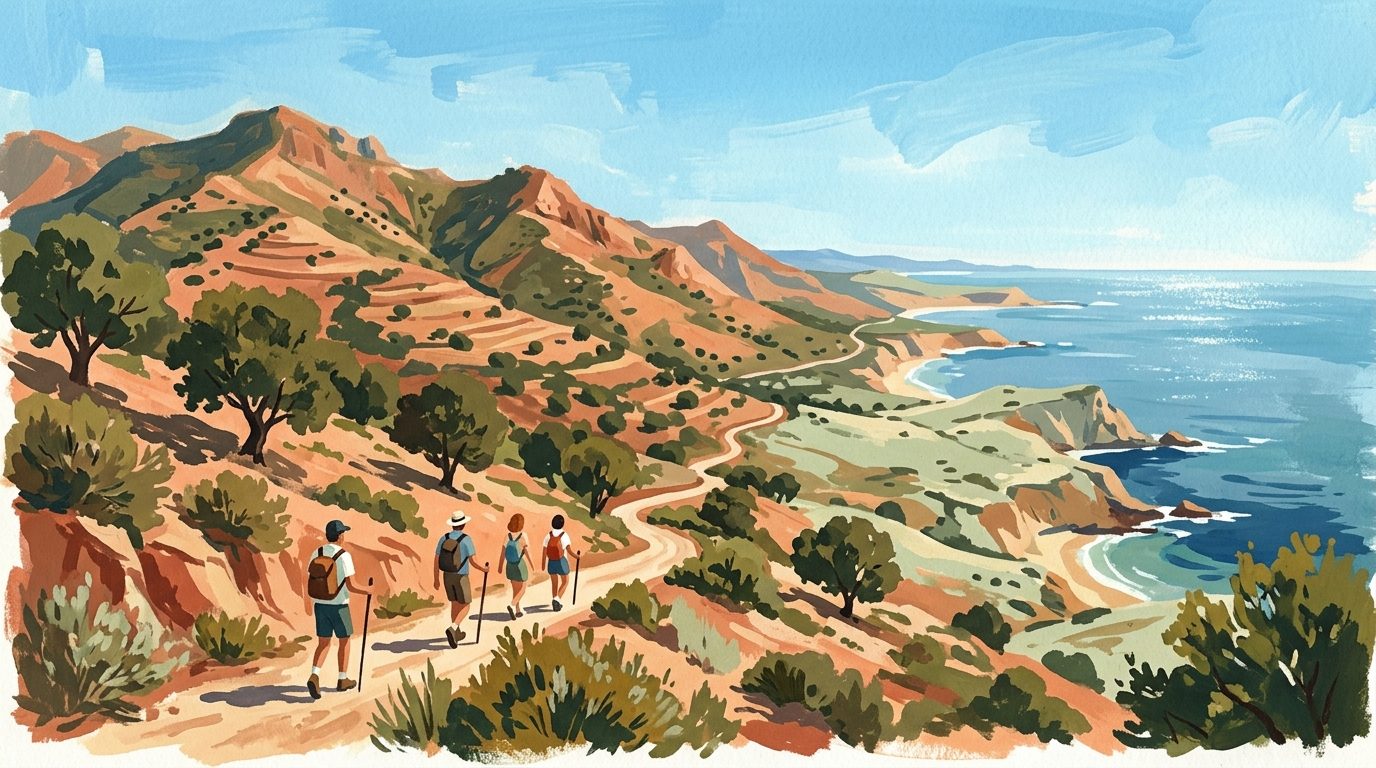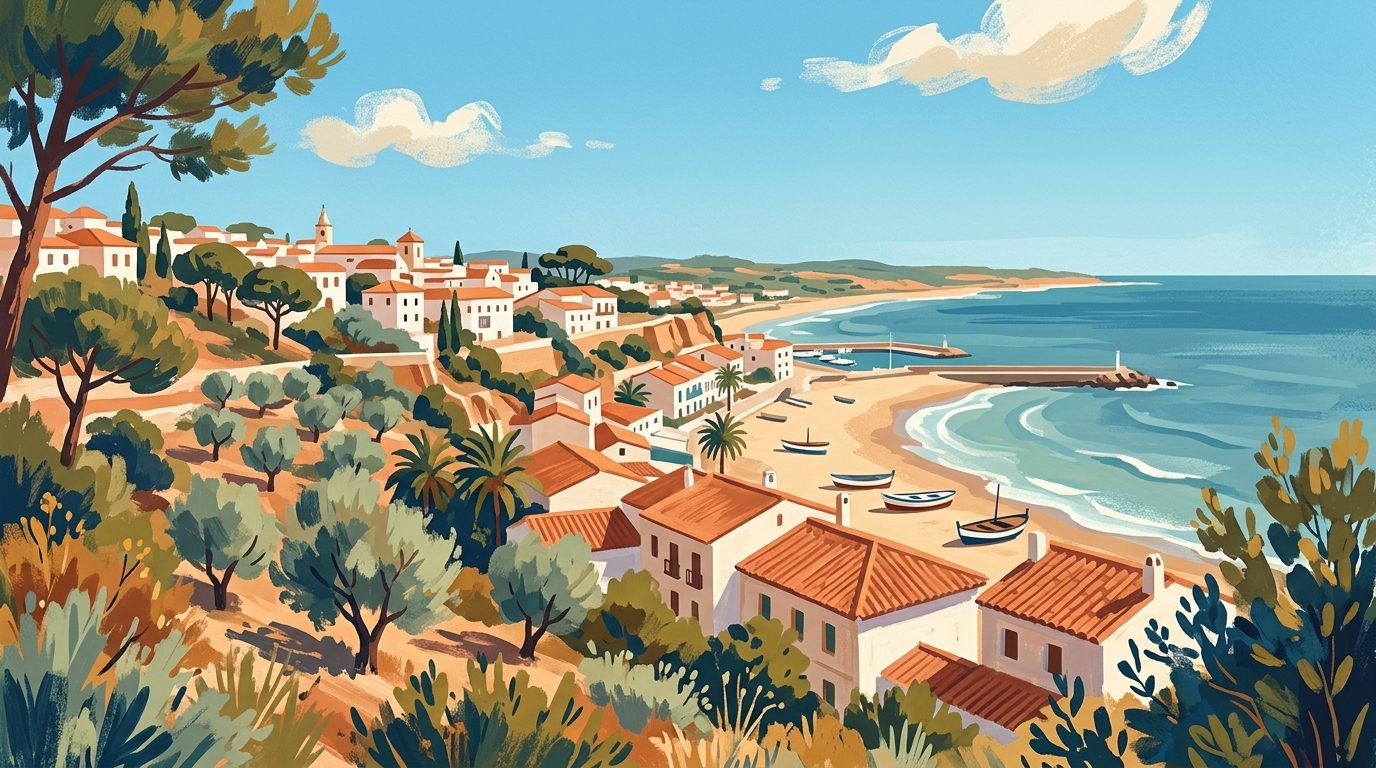
Where the Guadiana river marks the boundary with Portugal, a different kind of Andalucía begins, defined by the Atlantic’s relentless tides and the scent of salt-dried fish. This is a coast of wide-open horizons, where white-sand beaches stretch for kilometres and the local pace is dictated by the return of the fishing fleet.
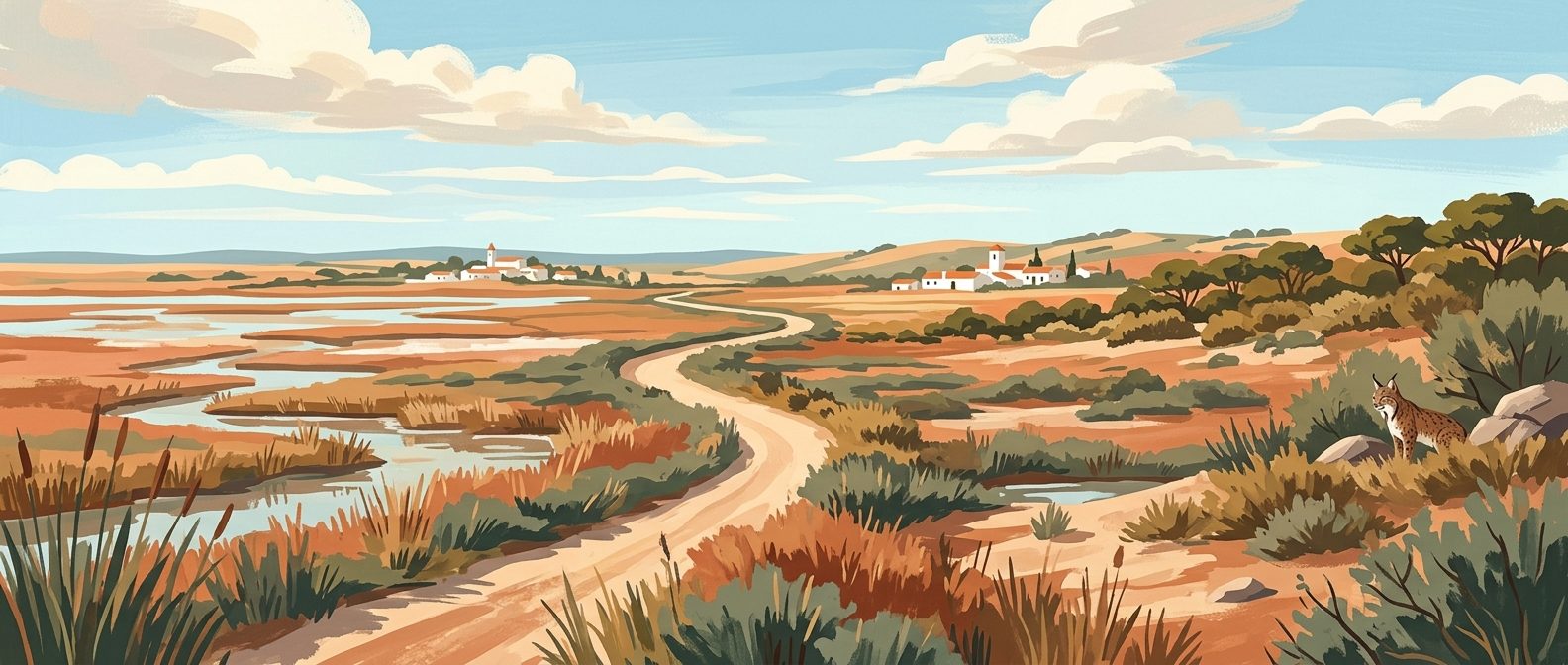
The Costa de Huelva, often referred to as the western half of the Costa de la Luz (Coast of Light), is an antidote to the over-developed stretches of the Mediterranean. Here, the landscape is a horizontal world of salt marshes, pine forests, and dunes that shift with the winter storms. It is a region that has resisted the high-rise frenzy seen elsewhere in Spain, largely because it remains a working coast. The economy here is built on the sea, from the gamba blanca (white prawn) to the tuna that migrate past these shores.
Visitors coming from the east will notice the change immediately. The light is sharper, the air cooler, and the hospitality more grounded. You won’t find many purpose-built tourist villages here; instead, you find towns like Ayamonte and Isla Cristina, where the daily ritual of the lonja (fish market) is more important than the sun-lounger count. It is a place for travellers who prefer the sound of crashing waves over thumping beach clubs and who value a perfectly grilled sardine over a fine-dining tasting menu. The Costa de Huelva offers a sense of space that is increasingly rare in southern Europe.
Ayamonte
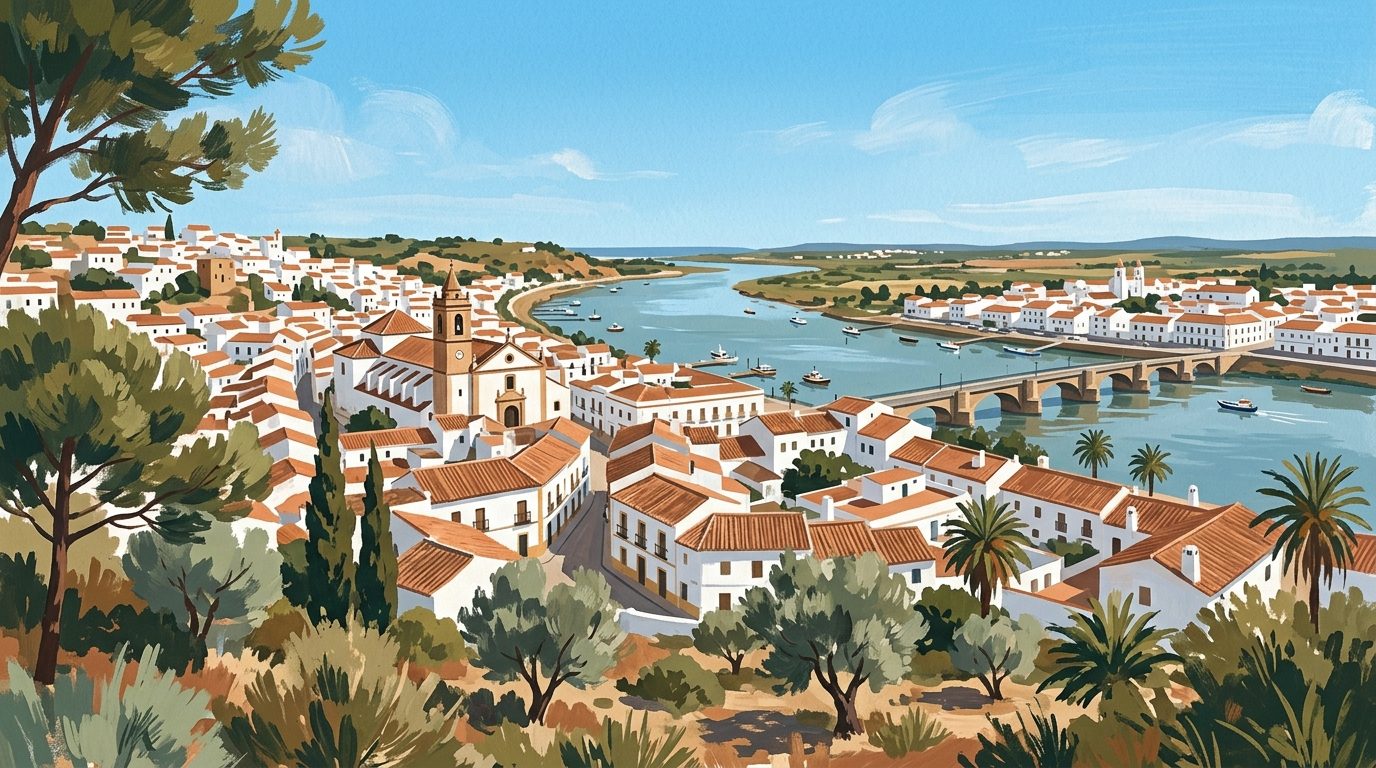
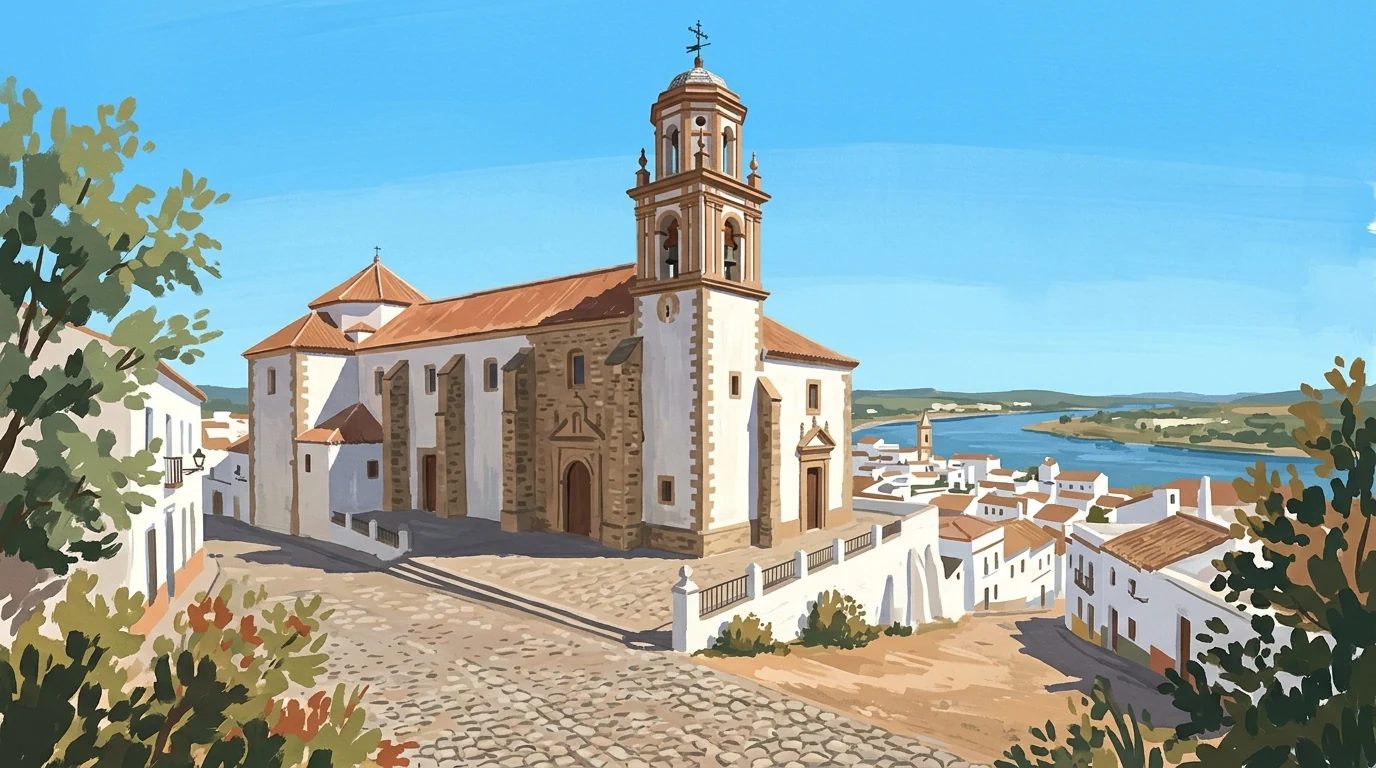
Ayamonte sits at the mouth of the Guadiana, the river that separates Spain from Portugal. It is a town of elegant plazas and narrow, paved streets that lead down to a busy waterfront. Unlike many coastal towns that turn their backs on the river, Ayamonte embraces it. The ferry crossing to Vila Real de Santo António (operated by Transportes del Guadiana) takes approximately fifteen minutes (note: Spain is one hour ahead of Portugal) and offers one of the best perspectives of the town’s whitewashed skyline. For the best views without leaving Spanish soil, head up to the Parador, located on the site of a former Roman castle. From here, the Guadiana looks like a silver ribbon cutting through the green marismas (salt marshes).
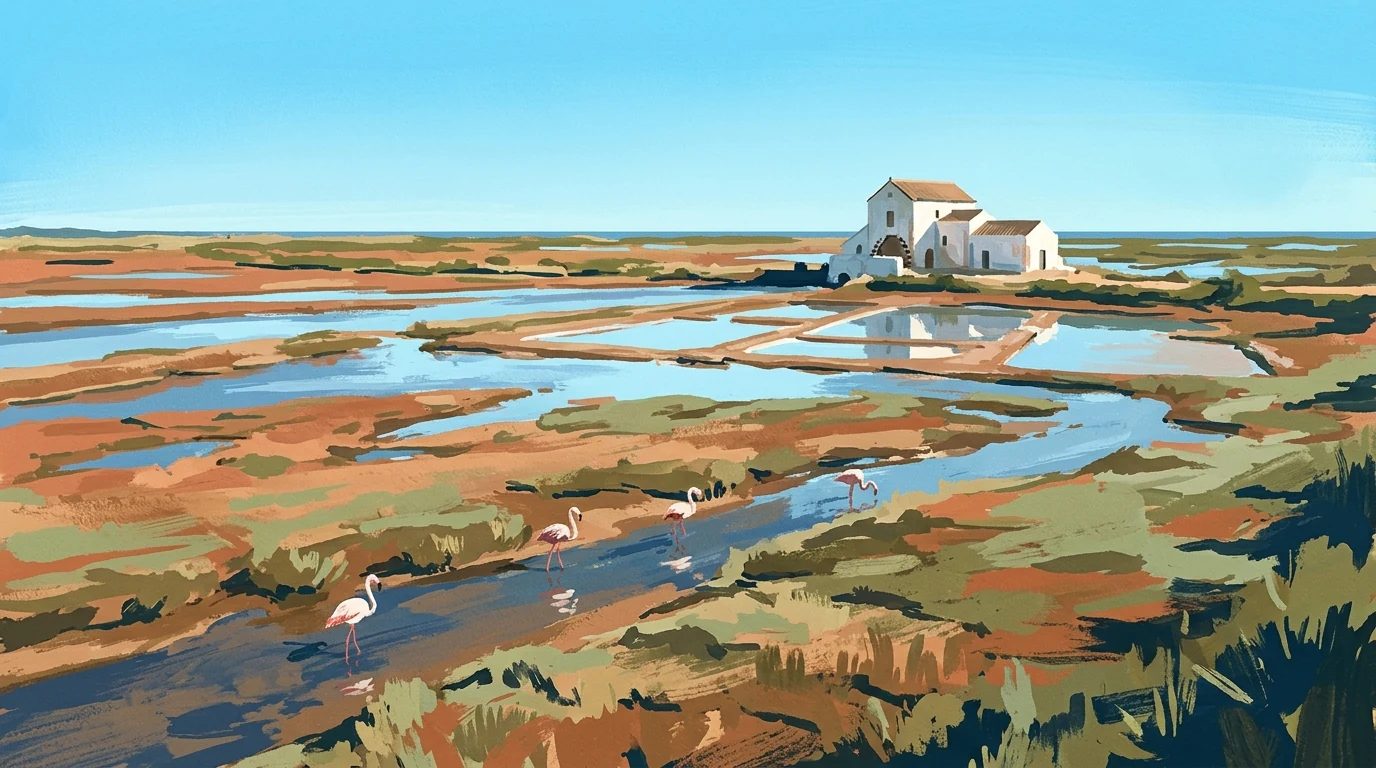
The heart of social life is the Plaza de la Laguna, where locals gather under the shade of palm trees. To experience the town’s culinary pulse, visit the Mercado de Abastos (food market) on Calle de las Flores (usually open until 14:00 (closed Sundays and public holidays); check the official municipal market schedule before travelling). This is where you’ll see the day’s catch from the Atlantic: monkfish, sea bream, and the famous Huelva prawns, displayed on beds of crushed ice. For lunch, skip the tourist-heavy terraces and find Casa Vicente on Calle San Cristóbal. Order the arroz marinero (seafood rice); it is a masterclass in coastal cooking. If you want to explore the natural side of Ayamonte, the Vía Verde del Litoral (Coastal Greenways) follows the old railway line through the salt marshes, providing a flat, easy route for cycling or walking while spotting flamingos and spoonbills.
Read the full Ayamonte guide →
Isla Cristina
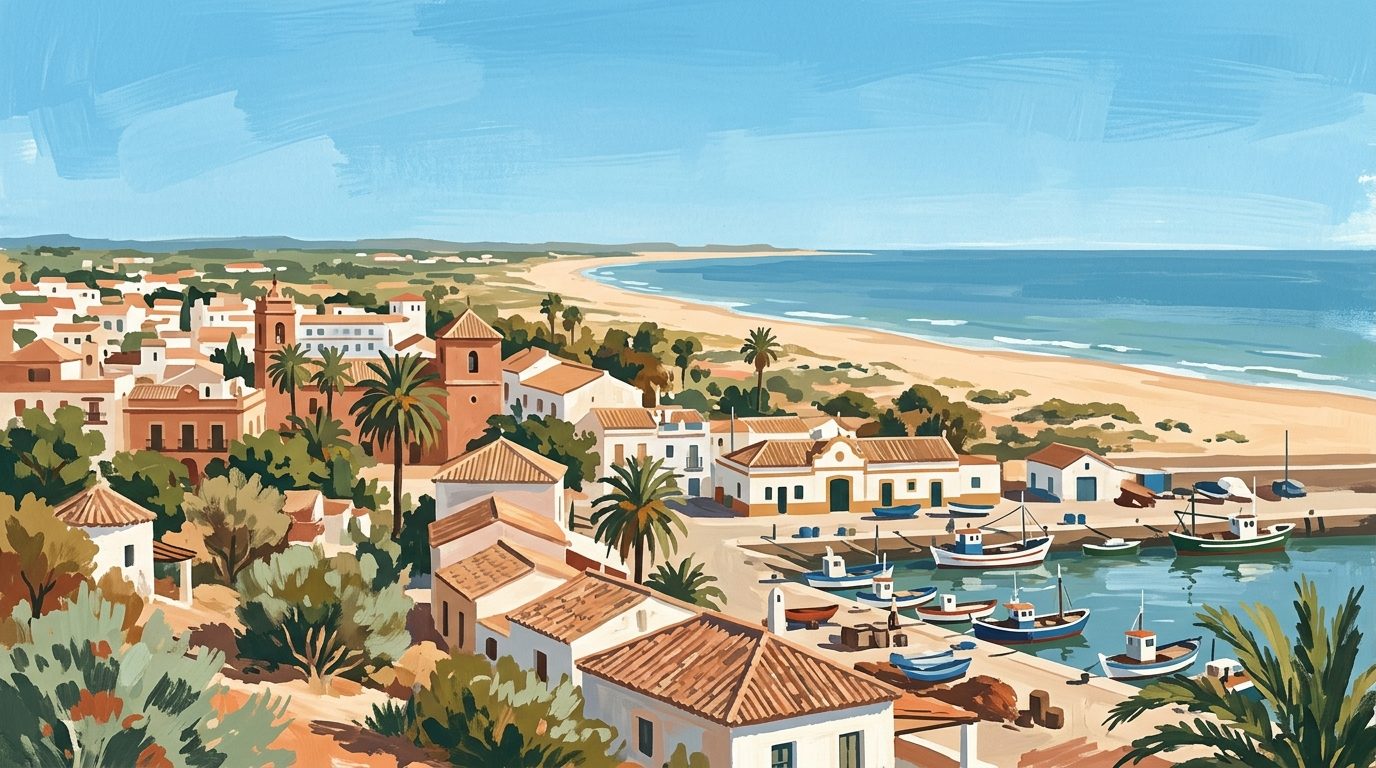
Isla Cristina is a town defined by the tides. It was founded in the 18th century by fishermen from Catalonia and Valencia, and that industrial spirit remains its core identity. This isn't a place for manicured promenades; it is a place of rust-streaked boats and nets piled high on the quayside. The lonja here is one of the most productive in Spain. You can book a guided tour via the Lonja de Isla Cristina official visitor page (check the website for the latest schedules before travelling) to watch the high-speed auctions, a fascinating spectacle of shouting, hand signals, and crates of glistening seafood moving at pace. It is the raw, authentic side of the Andalucían coast that many travellers never see.
The town is almost entirely surrounded by water: the Atlantic to the south and the Carreras river and marshes to the north and east. This geography creates some of the most dramatic beaches in the province, such as Playa de la Casita Azul, named after a small blue house tucked into the pine woods. For a meal that captures the essence of the town, seek out Casa Rufino. It has been a local institution since 1956 and specialises in tuna. Try the atún en manteca (tuna preserved in lard), a traditional technique that results in incredibly tender meat. After lunch, take a boat trip through the Marismas de Isla Cristina Natural Park. As the sun sets, the water reflects the deep oranges and purples of the sky, explaining exactly why this is called the Coast of Light.
Read the full Isla Cristina guide →
Punta Umbría
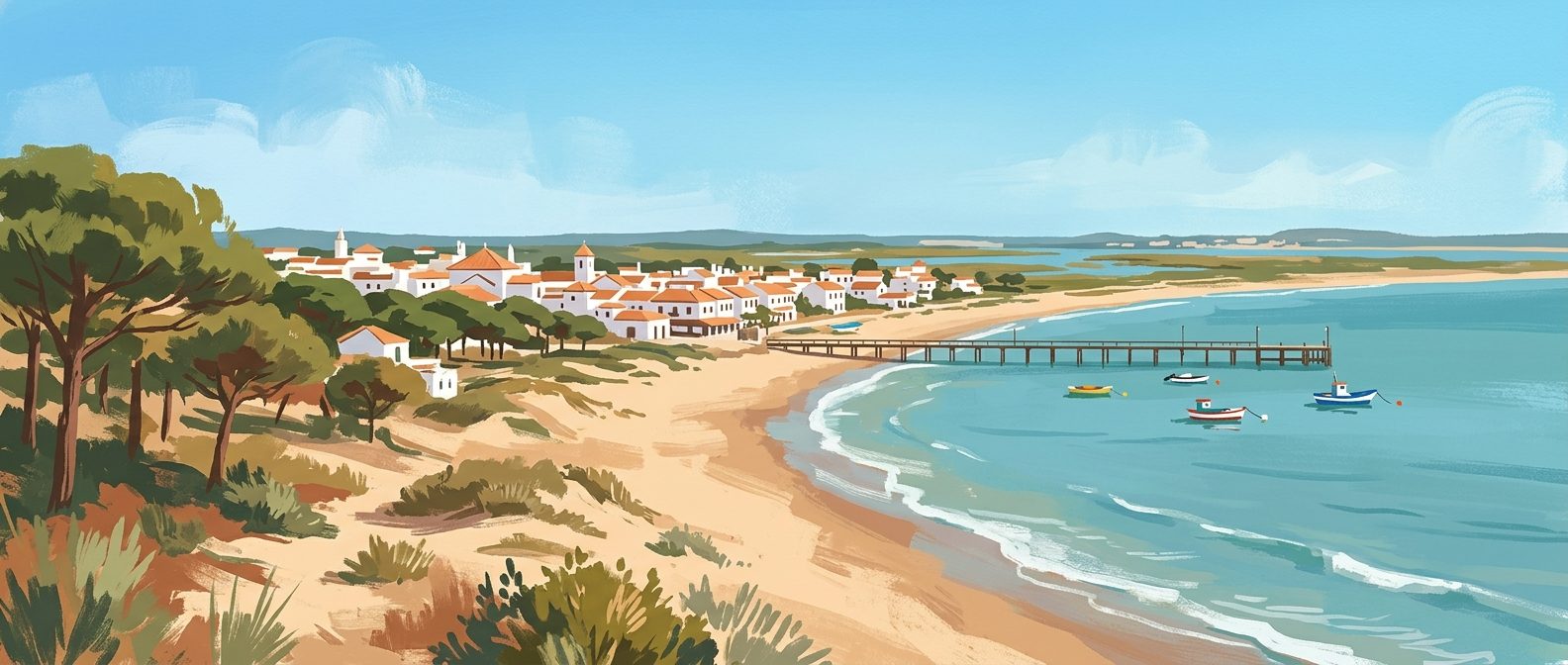
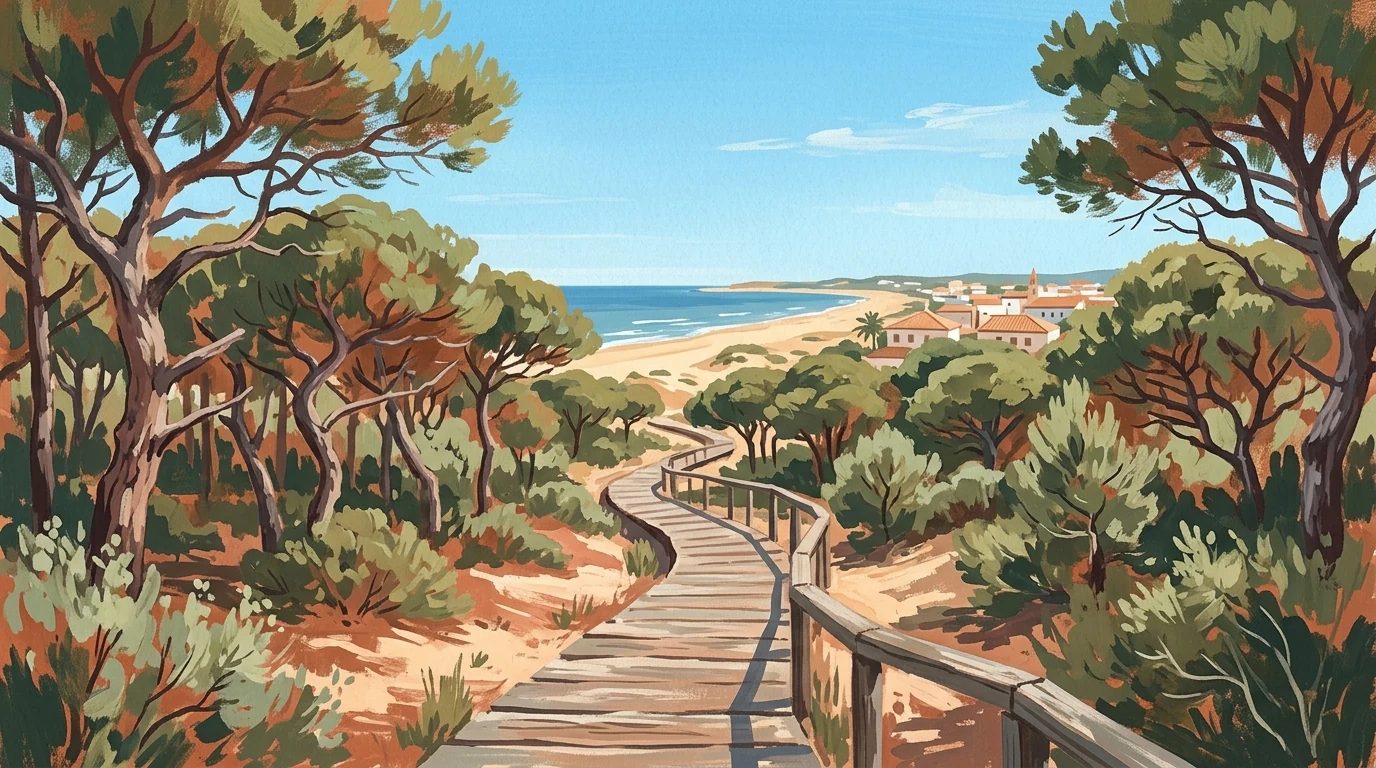
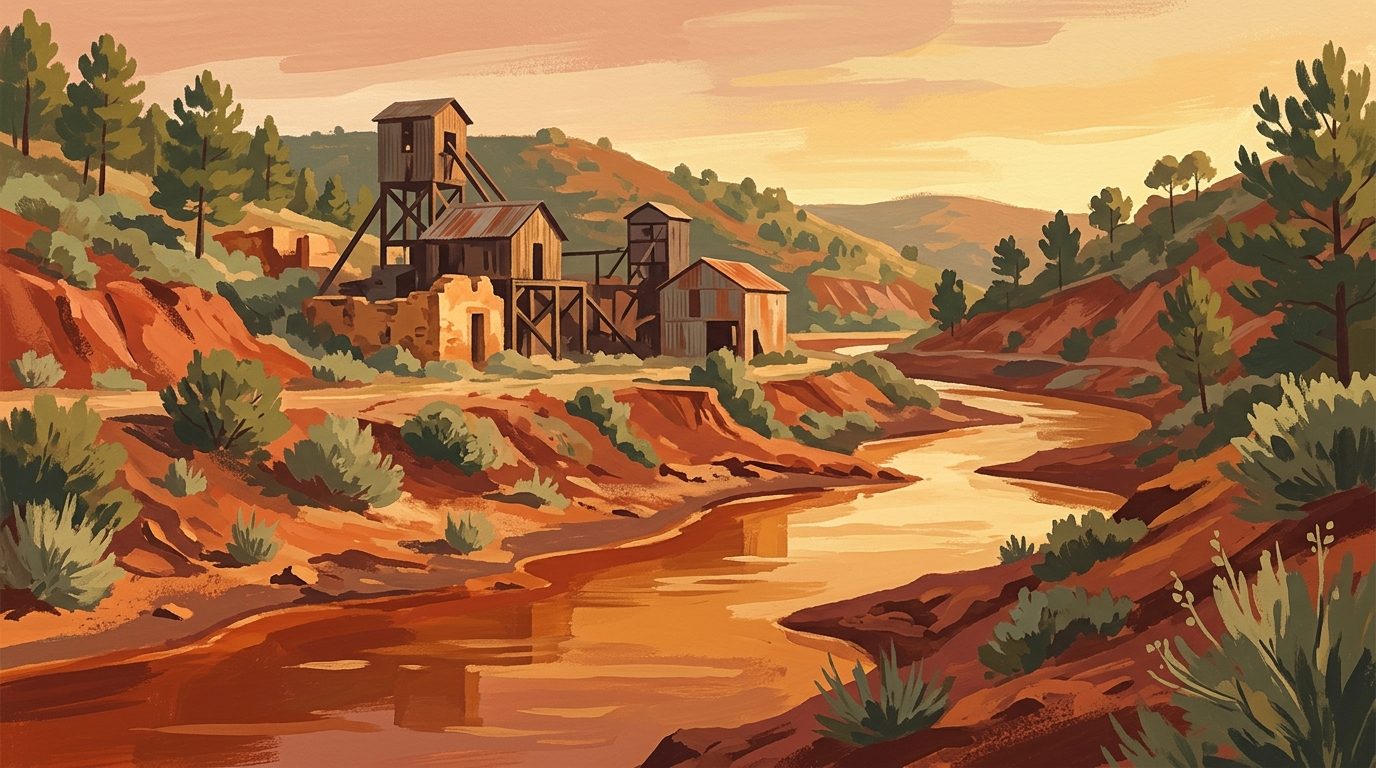
Originally a quiet fishing village, Punta Umbría became a popular escape for the British managers of the Rio Tinto mines in the late 19th century. You can still see the influence of this era in the Casas de los Ingleses (English Houses), Victorian-style wooden cottages built on stilts to catch the sea breeze. Today, it is a favourite summer haunt for families from Seville, but it retains a wild edge thanks to the Paraje Natural Los Enebrales. This protected area of coastal dunes and juniper forests is criss-crossed by wooden boardwalks that lead down to vast, uncrowded beaches like Playa de los Enebrales.
At the western end of Punta Umbría, the Canal de la Culata offers a different landscape, where the sandy spits of the El Rompido coastline create a sheltered lagoon. This is the place for paddleboarding or simply walking along the sandbars at low tide. For dinner, head to the Calle Ancha, the town’s main artery, but for the best seafood, move towards the port area. Chiringuito El Derrape is a fantastic spot for coquinas (small wedge clams) sautéed with garlic and parsley, or choquitos fritos (fried baby cuttlefish). The atmosphere here is lively and unpretentious, especially on weekend evenings when the terraces fill with locals enjoying the cooler night air.
Read the full Punta Umbría guide →
Eating & Drinking in Costa de Huelva
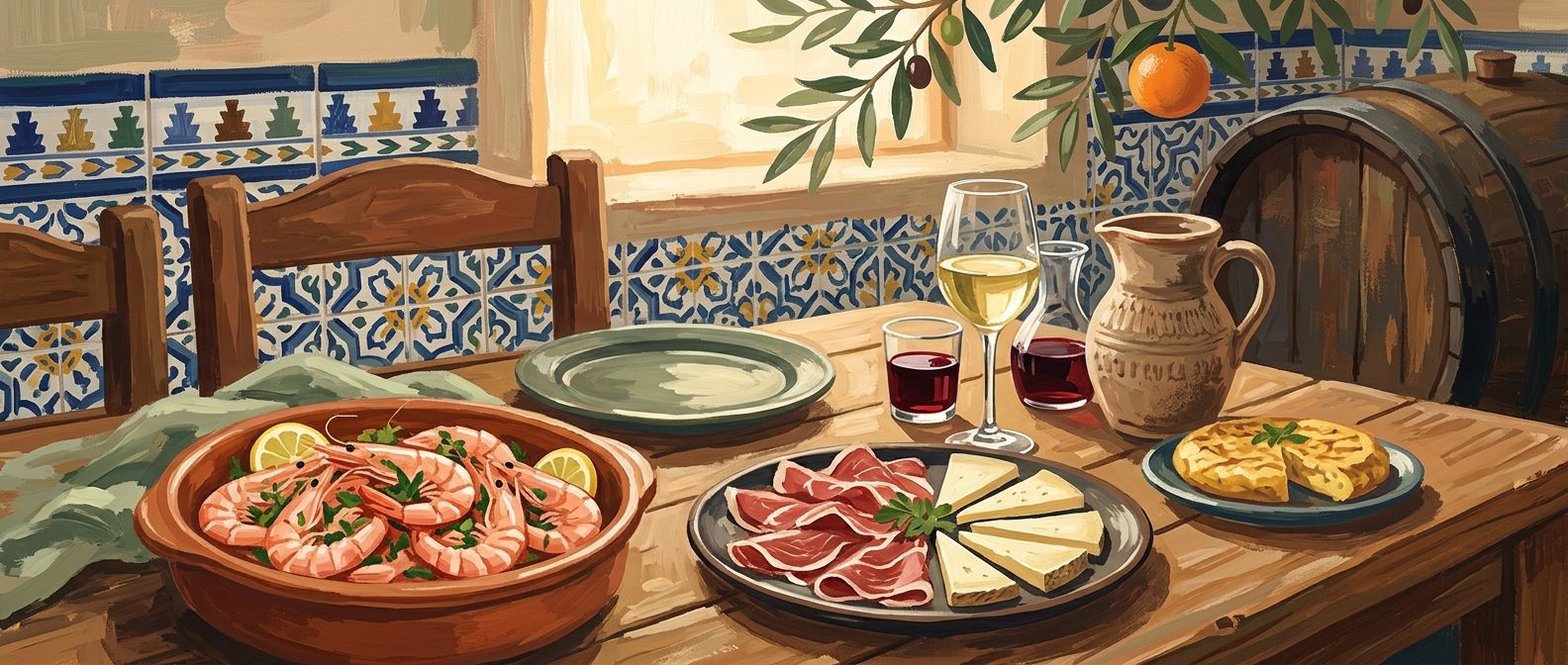
The cuisine of the Costa de Huelva is a marriage between the Atlantic and the Sierra. While the seafood is the star, the proximity to the Sierra de Aracena means that Jamón Ibérico de Bellota (acorn-fed Iberian ham) is a staple even in the beach bars. The absolute king of the local table is the gamba blanca. These prawns are prized for their sweet, delicate flavour and are usually served simply boiled with a sprinkle of sea salt. Don’t ignore the mojama (salt-cured tuna), often described as the 'prosciutto of the sea', which is traditionally produced in Isla Cristina.
To drink, you must try the local white wines from the Condado de Huelva D.O. region. The Zalema grape produces crisp, dry whites that are the perfect companion to grilled fish. For something unique, ask for a Vino Naranja (orange wine), a fortified wine macerated with orange peel, which is a local speciality usually served with dessert or blue cheese. For an authentic atmosphere, visit Taberna El Poco in Ayamonte, a small, atmospheric spot where the walls are lined with wine barrels and the tapas are focused on whatever was fresh at the market that morning.
Where to Stay
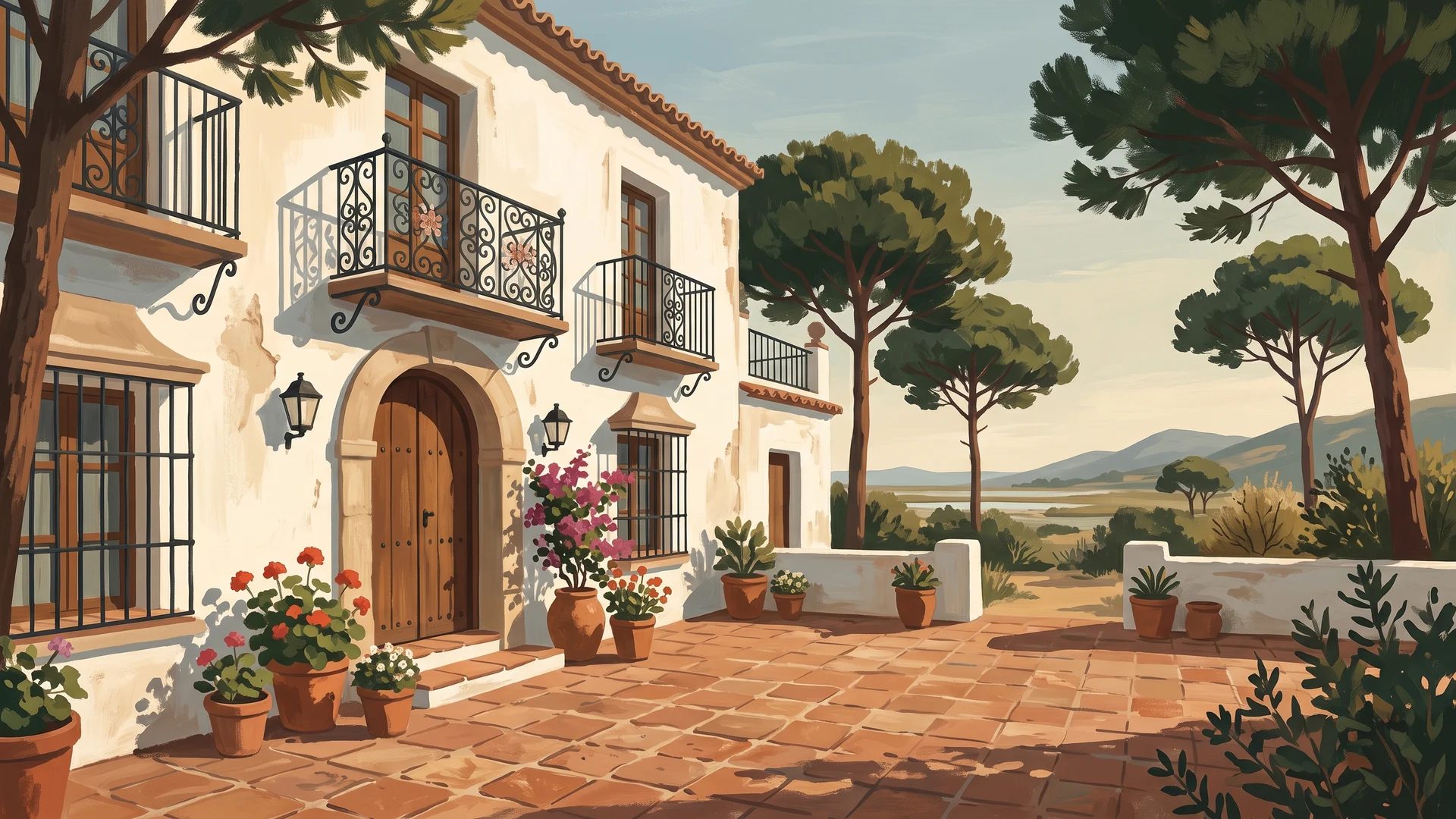
Accommodation on the Costa de Huelva ranges from traditional white-walled hotels to modern resorts that blend into the pine forests. The Parador de Ayamonte is the standout choice for views, perched high above the Guadiana river with a pool that looks across to Portugal. In Isla Cristina, the TUI Blue Isla Cristina Palace offers a more luxurious, adults-only experience right on the beachfront. For those who prefer a bit of history, look for small guesthouses in the centre of Ayamonte, such as Hotel Plaza de la Laguna, which puts you right in the heart of the evening paseo (traditional walk). In Punta Umbría, the Barceló Punta Umbría Mar is excellently positioned next to the Los Enebrales nature reserve, allowing for easy access to the most pristine stretches of sand.
Getting There & Around
The Costa de Huelva is best accessed via Faro Airport in Portugal, which is only a 45-minute drive from Ayamonte, making it much closer than Seville Airport (around 90 minutes). A car is essential if you want to explore the different towns and nature reserves, as public transport between the coastal villages can be slow and infrequent. The A-49 motorway connects Seville to Ayamonte, providing a fast route across the province. For a more scenic journey, take the smaller coastal roads that wind through the pine forests and salt marshes, allowing you to stop at the various miradores (viewpoints) along the way.
Best Time to Visit
Late spring (May and June) and early autumn (September and October) are the ideal times to visit. During these months, the weather is warm enough for the beach but lacks the intense heat of July and August. Furthermore, you avoid the heavy influx of domestic tourists during the peak summer weeks. If you visit in February or March, you will experience the local carnivals. Isla Cristina, in particular, hosts one of the most famous and colourful carnivals in Andalucía, a tradition that even survived the prohibitions of the Franco era.