
attraction · Córdoba
Mosque-Cathedral Monumental Site of Córdoba
Andalucía 365 · Updated 18 July 2026
Our Verdict
“A breathtaking collision of Islamic and Christian architecture, the Mosque-Cathedral is Córdoba’s defining monument. While the abrupt insertion of a Renaissance cathedral into a tranquil forest of Moorish columns feels disjointed to some, this striking contrast makes it one of the most compelling and historically significant buildings in Europe.”
Last verified: July 2026
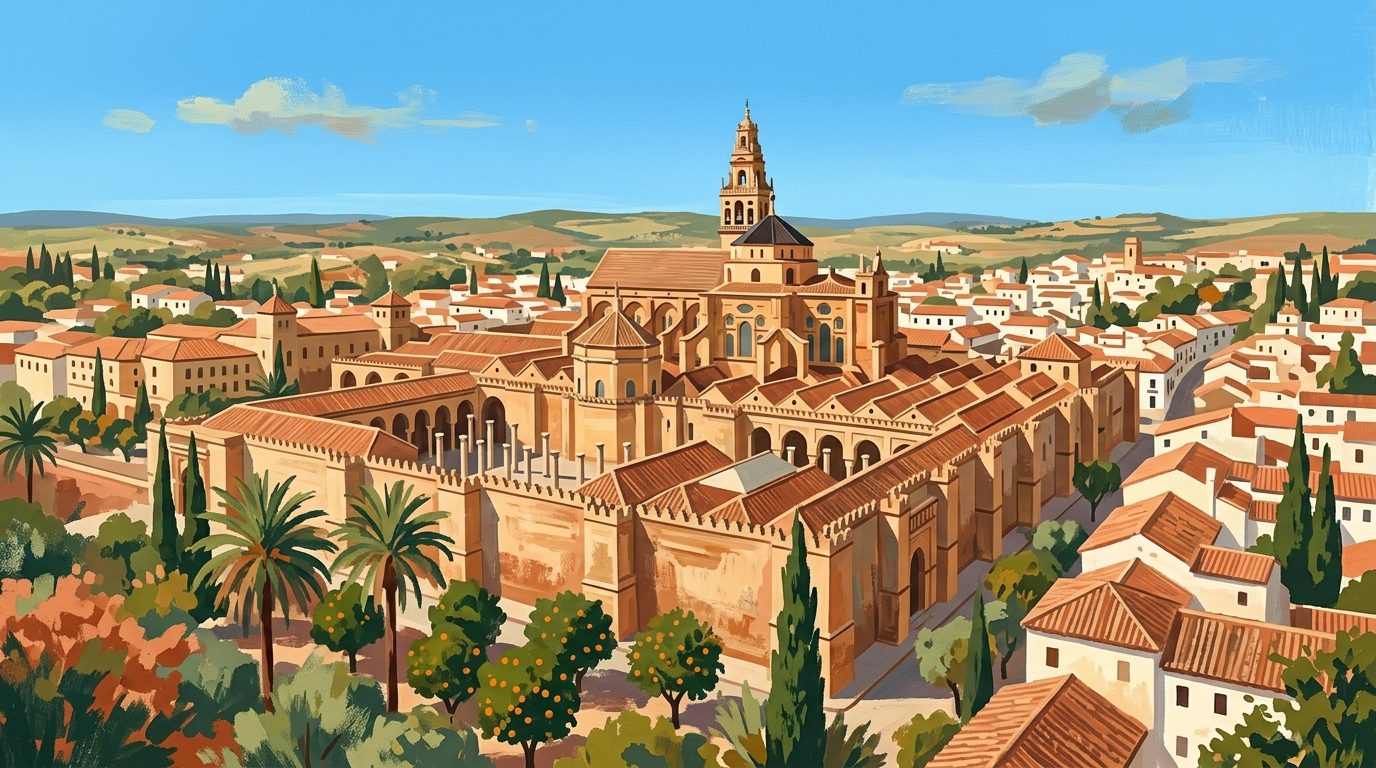
Step inside the Mosque-Cathedral of Córdoba from the sun-washed Courtyard of the Orange Trees, and the eye struggles to adjust. What emerges from the dim light is a forest of stone: hundreds of striped arches stretching into the distance, defying standard architectural geometry. Over a millennium, this site has absorbed the architectural ambitions of Roman, Visigothic, Islamic and Christian cultures. It is an essential monument for understanding the layered history of Andalucía, offering a physical timeline of political shifts and religious conquests in southern Spain.
The Foundations: San Vicente and the First Mosque
Archaeological excavations beneath the floor reveal the remains of the sixth-century Visigothic Basilica of San Vicente. Sections of its original mosaic pavement, incorporating Roman and Paleo-Christian elements, are visible today through transparent floor panels, demonstrating how subsequent structures built upon the foundations of their predecessors.
Following the arrival of Islamic rule, Abd al-Rahman I initiated the original mosque in the late eighth century. To build a vast prayer hall rapidly, builders repurposed Roman and Visigothic columns. The crowning achievement was the double-tiered horseshoe arch. By stacking a semicircular arch over a horseshoe arch, and alternating pale stone with red brick in the voussoirs, architects achieved structural stability and greater ceiling height, establishing the monument's iconic visual rhythm.
A Forest of Columns: The Umayyad Expansions
As Córdoba grew, the mosque required successive expansions. In the ninth century, Abd al-Rahman II added eight naves southwards, maintaining the established architectural language. Artistry reached its zenith in the tenth-century expansion by Al-Hakam II. Here, visitors encounter the Mihrab, a masterful prayer niche that notably aligns south rather than towards Mecca. Its portal is framed by exquisite Byzantine gold mosaics radiating complex geometric patterns, crafted by artisans sent by the Emperor of Constantinople.
In front of the Mihrab sits the Maqsura, an enclosure reserved for the caliph, featuring intricately interlacing arches and a stunning ribbed dome. A final massive expansion by Almanzor extended the complex eastwards, completing the vast dimensions of the Aljama. For travellers wanting to dig deeper into this era, the historical context of the Caliphate of Córdoba reveals how the city became a beacon of medieval learning.
The Renaissance Heart: A Cathedral Within
Following the Christian conquest of Córdoba in 1236, the mosque was consecrated for Catholic worship. Initially, the original layout remained largely untouched, save for smaller additions like the Royal Chapel, built by Enrique II in 1371 with striking mozarabic and mudéjar decorations. However, in 1523, Bishop Alonso de Manrique authorised a far more radical intervention: the construction of a complete cathedral nave and transept directly into the centre of the Muslim prayer hall.
The visual contrast is startling. The repetitive, horizontal rhythm of the Islamic columns is suddenly interrupted by soaring Gothic vaults and light-filled Renaissance domes. Designed primarily by Hernán Ruiz the Elder and continued by his son, the cathedral core is an undisputed masterpiece of sixteenth-century masonry. Key details include the finely carved eighteenth-century mahogany choir stalls by Pedro Duque Cornejo and the towering main altarpiece. The fusion of these two monumental styles creates a singular, complex architectural dialogue that cannot be found anywhere else.
The Courtyard and the Bell Tower
The approach to the monument is through the Patio de los Naranjos, or Courtyard of the Orange Trees. Originally the ritual ablutions courtyard of the mosque, it remains one of the oldest continually planted gardens in Europe. Rows of citrus trees, palm trees and cypresses, irrigated by ancient channels, echo the grid of columns inside the prayer hall.
Looming above the courtyard is the 54-metre Bell Tower. Encased within its Renaissance and Baroque masonry is the original tenth-century minaret constructed by Abd al-Rahman III. Visitors who climb the narrow, winding staircase are rewarded with the highest vantage point in the historic centre, looking down over the intricate rooflines of the cathedral, the labyrinthine streets of the nearby Jewish Quarter of Córdoba, and the Guadalquivir river.
Accessibility and Navigating the Complex
Despite its age, the Mosque-Cathedral is largely accessible to wheelchair users. The designated step-free entrance is the Puerta de los Deanes on Calle Torrijos, which provides smooth access into the courtyard. Inside, the expansive main floor of the prayer hall and the outer perimeter of the cathedral nave are easy to navigate, with low-profile ramps installed over the minor internal steps. Accessible toilets are available within the monument complex. Visitors with certified visual impairments can request tactile information materials at the entrance, and guide dogs are permitted throughout. The Bell Tower, however, relies entirely on a steep, narrow staircase and is not suitable for those with limited mobility.
Planning Your Visit
The Mosque-Cathedral is an active place of worship and the seat of the Diocese of Córdoba, meaning tourist access is occasionally paused for religious services. Appropriate dress is required: shoulders must be covered, and hats should be removed before entering the building. The Bell Tower requires separate admission. Always consult the official Mosque-Cathedral website for liturgical schedules, official guidelines, and visiting arrangements.
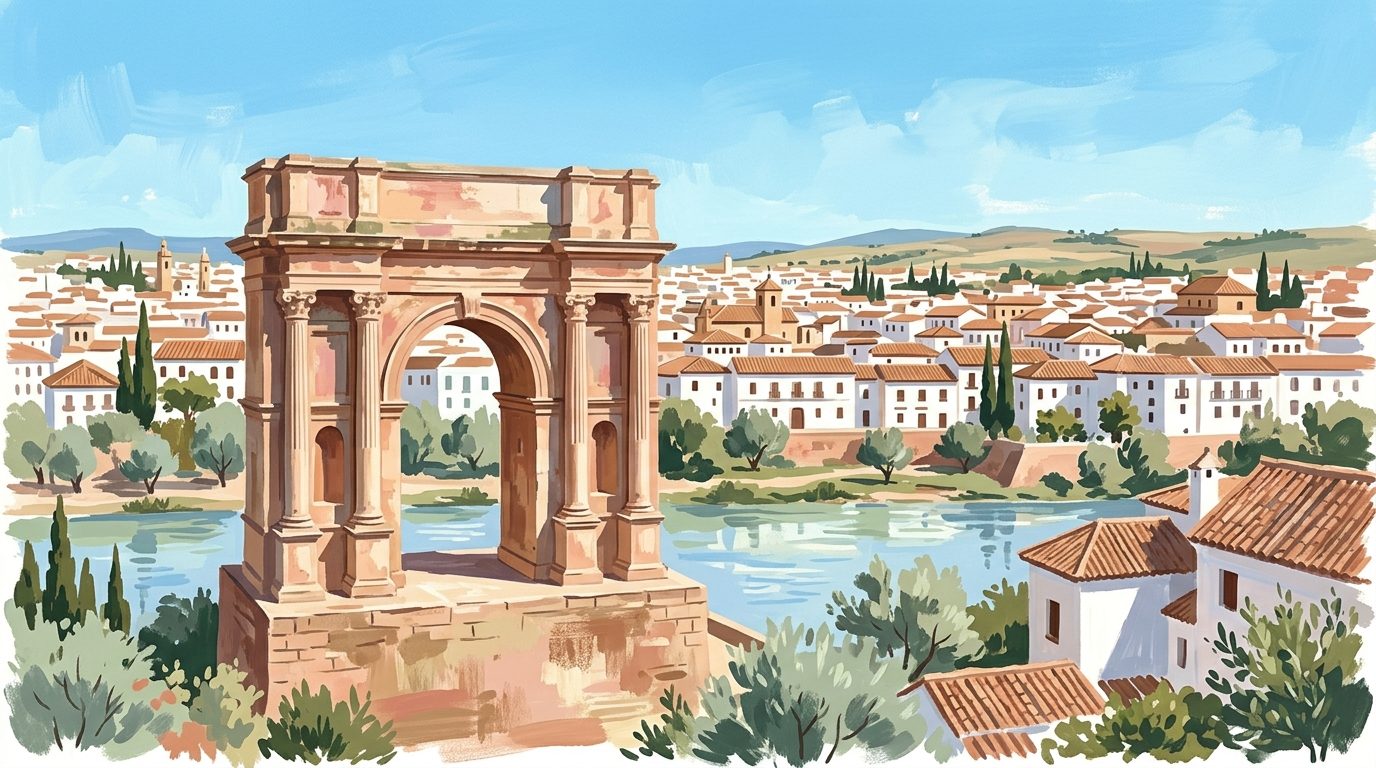
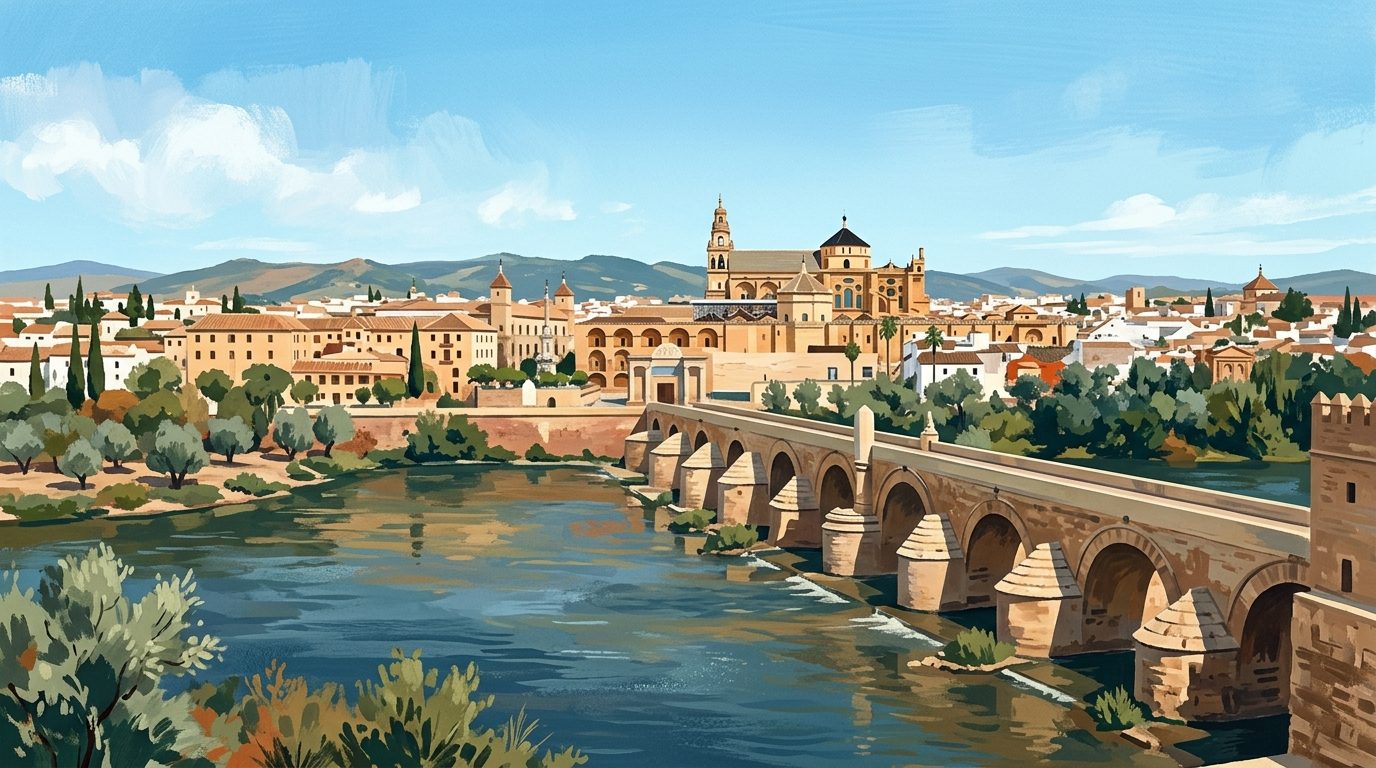
After exploring the monument, walk south through the Triumphal Arch to cross the Guadalquivir river. A stroll over the Roman Bridge and Calahorra Tower provides the finest exterior views of the Mosque-Cathedral, particularly as the stone turns a deep ochre at sunset. Alternatively, to see where the Umayyad rulers lived at the height of their power, plan a short trip to the ruins of Medina Azahara on the outskirts of the city.
Nearby worth your time
A few well-placed stops for extending the day without turning it into a checklist.
Continue through Córdoba City
Step back into the wider landscape with local guides, nearby places and the province overview.
Things to do · 10 min
Golf in Córdoba Province: Courses, Holidays, and Shops
Discover practical tips, course details, and holiday planning advice for playing golf in Córdoba province, from the mountain fairways of Sierra Morena to the historic greens of Los Pedroches.
Feature · 8 min
The Caliphate of Córdoba
In 929, Abd al-Rahman III declared himself Caliph, breaking religious ties with the Middle East and launching an era of unparalleled architectural and intellectual achievement.
Itinerary · 9 min
A Weekend in Cordoba: Two Days in Andalucía's Caliphate City
Spend 48 hours in Cordoba exploring the mesmerising Mezquita, getting lost in the whitewashed streets of the Judería, and eating excellent salmorejo.