
attraction · Córdoba
Museo Garnelo
Andalucía 365 · Updated 18 July 2026
Our Verdict
“The Museo Garnelo elevates a provincial wine town into a serious destination for art historians. Housed in a 19th-century mansion, it offers a superb collection of academic painting. While modern art lovers might find it traditional, it is an essential, highly rewarding stop for anyone fascinated by classical Spanish portraiture.”
Last verified: July 2026
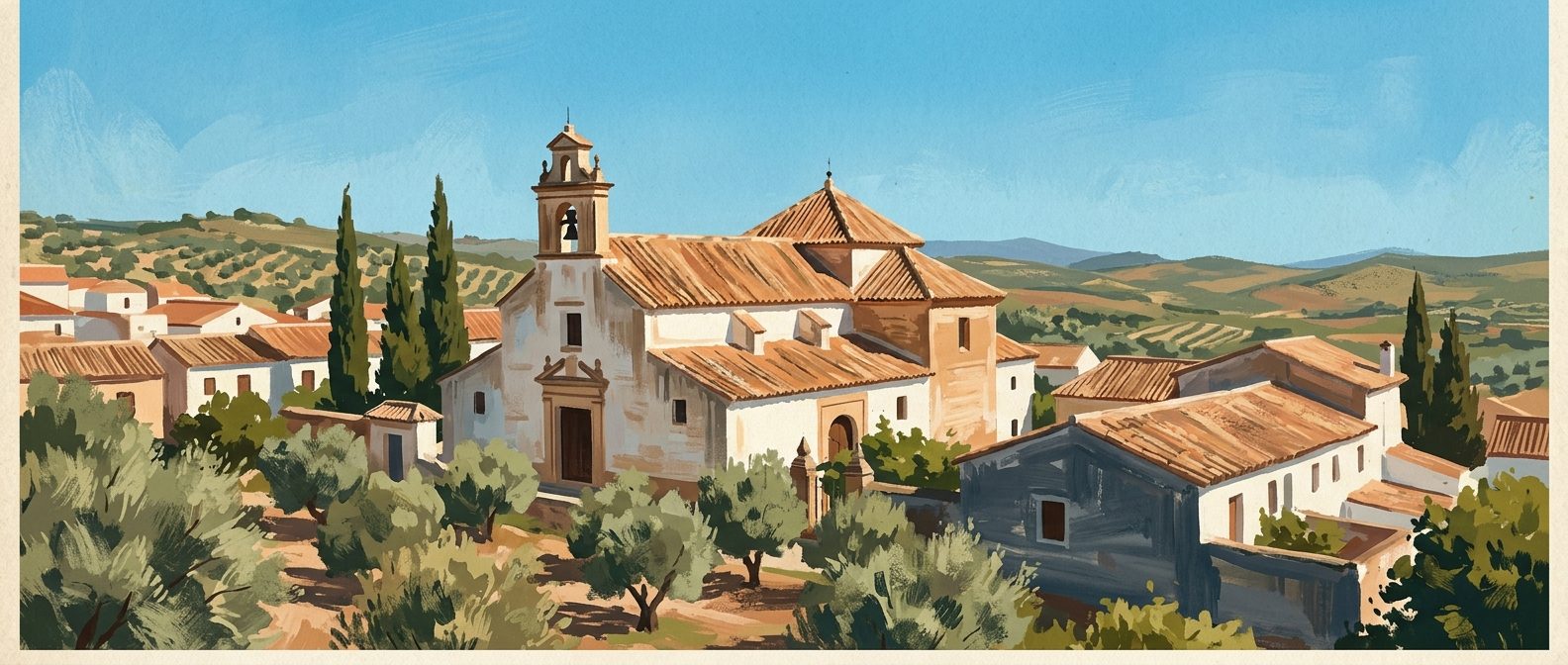
The heavy wooden doors of the Casa de las Aguas open into a light-filled neoclassical courtyard, setting an appropriately aristocratic tone for one of the most refined cultural institutions in rural Andalucía. Located in the town of Montilla, the Museo Garnelo preserves the life and works of José Santiago Garnelo y Alda, a titan of Spanish academic painting. An early instructor to Pablo Picasso and Salvador Dalí, Garnelo mastered the transition from 19th-century classicism to the dawn of 20th-century modernism. The museum elevates the town into a serious destination for art historians, presenting an unbroken narrative of a celebrated painter within an authentic period setting. Visitors encounter an extensive collection of roughly 180 original pieces, ranging from monumental historical canvases to intimate family portraits.
Inside the Casa de las Aguas
The Casa de las Aguas takes its name from its civic function; in the late 19th century, this palatial residence housed the municipal water deposits that supplied the town. Today, the building retains its grand aristocratic character, structured around a beautiful cloistered courtyard. Visitors navigate across three main floors, moving between high-ceilinged exhibition rooms, an elegant central staircase, and four glass-enclosed galleries that overlook the inner patio. The interplay of natural light through the glass corridors enhances the viewing experience, illuminating the rich colours and complex compositions of the artwork displayed within. Traditional tiling from Andalucía and wrought ironwork frame the spaces. The building shares its footprint with the Fundación Biblioteca Manuel Ruiz Luque, a collection of rare antique books making Montilla a vital centre for Spanish bibliographic research.
Exploring the Garnelo Collection
The permanent collection occupies eight dedicated galleries, arranged chronologically and thematically to map the evolution of Garnelo's technique. The layout allows visitors to trace the development of his style from early academic sketches to mature masterpieces. His versatility is immediately apparent, as the museum holds everything from rapid charcoal sketches to monumental historical narratives.
'La muerte de Lucano' is an imposing 1887 oil painting depicting the forced suicide of the Roman poet Lucan. Measuring roughly five by three metres, this colossal canvas earned the artist a Second Medal at the Exposición Nacional de Bellas Artes when he was only twenty years old. The influence of literary naturalism emerges in 'Magdalena', an evocative 1894 piece inspired by Émile Zola. Collaborations with national institutions have further enriched the displays. Visitors can admire 'La gruta de Lourdes', a magnificent large-scale work on long-term deposit from the Museo del Prado in Madrid. Such institutional backing underscores the national significance of the artist and the serious curatorial standards maintained in this provincial gallery.
The Capilla de Nuestra Señora de los Dolores
Following extensive restoration work, the museum expanded its public footprint to include the Capilla-oratorio de Nuestra Señora de los Dolores. This intimately scaled neoclassical chapel, originally part of a 19th-century asylum, provides a deeply personal context for the artist's religious works. The space is crowned by exquisite mural paintings completed in the summer of 1886 by a young José Garnelo and his sister Eloísa. Reinstated as a gallery for religious iconography, the chapel offers a contemplative atmosphere contrasting with the grand historical epics displayed elsewhere. The delicate preservation of these murals highlights the early, collaborative nature of the Garnelo family's artistic output, well before José achieved national prominence.
A Candid Assessment
This institution offers a highly specialised experience. It thoroughly satisfies art enthusiasts who appreciate technical mastery, figure painting, and late 19th-century European art movements. The curation is meticulous, and the architectural setting is beautiful. However, the purely academic nature of the work means it might not engage visitors seeking modern, abstract art or fast-paced interactive exhibits. It is a slow, thoughtful attraction that rewards visitors who take the time to study brushstrokes, compositional sketches, and the historical context of the period. The presence of works on loan from the Prado indicates the high calibre of the collection.
Practical Information and Accessibility
Montilla sits roughly 45 kilometres south of Córdoba city. The journey takes under an hour by car via the A-45 motorway. Finding parking in the immediate historic centre is complicated due to narrow, one-way streets. Visitors should use public parking areas on the edges of the old town. The historic mansion layout includes multiple floors, which may present navigation challenges for visitors with significant mobility restrictions, though a platform lift exists for basic access.
To plan a visit, verify the latest entry rules, current ticket policies, and seasonal schedules directly through the official Museo Garnelo website. The museum alters its schedule throughout the year, typically moving to morning-only access during the intense summer heat.
Sensible Nearby Pairings
A trip to the Museo Garnelo fits perfectly into a broader exploration of the Montilla-Moriles wine region. The town itself is synonymous with exceptional oenotourism. After spending a morning studying academic painting, visitors can immerse themselves in local viticulture by reading The Heart of the Wine Country: A Guide to Montilla and touring one of the historic bodegas to sample complex Pedro Ximénez and Amontillado wines straight from the barrel. For those looking to continue their cultural route, the nearby town detailed in Exploring Aguilar de la Frontera: The Octagonal Heart of Cordoban Wine Country offers unique architecture and further insight into the agricultural heritage of the Córdoba province.
Nearby worth your time
A few well-placed stops for extending the day without turning it into a checklist.
Continue through Campiña Cordobesa & Wine Region
Step back into the wider landscape with local guides, nearby places and the province overview.
Things to do · 10 min
Golf in Córdoba Province: Courses, Holidays, and Shops
Discover practical tips, course details, and holiday planning advice for playing golf in Córdoba province, from the mountain fairways of Sierra Morena to the historic greens of Los Pedroches.
Feature · 8 min
The Caliphate of Córdoba
In 929, Abd al-Rahman III declared himself Caliph, breaking religious ties with the Middle East and launching an era of unparalleled architectural and intellectual achievement.
Itinerary · 9 min
A Weekend in Cordoba: Two Days in Andalucía's Caliphate City
Spend 48 hours in Cordoba exploring the mesmerising Mezquita, getting lost in the whitewashed streets of the Judería, and eating excellent salmorejo.