
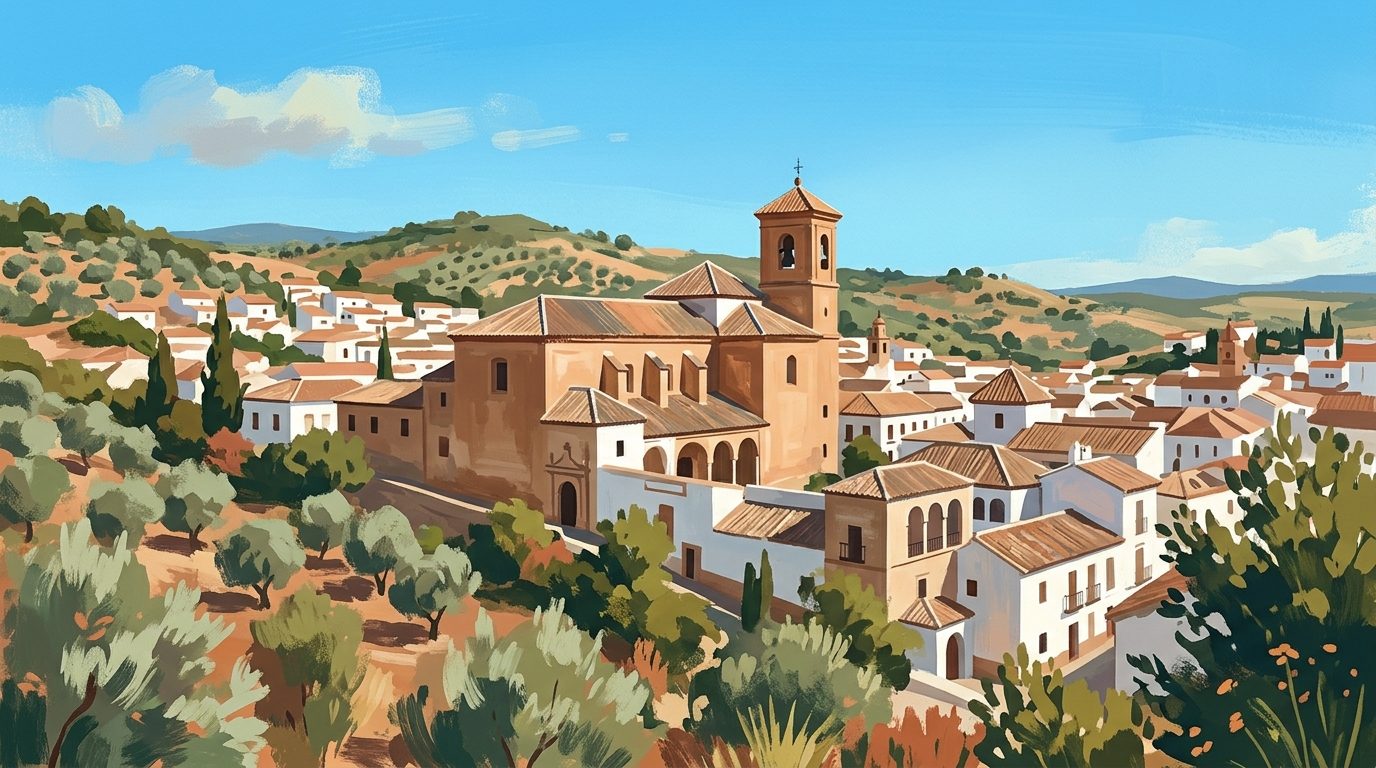
attraction · Córdoba
Museo Histórico Local de Montilla
Andalucía 365 · Updated 18 July 2026
Our Verdict
“A modest, highly focused municipal museum that delivers its timeline of local history with genuine academic rigour. While its restricted hours demand careful planning, it is an essential stop for visitors who want to understand the ancient agricultural bedrock of the Montilla wine region.”
Last verified: July 2026
Montilla is globally renowned for its unfortified wines, yet the soil that nurtures the Pedro Ximénez grape has been cultivated for millennia. The Museo Histórico Local de Montilla serves as the primary guardian of this deep timeline. Occupying the Antigua Fábrica de la Luz, a repurposed power station on Calle Rita Pérez, the institution anchors the archaeological memory of the Campiña Sur. Before this single-nave industrial structure welcomed the relocated museum collection in 2018, it served as the headquarters for the local wine regulatory council. Today, the space trades viticultural administration for a journey from prehistoric hunter-gatherer societies to the modern era, offering vital context for anyone exploring Córdoba province.
The Agrópolis Collaboration
The museum's current format is the result of an ongoing partnership between the Montilla town council and the Agrópolis Archaeology Association. Driven by local historians and passionate academics, this collaboration fundamentally redesigned the exhibition narrative when the collection was moved to its present home from the Casa de la Cultura. By systematically cataloguing pieces recovered during regional agricultural work and ongoing municipal excavations, the museum ensures that accidental discoveries are preserved for public study and properly contextualised within the wider regional history.
The Archaeological Collection
The ground floor houses a chronological circuit that guides visitors through the successive cultures that have claimed this fertile terrain over the millennia. The permanent exhibition relies heavily on materials recovered from local archaeological sites, most notably the extensive excavations at the Cerro del Castillo. The earliest vitrines display flint tools, hand axes and early ceramics, documenting the slow but vital shift from nomadic groups to settled farming communities during the Neolithic period. As the timeline progresses into the Bronze Age, the collection highlights fundamental tools like early bronze axes. Moving into the Iberian and Turdetani periods, the displays shift focus to a striking bronze statuette of an Iberian rider alongside highly decorated pottery. These intricate ceramics, often adorned with characteristic geometric patterns, map the extensive trade networks that connected local tribes with broader Mediterranean civilisations long before the Romans arrived in the peninsula.
Roman Montilla and the Cult of Agriculture
The Roman era commands the largest portion of the exhibition space, reflecting the profound impact of Latin culture on the region. When the Roman Empire integrated the Guadalquivir valley into the province of Baetica, it recognised the immense agricultural potential of the landscape, particularly for olive oil and grain production. The museum illustrates this prosperous period through a wealth of domestic and monumental artefacts. Visitors can examine finely minted Roman coins, heavy agricultural implements, and high-quality terra sigillata tableware that would have graced affluent dining tables. Funerary inscriptions and stone altars provide a direct, tangible link to the individuals who lived and managed these vast estates two thousand years ago. The museum also highlights the spiritual life of Roman workers through objects related to classical deities. A delicate bronze statuette of Ceres, the Roman goddess of agriculture and fertility, stands out as a focal point. The same devotion to the earth's yield that defined Roman spirituality remains the driving economic force behind Montilla today.
The Industrial Architecture
An older iteration of this guide incorrectly stated that the museum was housed within an eighteenth-century convent. In reality, visitors will find a functional, unpretentious industrial space that celebrates the town's more recent past. The Antigua Fábrica de la Luz was originally built to serve the utilitarian electrical and manufacturing needs of the twentieth century. The architects deliberately preserved its core industrial character, including the exposed structural elements, during the building's renovation. The high ceilings and thick walls provide a cool, spacious environment, offering a welcome respite during the intense summer heat of the Andalusian interior. A 2020 upgrade introduced a modern elevator, ensuring all visitors can easily navigate between the ground floor and the upper level without encountering staircases.
A Candid Assessment
This is a small, focused municipal museum that operates far from the tourist crowds of the provincial capital. It delivers its narrative with genuine academic rigour and local pride. It is an essential stop for archaeology enthusiasts who want to understand the historical bedrock of the local wine industry. However, the museum operates on a strictly limited schedule, often opening its doors for just a few hours a week. Casual visitors cannot simply drop in. A successful visit requires intentional planning.
Practical Advice and Accessibility
The museum sits squarely in the town centre on Calle Rita Pérez. The historic street layout consists of narrow, sloping roads not designed for modern traffic. Consequently, parking directly outside the building is highly unlikely. The most practical approach is to leave your car in the designated public parking areas near Plaza de la Rosa, then walk the short distance to the entrance. Inside, the layout is straightforward. The modern elevator allows wheelchair users to navigate the full exhibition space without encountering architectural barriers. Because the displays are primarily labelled in Spanish, international visitors should bring a smartphone equipped with a translation application to fully appreciate the nuanced historical context. Always confirm the current opening hours on the official Montilla tourism website before travelling.
What to Pair it With
To build a full-day itinerary, combine your archaeological exploration with local literary history. A short walk leads to the Casa del Inca Garcilaso de la Vega. This sixteenth-century residence was home to the famous Spanish-Inca writer for thirty years. Alternatively, immerse yourself in the living agricultural tradition that the museum documents, which remains central to life in rural Andalucía. Book an afternoon tasting at one of the historic bodegas spread across the Campiña Cordobesa wine region, where you can sample wines that have been naturally fermented and aged under a veil of flor.
Nearby worth your time
A few well-placed stops for extending the day without turning it into a checklist.
Continue through Campiña Cordobesa & Wine Region
Step back into the wider landscape with local guides, nearby places and the province overview.
Things to do · 10 min
Golf in Córdoba Province: Courses, Holidays, and Shops
Discover practical tips, course details, and holiday planning advice for playing golf in Córdoba province, from the mountain fairways of Sierra Morena to the historic greens of Los Pedroches.
Feature · 8 min
The Caliphate of Córdoba
In 929, Abd al-Rahman III declared himself Caliph, breaking religious ties with the Middle East and launching an era of unparalleled architectural and intellectual achievement.
Itinerary · 9 min
A Weekend in Cordoba: Two Days in Andalucía's Caliphate City
Spend 48 hours in Cordoba exploring the mesmerising Mezquita, getting lost in the whitewashed streets of the Judería, and eating excellent salmorejo.