
attraction · Córdoba
Palacio de Viana
Andalucía 365 · Updated 18 July 2026
Our Verdict
“Palacio de Viana offers an exceptional masterclass in Andalucían garden design and aristocratic history. The sheer scale and variety of the twelve courtyards justify the visit alone. While the guided interior tour adds valuable historical context, the outdoor spaces remain the true highlight, providing a serene, fragrant escape from the busy city streets.”
Last verified: July 2026
Five Centuries of Aristocratic Design
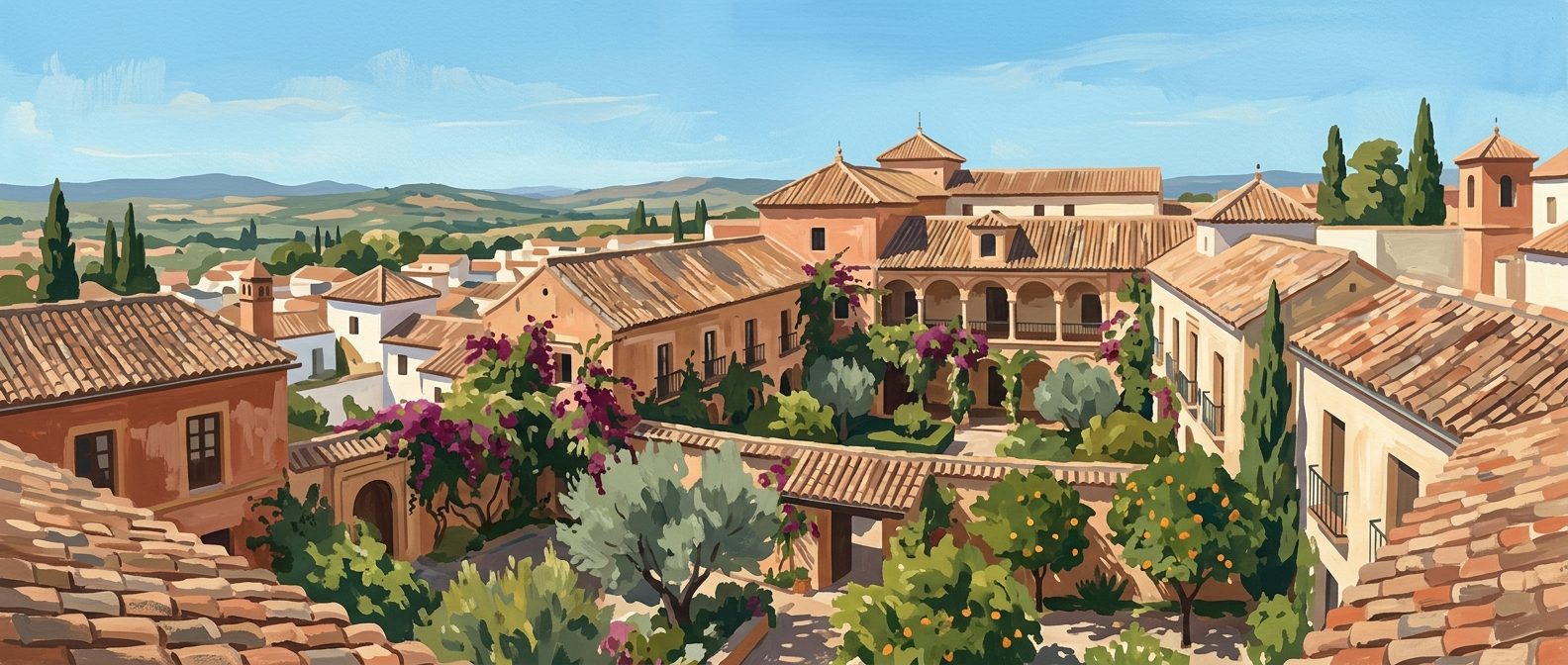
The scent of jasmine and orange blossom hangs heavy in the air at the Palacio de Viana, an expansive 15th-century manor house in Córdoba's historic Santa Marina district. Spread across a sprawling 6,500 square metre estate, this architectural complex provides an intimate look into the lives of Spanish nobility over five hundred years. Originally built as a stately mansion, the estate passed through the hands of eighteen distinct owners before becoming a public monument, earning its reputation as the Museum of the Courtyards.
This site matters because it stands as a living record of how architectural tastes evolved from the medieval period through the Renaissance to the Baroque era, all while maintaining a deep, unbroken connection to the natural world. While the rest of the city is famous for its communal residential courtyards, Viana represents the absolute peak of private aristocratic garden design in Andalucía.
The Twelve Courtyards
The primary draw is the collection of twelve distinct patios and a sprawling formal garden. Each outdoor space reflects a specific historical period and function. The Patio de los Gatos, the oldest documented neighbourhood courtyard in the city, retains a sense of medieval simplicity. In contrast, the Patio de los Naranjos showcases the influence of the Moorish garden orchard, complete with citrus trees and symmetrical planting. The Patio de la Madama features a central statue of a water nymph surrounded by meticulously clipped cypress trees, while the Patio de las Columnas, installed in 1983 by the estate's institutional owners, serves as a grand space for social events.
Visitors should pay close attention to the traditional empedrado cordobés, the decorative pebble mosaics underfoot, and the ingenious water systems that provide a cooling soundtrack to the walk. The plant species are carefully maintained, featuring seasonal blooms, ancient climbing roses that scale the whitewashed walls, and centuries-old oak trees that predate the current palace layout. One specific highlight is the Patio de las Rejas, or Patio of the Bars, which allows passers-by on the street to glimpse the interior garden through ornate ironwork. This specific design choice historically served as a public exhibition of the family's immense wealth, projecting their status outwards to the rest of the city.
Inside the Palace Walls
Beyond the greenery, the house contains a vast collection of art and historical artefacts accumulated by generations of nobility, culminating with the Marquises of Viana. The interiors feel frozen in time, providing a stark contrast to the sunlit gardens outside. Visitors who join the guided tours of the upper floor are led through rooms filled with significant artistic treasures.
The walls of the residential wings are adorned with 16th-century Flemish tapestries depicting the Trojan War, murals inspired by Francisco de Goya, and exquisite painted leatherwork known as cordobanes. The complex also houses an impressive historical archive detailing centuries of estate administration, alongside an extensive library. Notable areas include the Gallery of Battles, which showcases large-scale 17th-century military paintings by Pieter Van Der Meulen depicting the Thirty Years' War, a grand dining room set with fine porcelain, and the Grand Staircase, a true masterpiece of stone masonry. The Red Room even features a striking 1918 portrait of Queen Victoria Eugenia by the renowned painter Joaquín Sorolla. Downstairs, the purely functional areas of the estate, including the atmospheric old kitchens and stables, offer a practical perspective on how such an enormous household was managed on a daily basis.
The Verdict
Palacio de Viana offers an exceptional masterclass in Andalucían garden design and aristocratic history. The sheer scale and variety of the twelve courtyards justify the visit alone. While the guided interior tour adds valuable historical context, the outdoor spaces remain the true highlight, providing a serene, fragrant escape from the busy city streets.
Who Should Visit
The complex is perfectly suited to independent travellers who appreciate landscape architecture, period interiors, and a slower pace of exploration. It appeals to those looking for horticultural inspiration and history enthusiasts wanting to understand the domestic reality of Spanish nobility. Families with older children might enjoy the open spaces, though the static historical displays hold less appeal for younger visitors.
Practical Advice for Visitors
The palace is located at Plaza de Don Gome in the northern part of the historic centre. It sits approximately a 15-minute walk from the Mezquita-Cathedral. Walking or taking a taxi is highly recommended, as the narrow, labyrinthine streets of the Santa Marina neighbourhood make driving extremely difficult.
When planning your visit, allow at least 90 minutes to explore the patios at a leisurely pace. If you wish to view the palace interior, set aside two and a half hours. Visitors should check the official Palacio de Viana website for current access arrangements, guided tour availability, and entry requirements, as schedules shift throughout the year.
In terms of accessibility, the ground floor courtyards are wheelchair accessible via ramps at the main entrance. However, navigating the entire complex can be challenging for those with mobility issues, as some courtyard surfaces feature uneven pebble mosaics, and the upper floors of the palace require climbing stairs.
Beyond the Palace Gates
To complete your understanding of the local obsession with floral displays, pair your visit with a broader exploration of the city's private homes. Our comprehensive guide to the Patios de Córdoba details the historic houses that open their doors during the famous May festival. If you are hungry after walking the gardens, the surrounding Santa Marina district is an excellent place to sample traditional dishes, as highlighted in our guide to eating and drinking in Córdoba. To contextualise the manor within the broader history of the city, read our deep dive into exploring the Caliphate capital. For those planning a longer stay, incorporating this aristocratic estate is highly recommended for anyone spending two days in Cordoba, offering a quiet counterpoint to the primary monuments.
Nearby worth your time
A few well-placed stops for extending the day without turning it into a checklist.
Continue through Córdoba City
Step back into the wider landscape with local guides, nearby places and the province overview.
Things to do · 10 min
Golf in Córdoba Province: Courses, Holidays, and Shops
Discover practical tips, course details, and holiday planning advice for playing golf in Córdoba province, from the mountain fairways of Sierra Morena to the historic greens of Los Pedroches.
Feature · 8 min
The Caliphate of Córdoba
In 929, Abd al-Rahman III declared himself Caliph, breaking religious ties with the Middle East and launching an era of unparalleled architectural and intellectual achievement.
Itinerary · 9 min
A Weekend in Cordoba: Two Days in Andalucía's Caliphate City
Spend 48 hours in Cordoba exploring the mesmerising Mezquita, getting lost in the whitewashed streets of the Judería, and eating excellent salmorejo.